A Heritage Breed Can Work as a First Flock if You Expect Slower Laying
A heritage breed can carry a first flock, provided the keeper plans for a later start and a longer laying life instead of a production-hybrid timeline. Heritage pullets mature on a different curve, and heritage hens stay in lay across more years than industrial strains do. Judge one against the hybrid calendar and the first six months look like failure. Judge the same birds against their own calendar and they look exactly on schedule. Nothing about the bird changes between those two readings.
There is a 3x5 index card taped inside the door of my coop, and it carries the whole argument. Every egg laid gets a pencil tally, week by week, and I have kept those cards long enough to stack them. Stand in front of that door with me on a hot afternoon in the second week of July. On a hybrid card, the tallies are already running down the left side. On the heritage card from a different year, the same week is blank white paper, and it stays blank through August. That blank stretch is where most first-time keepers quit and go buy something else. I nearly did. What I did not know yet was that the blank card and the full card were both correct, and I was reading the wrong one as a verdict.
What the word heritage is actually doing
It is a definition, not a compliment. A heritage breed is one recognized by the American Poultry Association before the middle of the twentieth century, and kept from parent stock that mates naturally and lives a long productive life. That is the whole structural idea. The opposite model is the industrial hybrid: a cross built for one high-output season, then replaced rather than kept. Neither is a moral position. They are two different machines with two different service lives, and the owners of each have to plan around the one they bought.
When I first heard the word, I assumed it meant old, and old in my head meant tougher and slower. Half right, and I had the reason wrong. The slowness is not frailty. It is a bird that was never selected to dump everything into one laying season.
The catalog of traits you can actually see
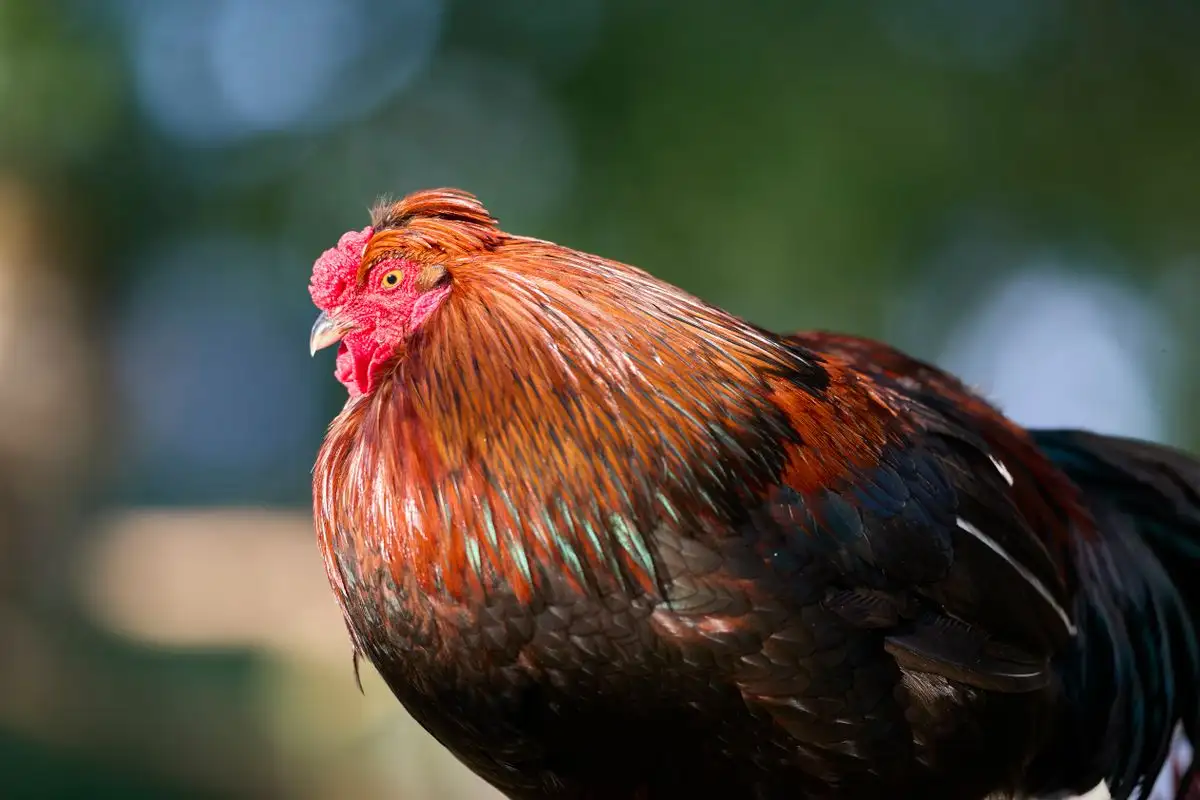
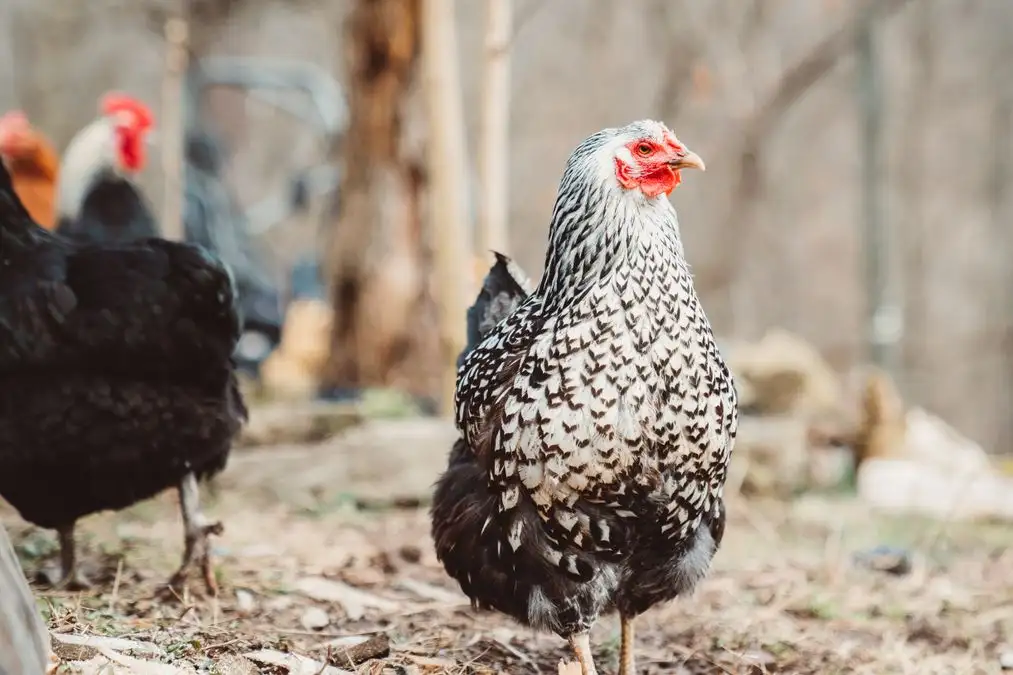
This is the part that surprised me more than the egg count. A heritage breed comes with a written description published in a breed standard, and almost every line of it is visible on a live bird standing in front of you. Comb type: single, rose, pea, walnut, cushion, buttercup. Leg and beak color: slate, willow, yellow, white, blue. Feather pattern: lacing, spangling, penciling, barring, mottling. A complete beginner can read a breed's entry and then walk out to the run and check the bird against it point by point.
I did not expect the reading to matter as much as it does. It turns out that knowing the standard description of a breed is what lets you decide which birds you intend to keep, because now you have something to compare against other than your own fondness. Without the book, every bird is a pet and the flock drifts. With the book, you notice that one pullet's legs are the wrong color and one cockerel's comb is the wrong shape, and you make a decision you can explain.
I keep a cheap notebook for this and I am not precious about it. Date, bird, what I saw against the standard, done. It is a documentation habit more than anything else, and it is the least glamorous part of keeping a rare breed. It is also the thing that slowly makes the flock look like the description rather than like a collection.
Two timelines, side by side
Here is the comparison I wish somebody had handed me at the start, in plain calendar terms rather than numbers.
On the hybrid side, the pullets come into lay while the last of the summer heat is still in the air, and they lay hard through that first season. The following year the count falls off sharply, and by the year after that you are deciding what to do with a hen who is basically done. On the heritage side, in my own run, the pullets were still growing when the hybrids would have started, and their first eggs arrived with the cool mornings instead. My heritage hens gave me fewer eggs in that first full season, and then they kept giving me eggs in the second year, and the third, and I had a four-year-old hen laying twice a week with the biggest shells in the basket.
That trade is the whole thing. Fewer per season, more seasons. If you write down only the first year on a card, the heritage bird loses. Stretch the card out to four years and the gap mostly closes, and by then you have a bird you recognize as an individual instead of a unit that got used up.
Broody hens rearrange the calendar whether you want them to or not
Broodiness is breed-linked. It runs strong in heritage and dual-purpose birds and it has been largely selected out of industrial layers, for the obvious reason that a hen sitting on a nest is a hen not laying. When one of my hens goes broody in April, the year stops being a straight line. She stops laying, she commits to that nest, and everything downstream of her shifts. If you let her sit, you get chicks on a schedule you did not choose. If you do not, you still lost those weeks.
The first time it happened I was annoyed. The second time I understood that I had bought a bird with that trait written into her, and being annoyed at her for expressing it is a little like being annoyed at a retriever for retrieving. What I have learned is that I do not get both things in one body. The birds that reliably hatch their own chicks are not the birds that lay an egg nearly every day for a season.
Where the first year goes sideways for new keepers
The failure mode is rarely the bird. It is the second purchase.
Somebody starts with heritage pullets in spring, waits through a summer with an empty basket, decides the birds are duds, and adds a batch of fast-maturing layers in August to make up the difference. Now there are two flocks, twice the feed going out, a coop that is over capacity by fall, and a set of heritage pullets that were about three weeks from laying when the new birds arrived. I have watched this happen to people I know, and I have come close to doing it myself.
The slower ramp is normal. Slower growth in the cockerels is normal too; a heritage cockerel at sixteen weeks is not carrying the frame of a fast-grown meat cross, and it never will. If your benchmark is how quickly something fills a freezer or an egg carton, the heritage bird will lose on every measurement that matters to you. That is not a flaw in the bird. It is a mismatch between the bird and the errand.
The honest list of what you give up
Fewer eggs per hen per season. More feed going in per egg coming out. A broody hen in the middle of the summer when the basket was already thin. A winter where you buy eggs at the store anyway, at least in that first year, because the pullets are still coming into production and the days are short. Slower growth if you are raising extra cockerels. And a first season that can feel like standing in a hallway waiting for a door you were told was open.
If a household needs a dependable dozen a day, heritage dual-purpose birds are the wrong tool and no amount of affection changes that arithmetic. I would rather say that plainly than pretend the trade does not exist.
What you get on the other side of it
Hens that are still laying in their third and fourth year, with eggs that run large. Birds that mate naturally instead of requiring intervention to reproduce. A flock that can produce its own next generation, which is the quiet difference between keeping chickens and replacing chickens. Hens that go broody and raise chicks under their own feathers, which is a thing worth seeing once even if you never plan for it again. Visible traits you can learn to read against a published standard, so your eye gets better every year instead of just your egg tally. And a bird in year four that you can still point at and say what she is.
I still keep the tally cards. I still write the first eggs down in September and shake my head at the July blanks from years past. But the card I care about now is the one from the older flock, the one where the pencil marks keep going long after the hybrids would have gone quiet. That is the card that tells the truth about what a heritage breed is.