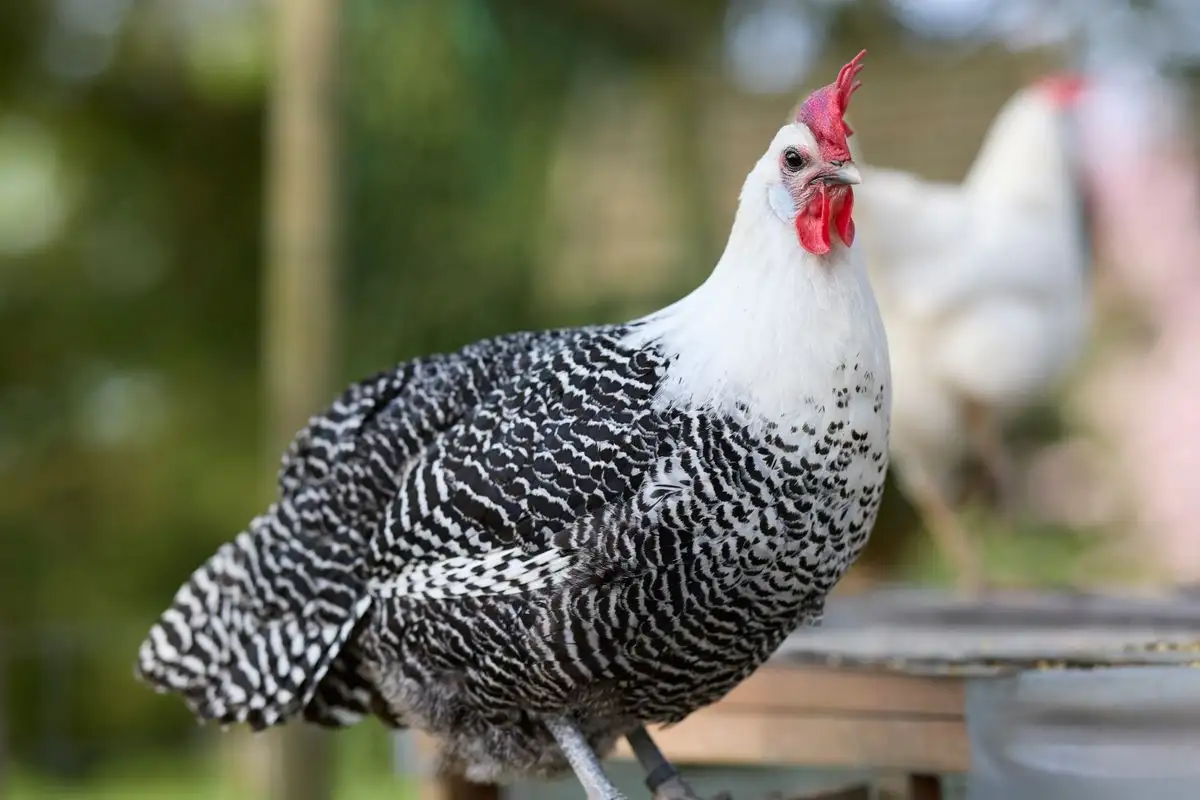
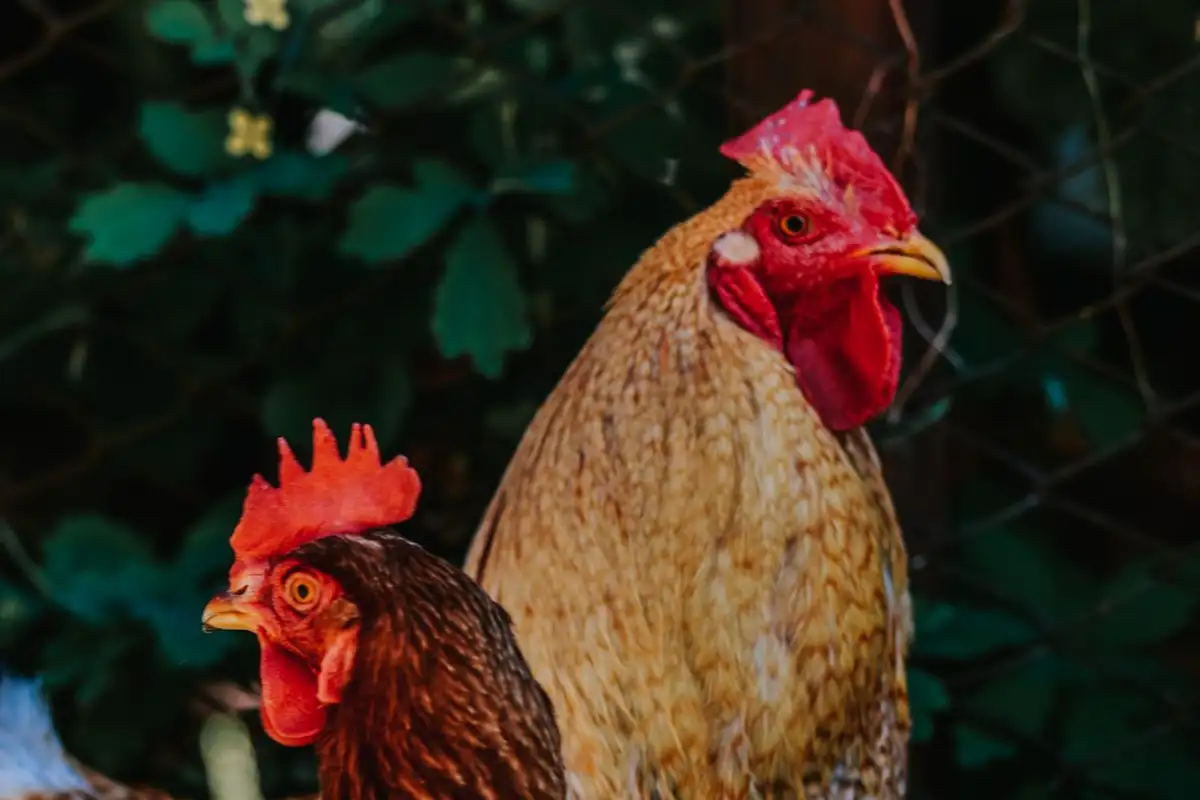
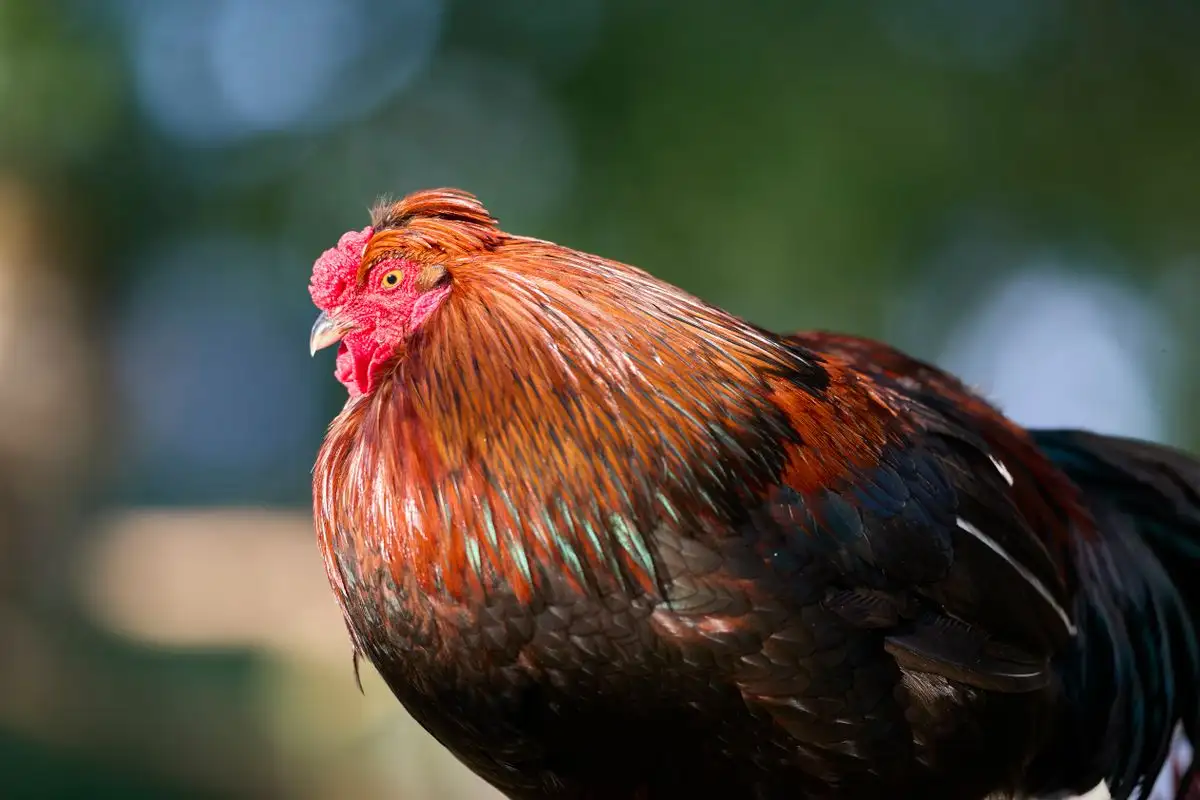
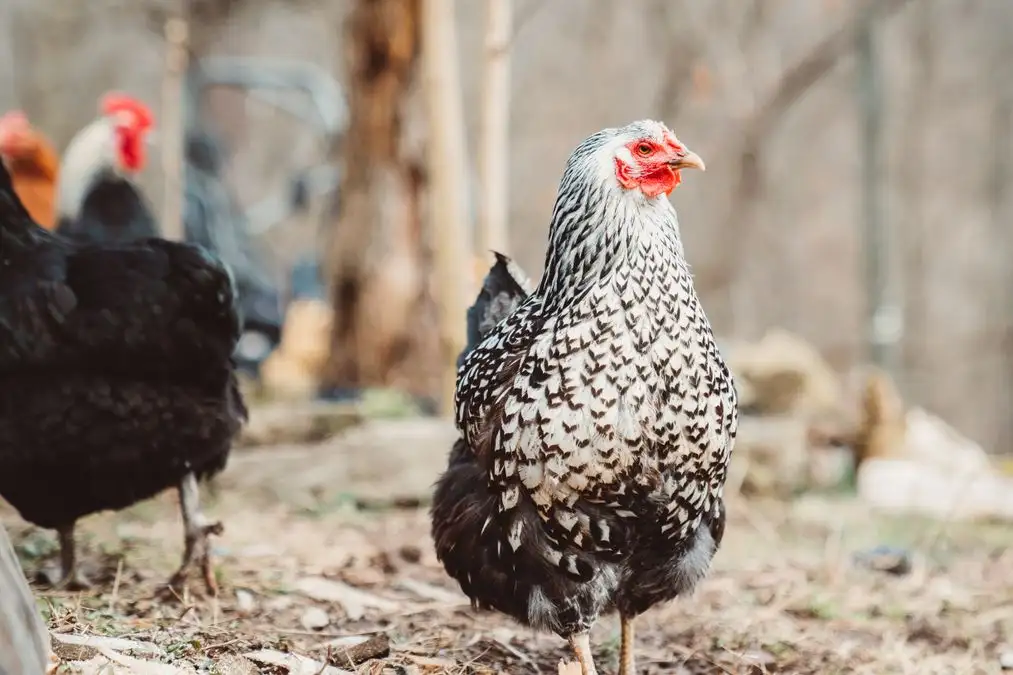
Every Heritage Dual-Purpose Breed Was Made for a Specific Farm Problem
Heritage dual-purpose breeds were designed as answers to specific farm problems. Reading the old breed descriptions as work orders explains the whole category.
Breed-level content: individual profiles, multi-factor comparison matrices for space, climate, noise, egg color, and temperament, and heritage or rare-breed background.
Heritage dual-purpose breeds were designed as answers to specific farm problems. Reading the old breed descriptions as work orders explains the whole category.
Heritage breeds and production hybrids behave, live, and use space differently. Match the bird to your goals and your run before you commit.
Heat tolerance in chickens is bloodline and body architecture, not a breed chart. Follow the Mediterranean and Transylvanian lineages into U.S. farmyards.
Comb type, feather density, and body size decide a breed's climate fit, and they pull in opposite directions for winter cold and summer heat.
Heritage breeds work as a first flock if you plan for a later start and a longer laying life. Here's what slows down and why keepers choose it anyway.
Read your yard's coldest week and hottest afternoon first, then match comb shape, body mass, and feathering to the small, unheated coop you actually have.
Heritage chicken breeds are defined by pre-1940 lineage and natural reproduction, but the real trade is broodiness, slow growth, climate fit, and fewer eggs.
Bantams are not just smaller chickens. Here is what downsizing the bird actually does to coop space, egg volume, fence specs, and predator exposure.
Measure your coop and run, answer four yard questions, and eliminate breeds down to three or four that actually fit your space, sound, and climate.