Why Chicken Wire Fails Exactly Where Raccoons Test It First
Chicken wire gives way at the bottom edge and seams, not the middle. A practical look at aperture, gauge, overlap, and fender-washer fastening that holds.
Hardware cloth, mesh gauges, and barrier material selection for coop and run openings.
Chicken wire gives way at the bottom edge and seams, not the middle. A practical look at aperture, gauge, overlap, and fender-washer fastening that holds.
Work one framed bay at a time: strip the old wire, cut the staples instead of prying, check the bottom plate, and re-cover. The run stays up the whole time.
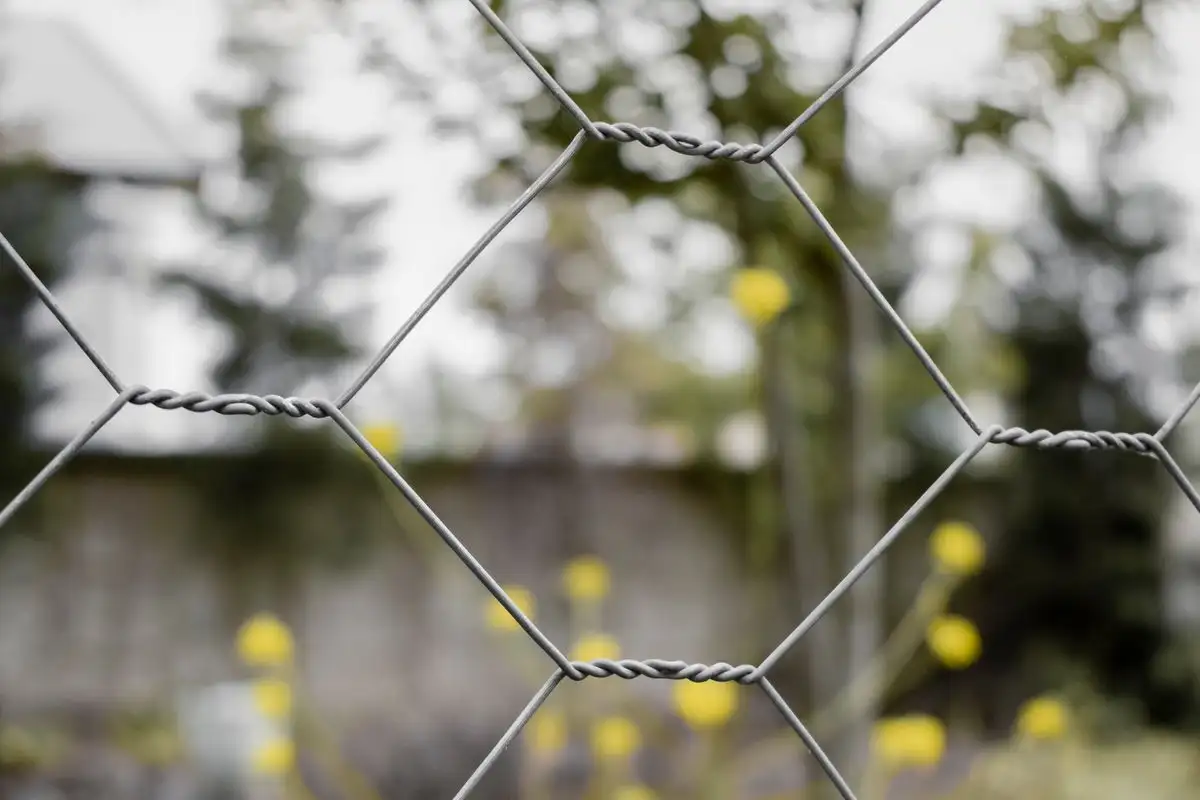
Mesh opening decides what can't get through; wire gauge decides whether the panel stays flat and tight after a year. Read both numbers before you buy.
Walk the finished run in low-angle light: lap and fold inside corners, frame all four sides of every door and gate, and overlap flat panel seams across a member.
Compare fence staples, screws with fender washers, J-clips, and wood battens by how each holds when something pulls on a hardware cloth panel.
Predator-proofing is five stacked layers, not just a coop. Learn to read the evidence and audit your base, wall, overhead, and dusk routine.
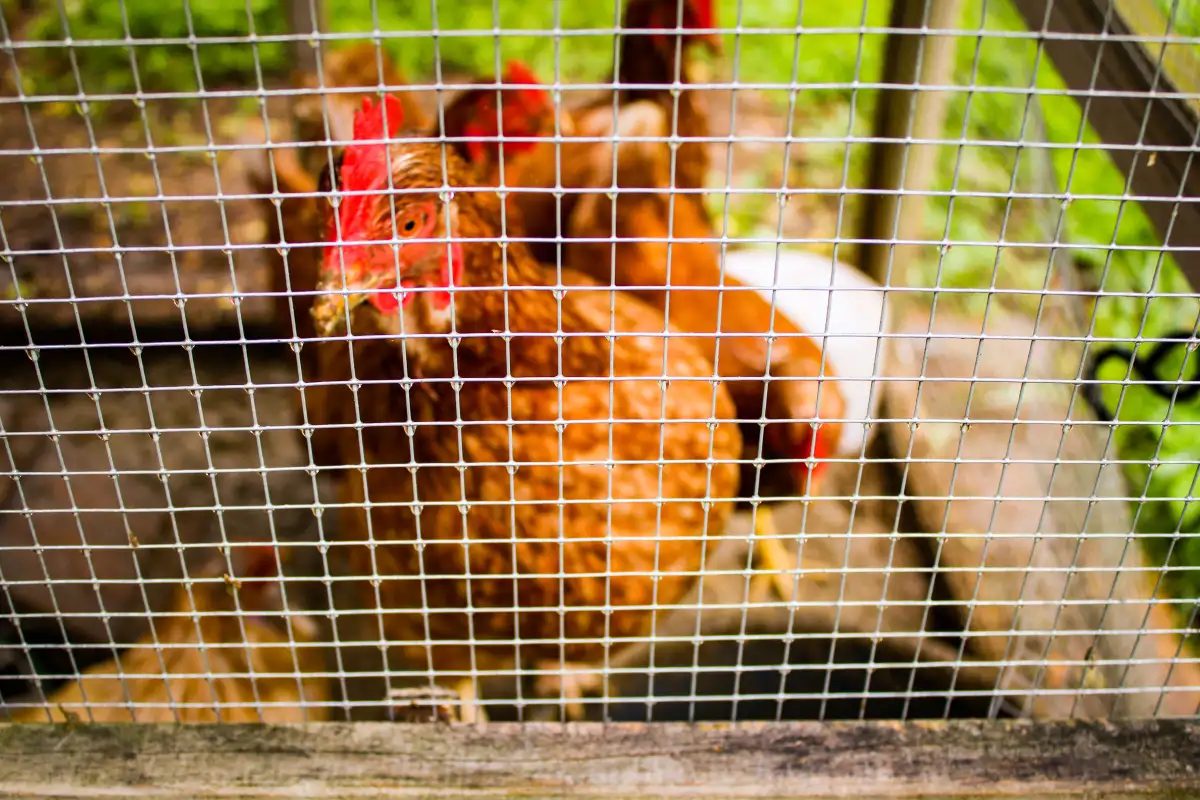
Chicken wire fails because it is built to hold birds in, not to resist a pull. Judge a barrier by mesh opening, wire gauge, and how it is fastened.
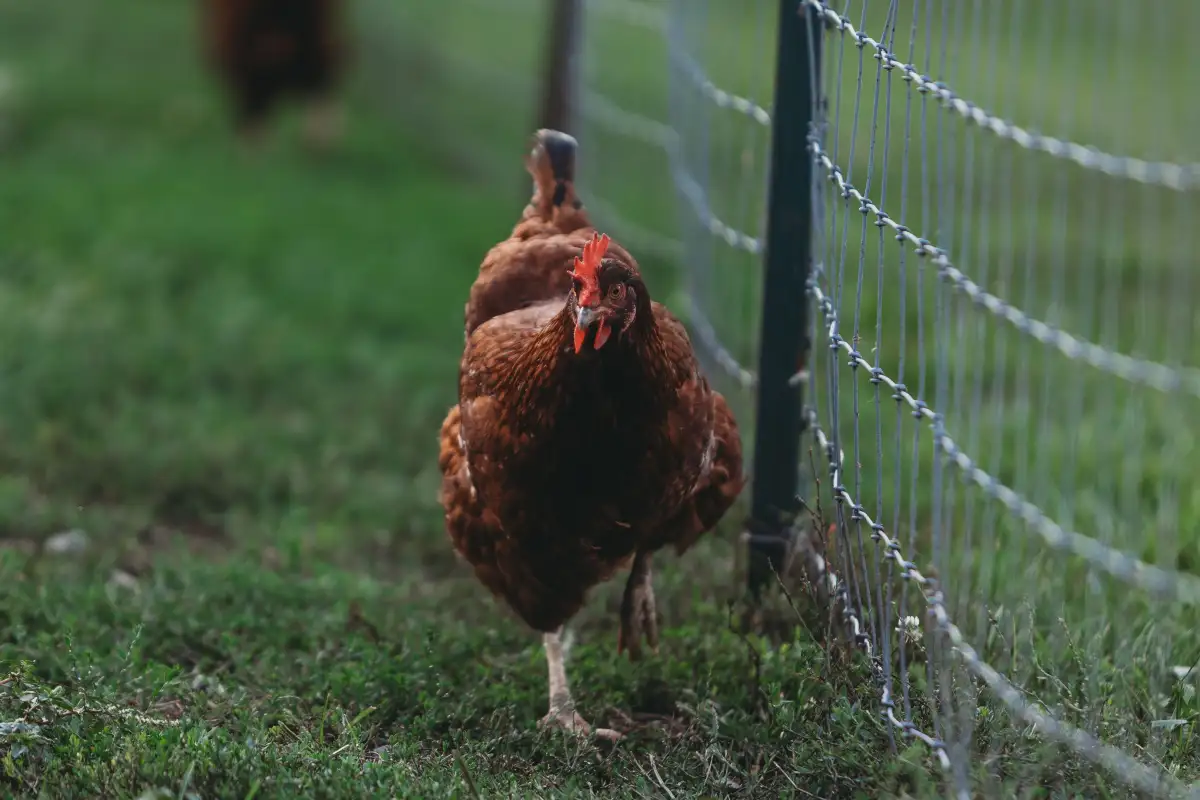
Chicken wire is containment mesh, not predator exclusion. Mesh size, wire gauge, and fastener spacing decide whether your run actually holds.
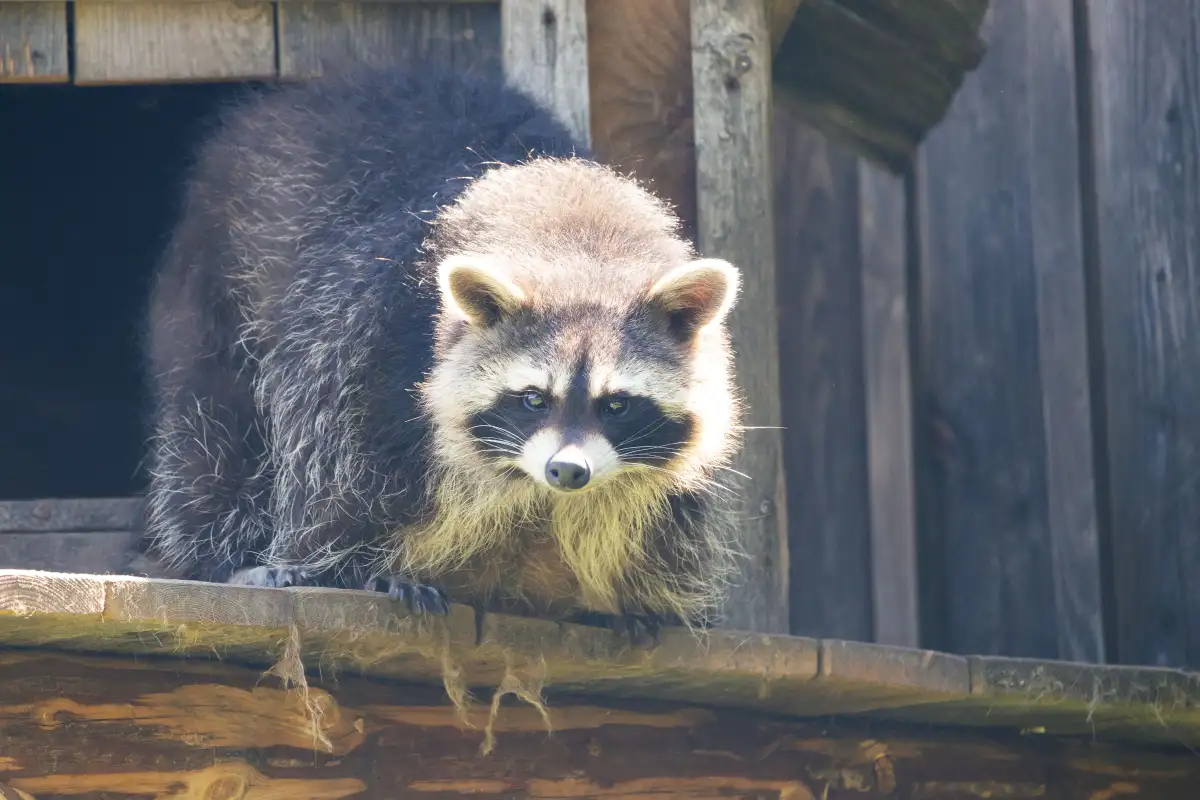
Raccoons peel corners first. Build protection in layers: half-inch hardware cloth, apron fencing, secure latches, covered runs, matched to local predators.