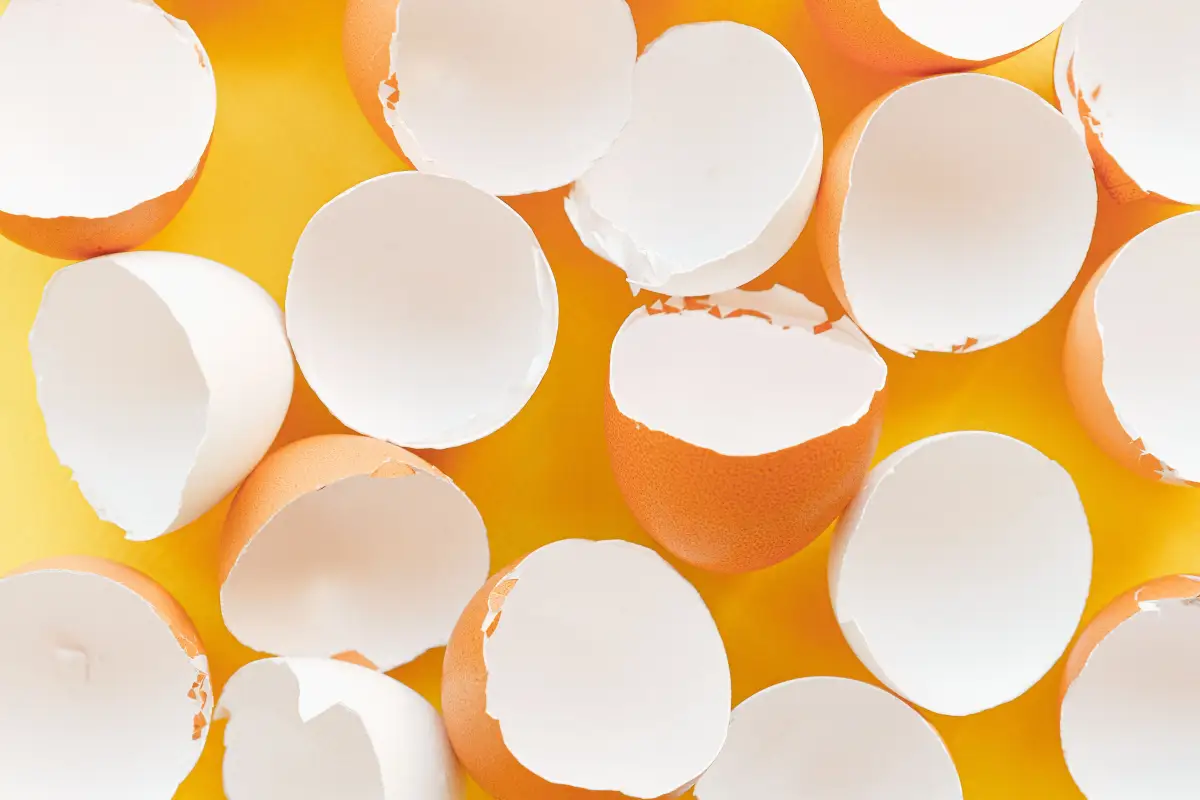
5 Calcium Deficiency Warning Signs You Can't Ignore
When shells crumble under normal handling or a hen fractures a leg stepping off a low roost, the calcium system has failed—but not always from simple deficiency. Supplying more calcium before confirming the cause risks kidney overload, phosphorus interference, and masking treatable diseases. A better approach: match the symptom to a specific at-home verification step, then correct with precision. That process prevents both misdiagnosis and unnecessary harm.
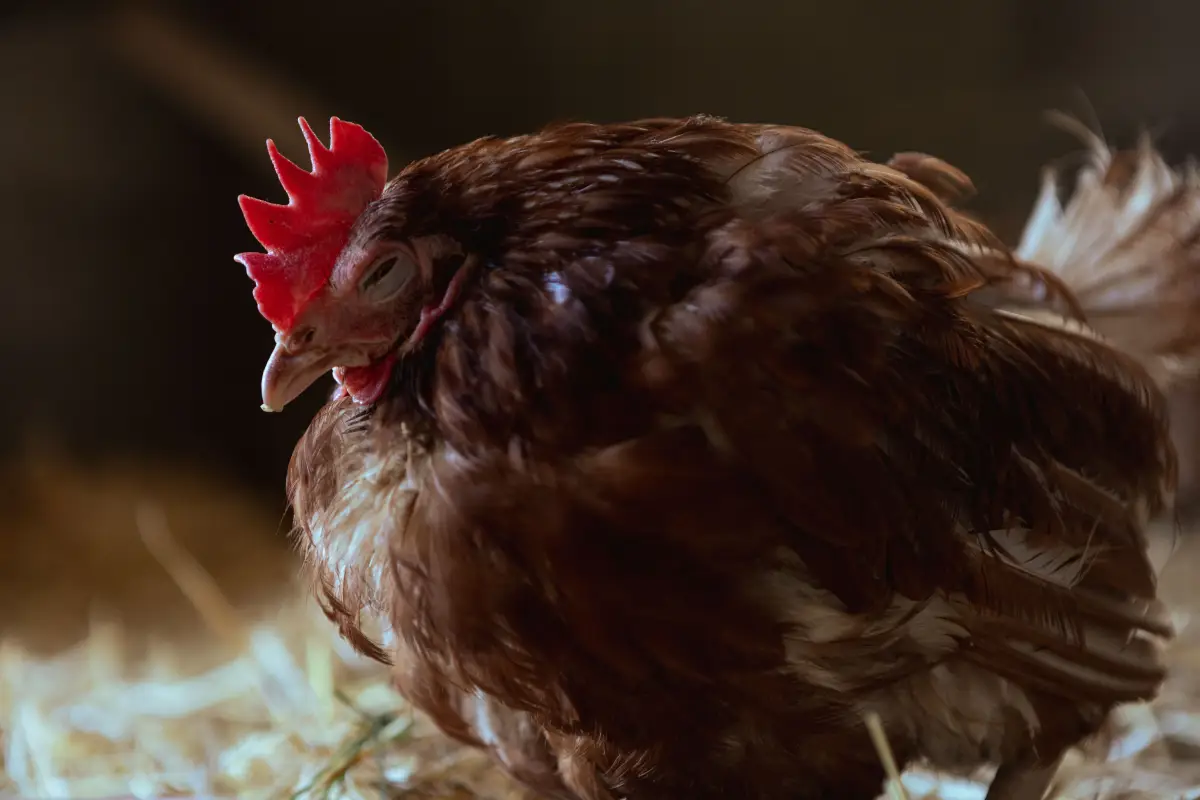
Which of These Five Signs Matches Your Flock?
Before acting, pin down exactly what you see. Below are five distinct calcium-failure presentations. Identify the one that matches your observation, then follow the linked diagnosis path. Each path includes a confirmatory check you perform in the coop, a targeted fix, and a realistic improvement timeline.
- Thin, crumbly shells that crack under light finger pressure.
- Soft or shell-less eggs found repeatedly in the nest box.
- The keel bone feels bent or spongy instead of straight and rigid.
- Broken eggs appear with no sign of pecking or impact—just membrane and yolk.
- Hens limp or fracture a leg during ordinary movement.
Thin, Crumbly Shells That Break During Handling
This is the most direct sign of insufficient calcium deposit during the final hours of shell formation.
Confirm: The Shell Tap Test and a Water Glass Float
Collect a freshly laid egg from the suspect hen. Tap it gently against the edge of a ceramic bowl. A sound shell gives a clean, sharp ping and resists breakage. A thin shell cracks easily or produces a dull thud.
Next, place the egg in a glass of water. A fresh, well-formed egg sinks and lies flat. A thin-shelled egg often floats or stands upright because the porous shell admits more air. This test loses accuracy on eggs older than two days; rely on the tap test as the primary indicator then.
Also examine the hen’s vent and general demeanor. Discharge, lethargy, or straining can point to a reproductive tract infection, which sometimes mimics nutritional thin shells.
Fix: Adjust Calcium Particle Size and Offer Free-Choice Oyster Shell
The shortfall is often about timing and form, not total intake. Laying hens need fine calcium (for quick absorption during the night when the shell forms) and coarse calcium (like oyster shell grit) that stays in the gizzard and releases slowly. If the flock receives only fine calcium from layer feed, the overnight calcium pool runs dry.
Fix: Place a separate feeder with coarse oyster shell flakes—not powder—in the run, accessible at all times. Verify the layer feed is a 16–18% protein formula containing 3.5–4% calcium. Stale or improperly stored feed may have degraded vitamins, impairing calcium absorption.
Expected Outcome: Shell Improvement in 3–5 Days
Self-regulating hens will produce visibly thicker shells within days. If no improvement occurs after five days, proceed to the universal resets and verify vitamin D3 status.
Soft or Shell-less Eggs Appearing in the Nest
A hen depositing only a membrane sac looks alarming, but it is not always a calcium emergency.
Confirm: Distinguishing Calcium Lack from Reproductive Stress
First, rule out a pullet just beginning to lay. Irregular first eggs are normal. If the bird is otherwise healthy and the soft eggs appear only once or twice, wait a week before intervening.
If a mature hen suddenly produces shell-less eggs, palpate her abdomen gently. Feel for a firm mass—an egg stuck in the oviduct (egg binding)—or an empty, soft abdomen. A straining, puffed-up hen that passes nothing needs immediate warm baths and lubrication, not just calcium.
Once egg binding is ruled out, the most probable cause is low ionized blood calcium during shell calcification. This occurs when the hen consumed too little coarse calcium the previous day or has poor vitamin D3 status.
Fix: Balancing Dietary Calcium and Vitamin D3 with a Temporary Boost
Keep oyster shell available free-choice. For 2–3 days, add a water-soluble calcium supplement (calcium gluconate) to the flock’s drinking water to rapidly elevate blood calcium—but only if egg binding is not present. In egg binding, a veterinarian should administer injectable calcium.
Simultaneously, supply a vitamin D3 source. Hens without unfiltered sunlight or synthetic D3 cannot absorb dietary calcium. During winter or for fully confined flocks, mix a liquid D3 product labeled for poultry into the water at the maintenance dose.
Expected Outcome: Normal Shell Formation Returns Within a Week
When the deficit is temporary, normal eggs resume in 5–7 days. Output may remain inconsistent for another week while the oviduct recovers.
Keel Bone Feels Bent or Spongy Instead of Firm
The keel—the breastbone—should be straight, smooth, and rigid.
Confirm: Palpation Technique and When Deeper Investigation Is Needed
Hold the hen firmly against your body. Run your fingers along the keel with gentle pressure. Note any depression, sideways bend, or a cartilage-like softness. Early deficiency shows as a small bump or indentation; advanced cases feel rubbery and easily flexed.
This is medullary bone depletion: the hen has been drawing calcium from her own skeleton to form eggshells faster than she can replace it. It signals a prolonged imbalance.
When you find a softened or deformed keel, separating the hen to reduce her laying rate is logical. She is running a daily calcium deficit.
Fix: Long-Term Bone Repair with Proper Calcium-to-Phosphorus Ratio
Simply adding calcium won’t suffice. Excess phosphorus—from scratch grains, corn, or treats—blocks calcium uptake. Eliminate all such extras immediately. Feed only a balanced layer ration and provide oyster shell free-choice. A commercial poultry mineral supplement can help, but never add phosphorus blindly. The target calcium-to-phosphorus ratio in a layer diet is about 6:1; standard layer feeds already achieve this.
Reduce light hours to 12–14 per day to slow egg production and allow bone stores to rebuild.
Expected Outcome: Gradual Hardening Over Several Weeks
Keel hardening is slow. Palpate weekly; firmer consistency should appear in 3–4 weeks. Some minor deformity may persist. If the keel remains soft after 4 weeks of correct diet and light, suspect an absorption disease (e.g., infectious bronchitis) or internal parasites, and submit a fecal sample to a lab.
Broken Eggs Without Obvious Cause (Internal Laying, Shell Membrane Only)
A broken egg in the nest with no sign of pecking or physical impact points to a different mechanism.
Confirm: Checking for Other Deficiencies and Parasites
Examine the broken egg. A thin, stretchy membrane with almost no shell material indicates very late calcification failure. Save a dried sample for a veterinarian.
Check for worms: pale comb, weight loss, visible worms in droppings. High parasite loads deplete nutrients needed for shell formation. Also verify water intake; dehydration concentrates urine and reduces calcium availability.
Fix: Ensuring Adequate Calcium Absorption with Vitamin D
Oyster shell present is not enough if vitamin D3 is inactive. Provide direct sunlight or a D3 supplement. For hens mobilizing medullary bone calcium, D3 is critical. If a viral cause like infectious bronchitis is suspected, quarantine the bird and consult a poultry pathologist.
Initiate the "calcium reset" described in the next section to rule out simple deficiencies.
Expected Outcome: Reduction in Broken Egg Incidents
Shell quality should improve enough to stop spontaneous breakage within a week of correcting D3 and calcium access. Broken eggs persisting after 10 days signal a permanent shell gland defect; culling that hen often makes economic sense.
Hens Limping or Fracturing Their Legs Under Normal Activity
A hen that fractures a leg hopping off a low roost or walking on level ground is in severe mineral distress.
Confirm: The Grip Test and Checking for Rickets
Hold the bird and extend each leg. Weak toe grip suggests calcium tetany affecting nerves and muscles. Inspect legs for joint swelling (rickets in young birds) or knobby healed fractures in older birds.
Assess roost height. Roosts over 3 feet for heavy breeds amplify the stress on already brittle bones.
Fix: Correcting Mineral Imbalance and Environmental Safety
Lower roosts to 18–24 inches to prevent impact fractures while you correct the diet. Provide oyster shell and maintain the correct Ca:P ratio. In acute cases with muscle tremors or collapse (calcium tetany), a veterinarian may administer intravenous calcium gluconate—this is an emergency.
Expected Outcome: Pain Reduction and Stabilization in a Week
Normalized blood calcium restores strength and grip within days. Fractures require rest and possible splinting. Full bone healing may take 4–6 weeks.
The Universal Resets: Three Checks Before You Treat Anything Else
When multiple signs overlap or the diagnosis is unclear, run three foundational checks. They resolve the majority of calcium-related problems without further targeting.
- Oyster shell, free-choice, visible: Place a small dedicated feeder with coarse oyster shell in a dry, accessible spot. Confirm the hens actually consume it. If they ignore it, briefly mix a little into a treat to train them, then remove the treat.
- Vitamin D3 status: Hens require unfiltered sunlight (not through glass) or synthetic D3 in feed or water. During winter or for indoor flocks, add a liquid D3 product labeled for poultry at the maintenance dose.
- Stop all high-phosphorus extras: Scratch grains, corn, bread, and table scraps often have phosphorus levels that outpace calcium. Eliminate all of these for two weeks. This often produces a dramatic shell improvement.
When these resets help: In the majority of scenarios where the issue is a simple free-choice calcium gap or a seasonal D3 dip, normal shells return quickly.
When they waste time: If all three have been in place for over a week with no change, the root cause lies beyond simple nutritional deficiency—likely infectious bronchitis, internal parasites, or genetic defects. Adding more supplements at this stage risks calcium overload, gout, and kidney damage. Stop supplementation and pursue diagnostics.
Prevention: Keep the Calcium System in Balance Year-Round
Prevention is cheaper than recovery. Build these habits into daily husbandry:
- Year-round oyster shell: Keep it available even when hens are not laying heavily. They self-regulate.
- Keel bone palpation: Every 2–3 months, feel the keels of a few representative hens. Softening is an early warning before egg quality crashes.
- Calcium-demand peaks: During the first 8 weeks of lay, molting recovery, and hot weather (when panting alters blood pH), slightly increase the coarse calcium proportion.
- Monitor feed freshness: Vitamin D degrades. Buy layer feed in amounts you’ll use within 6–8 weeks and store it in a cool, dry place.
- Light management: Day lengths beyond 16 hours push hens to lay more than their skeleton can support. Keep the lighting schedule steady and allow a natural rest period in winter.
If Nothing Worked: What to Do Next
Some problems exceed home diagnostics. If after two full weeks of correct free-choice oyster shell, D3 supplementation, phosphorus restriction, and symptom-specific fixes the hen still lays poor eggs or the keel remains soft, collect these data before seeking professional help:
- Hen’s age and current laying frequency.
- Exact symptom description (photo of a thin egg next to a normal one).
- Brand and guaranteed analysis of the layer feed.
- Whether the bird has had direct sunlight or D3 supplement.
- A fecal sample from the affected bird.
Take this information to a poultry veterinarian or your state’s agricultural extension service. A diagnostic lab can run serum calcium and phosphorus levels, or test for oviduct-affecting diseases. If multiple birds are affected and no fix works, culling the worst producers is a pragmatic husbandry decision that protects the rest of the flock.
Frequently Asked Questions
Can a hen overdose on calcium?
Yes. Excess calcium—especially from liquid or powder supplements added to a high-calcium layer feed—can cause kidney damage, visceral gout, and secondary phosphorus deficiency. Free-choice oyster shell is safer because hens self-regulate. Never force high doses without a diagnostic justification.
What about feeding crushed eggshells back to the hens?
Crushed eggshells provide calcium but break down faster in the gut than oyster shell and don’t deliver the sustained nighttime release. If feeding eggshells, bake them first to kill pathogens and crush them very fine. Oyster shell remains the superior slow-release source.
My hen eats plenty of oyster shell but still lays thin eggs. Why?
This almost always indicates a vitamin D3 deficiency—so calcium cannot be absorbed—or an oviduct problem like infectious bronchitis. Check D3 access first, then investigate disease.
How quickly can a calcium deficiency become fatal?
Acute calcium tetany—a critical blood calcium drop—can kill a high-producing hen within hours if she fails to ingest calcium. The bird collapses, shows tremors, and dies. Chronic bone depletion progresses slowly and allows intervention.
Does a rooster need calcium supplementation?
Roosters and non-laying hens need only a maintenance diet with 1–1.2% calcium. They don’t require oyster shell, though small accidental amounts are not harmful.