Extension-Approved Hardware Cloth Installation for Coops
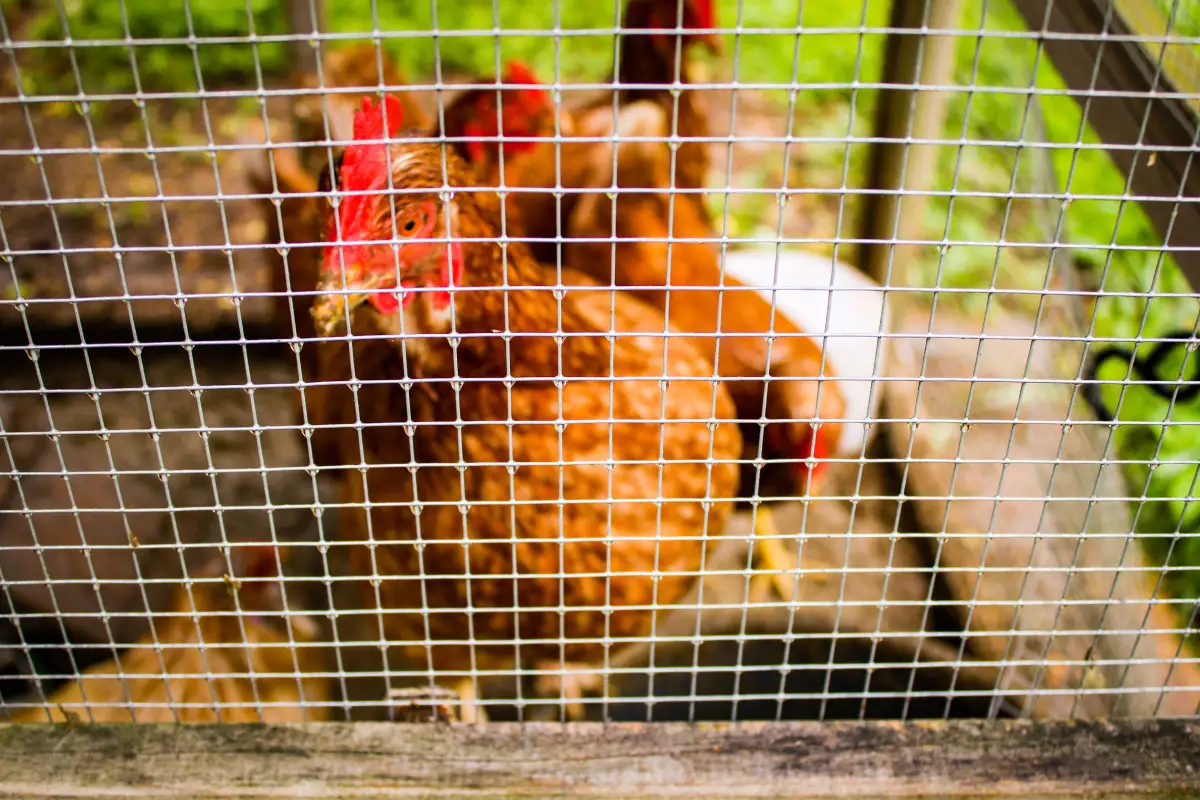
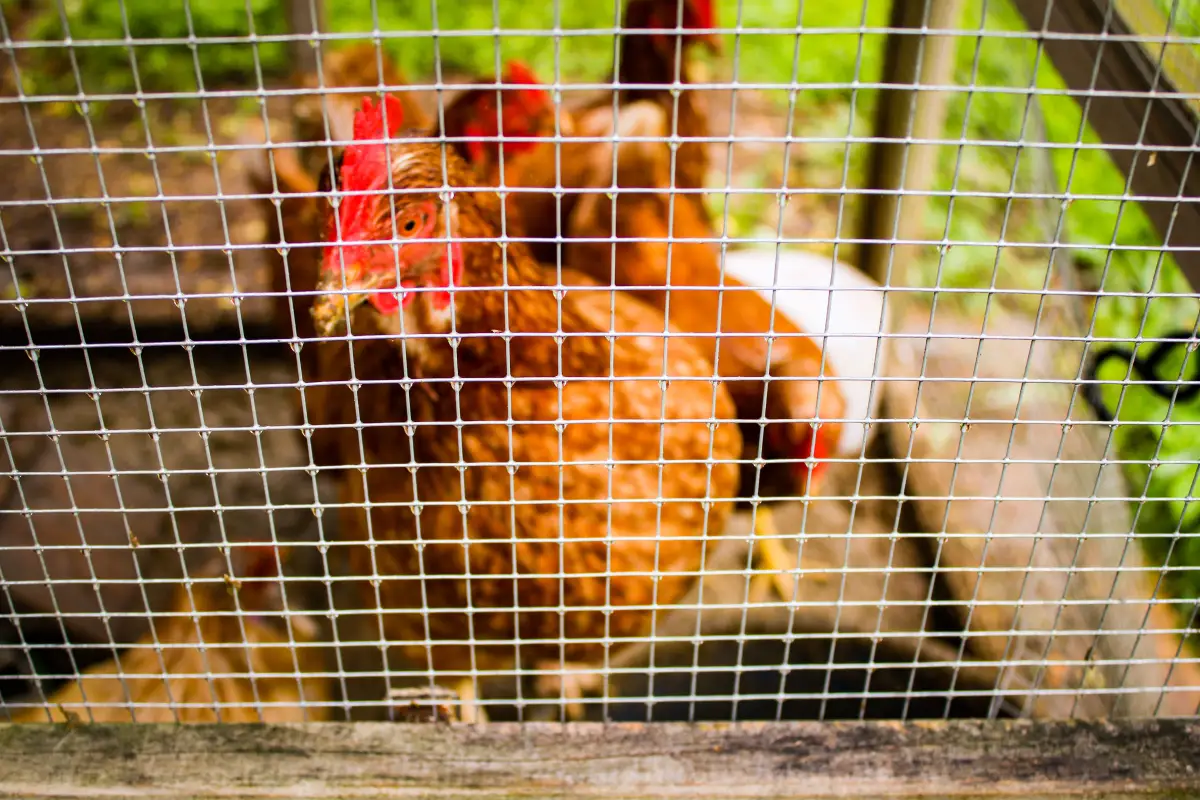
Hardware cloth that actually stops small predators follows USDA APHIS Wildlife Services standards. Learn why 6-inch fastener spacing, exterior mounting, and a buried apron matter.
DIY construction plans, predator-proofing, and design principles for chicken coops and runs.
Hardware cloth that actually stops small predators follows USDA APHIS Wildlife Services standards. Learn why 6-inch fastener spacing, exterior mounting, and a buried apron matter.
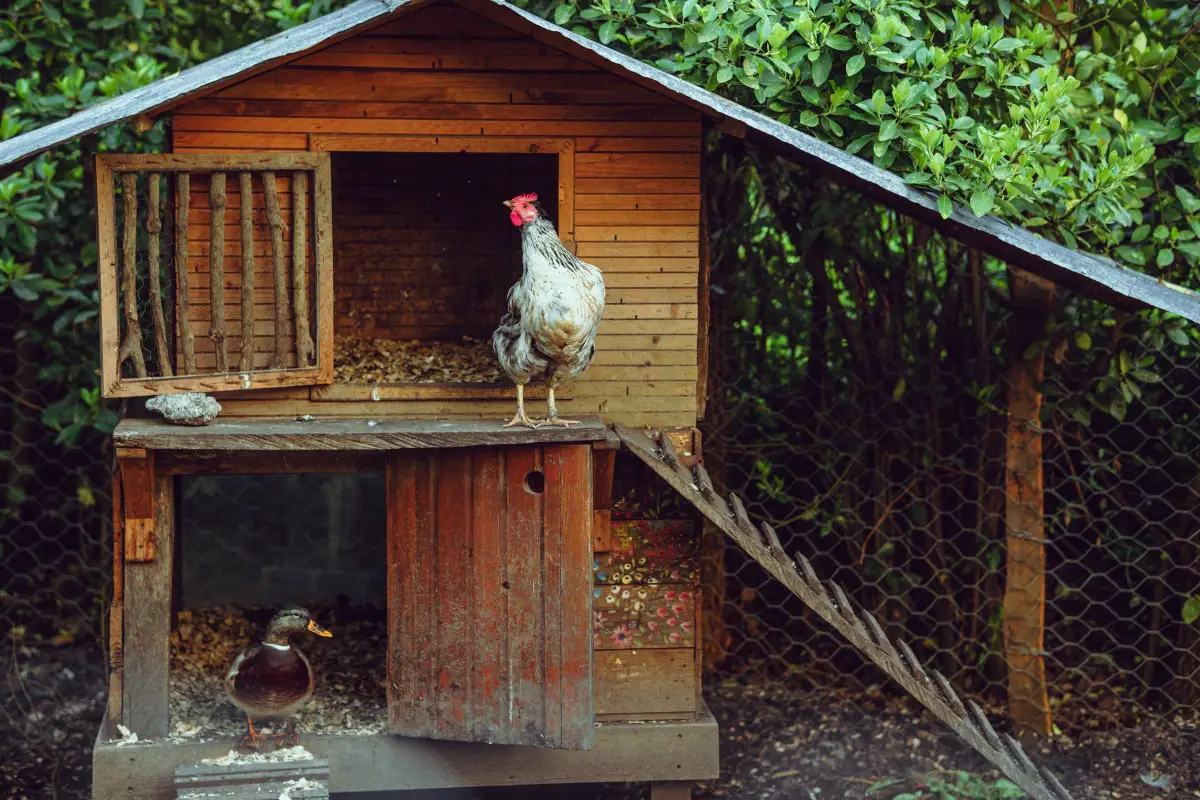
Complete DIY plans for a stationary 6x12 chicken run with a sloped shed roof. Includes pressure-treated lumber cut list, 1/2 hardware cloth attachment, and step-by-step framing instructions.
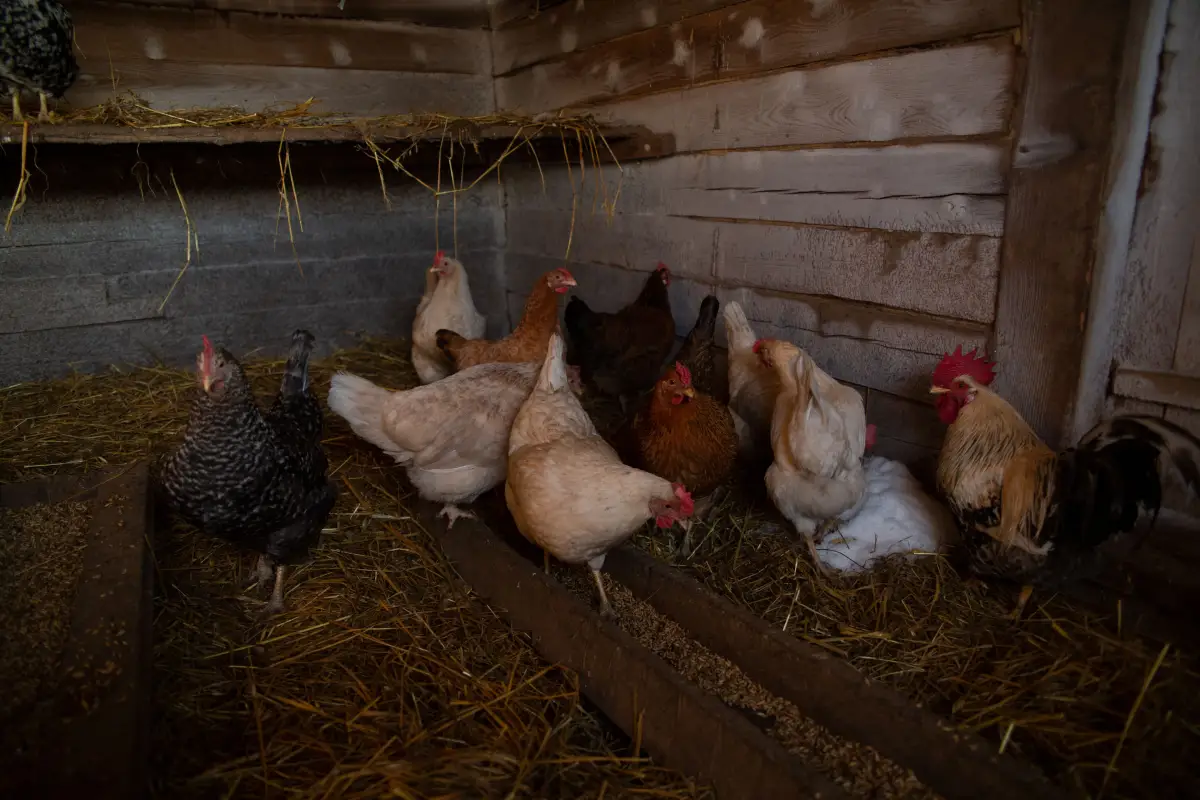
Airtight coops trap moisture, causing frostbite and a drop in laying. Use passive ventilation and deep litter to keep hens dry, warm, and productive all winter.
Skipping a $50 anti-dig apron can cost your flock. Build a layered defense with ½-inch mesh hardware cloth, a 12-inch apron, and overhead netting—raccoon-proofing backed by real specs.
Stop following generic blueprints. Learn how to design a chicken coop that matches your flock size, local weather, and yard — even if you've never built anything.
Chicken wire fails against raccoons and weasels because they reach through the openings or tear the thin mesh. Hardware cloth’s small gauge and strength solve both issues.
Predator-proofing a chicken coop means more than hardware cloth. Learn the buried apron and two-step latch protocol that stops foxes and raccoons for good.
A sealed coop traps moisture and causes frostbite and respiratory illness — not drafts. Learn the right ventilation design with ridge, soffit, and eave vents.
Weak latches are the most common coop vulnerability, but predators test every opening. Audit your floor, roof, and ventilation to stop the nightly raids.
Discover which chicken coop materials cooperative extension services recommend for rot resistance, bird safety, and long-life construction—and learn which to avoid.