The One Place Most Owners Forget to Check for Chicken Illness
Stop overlooking the two places respiratory disease and coccidiosis first appear. A step-by-step physical exam guide to checking your chicken's mouth and vent.
Quarantine procedures, vaccination timelines, and biosecurity measures to prevent illness.
Stop overlooking the two places respiratory disease and coccidiosis first appear. A step-by-step physical exam guide to checking your chicken's mouth and vent.
Vets spot sickness first by watching chickens during feeding, dust bathing, laying, and roosting. Learn how daily behavior reveals problems before physical symptoms show.
Spot sickness before it spreads. A 5-point visual assessment of posture, comb, feathers, feed, and droppings during morning release—with a daily checklist to catch changes early.
Extension agents prevent disease through a system of housing, nutrition, biosecurity, and observation—not just disease lists. Learn this integrated prevention method for a healthier backyard flock.
Pinpoint the exact ventilation flaw from ammonia, frostbite, or condensation symptoms. Simple retrofits using shutters, PVC elbows, and hardware cloth fix most problems without a rebuild.
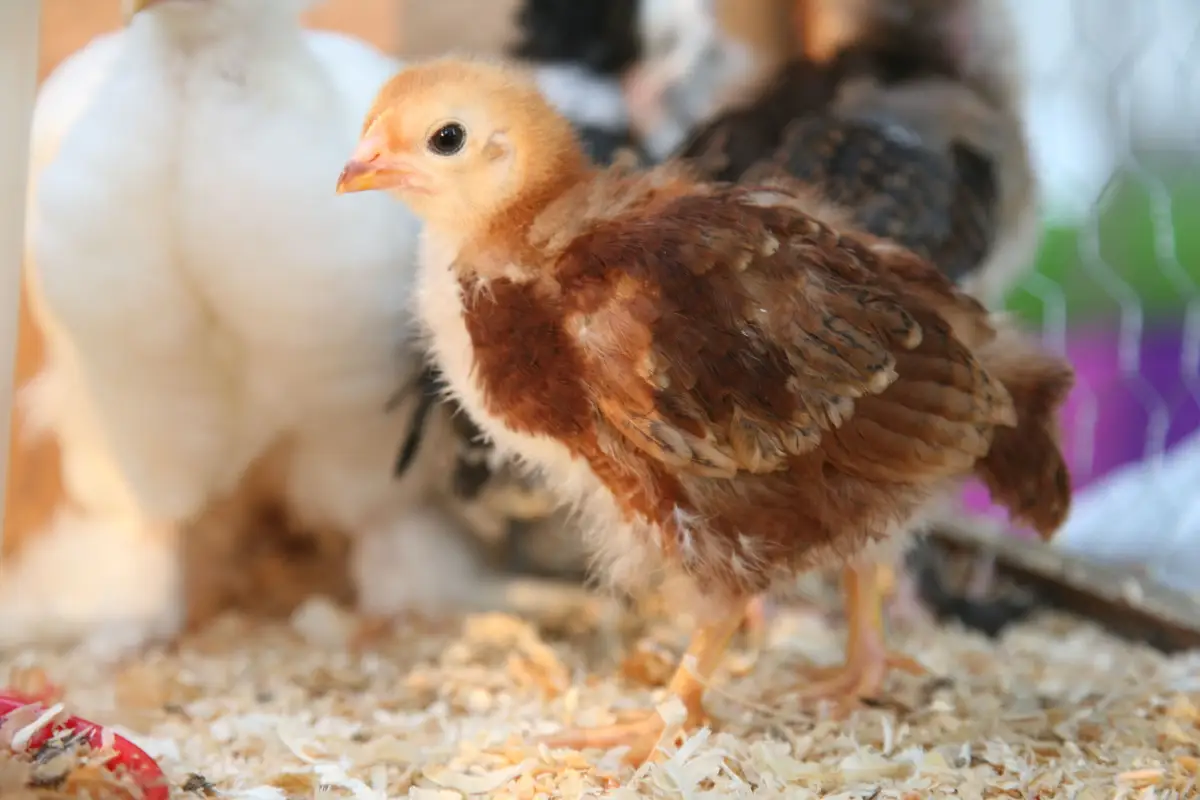
Frequent wet cleaning increases ammonia and coccidia risk in brooders. Learn the dry-litter method that keeps chicks healthy with less daily work.
A quick, evidence‑based weekly exam backed by extension protocols catches early signs of illness before they spread. Here’s the 7‑step checklist successful small‑flock keepers use.
A single skipped quarantine can introduce Marek's or mycoplasma and destroy your flock. Use this 30-day isolation checklist to stop disease before it starts.
Frostbite chicken triage: recognize early signs, control coop humidity, and decide between natural healing and amputation with this step-by-step first-aid protocol.
Extension vets teach that chicken health is a daily preventive ecosystem—not a medicine cabinet. Learn the biosecurity checklists, observation habits, and environmental management that keep flocks healthy without constant treatment.