The 10-Minute Morning Check That Catches Illness Early
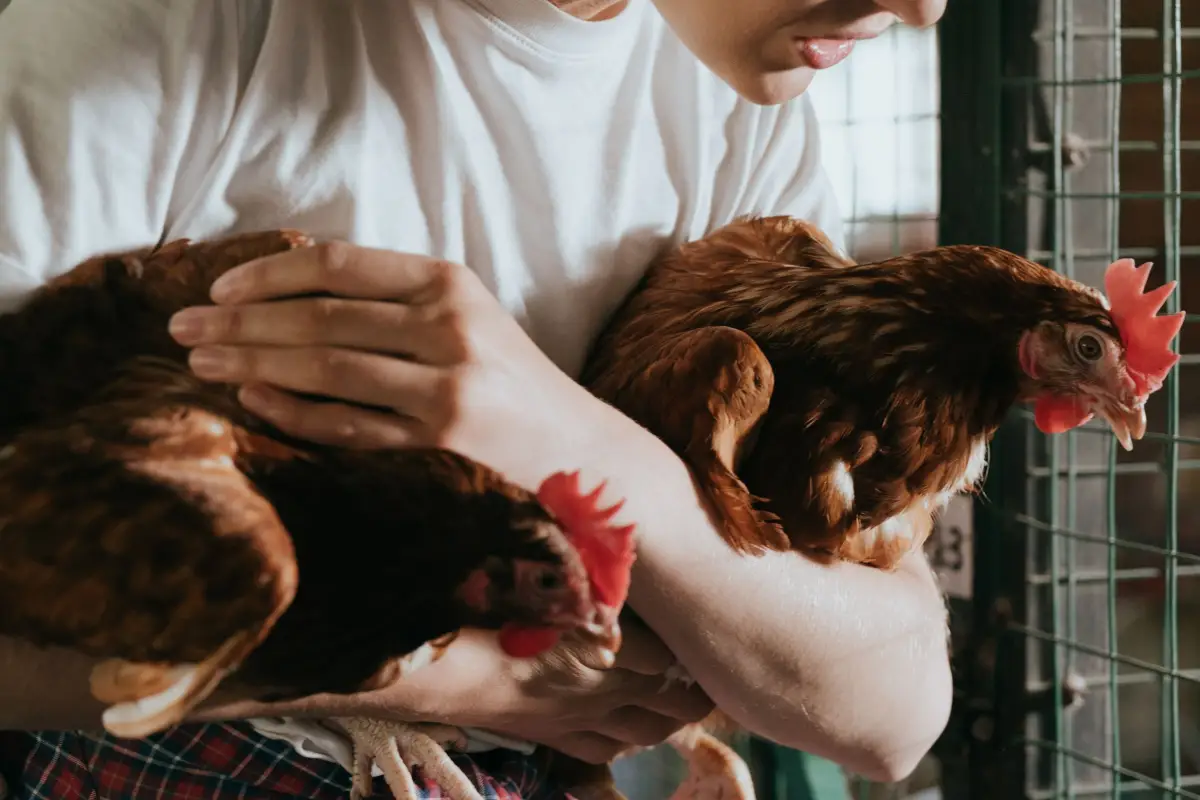
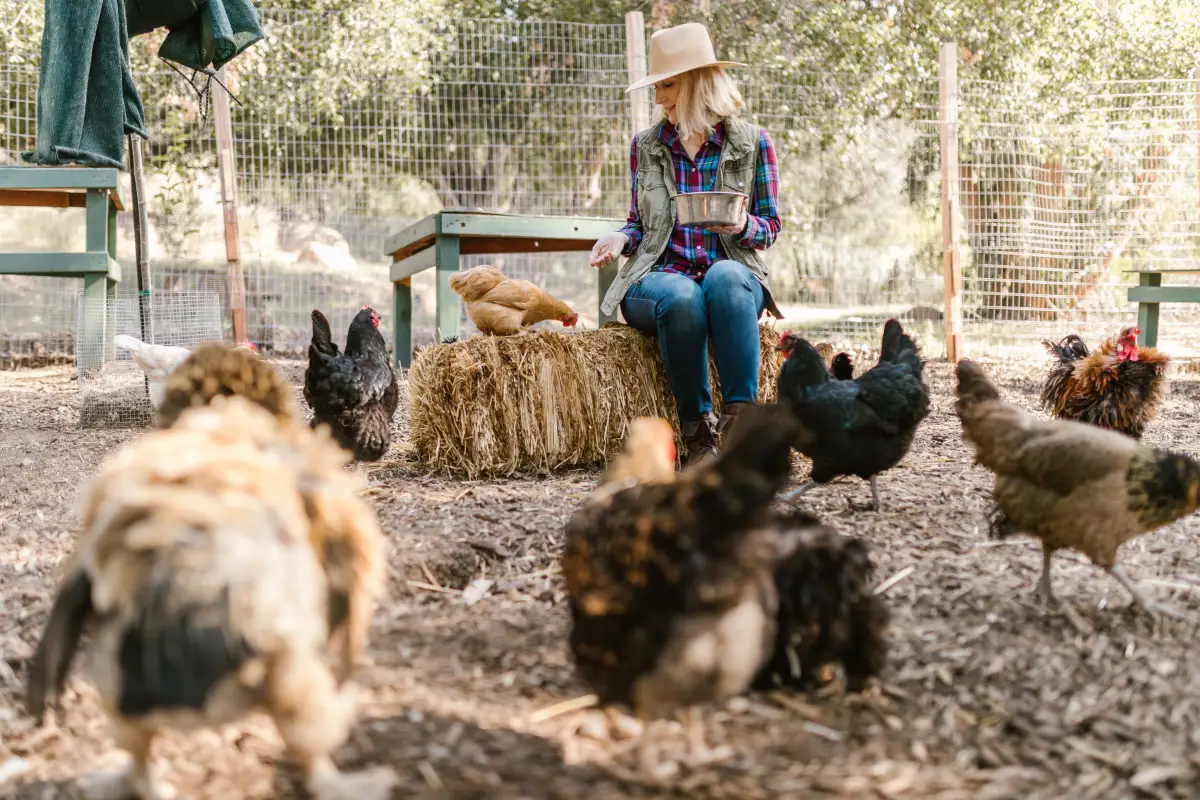
Spot sickness before it spreads. A 5-point visual assessment of posture, comb, feathers, feed, and droppings during morning release—with a daily checklist to catch changes early.
Disease prevention, parasite control, and biosecurity protocols for maintaining a healthy flock.
Spot sickness before it spreads. A 5-point visual assessment of posture, comb, feathers, feed, and droppings during morning release—with a daily checklist to catch changes early.
A single dusting for northern fowl mites fails because eggs hatch in 5–7 days. Learn the lifecycle calendar and the exact reapplication window that stops the reset.
Extension agents prevent disease through a system of housing, nutrition, biosecurity, and observation—not just disease lists. Learn this integrated prevention method for a healthier backyard flock.
Heat-tolerant breeds still collapse in heat if they carry hidden provocateurs. Diagnose subclinical coccidiosis, biofilm dehydration, or early respiratory infection.
Follow the same lifecycle-based treatment framework that extension agents use for chicken mites: environmental, mechanical, and chemical controls in escalating order—not product-label guesswork.
Pinpoint the exact ventilation flaw from ammonia, frostbite, or condensation symptoms. Simple retrofits using shutters, PVC elbows, and hardware cloth fix most problems without a rebuild.
Stop treating with the same class and breeding resistant mites. Use this comparison of permethrin and spinosad to pick the right tool without harming your flock or eggs.
Frequent wet cleaning increases ammonia and coccidia risk in brooders. Learn the dry-litter method that keeps chicks healthy with less daily work.
That pale comb edge might not be a peck wound. Learn how to spot early frostbite in chickens, distinguish it from favus or injury, and apply a safe home care routine that won’t make damage worse.
A quick, evidence‑based weekly exam backed by extension protocols catches early signs of illness before they spread. Here’s the 7‑step checklist successful small‑flock keepers use.