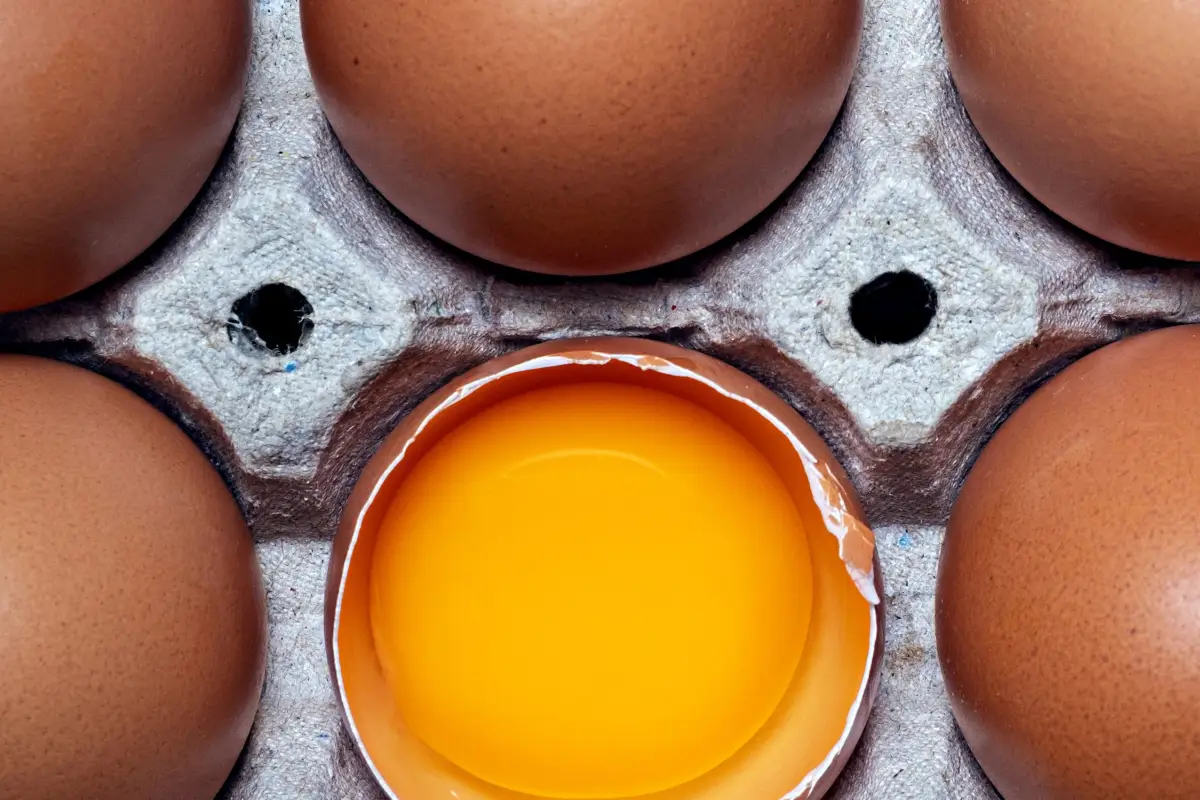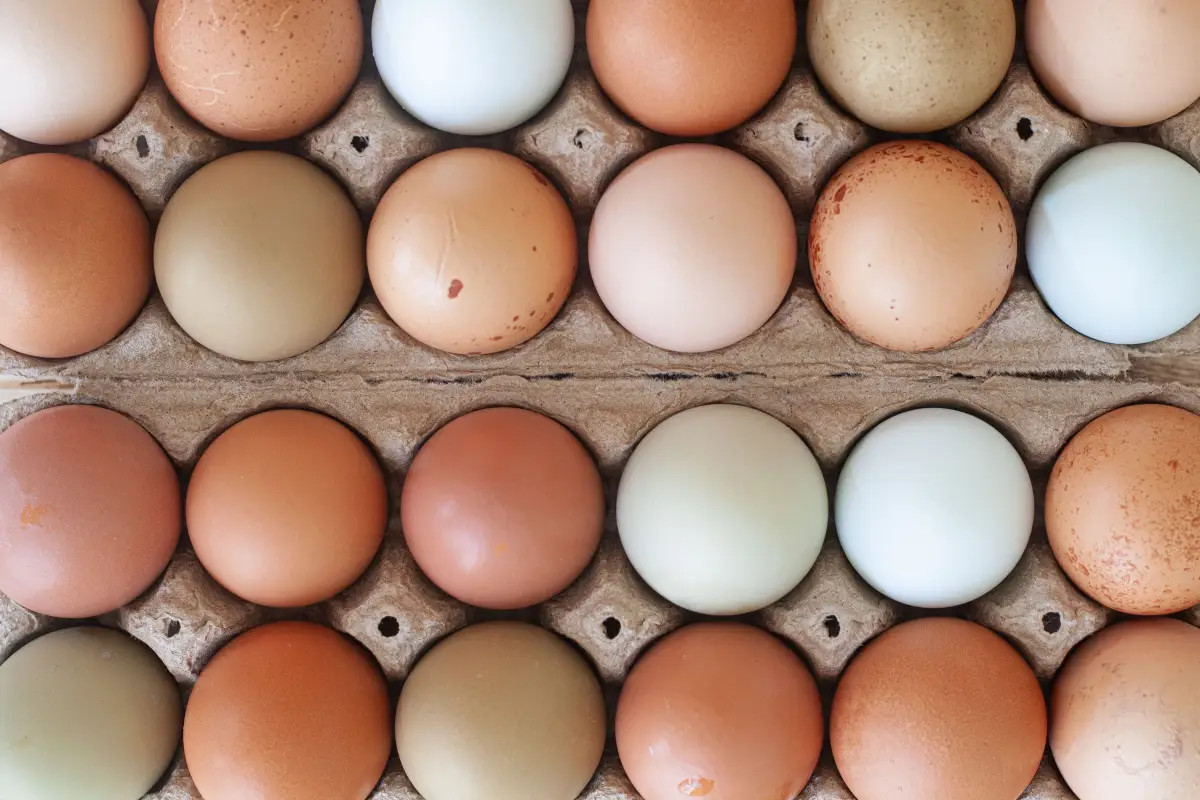
Why Brown Eggs Aren't More Nutritious (and Other Color Myths)
Brown eggs aren’t more nutritious than white eggs. USDA grading and carotenoid research show yolk color, not shell color, is what counts. Get the facts.
Feeding for shell strength, yolk color, and overall egg quality; troubleshooting odd eggs through nutrition.
Brown eggs aren’t more nutritious than white eggs. USDA grading and carotenoid research show yolk color, not shell color, is what counts. Get the facts.
Avoid losing eggs to common feeding errors like whole corn, early oyster shell, and too much scratch. See the best layer feeds, calcium supplements, and all‑flock rations to restore production.
Standard layer feed starves dual-purpose breeds of the protein they need—costing meat tenderness and eggshell strength. A small feed adjustment fixes both.
Thin shells, pale yolks, off-flavors? Most egg flaws trace to calcium timing or omega-3 gaps—not disease. Get a phased supplement plan for healthier eggs.
Stop treating corn as a heater. Discover why corn actually weakens winter egg production and how to build a science-based cold-weather feeding protocol for laying hens.
Switch feed at the right time—starter, grower, pre‑layer, layer—to build shell strength and laying longevity. A stage‑by‑stage framework for backyard keepers.
Thin shells, soft eggs, or spongy keel bones? Use these diagnostic steps to confirm calcium deficiency in your flock and prevent over-supplementation.
Instead of ranking brands, this guide uses county extension principles to evaluate layer feed: match protein to flock age, calcium to shell strength, and form to feeding behavior.
Match feed to your flock’s production goals and environment with this extension-informed decision tree. Stop guessing—feed your chickens right for eggs, growth, and health.
Fine limestone dissolves fast; coarse oyster shell sustains calcium overnight. Learn how solubility and particle size determine shell quality and how to fix thin eggshells.