3 Breeds That Lay Over 300 Eggs a Year (And the Trade‑Offs)
Leghorn, Rhode Island Red, and Australorp can deliver 300 eggs a year, but the trade-offs in feed, space, and behavior are steep. See what each breed really costs before you buy.
Choosing the right breed based on space, climate, noise, egg color, and dual-purpose goals.
Leghorn, Rhode Island Red, and Australorp can deliver 300 eggs a year, but the trade-offs in feed, space, and behavior are steep. See what each breed really costs before you buy.
Before you browse chicken breeds, calculate your usable run space. A matrix of noise, egg color, and climate tolerance shortlists breeds that actually fit small yards.
Quiet chickens can work for suburban beginners, but “friendly” breeds often surprise with loud egg cackles. Here’s what USDA extension behavior notes reveal about real noise levels.
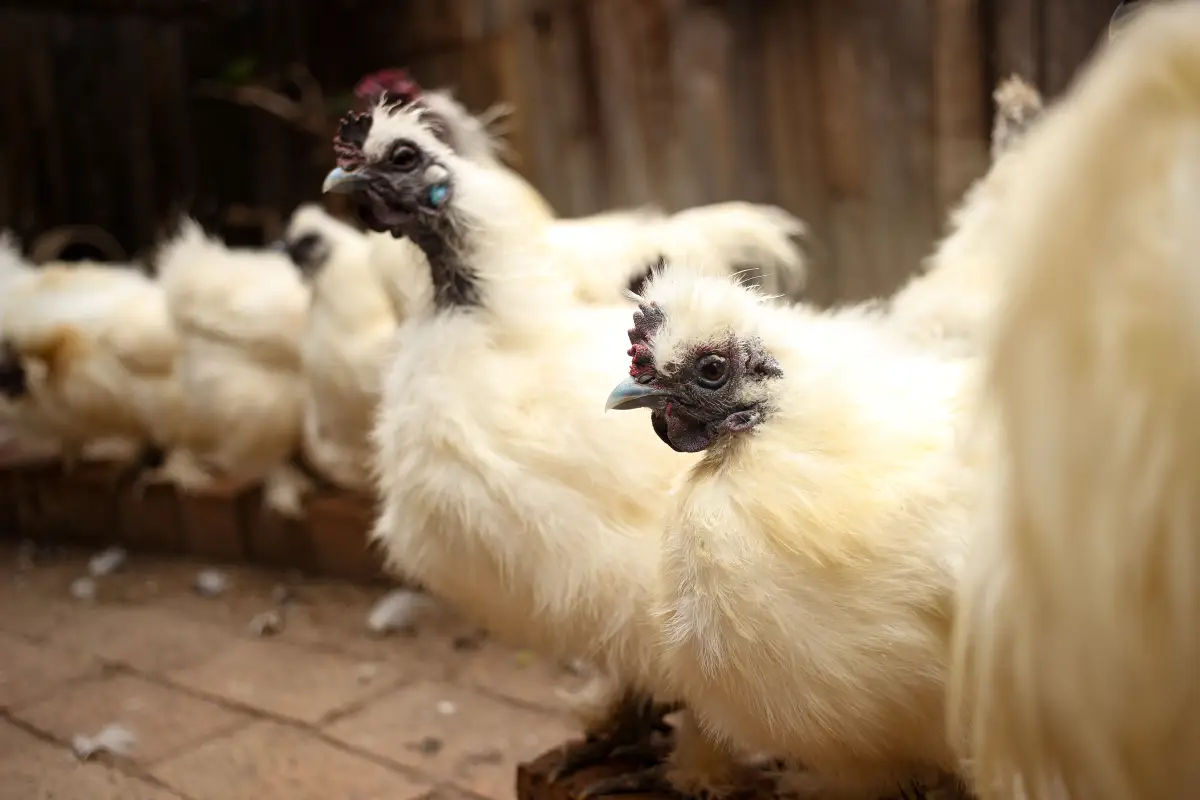
Silkies, bantam Cochins, and bantam Orpingtons are the quietest chickens for small yards. See noise levels, flight risk, and exact coop space per bird.
Select the right dual-purpose chicken breed for your homestead using a four-factor matrix: space, climate, egg color, and meat finish. No generic breed lists.
Match chicken breeds to your space, climate, egg goals, and noise limits with this step-by-step guide. Includes breed shortlist and daily management for steady eggs.
Match chicken breeds to your cold climate and homestead constraints using a decision matrix of comb type, body mass, feather density, and origin. Prioritized for USDA zones 3–5.
A hen's comb size doesn't guarantee heat tolerance. Learn how feather coverage and body mass interact with comb surface area — and the one trait most keepers misread.
Stop guessing which breed is quiet. Use the five-variable framework extension offices recommend to predict and manage flock noise before you buy a single bird.
Eggshell color is strictly a genetic trait, not a sign of nutrition or hen health. Learn how a Punnett square predicts brown, blue, green, and white eggs.