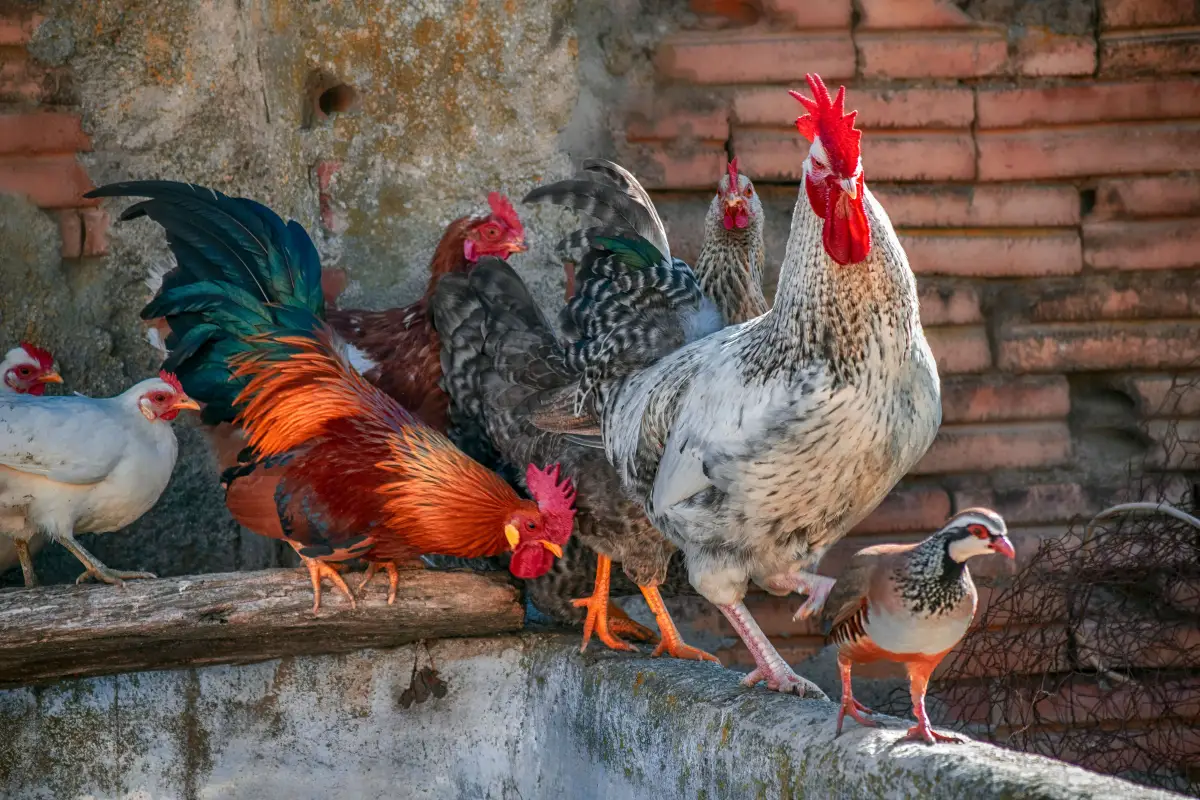
Pecking Order Myths: The Real Way Chickens Build Their Hierarchy
Chicken pecking order isn't a rigid ladder. Use observation-based timing and environmental management to integrate new birds without fights, injury, or chronic stress.
Daily and seasonal care routines, egg handling, behavior, and predator deterrence strategies.
Chicken pecking order isn't a rigid ladder. Use observation-based timing and environmental management to integrate new birds without fights, injury, or chronic stress.
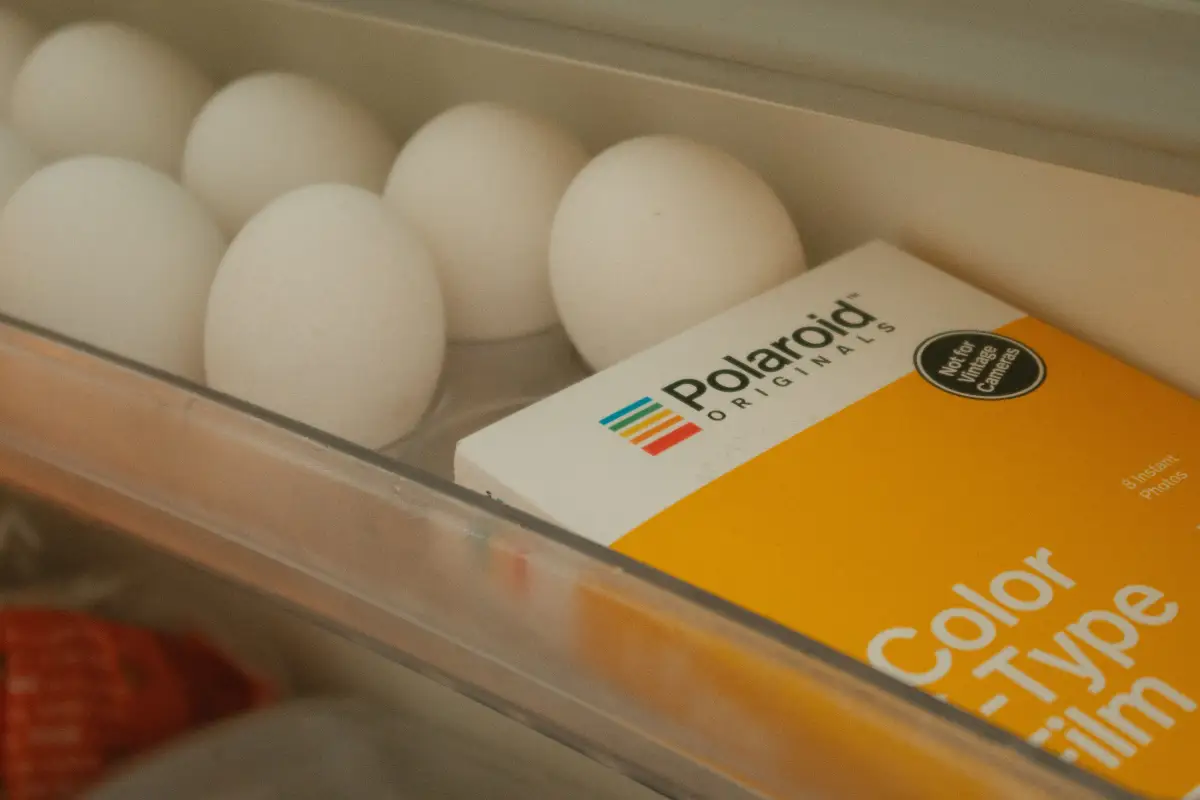
See how unwashed farm eggs compare: room temperature storage up to 21 days versus refrigerated storage for 90 days, with real extension data and safety guidance.
Geese, livestock guardian dogs, or guinea fowl for your flock? Compare noise, space, and daily work for small backyards — so you pick the one that actually fits.
Stop feather pecking by adding perch diversity, dust-bathing pits, and hanging forage—backed by poultry behavior science. Real fixes that calm your flock.
Corn-heavy scratch raises a chicken's internal heat in summer. Learn the grain swap and cool-hour feeding protocol that keeps flocks safe when temperatures climb.
Stop chicken egg eating and feather pecking permanently. Diagnose root causes like space, protein, or nest design with this step-by-step environmental flow — not band-aid treatments.
Use water volume, black rubber tubs, solar gain, and saltwater bottles to delay chicken water freezing at 20°F — no electricity needed. Learn the passive design that works.
Match your hen's exact symptom—soft shells, no eggs, egg eating, or lash eggs—to the most likely cause and fix it with coop changes, not vet visits. A practical flowchart approach.
Predators enter through overlooked roof-wall gaps and shallow aprons, not torn wire. Here’s a layered defense that closes every entry point, from mesh specs to electric fencing.
Use a decision-tree troubleshooting method to identify the bully breed disrupting your mixed flock, then restore calm with evidence-based management and breed selection.