Match Breeds to Your Yard's Coldest Week and Hottest Afternoon
Choose the breed by the two weeks that actually break chickens in your yard, not by the average: the coldest snap and the hottest afternoon. Read those two weeks first, then work backward to comb shape and size, body mass, and how the feathers sit on the frame, because in a small unheated coop those are the same traits doing opposite jobs. A large single comb on a light, hard-feathered frame is the best bird in the yard in July and the worst one in January. A rose or pea comb on a heavy, soft-feathered body is the mirror image. The question is not which breed is hardy. It is which of your two weeks you are willing to lose.
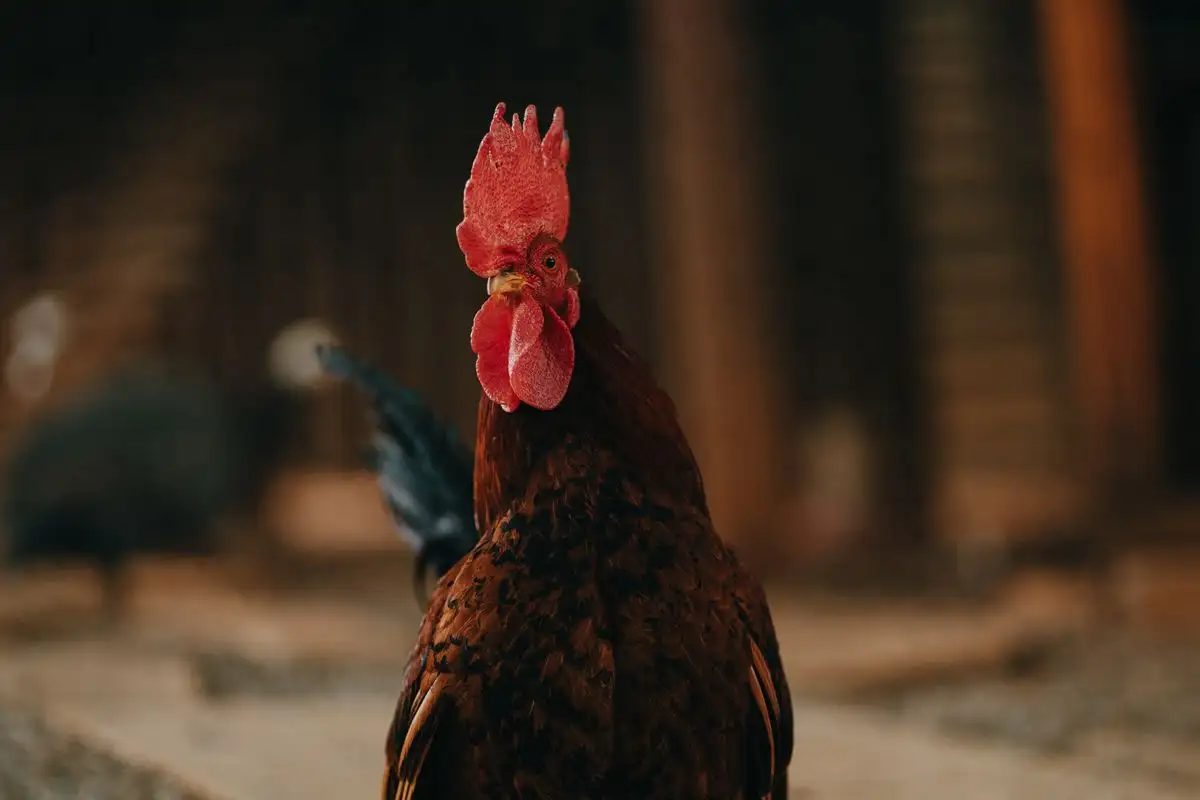
I am at the coop door at twenty to seven on a January morning, and you are standing next to me holding the second headlamp while I work a padlock that is cold enough to burn through a glove. The yard has gone quiet the way it does in a hard freeze: no wind, no drip off the roof, snow squeaking under boots. Inside, eight hens are on the roost, each one on a single leg with her head tucked, and the rooster is at the high end with his comb catching my beam like a piece of red glass.
That comb is the whole argument. It is the only part of a chicken with nothing over it.
The comb is surface area
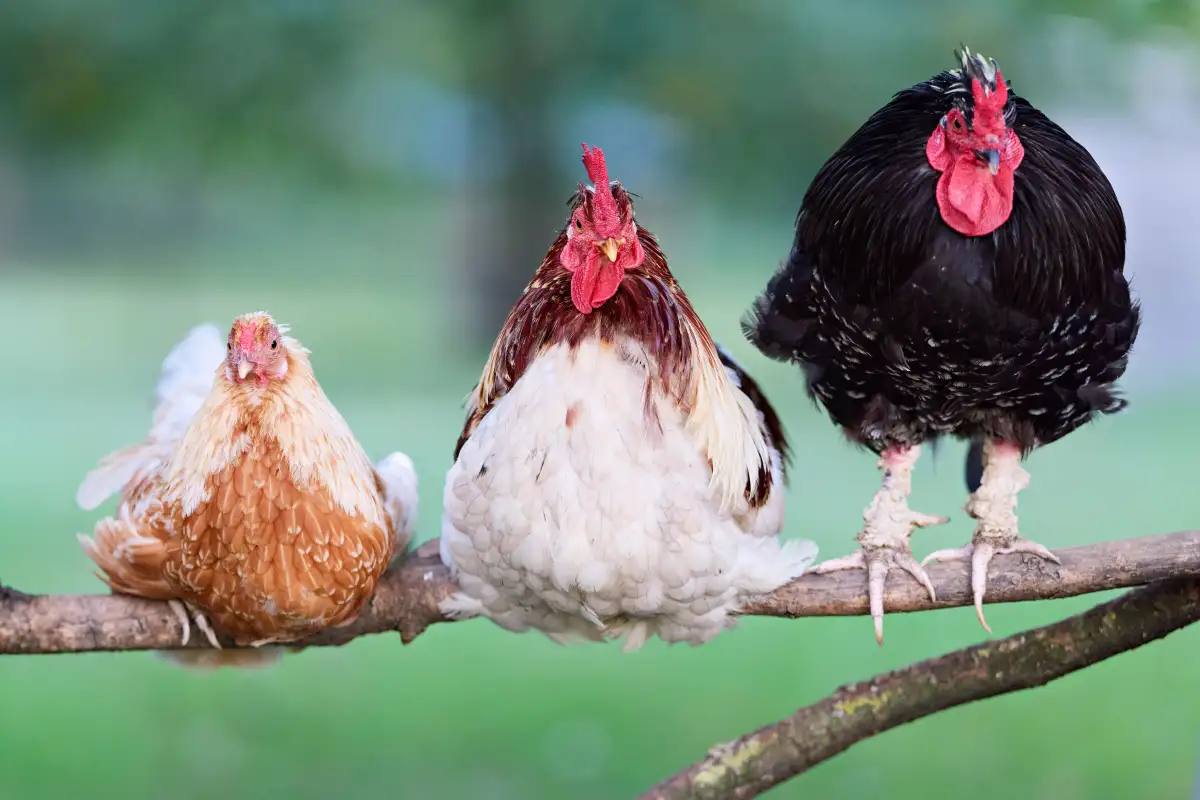
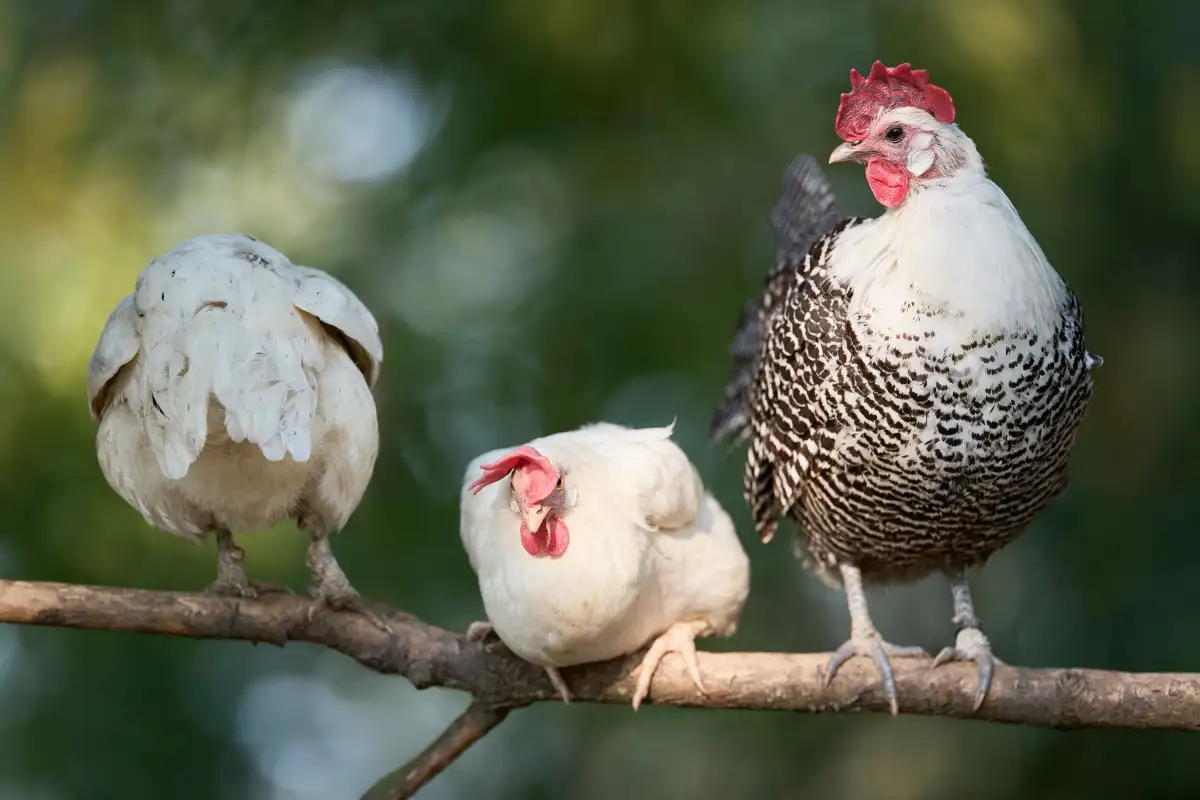
A single comb is a tall, thin blade of tissue standing off the skull. On a Leghorn rooster it is large and floppy, and in July it is a cooling fin. It is also a lot of exposed tissue on the coldest night of the year. That is why large-single-comb breeds are everywhere in hot, humid southern yards and uncommon where January bites. The Mediterranean class runs big combs and light frames across the board: Leghorn, Minorca, Andalusian, Ancona, plus the Egyptian Fayoumi.
The cold-linked shapes are the low ones. Wyandotte, Dominique, and Hamburg carry a rose comb, flattened and sitting tight to the skull with almost no profile. Ameraucana, Easter Egger, Brahma, Buckeye, and Araucana carry a pea comb, three low ridges barely above the head. The Chantecler carries a cushion comb and was built on the Canadian prairies. Walnut in the Silkie, V-comb in the La Fleche, horn comb in the Houdan.
The rule I use is blunt: anything standing up above the beak is surface area that your yard's worst week gets to work on. Small comb, small exposure. Large comb, a window you cannot close in January and cannot close in July either, which is the whole point of it.
Comb shape is one variable, though, and it is not always the loudest. The Silkie is the proof. Walnut comb, tiny, and in a wet cold snap one of the worst birds I have kept. Silkie plumage has no barbicels, the little hooks that knit a feather's barbs together, so the feathers do not shed water and do not hold loft. The comb is fine. The rest of the bird is not. Never buy a breed off the comb alone.
Hard feather, soft feather, one axis
Every breed sits somewhere along a single line, and both ends of that line matter more than any individual trait.
At the Leghorn end: light frame, narrow body, hard feather. Tight, glossy, lying close to the skin. There is very little dead air trapped between the feather coat and the body, and dead air is insulation. On a hot afternoon that bird walks the fence line like nothing is happening while the heavy birds are down in the dust with their wings held away from their bodies.
At the Orpington end: heavy frame, broad body, soft feather. Long, loose, fluffy plumage that stands away from the frame. A Cochin or a Brahma looks a third bigger than it is because most of what you are seeing is air. That air is a superb January coat. In July it is a coat the bird cannot take off. On a ninety-five degree afternoon a Cochin looks like something that has been left in a parked car.
This is where a lot of breed charts go wrong. Cold hardy and heat tolerant get listed as two separate qualities, as though you could shop for both. They are two names for one trade-off. Feather density, body mass, and comb size are a single system. Push any of them toward January and you push July the other way by the same amount.
Which leaves the middle. Australorp, Rhode Island Red, Plymouth Rock, Wyandotte, Buckeye, Chantecler, Bielefelder, New Hampshire. Medium comb, medium body, medium feathering, and in a Wyandotte or a Buckeye you also get a rose or pea comb as a free upgrade on the cold end. None of them is the best at anything. All of them are adequate at both, and adequate is a real category. In a small backyard coop it is often the correct answer.
If you want the extreme on the heat end, the Naked Neck is the honest version of it: fewer feathers covering the body, single comb, and a bird that handles a Gulf Coast August better than almost anything soft-feathered.
What a small coop changes about the math
A small unheated coop is not a small barn. It is a different machine.
A big building has thermal mass and volume. Thick walls, a lot of air, a dirt floor, and the inside temperature lags the outside so that a cold night gets its edges rounded off. A four-by-six or an eight-by-eight backyard coop has almost none of that. Thin walls, small volume, fast air exchange. The interior tracks outdoor air closely, and on a July afternoon with sun on the roof, the inside can run hotter than the shade under your oak tree.
Birds do put heat into the box. Eight hens on a roost in a small coop will hold the interior above the outdoor low by a few degrees, and that is real. But the difference between three hens and eight hens in the same small coop is a handful of degrees, not a different climate. Flock size can nudge your coop's worst hour. It cannot cover a breed mismatch.
Flock size changes the coop in a second way too. More bodies in the same box means the birds occupy more of the air, and the ventilation has to turn over more of it. That is a coop design question rather than a breed question, but it belongs in this decision, because it sets how close the inside of your coop gets to the outdoor low. High vents above the roost line, air moving over the birds rather than across them. You are not trying to heat anything. You are trying to keep the interior honest, so that the temperature your breed has to live in is the temperature your yard actually delivers.
Now the other week
Same yard, early August, four in the afternoon, and you are standing at the gate with me in the narrow strip of shade along the fence.
You can read the flock from thirty feet. The Brahmas and the Orpingtons are down in the dust in the deepest shade, wings held away from the body, beaks open. The Cochin has been in the same spot for an hour and has not moved except to shift position. The Leghorn cross is up and walking the fence line as if it were a mild day. The roost is empty, because no bird in full feather wants to be up under a hot roof at four in the afternoon.
It is the exact reverse of the January picture. In January they were high on the roost, packed toward the warm end, standing on one leg. In August they are low, spread out, on the ground, working the coolest side of the structure. Same birds, opposite behavior, and the behavior is the readout. You do not need a thermometer in the coop to know which end of the axis your flock is living on.
Reading your own two weeks before you buy anything
Get two numbers, and be honest about which one is worse.
Coldest week: the typical overnight low across the coldest five to seven days, and whether that cold arrives dry or wet. A dry ten-degree night and a thirty-degree night with freezing rain are not the same night for a bird. Hottest afternoon: the high plus the humidity. Ninety-five dry and ninety-two humid are not the same afternoon for an animal wearing a feather coat.
Most yards in the United States have one week that is a genuine constraint and one that is merely unpleasant. Pick the breed for the constraint and let the other week be uncomfortable. If your winter is a real northern winter and your summer tops out in the upper eighties, you are shopping on the cold end of the axis, and you should take the rose comb and the heavy body without apology. If you are in the Gulf South, reverse it: single comb, light frame, hard feather, and stop worrying about the two cold nights in February.
Mixed flocks complicate this in a way people do not expect. The coop is one temperature. A heat-hardy Leghorn does not get a cooler corner of the same coop than the Orpington does, unless the coop genuinely has a cool corner, which most small boxes do not. What you can do with a mixed flock is give the whole flock a run with real shade and let the birds sort themselves, which they will do every afternoon without being asked.
Feet, mud, and the trait that is about your ground
Feather-footed breeds, Brahma, Cochin, Faverolles, Langshan, Houdan, Silkie, get sold on the cold story, and in dry powder cold they earn it. Extra fluff over the toes and shanks is more insulation, and on a still ten-degree morning those birds look noticeably unbothered.
In wet cold they do not. Foot feathers collect slush, ball up, and stay wet for hours. Watch a Cochin cross a January thaw and it walks like it is on gravel, picking each foot up and setting it down carefully, dragging mud clumps into the nest box behind it. The clean-legged birds, Leghorn, Wyandotte, Australorp, shake it off and keep scratching.
So the answer depends on your ground rather than your air. Frozen solid and dry from November to March, and feather feet are close to free. Pacific Northwest, mid-Atlantic, Ohio Valley freeze-thaw, and feather feet are an annual cost that has nothing to do with temperature.
Deciding at the door
Back to the January morning. The padlock finally gives, the door swings, and the hens come off the roost in that slow, reluctant way they do when the ground is cold. The rooster comes last, and his comb is the first thing I look at, because his comb is the first thing the weather looks at.
What I buy against is a two-column note in my phone. Left column, coldest week. Right column, hottest afternoon. A breed that is wrong for the left column has to be worth it on the right, and if it is not, it does not come home. Everything else, the vents, the orientation of the coop, the roost height, is a design conversation I can have later and change. The breed is the part you decide once, and the part your birds live inside of every day of the year.