Why Hardware Cloth Stops Predators That Chicken Wire Won't
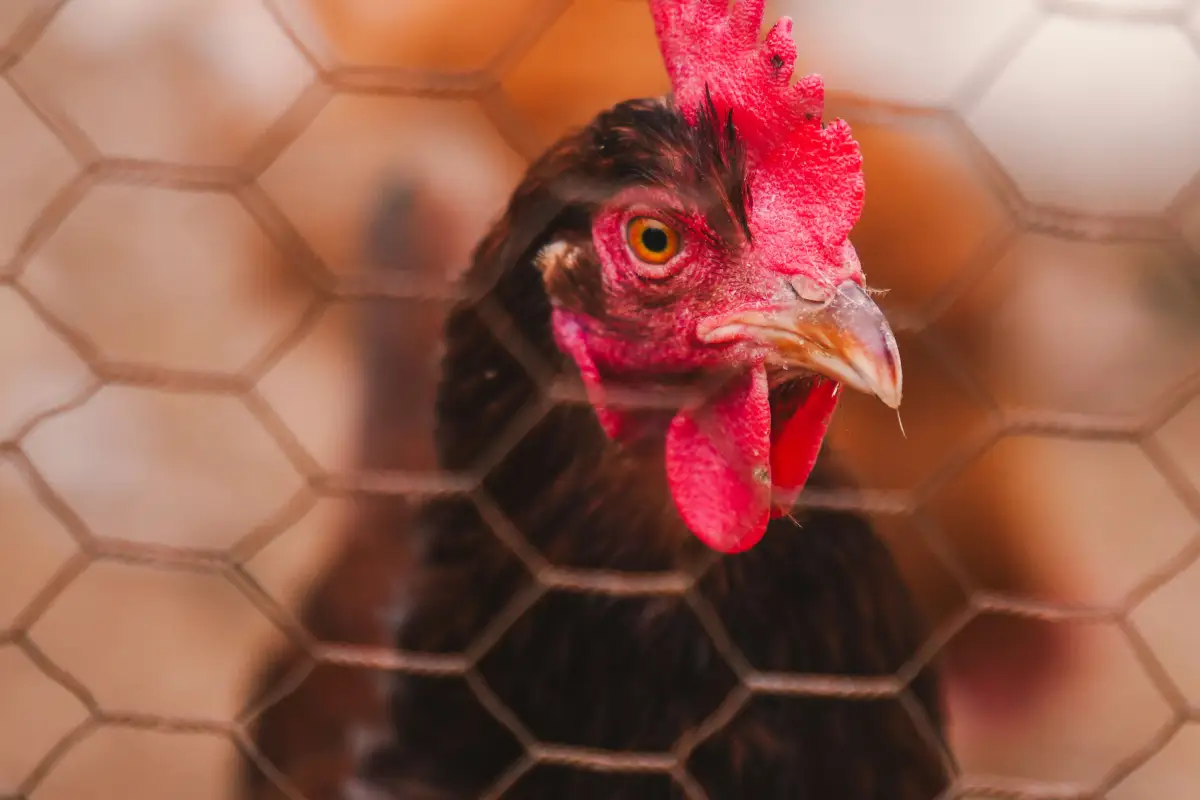
A flock keeper searching for why hardware cloth stops predators discovers the answer in two mechanical facts: chicken wire’s 1-inch hexagonal openings let a raccoon reach through and grab a bird, and its thin twisted joints tear open under repeated stress. Weasels enter through those same openings without resistance. Hardware cloth — with half-inch or quarter-inch welded mesh and 19-gauge steel — physically blocks the paw and prevents the tear. That difference is not subtle; it shows up in the first night a raccoon tests the run.
The Verdict: Use Hardware Cloth Where Predators Exist
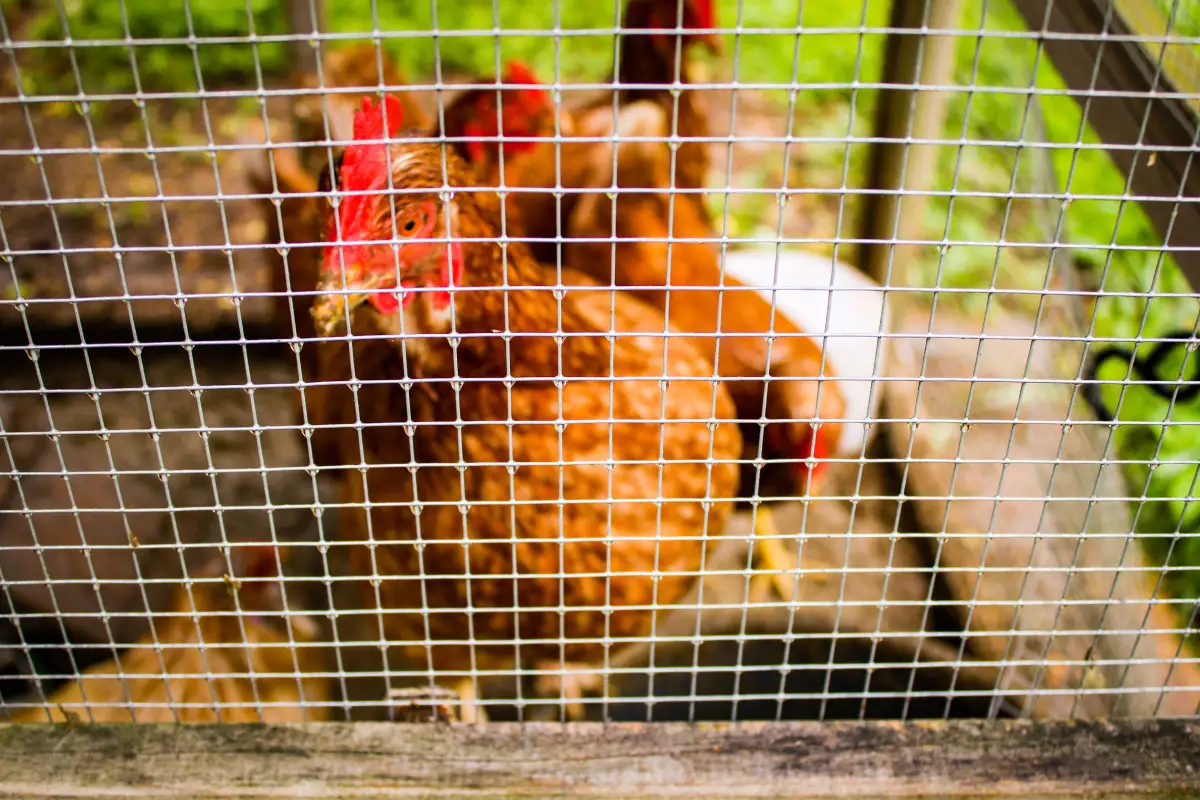
For any location where raccoons, weasels, dogs, or coyotes are present, hardware cloth is the only material that stops reach, squeeze, and tear attacks. Chicken wire can hold chickens within a boundary during daylight hours in a predator-absent setting, but it is not a defense layer. The following table makes the performance gap explicit.
How the Two Materials Compare on Predator-Relevant Criteria
| Criterion | Hardware Cloth | Chicken Wire |
|---|---|---|
| Typical mesh opening | ½" × ½" or ¼" × ¼" welded squares | 1" hexagonal twists |
| Wire diameter | 19 gauge (0.041") and heavier | 20–22 gauge (0.034"–0.028") |
| How raccoons defeat it | Cannot reach through; paw blocked | Reaches through and pulls chickens apart |
| How weasels defeat it | ¼" stops all weasels; ½" stops most | Pass through 1" openings without effort |
| Tear resistance | Welded joints hold under repeated stress | Twisted joints separate, wire rips |
| Best application | Permanent predator exclusion on runs and coops | Short-term day pens, garden barriers |
How Chicken Wire Fails Against Specific Predators
The Raccoon Reach
A raccoon inserts its arm through a 1-inch hex and latches onto a chicken’s leg or neck. It then pulls the bird tight against the wire, causing fatal injuries. The thin wire frequently deforms under that force, enlarging the opening and allowing the raccoon to pull parts of the carcass through. This predation sequence is documented in backyard settings across North America.
Weasel Passage
Weasels need an opening no larger than 1 inch to enter. Chicken wire provides a uniform grid of entry points. Unlike raccoons, weasels do not need to take the wire down; they simply slip inside, kill multiple birds, and leave. Because the mesh offers zero resistance to their body shape, double-layering chicken wire does not close the aperture enough to stop them.
Tear and Chew Failure
Dogs, coyotes, and persistent raccoons break chicken wire by biting or shaking. The twisted hexagonal structure unravels at the junctions under sustained pressure. In trials, a medium-sized dog can open a hole in standard chicken wire in under 30 seconds.
Corrosion Rate
Chicken wire’s thin galvanizing fails rapidly in contact with damp soil or manure. Once rust begins, the wire loses up to 40% of its tensile strength within a few seasons, making it even easier for a predator to breach.
How Hardware Cloth Prevents Those Same Attacks
Reach-Proof Mesh
The half-inch square blocks a raccoon’s paw after the knuckles. Even if a raccoon presses its nose against the run, it cannot get a grip on a bird on the other side. Field observations confirm that raccoons typically abandon an area after repeated failures at a hardware cloth barrier.
Weasel and Small Predator Barrier
Quarter-inch hardware cloth stops all weasel species, regardless of size. Half-inch mesh will stop the larger long-tailed weasel but can allow the smallest least weasel through if it is immature. In regions with high weasel pressure, ¼-inch mesh removes the variable. The same mesh also excludes rats and snakes that transmit pathogens or prey on eggs.
Impact and Chew Resistance
Welded steel intersections hold when a dog chews. The mesh deforms locally but does not separate into an opening. This property results from the welding process that fuses the wires at each joint, unlike the twisted mechanical bond of chicken wire. A coyote may bend the wire but will not tear a breach without tools.
Longevity Under Field Conditions
Heavily galvanized hardware cloth used in runs and buried aprons routinely lasts 15–20 years before replacement. The thicker zinc coating withstands moisture and acidic soil better than chicken wire’s thin coating. The material pays for itself multiple times over in avoided predator loss and replacement labor.
Direct Comparison of the Criteria That Affect Predator Survival
1. Reach Prevention
Raccoons require mesh small enough to block the paw. Half-inch hardware cloth passes this test; 1-inch chicken wire fails it completely. This criterion alone decides the choice for most backyard setups.
2. Weasel Exclusion
Weasels need wire with openings no larger than their body width. Quarter-inch hardware cloth provides a certain barrier. Chicken wire cannot exclude any weasel species.
3. Structural Integrity Under Attack
Welded 19-gauge hardware cloth resists tearing from dogs and coyotes in ways that chicken wire cannot. A tearing dog may leave tooth marks but no opening large enough to enter. This makes hardware cloth the effective material for runs in areas with free-ranging dogs or coyote pressure.
4. Service Life and Corrosion
In a wet, soil-contact environment, hardware cloth outlasts chicken wire by a factor of four or more before rust compromises strength. For buried aprons, the difference is stark.
5. Cost Over the Coop’s Lifetime
Hardware cloth costs approximately three times more per square foot at purchase. But when a single raccoon attack can eliminate a flock worth several hundred dollars and destroy a breeding program, the upfront premium is negligible. Over 10 years, hardware cloth’s replacement cost trendlines are lower.
Which Material Fits Your Situation
Match the material to the known predator load:
- Nocturnal-only containment with secure coop: Chicken wire can serve as a day fence if no predators are present, but it remains a vulnerable barrier that a single wandering raccoon can defeat.
- Suburban run with raccoons and opossums visible at night: Half-inch hardware cloth on walls and doors, with an 18-inch outward apron buried at least 6 inches deep, stops the most common attackers.
- Rural property with weasels, snakes, and occasional stray dogs: Quarter-inch hardware cloth on all vertical surfaces, sealed with wood strips at seams, and a 24-inch apron give exclusion at the level needed.
- Coop only with integrated run: Use hardware cloth on every opening, including windows and vents, with ¼-inch mesh if any small predator has ever been sighted.
Understanding the Price Difference in Real Terms
A 25-foot roll of ½-inch 24-inch-wide hardware cloth typically costs between $30 and $50. A comparable chicken wire roll costs $15 to $25. That price gap can look large when fencing a 100-square-foot run, but the true cost equation includes the value of the birds protected.
Six replacement pullets at $25 each equal $150. One predator incursion wipes out the $100 saved on wire, plus the cost of lost egg production and the time to restart a flock. Hardware cloth’s longer service life — three to five times that of chicken wire in ground-contact uses — shortens the amortized per-year cost below that of repeated chicken wire replacements plus predator losses.
FAQ
Can a raccoon bite through hardware cloth?
No. Their teeth are not hard enough to cut 19-gauge welded steel, and the mesh’s rigidity prevents them from getting a purchase for serious gnawing. Surface scratches are possible, but the integrity of the wire remains intact.
Will chicken wire stop a fox?
No. Foxes can tear chicken wire open with their teeth or dig underneath unless an apron is buried. Hardware cloth is the standard recommendation for fox exclusion.
What mesh size stops all weasels?
Only ¼-inch hardware cloth guarantees exclusion of every weasel species, including the small least weasel. Half-inch stops the larger species in most cases but leaves a risk window.
Can I use hardware cloth on the bottom of a run to block digging?
Yes. A ¼-inch hardware cloth floor or a buried apron extending outward prevents digging predators from getting under the wall. Chicken wire used in the same application rusts through and tears within a few years.
Is 19-gauge always sufficient?
For above-ground runs, 19-gauge resists typical predator attacks. For ground contact or large-dog pressure, 16-gauge hardware cloth adds a margin of strength against deformation and corrosion.
The Material That Decides a Flock’s Safety
Chicken wire contains birds; hardware cloth excludes predators. That distinction governs every failure or success in a backyard run. Raccoons, weasels, dogs, and even persistent digging animals meet a barrier they cannot defeat with hardware cloth. The wire that costs more at the store is the one that prevents the call to the feed store to replace lost birds.