The 10-Minute Morning Check That Catches Illness Early
It's tempting to open the pop door, scatter feed, and move on. But a few minutes of quiet observation each morning catches illness when it's still just a whisper—before a bird collapses or the flock falls silent. The five signs that matter most are posture, comb color, feather condition, feed consumption, and droppings. By the time one bird looks obviously sick, others are often already incubating the same problem. A simple daily checklist, used during the morning release, transforms casual glances into a reliable early-warning system. This guide trains you to make that assessment a habit, so you can act before you're counting losses.
Which Sign Caught Your Eye This Morning?
During the morning check, three patterns tend to emerge. Find the one that matches what you saw:
- A bird stands apart, hunched, with a conspicuously pale comb.
- Several birds have ruffled feathers and barely touch their feed.
- You spot droppings that are watery, bloody, or an unusual color.
Each pattern points to a different set of likely causes—use the sections below to begin the investigation.
A Hunched Bird with a Pale Comb
A bird that isolates itself, draws its neck in, and shows a comb that has faded from bright red to dull pink or white is signaling that something is seriously wrong. These are not subtle quirks; they reflect systemic stress, anemia, or circulatory failure.
Probable cause: Coccidiosis
Coccidiosis is an intestinal parasite that strips the gut lining, causing blood loss and malabsorption. A pale comb is often the first visible clue, especially in young birds.
How to confirm: Look for blood or mucus in droppings. Weigh the bird if possible—sudden weight loss supports suspicion. A fecal float at a veterinary clinic confirms the presence of oocysts.
Exact fix steps: Move the bird to isolation. Administer amprolium in drinking water for 5–7 days, following label directions. Immediately dry out the coop: replace wet litter and increase ventilation.
Expected result: Alertness and comb color should improve within 24–48 hours. Droppings firm up over 3–5 days.
Probable cause: Bacterial septicemia
A systemic bacterial infection (often E. coli or Pasteurella) can crash the circulatory system, leaving the comb pale, shrunken, or tinged blue at the edges.
How to confirm: The bird is usually still, unwilling to move, and its comb feels cool. No obvious blood in droppings. Definitive diagnosis requires a vet's blood culture or necropsy.
Exact fix steps: Isolate, provide warmth (80-85°F), and offer water with electrolytes. Antibiotics are necessary but must be chosen based on a culture and sensitivity test—guessing the wrong drug wastes time and promotes resistance.
Expected result: Without treatment, mortality is high. When antibiotics match the pathogen, improvement can appear within 12–24 hours.
Probable cause: Severe dehydration or heat stress
A comb that turns pale and limp, combined with lethargy, may simply mean the waterer failed overnight or the birds overheated.
How to confirm: Check waterers immediately. The comb often feels cool and lacks turgor. Multiple birds may look off.
Exact fix steps: Restore fresh, cool water at once. Add electrolytes to support recovery. Move birds to shade or improve airflow.
Expected result: Birds drink eagerly and comb color returns within 1–2 hours. If it doesn't, the problem lies elsewhere.
Ruffled Feathers and Low Feed Interest
Fluffed birds huddled near the feeder but not eating have lost more than appetite—something is sapping their energy or making digestion uncomfortable.
Probable cause: Internal parasites (worms)
A heavy worm load steals nutrients gradually, causing birds to look unthrifty: fluffed feathers, weight loss, and disinterest in feed despite an empty crop.
How to confirm: Rarely, whole worms appear in droppings. A fecal flotation test is reliable. The contrast between a thin breast and a full crop is a red flag.
Exact fix steps: Deworm the flock with fenbendazole (or alternative) according to weight, observing egg withdrawal periods. Deep-clean the coop to remove eggs shed in feces.
Expected result: Feed intake and feather condition improve over 1–2 weeks. A second treatment may be needed to break the cycle.
Probable cause: Nutritional deficiency
A feed that fails to meet protein or micronutrient needs shows up first in feather quality and appetite—particularly during molt or rapid growth.
How to confirm: Evaluate the feed tag against the life stage. Brittle emerging feathers and thin eggshells point to a shortfall.
Exact fix steps: Switch to a complete, life-stage-appropriate feed. Add a poultry vitamin-mineral supplement for one week to bridge the gap.
Expected result: Feather regrowth and interest in feed pick up over 2–3 weeks. Shell quality often improves before plumage.
Probable cause: Viral respiratory disease
Viruses like infectious bronchitis or low-path avian influenza can begin with depression, ruffled feathers, and a drop in feed intake—sneezing and swelling often follow.
How to confirm: Watch closely for respiratory signs in the next day. Mortality may rise. Confirmation requires a veterinary or state lab test.
Exact fix steps: Isolate any showing birds. Provide warmth, hydration, and vitamin support. There is no direct cure; some diseases require official reporting and depopulation.
Expected result: Morbidity can spread fast. Isolation protects the flock; the timeline depends on the virus and strain.
Unusual Droppings
Droppings are a real-time window into the gut and kidneys. A normal dropping has a formed fecal portion, a white urate cap, and clear liquid. Deviations that persist demand a closer look.
Probable cause: Coccidiosis (bloody or mucus-laden)
See the earlier section. Bloody, orange-tinted, or mucus-filled droppings—especially in younger birds—remain the calling card.
How to confirm, fix, and expected result: The same diagnostic and treatment steps apply. Prompt action yields quick improvement in most cases.
Probable cause: Infectious enteritis
Watery, foul-smelling droppings that stain vent feathers point to intestinal inflammation, often from Clostridium perfringens.
How to confirm: Persistent diarrhea, soiled feathers, and lethargy. A necropsy or lab culture provides confirmation.
Exact fix steps: Isolate. Offer water with apple cider vinegar (1 tablespoon per gallon) to help restore gut pH. Add probiotics and a bland diet like cooked oats. Veterinary antibiotics (e.g., penicillin) may be prescribed based on culture.
Expected result: With supportive care, droppings firm up in 2–3 days. Severe cases need longer attention.
Probable cause: Kidney dysfunction
Too much white in the dropping—or no urates at all—can signal kidney stress from high calcium, dehydration, or infection.
How to confirm: Check water intake history and diet. A vet can run bloodwork if the condition persists.
Exact fix steps: Ensure unlimited fresh water. Reduce calcium supplements for non-laying birds. Support hydration.
Expected result: Normalization takes 3–5 days once hydration and mineral balance are restored.
The First-Response Routine That Often Solves Multiple Issues
Some measures help no matter which sign you spotted. They are not cures—they buy time and stabilize the bird while you narrow down the cause.
- Fresh water and electrolytes: Address dehydration, which underlies many pale-comb presentations.
- Isolation: A quiet, warm space (80–85°F) reduces stress and limits pecking.
- Improved air quality: Ammonia from wet litter depresses immunity. Crack a vent even on chilly mornings.
- Check feed and water access: A clogged waterer or empty feeder can explain sudden appetite drops.
When these bridges help: Mild stress, early dehydration, or transient digestive upset often resolve within 24 hours with supportive care alone. They also keep a bird stable while you obtain a targeted diagnosis.
When they just waste time: Bloody droppings, a blue-tinged comb, or a limp, unresponsive bird indicate deeper infection or organ failure. These routine steps cannot reverse it—use them while preparing a specific treatment plan, but do not delay seeking a diagnosis.
Preventing Tomorrow's Morning Alarm
A well-tended flock generates fewer alarms. These practices stack the odds in your favor:
- Quarantine newcomers for 30 days. Most disease walks in on new birds.
- Maintain dry litter. Turn and add fresh material weekly; dampness incubates coccidia and bacteria.
- Sanitize feeders and waterers every 3 days to break pathogen cycles.
- Enforce simple biosecurity: dedicated coop shoes, handwashing between groups, limited visitors.
- Use the checklist daily. A written record sharpens your eye—a subtle comb color shift stands out when it's compared to yesterday's note.
When the Morning Check Isn't Enough: Next Steps
If a bird continues to decline or multiple birds show the same signs despite your efforts, gather this information before calling for help:
- Clear photos of the sick bird (full body, comb close-up, droppings).
- A fresh fecal sample in a sealed bag, refrigerated if not dropped off soon.
- Notes on recent changes: feed, weather, new additions, anything out of the ordinary.
- Your daily checklist entries from the past week, if you have them.
Then reach out to a poultry veterinarian or your state's veterinary diagnostic laboratory. They offer necropsies, fecal exams, and cultures that can pinpoint the pathogen. Online flock-keeping groups can also offer experienced eyes, but any treatment suggestion should be verified with a professional before you act.
Frequently Asked Questions
How often should I do the full five-point check?
Daily during morning release is ideal. At minimum, every other day—the habit grows trust in your observations and catches shifts before they become emergencies.
What does a healthy chicken comb look like?
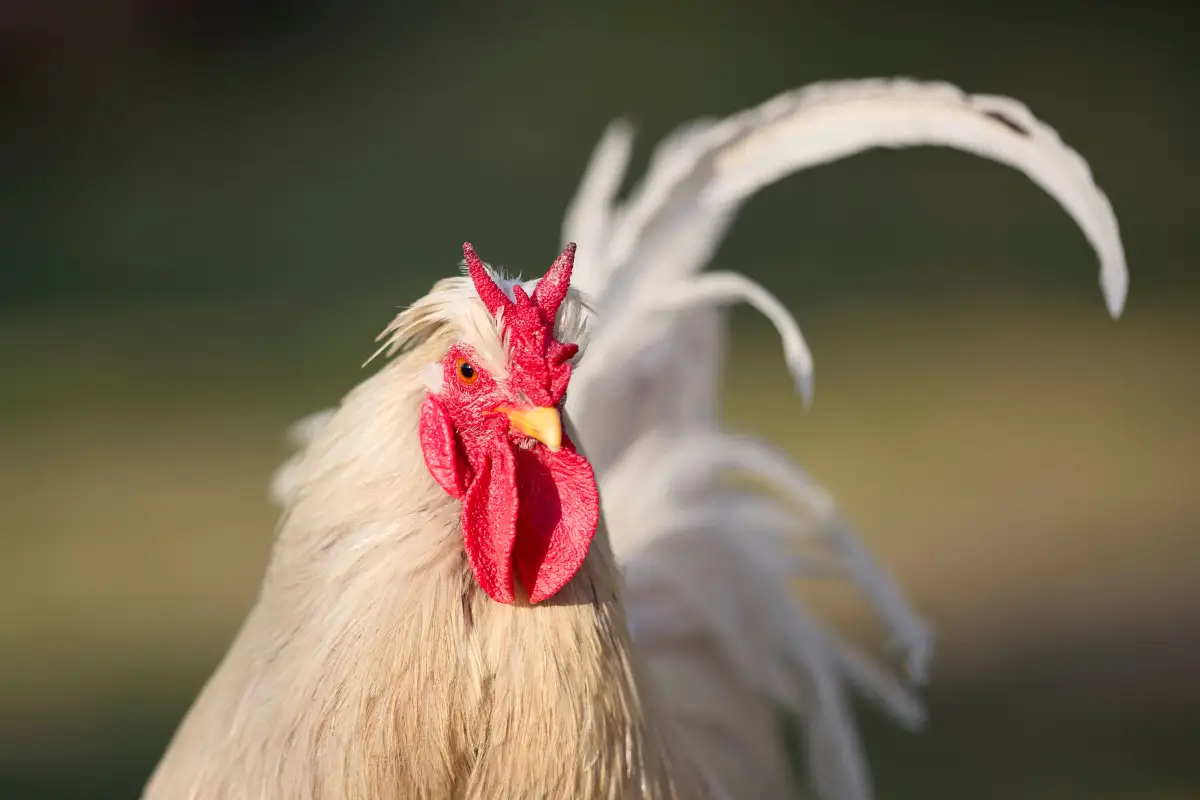
A healthy comb is bright red, firm, and upright. Pale, shrunken, or bluish tones signal anemia, dehydration, or circulatory trouble. Know what's normal for your breed.
My flock is large—can I still do this in 10 minutes?
Yes, by scanning groups for outliers. Look for birds standing alone, not moving toward feed, or showing a different posture or comb color. The most deviant individual usually jumps out first.
Are abnormal droppings always a sign of disease?
Not always. A new treat or sudden dietary change can produce temporary odd droppings. Persistent abnormality, blood, mucus, or missing urates over several checks demands investigation.
Can I skip some points if I only have a small flock?
No. Small flocks lose a greater percentage with each bird. The five-point check takes no less time with fewer birds—it's simply a more concentrated scan.
Where can I find a printable version of the checklist?
Search for "poultry daily health checklist" online. Many extension offices and forums offer free templates. Or, rule up a notecard with the five points and today's date—it serves the same purpose.