The Breed That Will Wreck Your Flock's Peace (and 3 That Won't)
A white Leghorn can destabilize a previously calm mixed flock within days. Poultry husbandry research documents that high-strung breeds trigger a cascade of feather pecking and stress responses in mixed flocks. This article outlines a decision-tree method to isolate the cause and apply fixes grounded in breed-typical behavior patterns and environmental management. The approach uses a role-based classification—bully, outlier, misfit—to direct action. Three breeds (Buff Orpington, Australorp, and Sussex) are almost never the source of such disruption.
Recognizing the Disruption: When One Bird Breaks the Peace
The signs are consistent: subordinate birds hide or flee when the problem individual approaches, feather damage appears on backs and vents, and egg production decreases. In a mixed-breed flock, the most common trigger is one bird whose innate reactivity creates a ripple effect of aggression. White Leghorns are cited in extension publications as prone to this behavior when housed with calmer breeds. This does not mean every Leghorn will cause trouble, but the odds increase notably.
The 3-Step Emergency Intervention
Before investigating the cause, contain the damage. The following steps are based on standard husbandry protocols.
- Isolate the aggressor. Place the bird in a separate enclosure that remains within sight and sound of the main flock. A wire kennel inside the run is practical. This halts new injuries while maintaining social familiarity for later reintroduction.
- Double the resource stations. Add extra feeders, waterers, and dust-bathing areas placed out of direct line of sight, using visual barriers like straw bales or pallets. Reducing resource competition lowers chase-driven aggression.
- Increase dietary protein. Offer a high-protein supplement—black soldier fly larvae, mealworms—or switch the whole flock to a 20% protein grower feed temporarily. Protein deficiency amplifies feather pecking; correcting it often reduces picking within days.
Troubleshooting the Source of Flock Disruption: A Decision Tree Approach
Once the immediate crisis is contained, follow a systematic checklist to identify the root cause. The decision tree examines three tiers: individual role, environment, and nutrition.
Step 1: Identify the Role Your Troublemaker Is Playing — Bully, Outlier, or Misfit
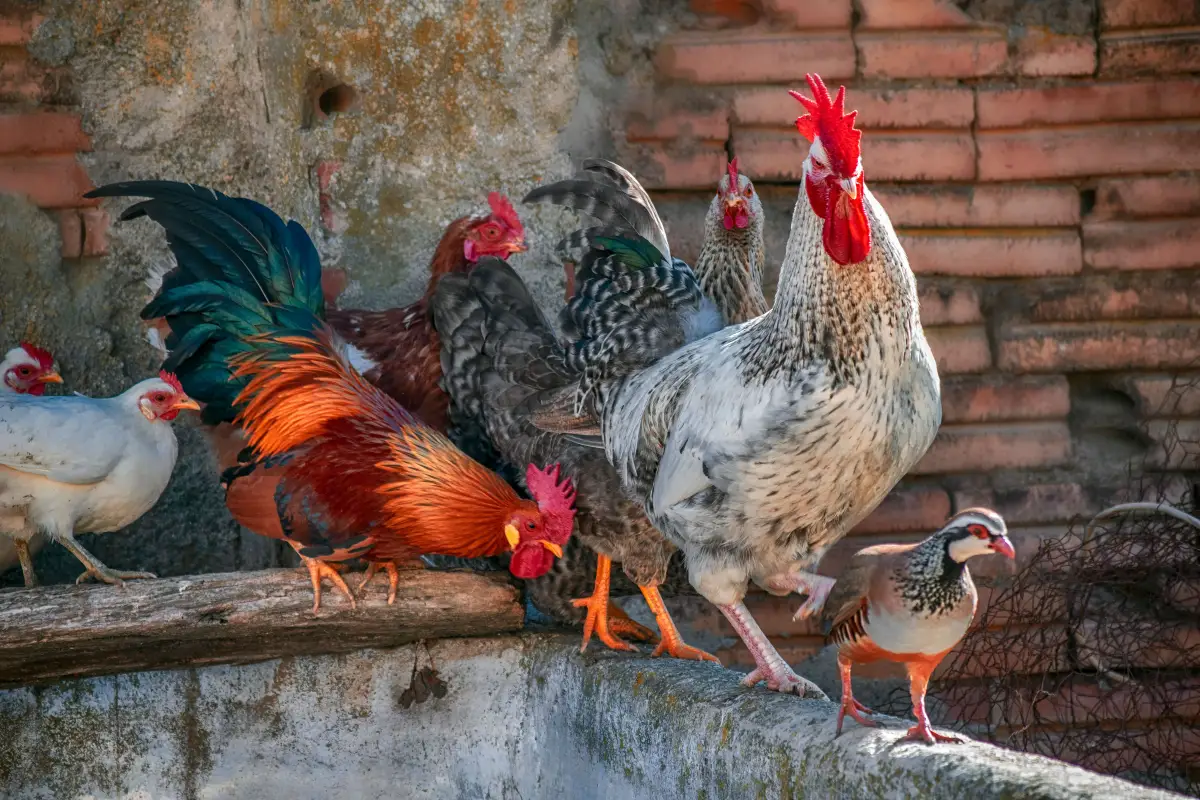
Observe the flock for 20–30 minutes during peak morning activity. Record which bird initiates interactions. A bully consistently chases or pecks multiple flock mates, often excluding them from feed or perches. An outlier is almost always a target but rarely aggresses; this indicates an individual vulnerability—smaller size, younger age, or breed mismatch. A misfit scenario occurs when no single bird stands out as aggressive yet the flock remains tense with frequent skirmishes. A Leghorn in an Orpington flock is typically a misfit, not an isolated bully.
For a bully, proceed to environmental and nutritional checks before deciding on permanent removal. For an outlier, protect the victim first (separate, add hiding spots) and then evaluate whether integration is feasible; a bantam in a large-fowl flock may never settle. For misfits, rehoming the incompatible breed or restructuring the flock around uniform temperaments is the most reliable resolution.
Step 2: Measure Environmental Stressors That Amplify Aggression
Even a genetically predisposed aggressor escalates faster when space is tight. Provide a minimum of 4 square feet per bird inside the coop and 10 square feet in the run. Overcrowding beyond these numbers is a common aggravator. Feeder space should allow 4 linear inches per bird; water access requires at least 2 nipple drinkers or one properly sized bell waterer per 10 birds. Install roosting bars at the same height to eliminate top-perch fighting; in a mixed flock, provide both low, wide roosts for heavy breeds and high, narrow ones for lighter breeds. Enrichment—hanging cabbages, scattered scratch in deep litter, dust boxes—redirects pecking toward acceptable targets. If aggression subsides during free-range time, environmental crowding is the primary driver.
Step 3: Rule Out Nutritional Deficiencies That Spark Pecking
Feathers are composed of keratin, a protein. When layer feed falls below 16% protein, hens may compensate by eating feathers. Check the feed tag; if protein reads 15% or lower, switch to a 16%–18% layer ration. Sodium deficiency prompts pecking at blood-rich areas (vents, pinfeathers). Provide a free-choice salt block made for livestock or a hanging mineral block that includes sodium. Keep calcium (oyster shell) available separately. A two-week supplement of 28% protein game bird starter often interrupts a feather-picking cycle. If vent pecking and feather eating resolve after these adjustments, the problem is dietary, not behavioral.
Step 4: Apply Behavioral Management and Segregation for Confirmed Bullies
When environment and diet are adequate and a single bird still attacks, direct behavioral correction is warranted. Pinless peepers—plastic blinders that clip onto the beak—prevent forward vision and disrupt targeted pecks. They are a short-term tool; fit must be checked daily. Keep them on for 2–4 weeks, then reintroduce the bird during supervised sessions. If bullying resumes immediately, the temperament is likely fixed. Permanent separation—a bachelor pen or single-breed group—is then necessary. For a bully rooster, caponizing (surgical castration) is an option but requires skill; most small-flock keepers process the bird instead.
Advanced & Edge Cases: When the Breed Itself Is the Culprit
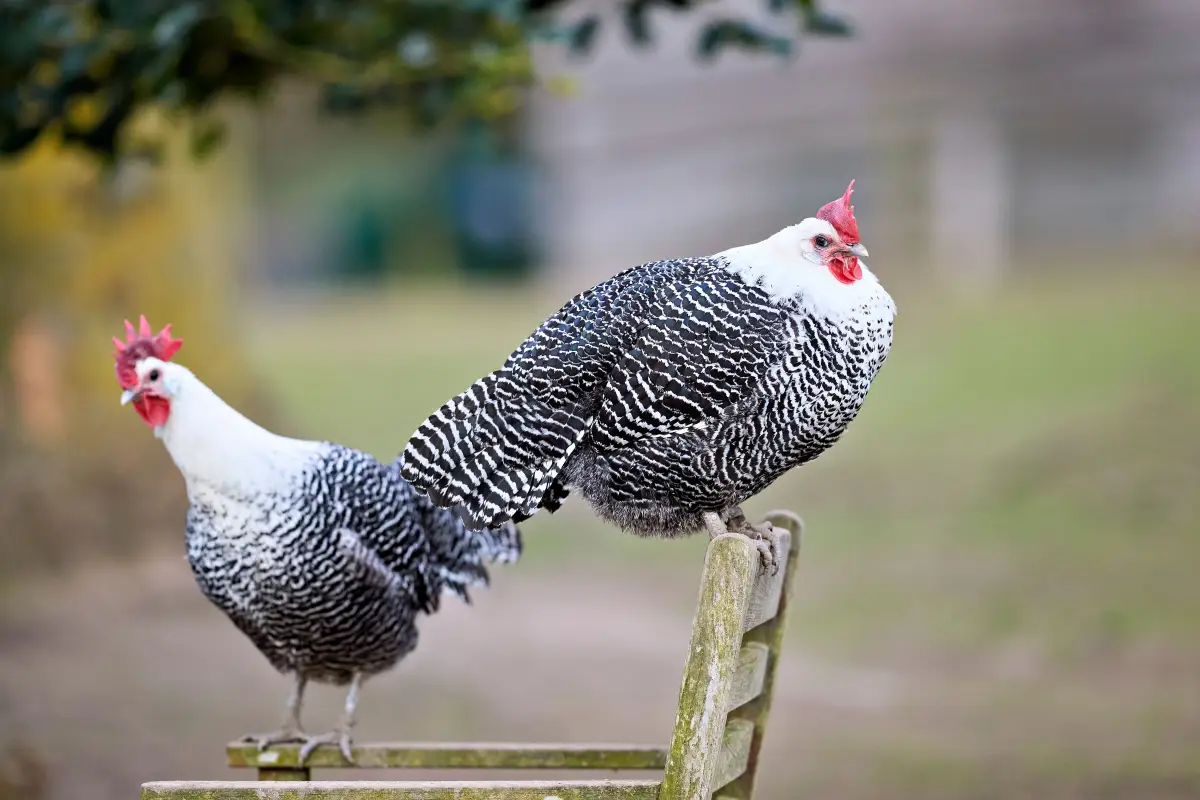
Some breeds have been selected for traits that directly conflict with a calm mixed flock. White Leghorns are excellent layers but are also highly active, flighty, and prone to feather pecking. Even under optimal conditions, they may chronically stress slower, heavier breeds. The most practical long-term approach is to house Leghorns only with similarly active Mediterranean breeds (Ancona, Minorca). If a diverse flock is essential, plan to rehome or cull persistent bullies. Similar conflicts can arise with assertive dual-purpose breeds like Rhode Island Reds in close quarters, though they are less flighty. A flock containing multiple roosters of assertive breeds will inevitably fight; maintain one rooster per 10–12 hens. In every case, prioritize the welfare of the majority over the genetic potential of a single bird.
How to Prevent This in the Future: Breed Selection and Husbandry That Works
Prevention begins with breed choice. Extension temperament rankings consistently place Buff Orpingtons, Australorps, and Sussex among the calmest. Buff Orpingtons are docile and rarely start conflicts; they may even be bullied by more assertive breeds. Australorps offer a similarly placid disposition with added hardiness. Sussex hens are inquisitive but non-confrontational. Basing a flock on these peacemakers leads to a stable hierarchy and brief disputes.
In addition to breed selection, implement preventive husbandry: maintain 4 square feet of indoor space and 10 square feet outdoors per bird; supply multiple perches at varying heights, dust baths, and foraging stations; quarantine newcomers for two weeks and introduce them gradually using a “look-don’t-touch” pen. Integrate birds of similar age—mature birds harass pullets. These steps, applied from day one, greatly reduce the risk of chronic aggression.
FAQ: Common Worries When Breeds Clash
Can I keep Leghorns with Orpingtons if I have enough space?
It is possible, but extension case reports indicate that the flighty Leghorn temperament often causes ongoing stress in placid Orpingtons, even with generous space. Monitor closely and have a separation plan ready.
Why did my flock turn aggressive right after I added a new breed?
Introducing an unfamiliar bird disrupts the established pecking order. The newcomer—especially if it is a different breed—may become a target or, if assertive, challenge existing top hens. The remedy is a gradual introduction: quarantine first, then several days of indirect contact before full integration.
Can calm breeds become aggressive too?
They can, though rarely without an underlying cause. An Orpington may feather-pick if the flock is severely crowded, protein is deficient, or injury blood is present. Address environmental and nutritional factors first.
Should I add a rooster to settle hen disputes?
Generally no. Adding a rooster, particularly one of an assertive breed, often increases stress and leads to over-mating injuries. A calm, mature rooster can sometimes stabilize a hen-only flock, but the outcome is unpredictable. Correcting the root cause is more reliable.
If Nothing Worked: Escalation and Long-Term Flock Management
When all interventions have been exhausted and disruption persists, consult a poultry veterinarian to rule out pain-related aggression from underlying disease. If no medical cause is found, accept that the current flock composition is unsustainable. Rehome the aggressive bird to a single-breed group or a setting where permanent isolation is possible, or process it if that aligns with the keeper’s philosophy. Flock peace is a basic welfare requirement; retaining a breed that perpetually threatens it is rarely justified by stress and productivity losses.