The Calcium Mistake That's Really Ruining Your Eggshells
If thin shells send you to the bag of oyster shell, stop before you pour. The standard reflex — add more calcium — often makes things worse when the real failure is a calcium‑to‑phosphorus ratio that has slipped out of the window where shell‑gland biochemistry works. A complete layer feed already carries about 3.5–4% calcium. Dilute that feed with scratch grains, corn, or mealworms and you introduce phosphorus without matching calcium. The ratio tightens, gut absorption of calcium is downregulated, and the hen pours less calcium carbonate into each egg — not because calcium is absent, but because the signal to use it is garbled. Extension mineral‑balance guides consistently flag a dietary phosphorus level above 0.5% as a trouble spot when calcium sits in the normal 3.5–4% range. That is the quiet mechanism behind most thin‑shelled eggs in well‑fed backyard flocks.
Which Eggshell Variant Fits Your Nest Box?
Match what you see to one of these patterns. Each leads to a different primary cause, so the diagnosis path is not the same.
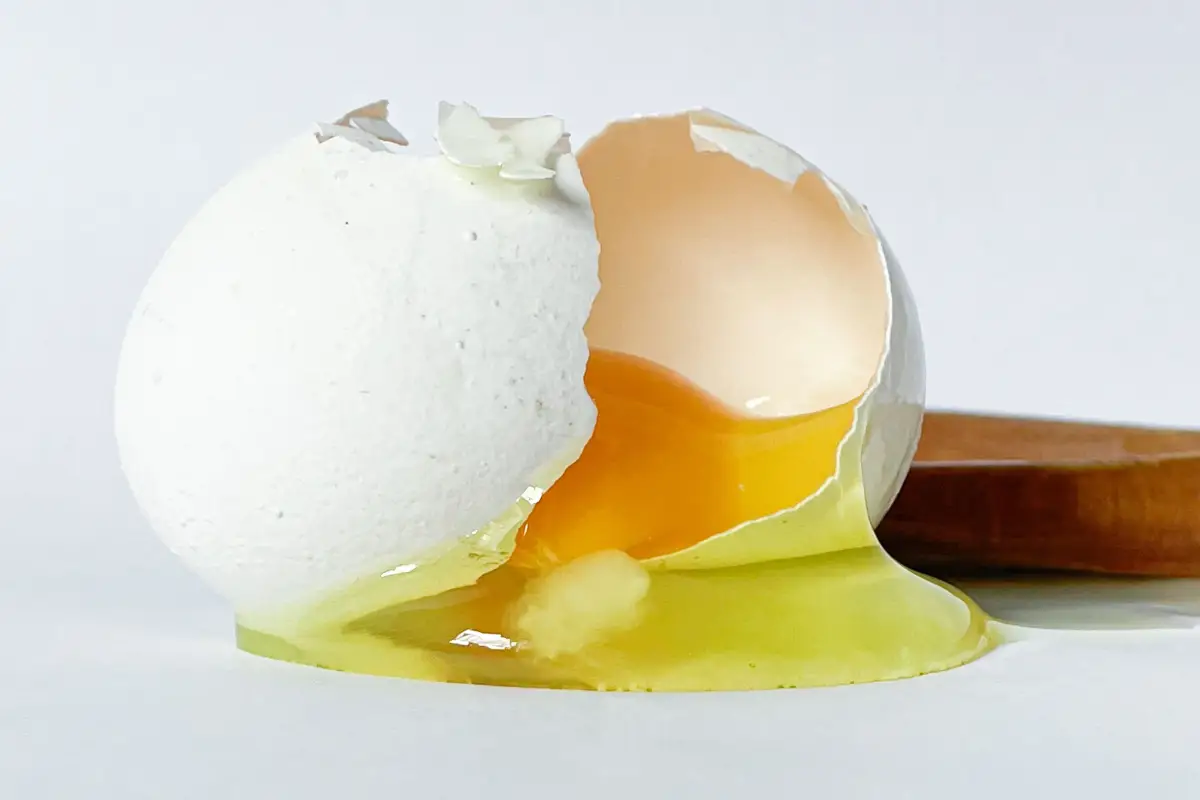
- Thin but formed shells: The egg holds its shape but cracks under light pressure; translucent patches may show through.
- Shell‑less or soft eggs: Only the membrane wraps the contents. The egg lands like a filled water balloon.
- Rough, ridged, or pimply shells: The surface is bumpy or sandpaper‑textured, though the shell is thick enough not to crumble.
Thin but Formed Shells — When the Ratio Slips Towards Phosphorus
The diagnosis here almost always traces to a diet where phosphorus from treats has crept up while calcium intake stayed steady. Adding oyster shell on top does not fix this fault; it adds more calcium on the wrong side of the equation.
Run a Feed‑Label Audit First
Collect the tags from every ingredient the flock sees in a typical day — the main layer feed, the scratch mix, the sunflower seeds, the mealworms. Most complete layer rations list available phosphorus between 0.35% and 0.45%. Scratch grains and plain corn run almost no calcium and can push total phosphorus intake past 0.55% when they make up more than about 10% of the daily intake. When the ratio of calcium to phosphorus falls below roughly 8:1, the parathyroid‑vitamin D axis reduces active calcium transport out of the gut. The hen may have normal blood calcium, but the shell gland sees a diminished supply because the uptake mechanism is throttled back.
Adjust the Formula, Not Just the Calcium
Pull back the phosphorus‑heavy extras. Keep scratch grains and corn under 10 grams per bird per day — about a level tablespoon, not a scoop. Substitute high‑phosphorus treats with dark leafy greens that contribute calcium without a phosphorus spike. Leave the free‑choice oyster shell in place if the layer feed itself is truly low in calcium (below 3%), but if the feed is already at 3.5% or higher, pulling the extra calcium for a week can actually help the ratio tighten again. Wait 10–14 days for new eggs to run through the formation cycle. Better shells confirm that the ratio, not a raw calcium shortage, was the bottleneck.
Recognize When Extra Calcium Actually Matters
A genuine calcium deficiency does happen, but mostly when the main feed is a grower or all‑flock formula that drops below 3% calcium. If a feed audit shows that, free‑choice oyster shell corrects a simple shortfall. But adding it while phosphorus remains high does the opposite — it widens the ratio further and can push the hen toward the rough‑shell variant. The problem is never just “not enough calcium.” It’s what else is in the ration at the same time.
Shell‑Less or Soft Eggs — The System Shuts Down
A shell‑less egg means shell deposition never engaged. The same ratio mechanics apply, but the imbalance is severe enough to halt the process completely. Acute calcium withdrawal can do it too, so differentiating the two matters.
Rule Out an Interruption in Feed Intake
Before touching the mineral balance, verify that the birds actually ate their layer ration. An abrupt feed change, a bully at the feeder, or a heat wave that crushed appetite for a day can starve the shell gland of calcium long enough to produce one soft egg. Restore full, uninterrupted access to a known good layer feed and watch the next 2–3 eggs. If only one soft egg shows up and the rest are normal, it was a transient feeding gap.
Calculate the Ratio Using Extension Guidelines
When soft eggs recur, estimate the calcium‑to‑phosphorus ratio from everything the hens consume. A ratio below 6:1 is widely flagged in extension materials as a red zone for layers. A diet with 4% calcium and 0.7% phosphorus — which happens easily when a flock gets mostly corn and kitchen scraps — works out to about 5.7:1. At that level, intestinal calcium‑binding proteins are suppressed, and the shell gland secretes only the inner and outer membranes. The egg emerges without a shell.
The Correction Takes Two Weeks, Not a Weekend
Strip the diet to nothing but the original complete layer feed and a measured teaspoon of oyster shell per bird per day for 14 days. Use the same feed with a guaranteed analysis on the tag. If soft eggs stop and formed shells return by day 12–14, the phosphorus load was genuinely preventing shell deposition. Resume treats gradually and stay under the 10% threshold; even a few days of slipping back to heavy scratch can knock one or two hens back into shell‑less production.
Rough, Ridged, or Pimply Shells — An Overdose of Calcium
Rough texture often points to a ratio that has swung too far in the opposite direction — calcium dominates so thoroughly that the shell gland deposits carbonate erratically.
Check Whether the Ratio Has Widened Past 15:1
When a keeper piles free‑choice oyster shell on top of a high‑calcium layer feed and also eliminates phosphorus‑bearing treats, the ratio can easily climb above 15:1. The parathyroid gland slows calcium mobilization from bone, but the shell gland continues to accept what arrives. The result is irregular, bumpy calcification — sometimes with raised white nodules — rather than a clean, smooth deposition.
Balance with a Measured Phosphorus Source
The fix is not to withdraw calcium entirely but to introduce a small, controlled amount of phosphorus. Blending 90% layer crumble with 10% cracked corn brings the ratio back toward the 8:1–12:1 safe range without diluting calcium dangerously. If cracked corn isn’t on hand, a tablespoon of wheat bran per bird works through its natural phosphorus content. Make the change gradually and watch the next week’s eggs; the shell gland’s rhythm resets once the mineral seesaw is righted.
Universal Resets — What Helps Regardless of Variant
Some interventions improve shell quality across the board because they attack the common infrastructure rather than a single nutrient. They are worth trying while the ratio is being sorted out, but they are not a substitute for correcting the balance.
Strip the Diet to One Known Complete Feed for 14 Days
Remove everything except the layer feed the flock was successfully eating before the problem started and water. No scratch, no treats, no supplements. This removes the guesswork of auditing a dozen bags. If shells firm up within two weeks, the trouble lives in something you normally add.
Restore Vitamin D3 from Feed, Not Just the Sun
Calcium absorption cannot function without adequate vitamin D3. Cloudy winters or hens that spend most of the day under cover can become borderline deficient even when the mineral ratio is perfect. A layer feed should list added vitamin D3 at 2,500–3,000 IU/kg. If the tag is silent on D3, switch to a feed that states it. This alone can reverse thin shells within three weeks when the ratio is already in range.
Know When These Resets Waste Time
Older hens beyond their second laying cycle suffer a natural decline in the ability to mobilize medullary bone calcium. No ratio adjustment brings that back. Some production hybrids start with a genetically narrow margin for shell thickness and will always produce eggs on the thin side. In those birds, universal resets keep things from deteriorating further but do not produce prize‑quality shells.
Prevention — Keeping the Ratio in the Safe Window
The preventive target is simple: keep total dietary phosphorus below 0.5% when calcium stays in the 3.5–4% range. Hitting that target requires controlling the treats that inflate phosphorus.
- Weigh treats, don’t guess. A kitchen scale makes it fast to measure. Ten grams per bird per day is a reasonable ceiling.
- Select treats that support the mineral balance. Chopped kale, cucumber ends, and a small portion of mealworms add calories and protein without dumping phosphorus the way corn does.
- Rotate free‑choice calcium only when eggs say so. If shells are strong and consistent, pull the oyster shell for a few days and observe. Constant access when it isn’t needed primes the system for the rough‑shell variant.
- Test your water source. Hard water heavy in magnesium or iron can interfere with calcium metabolism. If all other measures fail and well‑water hardness exceeds 150 mg/L, try a softener for the chicken water line.
Frequently Asked Questions
Can too much calcium actually cause thin eggshells?
It can, indirectly. When calcium intake is extreme and phosphorus is proportionally very low, the parathyroid axis downregulates gut absorption and bone mobilization of calcium. The drop in available calcium to the shell gland often shows up as ridged or uneven shells first, but prolonged over‑supplementation can eventually produce thinner and weaker shells.
What is the ideal calcium‑to‑phosphorus ratio for laying hens?
A ratio of 8:1 to 12:1 (calcium to available phosphorus) is considered safe for most backyard and commercial layers. Below 6:1 consistently produces thin shells; above 15:1 promotes shell surface irregularities.
Do mealworms damage eggshell quality?
In moderation, no. Mealworms provide protein and moderate phosphorus. A tablespoon per bird daily won’t distort the ratio if the main feed is balanced. But when mealworms become a substantial fraction of the diet — as can happen during uncontrolled treat feeding — they introduce enough phosphorus to tighten the ratio and weaken shells.
How quickly does correcting the ratio improve shell quality?
Noticeable improvement usually appears within 10–14 days after the mineral balance is restored. The shell gland gradually re‑establishes normal deposition patterns across successive eggs.
Is oyster shell or limestone better for calcium supply?
Both are calcium carbonate. Oyster shell tends to persist in the gizzard longer, releasing calcium more steadily during the overnight shell‑building period. Limestone also works well. The choice matters less than maintaining the total dietary ratio within safe limits.
When the Fix Is Not in the Feed
If the diet has been stripped to a verified complete layer ration for three weeks, the calcium‑to‑phosphorus ratio sits comfortably between 8:1 and 12:1, and vitamin D3 intake is adequate, yet shells remain thin or deformed, assemble a few data points before reaching for yet another supplement.
- Record the age and breed of every hen still laying poor eggs. Segregate young pullets from older birds; pattern often clusters by age group.
- Save three of the worst eggs, unwashed, and photograph them in natural light beside a tape measure.
- Note the ambient temperature extremes of the last two weeks. Heat stress can cut feed intake just enough to impair shells even when the diet is perfect.
- Collect a fresh fecal sample and send it to your state poultry extension lab or veterinarian to rule out infectious bronchitis virus or other shell‑gland‑damaging pathogens.
With that information, a poultry nutritionist or extension agent can work from data instead of speculation. Some hens will never lay a flawless egg, but pinning down the root cause — particularly the hidden phosphorus trap — means you stop pouring oyster shell into a problem it was never designed to fix.