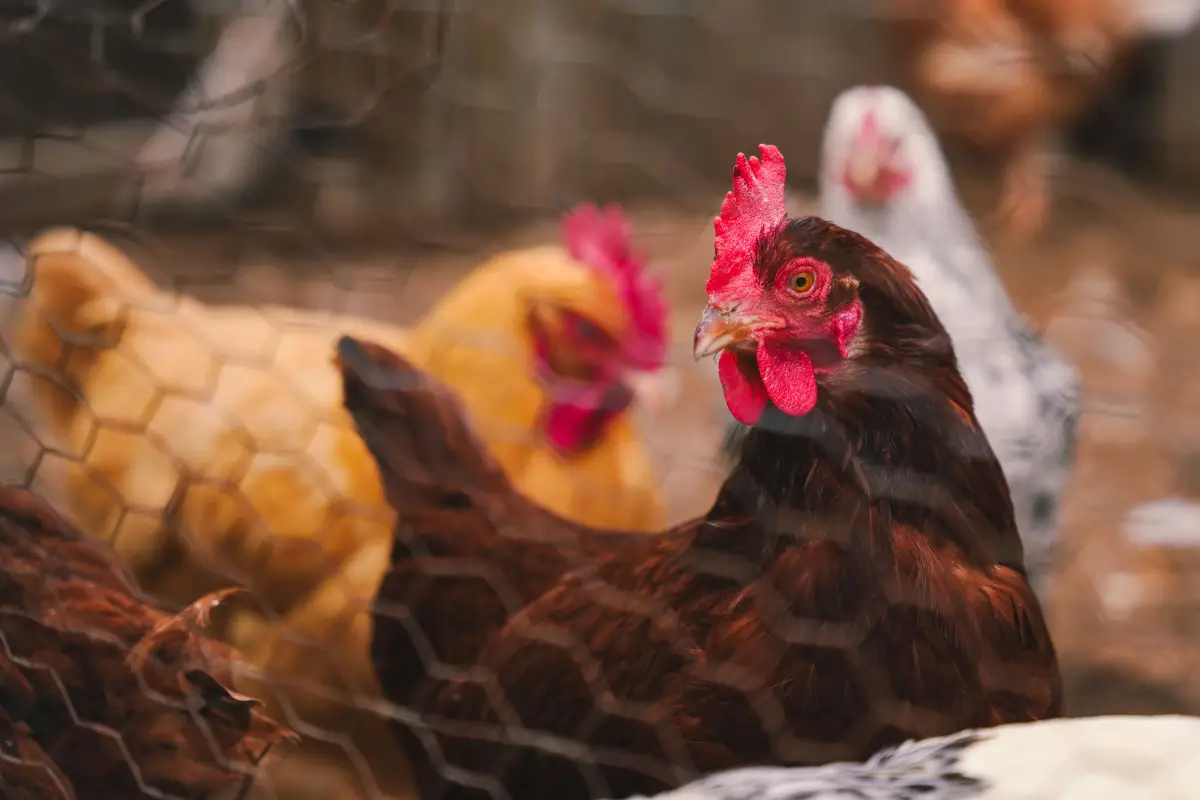
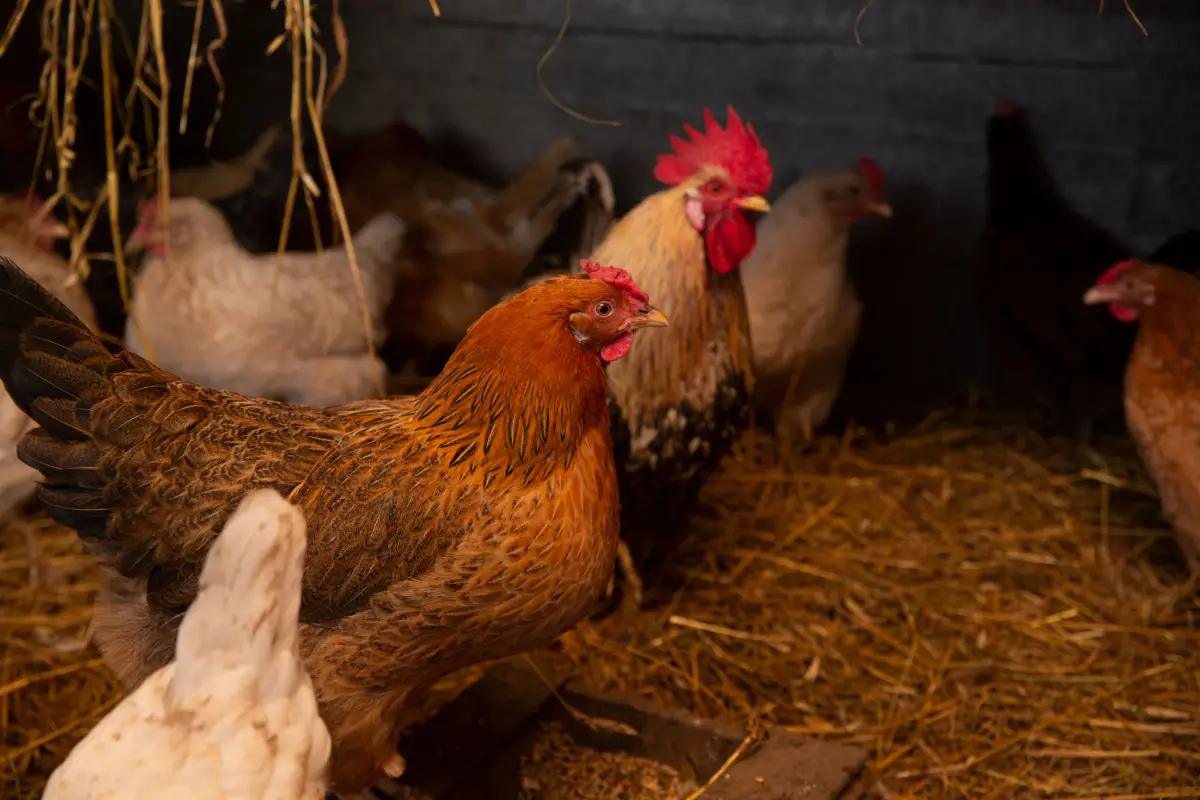
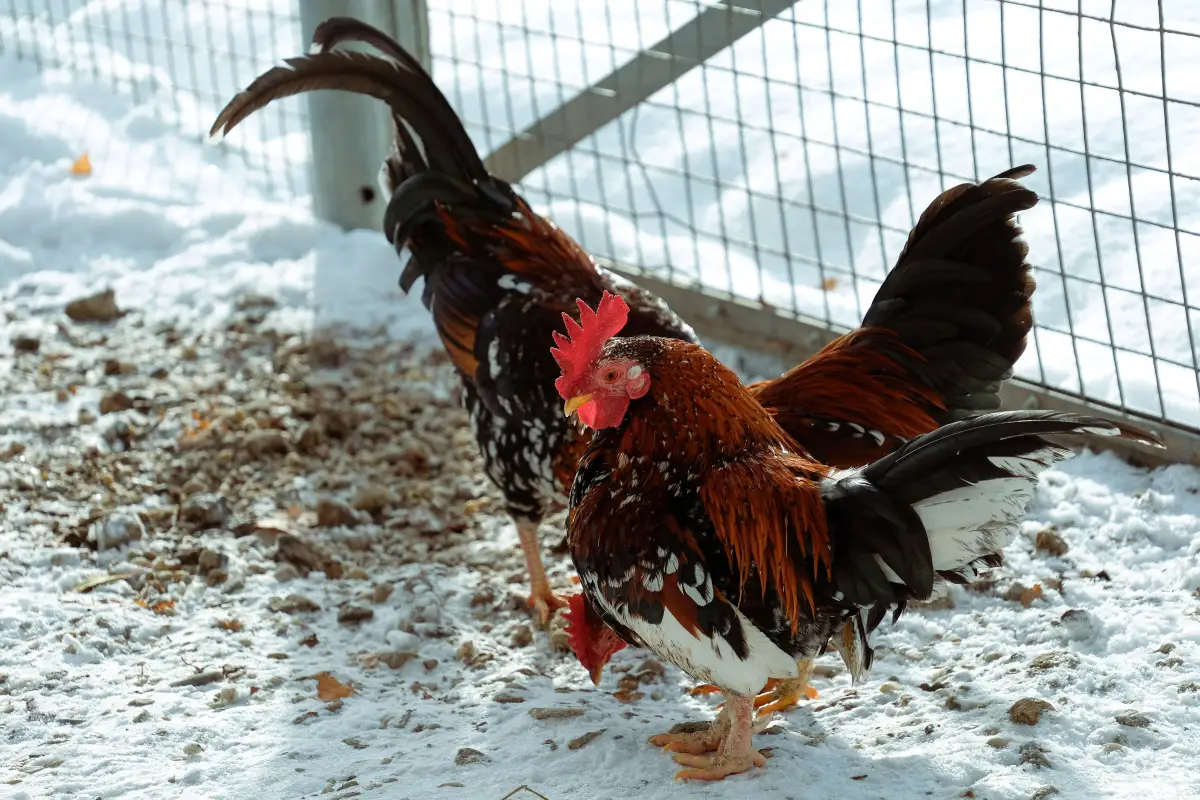
The Coop Insulation Myth That's Ruining Your Flock's Health
The coop insulation myth persists because it ignores a basic physical fact: in a confined space crowded with birds, moisture from respiration and droppings accumulates faster than cold can cause harm, and insulation without airflow traps that moisture. A chicken coop is not a house. The biological heat and water vapor output per cubic foot dwarfs that of human living spaces, yet most coops lack the mechanical ventilation systems that make building insulation safe.
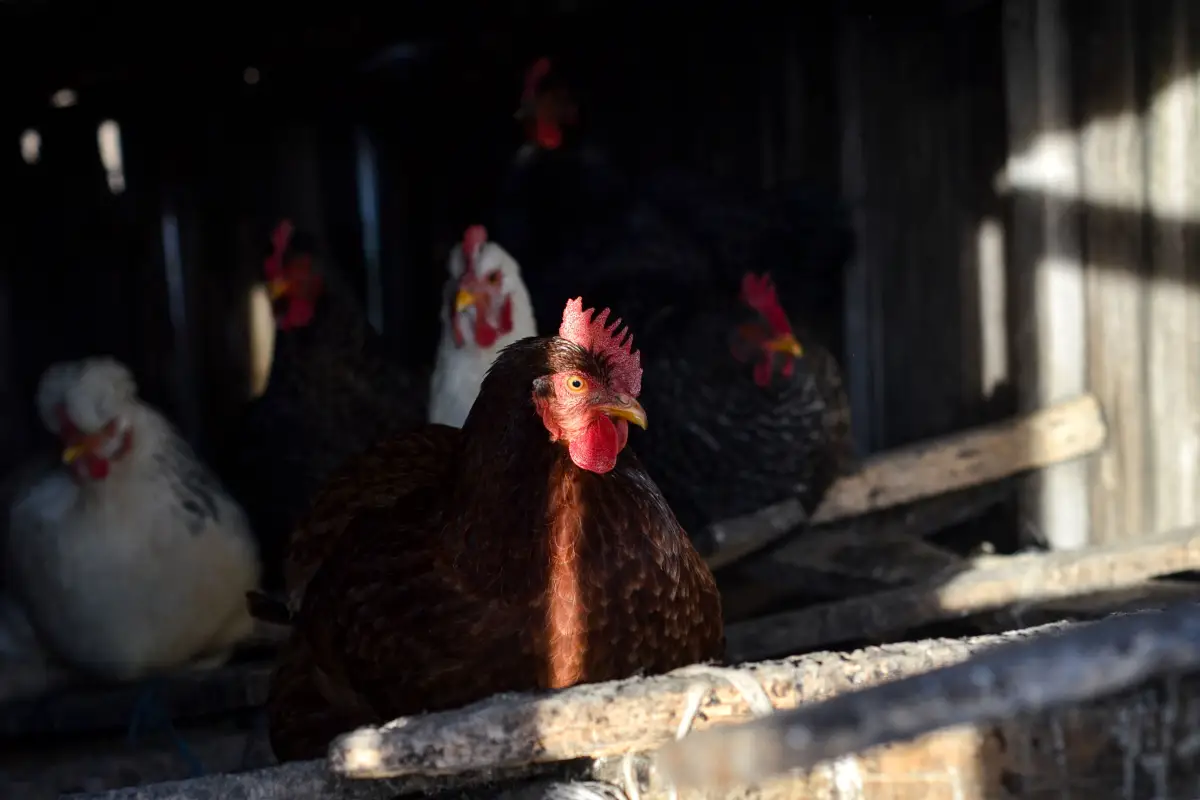
This article traces the hidden moisture pathway from bird breath to ammonia-induced lung damage, showing why strategic ventilation must precede any decision to add insulation.
Why Moisture Load Determines Coop Health More Than Temperature
A laying hen at rest exhales roughly 5 grams of water vapor per hour. A dozen birds inside a small coop will release over half a liter of water into the air overnight from respiration alone, plus additional evaporation from their droppings, which are roughly three-quarters water. In dry, moving air, this moisture disperses. But when insulation seals the envelope and ventilation is an afterthought, that water has nowhere to go.
The myth that insulation is universally protective comes from equating warmth with health. Chickens tolerate cold well when the air is dry—their feathers provide excellent inherent insulation. The real threat is sustained high humidity and the chemical cascade it triggers. As relative humidity climbs, ammonia volatilization from uric acid in droppings accelerates. The respiratory epithelium, adapted for gas exchange, suffers direct chemical injury. Autopsies of birds from chronically humid coops frequently show airsacculitis, tracheal lesions, and secondary bacterial colonization—all downstream of excess moisture, not low temperature.
How Insulation Creates a Hidden Respiratory Disease Accelerator
Constant Moisture Production from Respiration and Manure
Moisture enters the coop air continuously. Every exhalation adds water vapor; every dropping evaporates liquid. Even with clean litter, the baseline moisture load is unavoidable. The question is never whether a coop will be humid—only whether that humidity will be managed or ignored.
The Physics of Trapped Humidity and Condensation
Insulation reduces heat transfer, so the interior air temperature rises relative to the outside. Warm air has a higher saturation vapor pressure; it can hold more water before reaching saturation. Without dilution by drier outside air, the absolute humidity increases. When the inside air contacts the cold underside of an insulated surface—say, an unheated roof sheathing on a freezing night—it cools below its dew point. Water vapor condenses in liquid form, wetting the insulation and any porous surfaces below. That condensation then feeds back: wet insulation loses R-value, further cooling the condensing surface, and wet litter releases more ammonia.
The Ammonia Chain Reaction and Lung Damage
Uric acid in droppings decomposes via bacterial urease activity, producing ammonia. The reaction rate is temperature- and moisture-dependent; in a warm, damp environment, ammonia concentrations can exceed 25 parts per million within a few hours of the birds being confined. At that concentration, ciliary action in the trachea slows, mucus accumulates, and pathogens that would normally be cleared gain a foothold. The mucosa thickens and becomes chronically inflamed—a condition known as airsacculitis. Birds then shed organisms like Mycoplasma gallisepticum or are more vulnerable to Infectious Bronchitis Virus, even if those pathogens were latent in the flock. The result is a persistent cough, nasal discharge, reduced egg production, and, in severe cases, ammonia blindness from corneal burns.
When the Insulation Risk Is Real—and When It’s Negligible
High-Humidity Climates and Sealed Coops: The Danger Zone
In regions where winter outdoor humidity already hovers above 80%—the southeastern U.S., Pacific Northwest maritime zones, or areas with frequent precipitation—any coop that leans heavily on insulation without intentional ventilation magnifies the problem. The outdoor air provides no drying capacity, and the sealed envelope traps the birds’ own moisture. Coops insulated with fiberglass batts, even those faced with kraft paper, will become saturated within days unless a continuous vapor barrier and sufficient openings for exchange are present.
Cold, Dry Climates with Engineered Air Exchange
The equation changes in cold-arid climates (parts of the Intermountain West, northern plains). There, outdoor absolute humidity is low winter-long. If a coop is constructed with a passive ventilation system—properly sized ridge and eave vents that deliver at least four air changes per hour—and if insulation is installed with a vapor barrier on the warm side, the system can wick moisture away before condensation occurs. In these rare circumstances, insulation reduces heat loss without creating a moisture trap, because the incoming air has enough drying potential. But the margin is narrow: a few days of still, damp weather can tip the balance, so monitoring remains essential.
Concepts That Shape a Moisture-Safe Coop
- Ventilation rate: Measured in cubic feet per minute (CFM) per bird, or as air changes per hour (ACH). For winter humidity control, aim for a rate that keeps relative humidity below 70% and ammonia under 20 ppm. This is a design parameter, not an afterthought.
- Vapor barrier: A continuous, low-permeability layer (e.g., 6-mil polyethylene) placed on the interior side of insulation to prevent water vapor from migrating into the cold wall cavity. Without it, most fibrous insulations become moisture reservoirs and lose effectiveness.
- Deep litter method: A composting floor that uses carbon-rich material to immobilize nitrogen and reduce ammonia. Effective when managed with an appropriate carbon-to-nitrogen ratio and regular turning, but it cannot compensate for absent ventilation.
- Monitoring instruments: A hygrometer for relative humidity and ammonia detection badges or electronic sensors. These tools allow data-driven decisions, replacing guesswork about when to open vents.
Frequently Asked Questions About Insulation and Coop Moisture
Can a chicken coop be safely insulated?
Yes, but only when a dedicated ventilation system removes moisture at the rate it is produced. The insulation must include a proper vapor barrier on the warm side, and air changes must be sufficient to maintain target humidity and ammonia levels.
What symptoms indicate ammonia damage in a flock?
Early signs include watery eyes, head shaking, and a pungent smell upon entering the coop. As concentrations rise, birds exhibit tracheal rales, swollen infraorbital sinuses, labored breathing, and a decline in egg production. Prolonged exposure can cause corneal ulceration and permanent blindness.
Is a vapor barrier always necessary when insulating a coop?
Yes, for any permeable insulation material. The barrier prevents moisture-laden indoor air from reaching the dew point within the insulation layer, where it would condense and degrade performance. Closed-cell spray foam can serve as its own vapor barrier if properly sealed.
What relative humidity poses a health risk?
Sustained levels above 70% relative humidity promote ammonia release and microbial growth. Aim for 50–65% during cold months, monitored with a reliable hygrometer.
Will spray foam insulation solve the moisture problem?
Spray foam can reduce air leakage and act as a vapor barrier, but it does not eliminate the need for ventilation. The birds still produce water vapor and ammonia; that gas still builds up unless actively exhausted.
Rethinking the Coop: Ventilation First, Then Insulation
Once the moisture pathway is understood, the logical sequence in coop design shifts. Prioritize calculating the minimum ventilation rate required to handle the flock’s moisture load under worst-case winter conditions. Size passive vents or plan for a small, variable-speed fan accordingly. Only after that foundation is solid should insulation be considered, and then only with a continuous vapor barrier and materials that can tolerate the occasional wet event. The next topic to explore is how to calculate and implement that baseline ventilation in a backyard setting.