The Dual-Purpose Breed Mistake That Costs You Meat and Eggs
The decision to buy a dual-purpose chicken breed usually starts with a familiar name instead of a real comparison. A Rhode Island Red can outlay a Wyandotte by 50 or more eggs per year, but the statistic doesn’t tell you what you give up to get them. Feed conversion, temperament, egg production, climate hardiness, and space needs all affect net yield. Across those five metrics, the Wyandotte provides a more consistent return for the small homestead that wants both eggs and the occasional bird for the table. The Orpington, while gentle, sacrifices feed efficiency for size and slow growth.
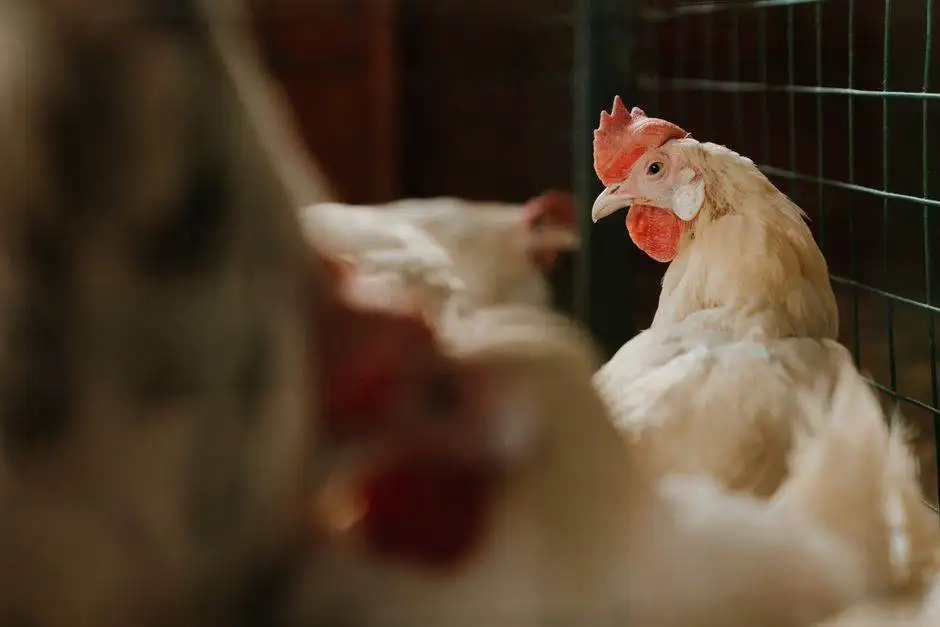
Why the Wyandotte Outperforms the Popular Default
The Rhode Island Red’s reputation makes it the automatic choice for many first-time buyers. But that reflex skips over several practical costs. A production-type Rhode Island Red hen lays 250–300 large brown eggs a year and eats approximately 0.25 pounds of feed per day. The feed-to-egg ratio of 2.8–3.0 pounds per dozen eggs is workable. The problem is the breed’s assertive pecking order. In a confined run, feather picking and bullying can suppress egg output from subordinate hens and increase mortality in chicks. A flock of six might consistently produce only as many eggs as a calmer flock of four.
The Wyandotte lays 200–240 eggs annually on a similar daily intake, putting its raw feed conversion just behind. However, its calm, steady temperament means fewer eggs are lost to stress or breakage, and flock health remains stable without intervention. The Orpington goes the other direction: expect 180–220 eggs per year, but the bird consumes noticeably more feed—around 0.3–0.35 pounds per day—and its frequent broodiness can halt production for weeks at a time. The carcass weight is the highest of the three, but that gain does not offset the higher feed bill unless the birds are raised primarily for meat.
Feed, Eggs, and Temperament Across Three Breeds
| Metric | Rhode Island Red | Orpington | Wyandotte |
|---|---|---|---|
| Feed Conversion (lbs feed/dozen eggs) | 2.8–3.0 | 3.2–3.5 | 2.9–3.2 |
| Temperament | Active, sometimes aggressive | Docile, easy to handle | Calm, steady, good foragers |
| Annual Egg Production | 250–300 | 180–220 | 200–240 |
| Climate Hardiness | Tolerates heat better than cold | Excellent cold hardiness | Outstanding cold hardiness; tolerates heat |
| Space Needs (minimum coop & run per bird) | 4 sq ft coop / 10 sq ft run | 5–6 sq ft coop / 12–15 sq ft run | 4–5 sq ft coop / 10–12 sq ft run |
The table captures the trade-offs. The Rhode Island Red leads in egg numbers but creates management friction in tight housing. The Orpington’s gentleness comes at a cost in floor space and feed. The Wyandotte lands in the center, with no single extreme that derails a small operation.
Rhode Island Red: High Output, High Maintenance
Production-bred Rhode Island Reds mature early—often by 18–20 weeks—and sustain a high lay rate through the second year. That egg volume depends on a metabolism that burns through feed quickly. In a free-range setup, the birds can offset some intake by foraging. In a stationary run, they are entirely dependent on the feeder and will eat their full ration regardless of condition.
Temperament is the breed’s hidden cost. Rhode Island Reds enforce a strict pecking order, sometimes to the point of isolating a weaker bird from feed and water. The stress can cause egg binding, reduced shell quality, and lower overall collection numbers. Cannibalism is a documented risk in crowded housing. The breed also goes broody occasionally, enough to interrupt a few weeks of lay but less frequently than Orpingtons.
The single comb handles heat well but leaves the bird vulnerable to frostbite. In regions where winter nights drop below 10°F, an unheated coop risks comb damage. That makes the Rhode Island Red a better fit for the southern United States than for the upper Midwest.
Orpington: Low Stress, High Feed Bill
Buff Orpingtons are heavy, feathered birds with a reliably docile disposition. They integrate into mixed flocks with minimal conflict and are easy for children to handle. Those traits make them a common recommendation for family setups.
What the recommendation often leaves out is the feed bill. An Orpington carries more body mass and demands more feed simply to maintain itself. The hen’s daily intake averages 0.3–0.35 pounds, yet egg output is the lowest of the three breeds. When a hen goes broody—and Orpingtons go broody frequently—egg production stops for three to five weeks per cycle. That broodiness is useful only if natural incubation is part of the plan.
The dense feathering provides excellent cold protection. Orpingtons can thrive in unheated coops in temperatures well below freezing. In hot, humid weather, that same insulation becomes a liability. Heat stress reduces feed intake and can stop laying altogether. These birds need shade, ventilation, and cool water at temperatures above 85°F.
Space is another practical limit. An Orpington requires 5–6 square feet of coop floor space per bird. A standard 4×6 coop (24 square feet) supports four Orpingtons at most. The same coop could house five or six Wyandottes, yielding more total eggs from the same footprint.
Wyandotte: The Middle Breed That Holds the Line
Wyandottes occupy the middle ground on almost every metric, and that middle ground is where the net return stabilizes. Egg production is lower than a production Rhode Island Red, but flock behavior is less disruptive, so a higher percentage of laid eggs are collected. The birds forage actively and maintain body condition on less supplemental feed when pasture is available.
The rose comb is a structural advantage that matters in cold winters. Unlike a single comb, a rose comb resists frostbite because it sits close to the head and has a reduced surface area. This makes Wyandottes one of the more cold-hardy dual-purpose breeds without the heavy, heat-trapping feathering of an Orpington. In summer, their tighter feathering allows better heat dissipation. A Wyandotte rarely needs climate-controlled housing in the variable weather of New England or the upper Midwest.
Space requirements are moderate. Four to five square feet of coop space per bird is sufficient, though more run space improves foraging and reduces boredom-related pecking. Feed conversion—2.9–3.2 pounds of feed per dozen eggs—sits between the other two breeds, but real-world feed costs often edge downward because the birds’ calm temperament and foraging skill cut waste. The medium frame dresses out at a usable 5–6 pounds for cockerels at 16–20 weeks, on par with a Rhode Island Red and without the Orpington’s extended growout.
Where the Cost Differences Actually Show Up
Feed conversion is the most consistent expense. Over a laying year, a Rhode Island Red might need 90–100 pounds of feed to produce 275 eggs, a Wyandotte a similar amount for 220 eggs, and an Orpington 110–115 pounds for 200 eggs. The Orpington’s deficit is clear: roughly 20% more feed for fewer eggs.
Temperament affects productivity indirectly but measurably. A bullied hen eats less, lays smaller eggs, or stops laying. In a small flock, a single aggressive Rhode Island Red can reduce total egg output even if the bird itself lays well. The Wyandotte and Orpington both operate with lower conflict, which translates into more eggs reaching the carton.
Climate hardiness determines whether a breed needs extra inputs. In northern winters, a rose comb Wyandotte avoids frostbite with no supplemental heat; a Rhode Island Red may require a heated roost or insulation. In southern summers, an Orpington struggles without shade and fans. The Wyandotte handles both extremes with fewer adjustments.
Space constraints are often the binding limit for backyard setups. The Orpington’s footprint forces a choice: fewer birds or a larger coop build. The Wyandotte’s more compact body allows higher stocking density without crossing into stress territory, putting more eggs in the basket from the same square footage.
Choosing by Your Setup, Not by Reputation
Select the Rhode Island Red if you have open range, a flock of 10 or more birds where the pecking order can spread out, and a climate that stays above 10°F most of the winter. The high egg count becomes an advantage when management can absorb the breed’s assertiveness.
Select the Orpington if docility is the primary requirement—for children, therapy flocks, or a setting where handling is frequent—and you live in a consistently cold region. Accept that the feed bill will be higher and the egg count lower. Use the broodiness to your advantage for natural chick rearing if that matches the plan.
Select the Wyandotte if the goal is a reliable dual-purpose bird that does not demand special housing, climate control, or careful social management. It produces a steady egg supply and a workable carcass weight with a feed bill that stays predictable. For the homesteader who keeps records and wants a consistent return, it is the breed that creates the fewest surprises.
The Overlooked Trade-Off in Dual-Purpose Breeds
“Dual-purpose” does not mean “best of both worlds.” It means a compromise on both sides. No breed in this class matches a Leghorn’s egg output or a Cornish Cross’s meat yield. The mistake that costs meat and eggs is assuming any dual-purpose bird will perform the same way under every management style. The numbers shift with space, climate, and flock dynamics. A budget that works for a Wyandotte might run over with an Orpington; a Rhode Island Red that performs well on 10 acres might fail in a 50-square-foot run. Run the calculation on your actual setup rather than defaulting to the breed you see most often.
Frequently Asked Questions
Which dual-purpose breed lays the most eggs?
The Rhode Island Red leads on paper, with 250–300 eggs per year from quality stock. Real-world production can drop significantly if the flock is stressed or overcrowded.
Does a Wyandotte provide enough meat for a family?
A Wyandotte cockerel dresses out at 5–6 pounds at 16–20 weeks. That size is sufficient for a small family meal and is comparable to a Rhode Island Red rooster. For homesteads that process only a few birds a year, the difference from an Orpington is minimal.
Are Orpingtons worth the higher feed cost?
Only when docility or cold hardiness is the top priority. In production terms, the feed-to-egg ratio is the widest of the three. A family that values a bird’s temperament above all else may find the trade acceptable.
Can I keep all three breeds together?
Yes, with management. Provide multiple feed stations and hiding spots. Rhode Island Reds may bully the passive Orpingtons. Wyandottes generally hold their ground without escalating. In a spacious run, the dynamic stabilizes.
The Breed That Stays Out of Its Own Way
The practical test for a dual-purpose breed is how much it costs to get the eggs and meat actually produced, not the maximum possible. The Rhode Island Red can give high output but demands conditions that many small operations cannot provide. The Orpington offers comfort at a price. The Wyandotte, by avoiding extremes in feed, temperament, and climate sensitivity, yields a steady net return with fewer management interventions. That is the metric that matters when the goal is filling both the egg basket and the stew pot.