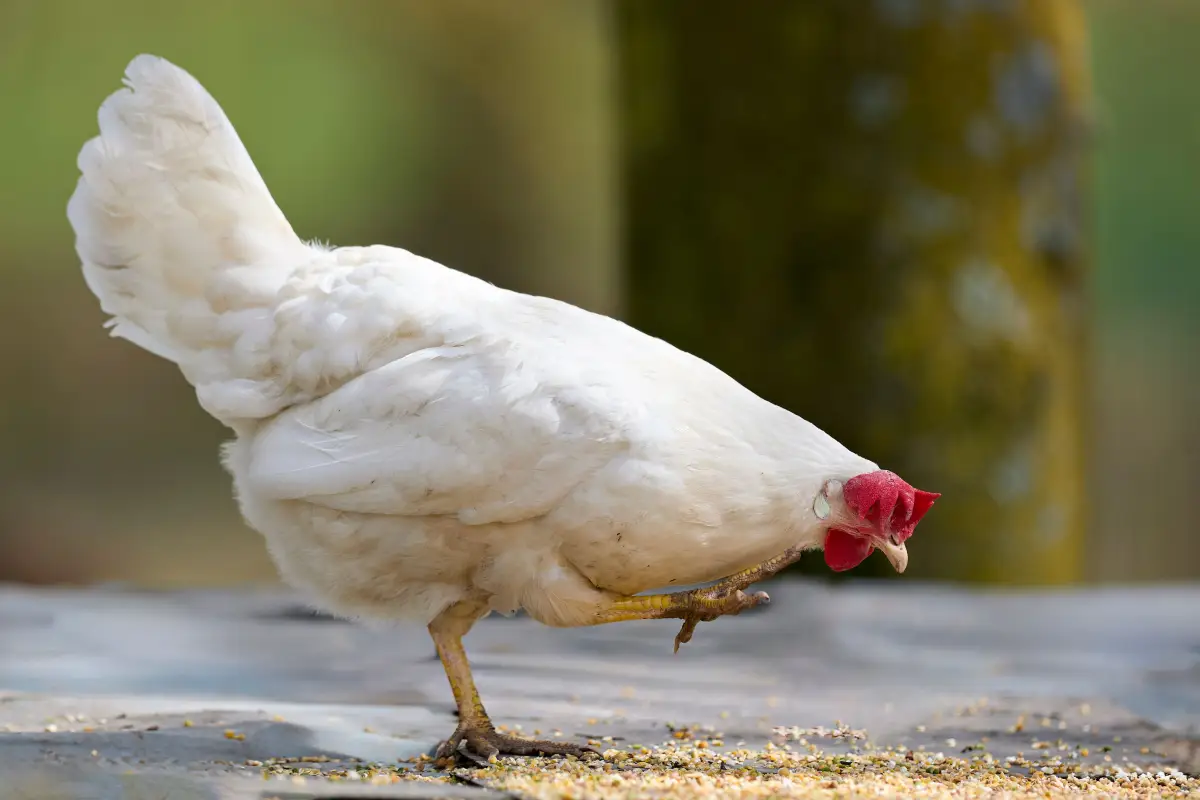
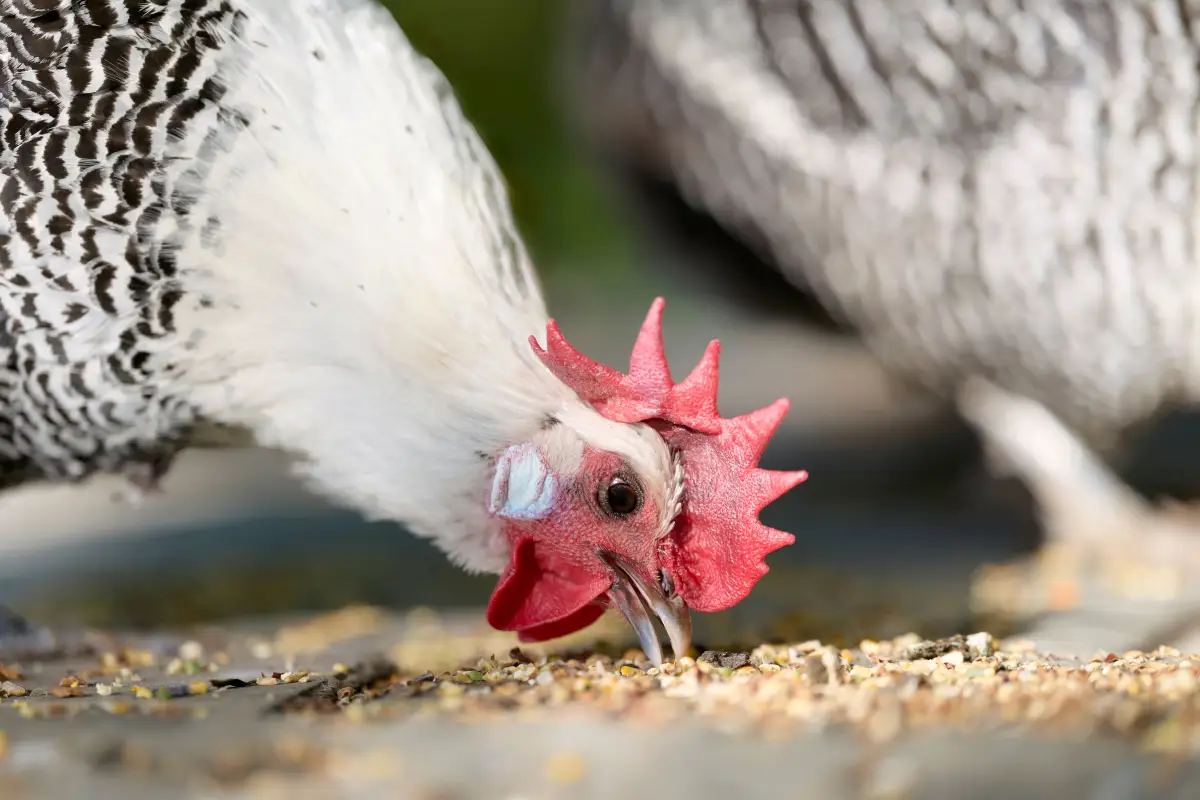
Feeding Scratch Grains Wrong This Summer Can Overheat Flocks
Feeding scratch grains heavy with corn during July’s heat can push a flock’s internal temperature past a safe threshold. The same handful that helped hens stay warm in January now forces their bodies to produce extra metabolic heat—heat they cannot afford when ambient temperatures climb. The solution is simple: swap the corn for wheat and oats during hot months and deliver that scratch only during the coolest parts of the day.
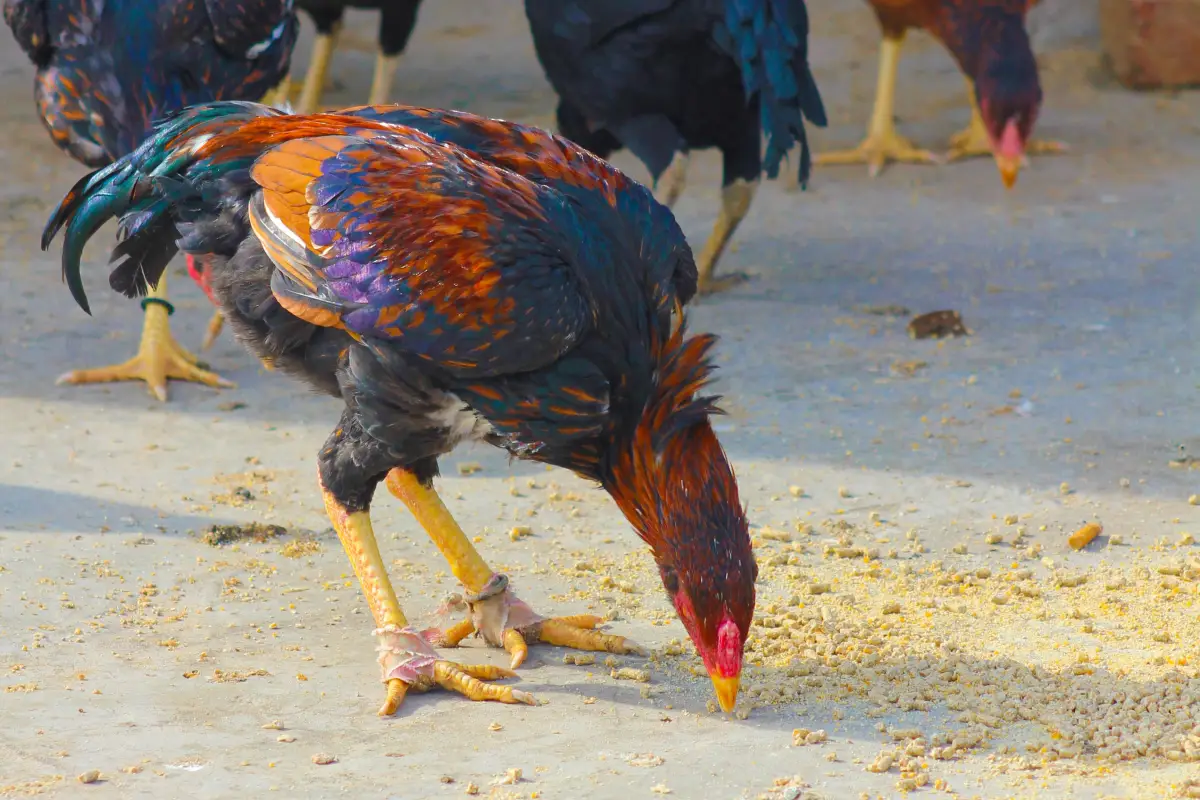
When the outdoor thermostat stays above 85°F, a chicken’s ability to shed heat already runs slim. Adding corn-rich scratch to the digestive tract ramps up internal heat production just as the bird is fighting to stay cool. A seasonal feeding protocol that cuts summer metabolic load—through careful grain choices and disciplined timing—transforms scratch from a hidden heat hazard into a safe, low-impact treat. Understanding the physiology behind that shift is the difference between a treat that supports the flock and one that silently works against it.
The Big Picture: Metabolic Heat, Ambient Load, and Cooling Capacity
Three forces decide whether a handful of scratch helps or hurts in hot weather. First, all feed digestion generates metabolic heat, but the type and amount of grain changes how much. Second, the environment imposes its own heat load—once air temperature climbs near a bird’s body temperature, natural cooling mechanisms like panting become less effective. Third, every bird has a limited cooling budget for the day; every calorie burned for digestion spends a little of that budget.
In winter, a scratch mix heavy with cracked corn is beneficial—the extra metabolic heat from digesting that high-starch, high-fat grain helps hold core temperature steady. In summer, that same heat becomes a liability. The protocol that follows works not by eliminating scratch but by realigning it with these three forces so feeding supports flock health rather than undermining it.
The Thermal-Smart Scratch Feeding Protocol
This protocol has three stages that build on one another. Skipping any stage leaves birds exposed to preventable heat stress.
Stage 1: Swap Summer-Hot Grains for Cooler Options
Corn generates more internal heat during digestion than wheat or oats because its starch composition requires a longer, more energetic breakdown. A feed particle that ferments rapidly in the gut releases less heat, while one that lingers and demands enzymatic work pushes metabolic heat higher. Wheat and rolled oats pass through the digestive tract more quickly, producing a milder thermal load.
A summer scratch mix should replace corn entirely with equal parts wheat and whole or rolled oats. Barley can be added as a smaller portion—it ferments even cooler—but its hulls may reduce palatability for some flocks. The goal is to cut the metabolic heat per mouthful by roughly 30–40 percent compared to the standard winter mix.
Done well: The scratch bowl contains only wheat and oats (and perhaps a little barley), and the quantity offered is no more than what the flock finishes in 10 minutes. Birds show normal foraging behavior without panting afterward.
Stage 2: Move Feeding to the Coolest Hours
Even cool grains add metabolic warmth, so timing the feed to the low-temperature window of the day is the second layer of protection. The best slots are the first hour after sunrise and the last hour before sunset, when ambient air and ground temperatures are lowest. Feeding during the midday peak—especially between 11 a.m. and 4 p.m.—forces birds to process food while already under environmental heat stress.
If only one feeding is possible, choose the early morning. Overnight, the birds’ metabolic rate naturally dips, and a small scratch ration at dawn provides energy without overwhelming their cooling capacity. In extreme heat waves above 95°F, consider suspending scratch altogether and offering only cool, water-rich treats like chopped cucumber or chilled watermelon rind.
Done well: The feeder goes out when the thermometer reads under 75°F and is emptied well before temperatures rise into the danger zone. Birds finish their portion quickly and settle into shaded resting spots.
Stage 3: Monitor for Heat-Stress Signals and Adjust
No protocol replaces direct observation. Even with the right grains and timing, some individuals—heavy breeds, older birds, or those with compromised respiratory health—may still struggle. Watch for early signs: open-mouth panting, wings held slightly away from the body, reduced activity, or pale combs and wattles.
If any of these appear shortly after feeding, the next step is to reduce the portion by half, then recheck the next day. If panting persists, stop scratch entirely until the heat wave breaks. Catching stress early prevents the cascade into lethargy, decreased egg production, and, in severe cases, heat stroke.
Done well: The owner scans the flock 15–20 minutes after feeding and knows exactly what normal, relaxed post-scratch behavior looks like. Any deviation triggers an immediate, measured reduction.
The Protocol in Practice: A July Flock in Central Texas
Consider a small backyard flock of six hens in Austin, where July daytime highs routinely exceed 98°F. Their owner had been giving a handful of standard scratch (cracked corn, wheat, milo) at 2 p.m. as an afternoon treat. By 3:30, birds were panting heavily and retreating to the shade, drinking far more water than usual.
Applying the protocol started with the grain swap: the corn-milo mix was replaced with a 50/50 blend of wheat and rolled oats. Next, feeding time shifted to 6:15 a.m., right after sunrise, when temperatures were still in the high 70s. The portion size was cut from a full scoop to half a scoop, just enough to trigger foraging excitement without filling crops.
Within three days, panting after feeding stopped. The hens resumed their normal dust-bathing and egg-laying rhythm. On a day when the forecast called for 102°F, scratch was withheld entirely and replaced with chilled chopped melon—zero digestible metabolic load. The protocol kept the birds comfortable through the entire heat event.
Where the Protocol Breaks Down
These are the most common missteps, and each carries a real risk of overheating.
Feeding Corn-Based Scratch at Any Hour During Hot Months
Many flock keepers assume scratch is a neutral treat because it is offered in small amounts. But even a small handful of cracked corn in July adds noticeable digestive heat. Because the effects are delayed—panting often starts 30 to 60 minutes after eating—the connection between the snack and the stress is easy to miss. Over the course of a summer week, that repeated thermal load erodes condition and egg quality.
Sticking to a Noon Feeding Routine Out of Habit
A schedule that works in October becomes dangerous in July. A midday scratch feeding, even with cool grains, competes directly with the bird’s evaporative cooling through panting. The digestive process demands blood flow to the gut at a time when circulation is already needed near the skin and respiratory surfaces for heat dissipation. Breaking that noon habit is difficult, but the cost of not shifting is thermal overload.
Skipping Visual Checks After the Feed
Assuming the new protocol is working without watching the birds afterward is the most preventable breakdown. Heat tolerance varies by bird—a young Leghorn may handle the same ration that sends a broody Orpington into distress. Without that 15-minute post-feeding scan, subtle panting and wing-lifting get normalized, and a preventable crisis becomes a locked-in pattern.
Quick Reference: Summer Scratch Protocol
| Stage | Goal | Key Action |
|---|---|---|
| Grain Swap | Cut metabolic heat from digestion | Replace corn with wheat and oats; optional barley |
| Cool-Hour Feeding | Minimize additive heat load | Offer scratch only at dawn and/or dusk below 75°F |
| Heat-Stress Monitoring | Catch rising temperatures before harm | Observe flock 15–20 min after feeding; reduce or stop if panting |
FAQ
Can chickens eat any scratch grains in summer?
Yes, but the mix matters. A scratch blend of wheat, oats, and barley produces far less metabolic heat than corn-heavy mixes. In extreme heat above 95°F, even cool grains should be limited or replaced with water-heavy treats.
Does cracked corn really cause overheating?
It does not cause overheating on its own, but it raises internal heat production just when the bird needs to be shedding heat. When combined with high ambient temperatures, that extra digestive load can push a bird past its cooling capacity.
What is the best grain mix for hot-weather scratch?
A 50/50 blend of wheat and whole or rolled oats is the starting recommendation. Barley can be included in smaller amounts (up to 20% of the mix) for even lower thermal impact, but watch for reduced palatability.
Should I stop feeding scratch entirely during a heat wave?
If birds are already showing signs of heat stress—panting, spread wings, lethargy—withhold all scratch until the weather breaks. Offer cool, moist treats like cucumber slices or halved melon instead. Even the safest grains add digestive heat.
Can I feed scratch in the evening instead of the morning?
Yes, if evening temperatures have dropped below 80°F and the birds are calm. Evening feeding can be a good alternative when mornings are rushed. Just be sure the scratch is consumed well before roosting time so digestion does not interfere with overnight rest.
Summing Up
The Thermal-Smart Scratch Feeding Protocol—swap corn for wheat and oats, feed only in the cool hours, and monitor for stress—turns summer scratch from a heat liability into a safe routine. If your flock is still getting a winter-style mix in July, start with the grain swap today. It is the one change that immediately lowers the daily metabolic load and buys time to dial in timing and portions.