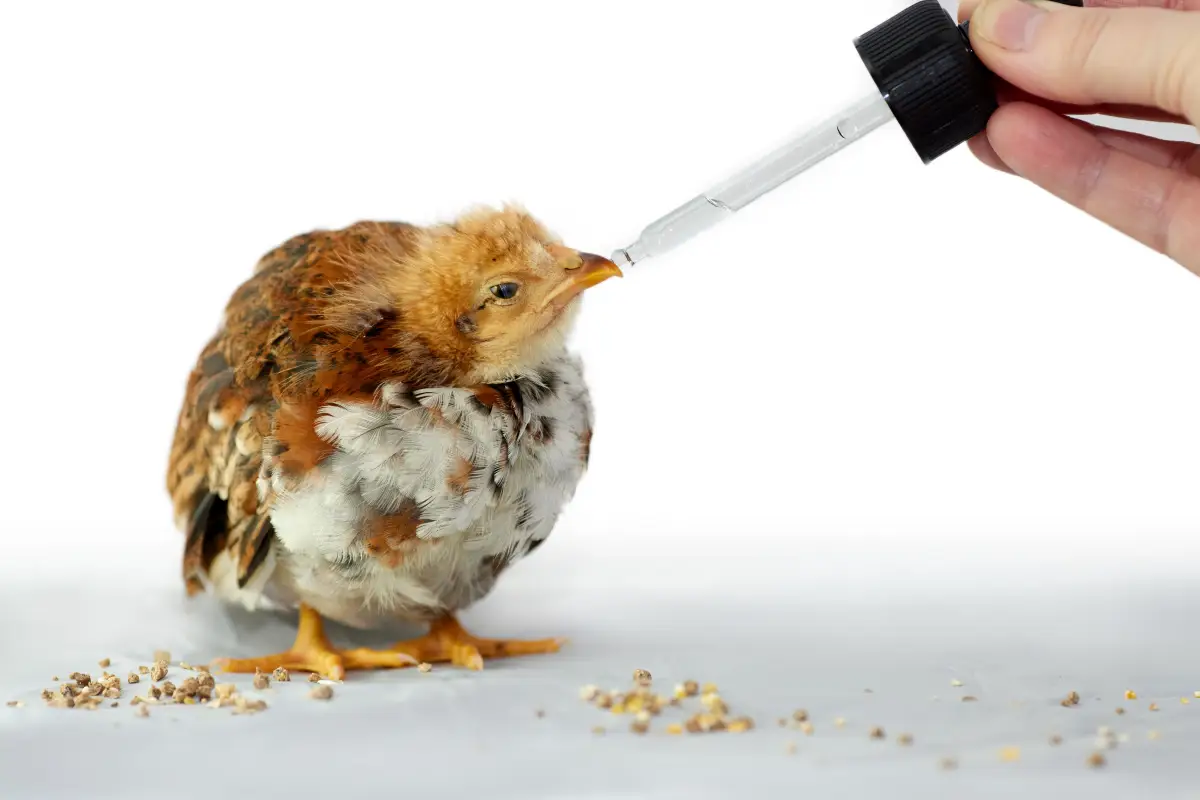
Stop Dumping Electrolytes in Water Every Summer—Here's Why
Electrolytes are an acute heat-stress intervention, not a seasonal additive. Dumping them into the water all summer is a mistake that triggers salt toxicity, kidney strain, and a dangerous habit of ignoring the real triggers. Extension research draws a clean line: a heat index above 90°F (32°C) sustained for four or more hours is the only condition that justifies supplementation. This article gives you the exact thresholds, a precise DIY recipe, and the unmistakable warning signs that tell you to stop—before you turn a tool into a threat.
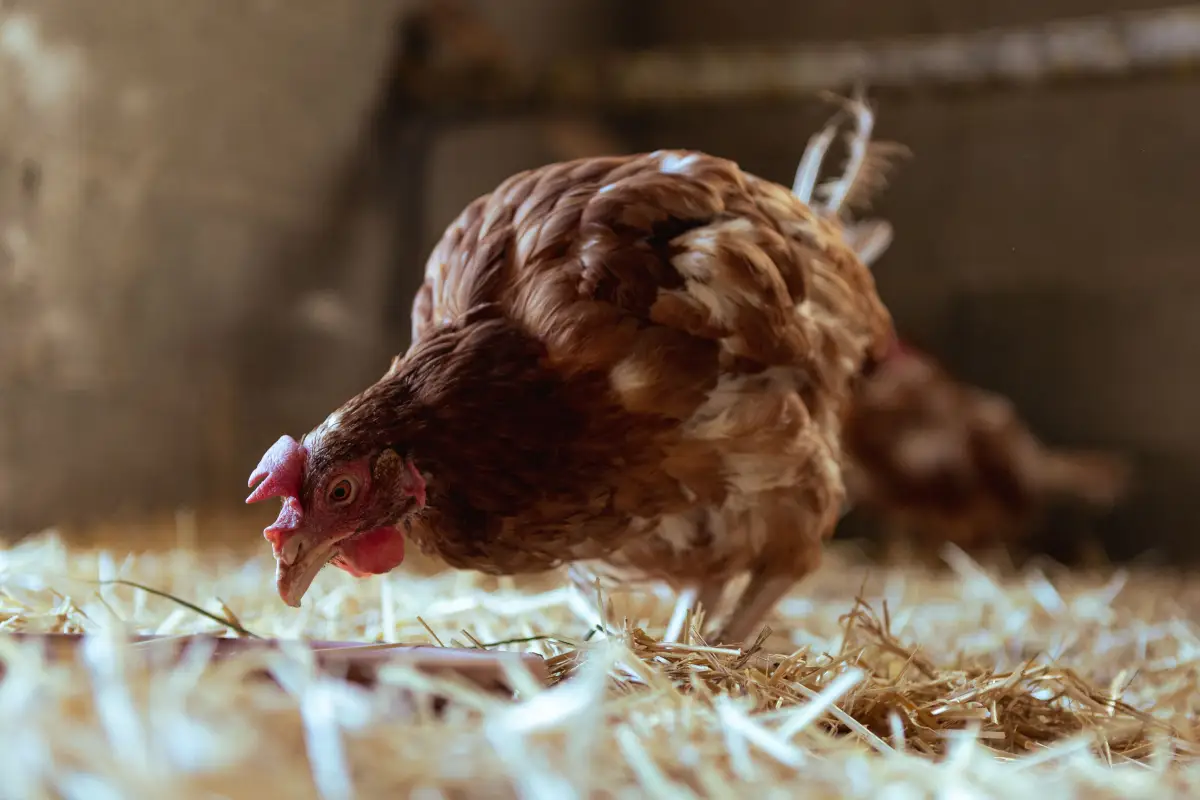
A Summer Electrolyte Protocol That Stops Before It Hurts
You will leave with a concrete decision tree: the temperature and duration that mandate action, a recipe that removes concentration guesswork, a strict time limit on access, and a set of red flags that demand immediate withdrawal. The goal is to use electrolytes only when they prevent harm, never when they cause it.
Your Heat-Stress Electrolyte Checklist
- Verify true heat stress using the 90°F / 4-hour threshold, not just a warm day.
- Mix the DIY recipe below—exact measurements only, no improvisation.
- Limit electrolyte access to 6 hours maximum; never offer overnight.
- Place a separate plain water source next to the electrolyte solution.
- Remove electrolytes immediately if any bird develops diarrhea, excessive drinking, or lethargy.
Checklist Items Explained
Know the Threshold: 90°F for Four Hours or More
Physiologically meaningful heat stress begins when the temperature-humidity index (THI) hits about 90°F (32°C) for at least four hours. Below that, ventilation, shade, and cool water handle the load. University of Florida and University of Georgia extension materials agree: electrolyte supplementation is only warranted when birds are panting heavily and feed intake has dropped.
Evaluation takes a minute. Check your local forecast for the afternoon high and its duration above 85°F. If it crosses 90°F and stays there four hours or longer, act. The most common error: treating any hot day as an electrolyte day. Starting at 85°F wastes product and habituates the flock to salty water, causing refusal when the real crisis hits.
Mix This DIY Electrolyte Recipe, Not a Guess
A homemade solution gives you precise concentration control and costs almost nothing. The recipe, adapted from extension emergency heat-stress formulations:
For one gallon of water:
- 1 teaspoon of table salt (sodium chloride)
- 1 teaspoon of baking soda (sodium bicarbonate)
- 1 tablespoon of granulated sugar (sucrose)
Dissolve completely. The sugar offsets reduced feed intake; the salts restore the sodium, chloride, and bicarbonate lost through panting.
Mixing takes under five minutes. The mistake to avoid: adding extra salt or sugar “for good measure.” Overconcentrated mixes pull water from tissues, deepening dehydration. If substituting potassium chloride (salt substitute), cut the amount by half—poultry kidneys handle excess potassium poorly.
Limit Access to 6 Hours or Less
Serve electrolyte water only during peak heat, roughly late morning to mid-afternoon, and remove it after six hours at most. Prolonged exposure drives excessive drinking, sodium toxicity, and wet droppings that attract flies and spike ammonia.
It takes a minute to hang a second waterer and another to take it down. The mistake that keeps recurring: leaving electrolytes out overnight. Chickens drink little at night, and warm leftover solution becomes a bacterial hazard.
Always Offer a Plain Water Choice
Set a separate waterer of fresh, untreated water beside the electrolyte solution. Birds that need the salts will choose them; others will hydrate without being forced into a sodium load. This single step prevents forced consumption and lets individuals self-regulate.
Setup is immediate. The error: trusting one community waterer to do the job. Forcing every bird to drink electrolytes is exactly how toxicity develops in those that don’t need them.
Watch for These Three Overuse Signs
Pull electrolytes the moment you see:
- Watery or persistent diarrhea. Sodium draws water into the gut, producing loose droppings that dehydrate rapidly.
- Polidipsia—drinking far more than usual. A chicken normally consumes about one cup of water daily. Constant, obsessive drinking signals an overly salty solution or sodium overload.
- Lethargy or droopy wings after drinking. Sodium ion poisoning manifests quickly under high water turnover.
These signs can appear within hours and resolve almost as fast when you switch back to plain water. The typical oversight: dismissing mild diarrhea as “just the heat.” Electrolyte-induced diarrhea is a direct stop signal, not a side effect to tolerate.
Before You Pour: A Final Verification
Run this check before hanging the electrolyte waterer:
- Is the forecast THI above 90°F for four or more hours today?
- Did I follow the recipe exactly, with no added salt or sugar?
- Is a plain water alternative in place?
- Do I have a plan to remove the solution after 6 hours?
- Are all birds free of diarrhea, excessive drinking, or lethargy?
A single “no” means skip the electrolytes and first address ventilation, shade, and cool drinking water.
Frequently Asked Questions
Can I use commercial electrolyte packets instead of DIY?
Yes, but only if you follow the label precisely. Many are multi-species formulas that become toxic for poultry when “eyeballed.” The DIY recipe removes the guesswork and matches poultry-specific requirements.
Should I give electrolytes to chicks?
Chicks under four weeks have immature kidneys and are highly sensitive to imbalances. Under proper brooding temperatures, they should never need electrolytes. In a heat emergency, offer plain cool water and move the brooder to a cooler space first.
How do I know if it’s heat stress or something else?
Heat-stressed birds pant open-beaked, hold wings away from the body, and eat less. If those signs align with the temperature threshold, electrolytes are indicated. Huddling, sneezing, or nasal discharge points to respiratory illness—electrolytes won’t help and may delay correct treatment.
Can I add electrolytes to the water “just in case” once a week?
No. Routine use disturbs sodium balance and creates a false sense of security. Restrict electrolytes to days that meet the threshold. A safer weekly boost is probiotics or apple cider vinegar—both carry negligible risk.
Stopping at the Right Time Is the Whole Skill
Used correctly, electrolytes act like a fire extinguisher—deployed only when conditions demand it. Master the threshold, mix without improvisation, and pull the solution on time, and you will prevent more harm than you ever cause. During the next heat wave, print the checklist and post it in your feed room; it will shrink decision time to seconds and eliminate the guesswork.