Stop Ignoring This Feather Pecking Warning Sign in Your Flock
Bare patches on a chicken’s back and repeated feather pulling among flock members signal that environmental conditions have crossed a threshold. This is not a minor squabble. It indicates that space, nutrition, or stimulation is failing. The reliable path to stopping it is to diagnose and correct the underlying cause before resorting to a repellent spray.
Recognizing Escalation: When Feather Loss Becomes a Flock Emergency
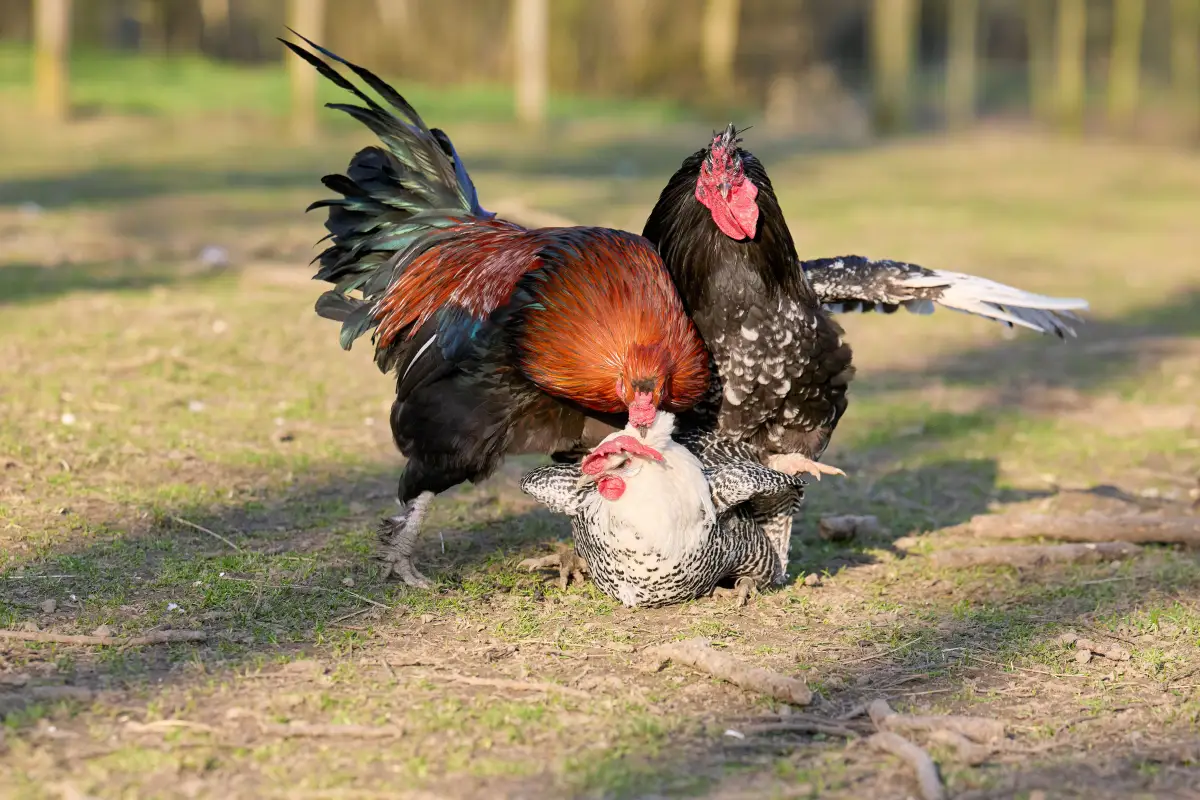
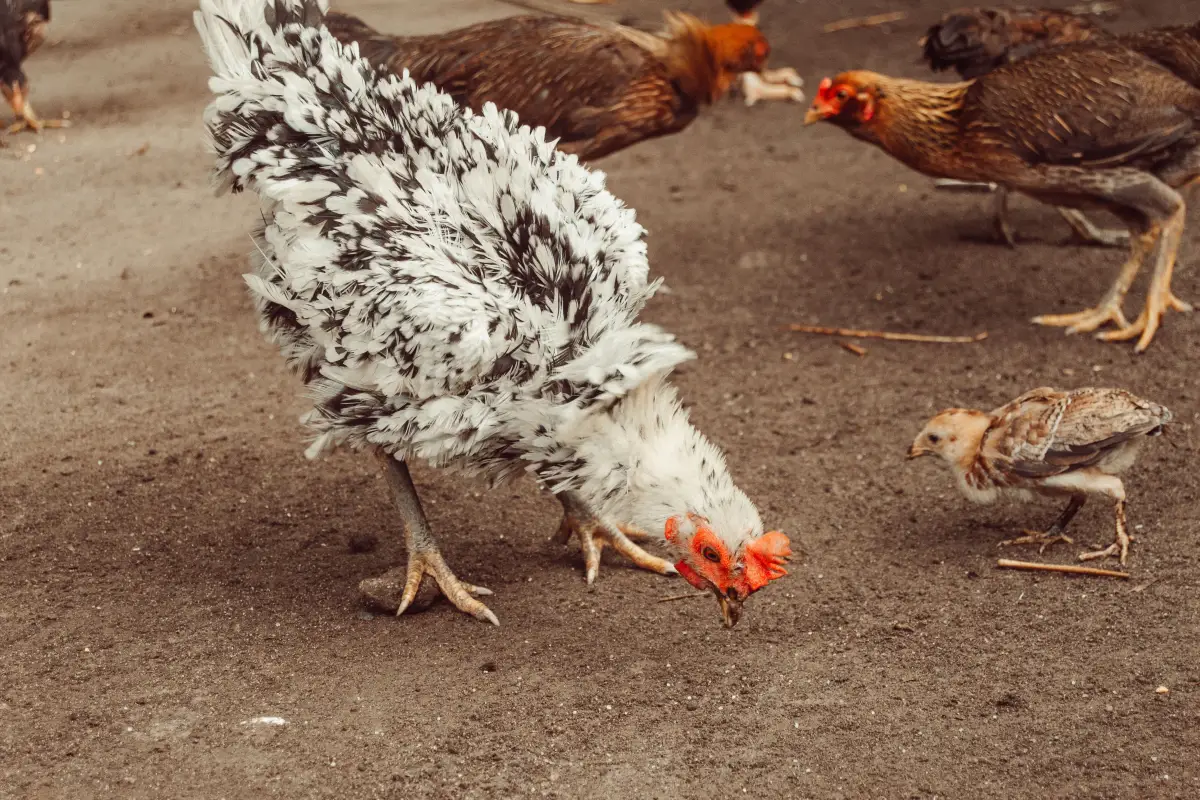
Destructive feather pecking differs from the brief jabs of a pecking order. Look for broken feather shafts and bald spots around the vent, lower back, or wing bases. If birds obsessively pluck a flockmate even as she tries to retreat, the problem has already intensified. Once skin is broken and blood appears, the risk of cannibalism rises sharply. In most cases, the primary trigger is environmental stress—limited space, a bare enclosure, or a diet that misses critical nutrients.
Stopping the Damage: A 4-Step Intervention Before Diagnosis
- Isolate any bird with raw wounds. Place her in a recovery crate where she can see but not contact the flock until skin heals.
- Add enrichment immediately. Hang a whole cabbage, drop a commercial peck block in the run, and scatter a small amount of scratch grain in deep litter to redirect pecking toward acceptable targets.
- Verify that every hen can eat and drink without competition. Count feeder space: aim for at least 3 inches of linear trough per bird, and add extra stations if some hens are being driven away.
- Apply a bitter anti-peck spray to the injured bird’s bare skin only, not the whole flock. Use it as a short-term barrier while the real cause is identified and corrected.
Identifying the Root Cause: A Systematic Checklist
Overcrowding: When Square Footage Falls Short
Cramped conditions are the most common catalyst. If birds cannot move without physical contact, pecking is almost guaranteed. Measure the coop floor: provide a minimum of 4 square feet per standard hen indoors and 10 square feet in the outdoor run. A quick stopgap is to set up temporary daytime fencing in a unused yard or open a protected garage bay until a permanent expansion can be built.
Boredom: Idle Beaks Seek Targets
A barren run leaves foraging instincts unspent, and hens redirect that drive onto feathers. Observe the flock: continuous idle pecking at the ground or each other without food reward confirms the condition. Fix it by maintaining a deep litter system with daily scratch grain tossed in, rotating at least two enrichment items (hanging greens, peck blocks, treat balls with oyster shell), and providing a dust bath area with coarse sand and wood ash.
Nutritional Deficiencies: The Protein-Methionine Connection
Diets low in crude protein or the amino acid methionine can provoke feather eating. Check the feed tag: layer rations should provide a minimum of 16% protein; during molt, a temporary switch to a grower feed with 18–20% protein supports feather regrowth. Offer small daily protein supplements—plain scrambled egg, black soldier fly larvae, or sunflower seeds—while maintaining free-choice oyster shell and insoluble grit.
Lighting and Heat: Stressors That Erode Tolerance
Excessive bright light beyond 16 hours per day or erratic timer failures make birds restless and more reactive. Set a steady 14–16 hour light schedule with a timer and avoid abrupt changes. Overheating amplifies irritability; ensure ventilation keeps the coop under 85°F during warm spells.
External Parasites: Mites and Lice as Hidden Agitators
Feather loss around the vent with flaking skin or visible specks that move at night points to parasites. Use a flashlight after dark to inspect the roost and vent area. Treat an infestation by cleaning the coop thoroughly and applying a poultry-safe permethrin product. Maintain dust bathing stations with sand and food-grade diatomaceous earth as ongoing prevention.
Underlying Illness or Chronic Pain
A hen weakened by internal infection, sour crop, or joint pain becomes a stationary target. When only one or two birds are being pecked, examine them for discharge, lameness, or labored breathing. Treat the condition and keep the compromised bird separated until she is moving well and the flock accepts her back.
When Standard Fixes Fall Short: Uncommon Triggers
Some high-energy, low-fiber rations provide plenty of calories but leave a hen unsatisfied, stoking neurotic pecking. A short-term switch to a feed with more whole grains and insoluble fiber can break the cycle. Genetic predisposition matters: certain high-production Leghorn strains are more flighty and prone to pecking than calmer dual-purpose breeds. If genetic tension is a recurring issue, restocking with heritage breeds reduces risk. A single chronic bully may also need permanent removal; pecking is a learned behavior that can spread through a flock even after the original trigger is resolved.
Preventing a Recurrence: Designing a Flock That Stays Calm
Prevention rests on three non-negotiable factors. First, calculate space at the planning stage—never below 4 square feet inside and 10 square feet outside per bird. Second, build daily behavioral variety: rotate hanging greens, keep at least two pecking stations active, and maintain deep litter that invites investigation. Third, audit diet quarterly and during molt to keep protein above 16%. Quarantine newcomers for a minimum of two weeks to ensure they are healthy and calm before integration. Finally, schedule a 5-minute visual check of every bird each month; a handful of broken feathers caught early will prevent a full-blown outbreak months later.
Feather Pecking FAQs
Why are my chickens pecking each other’s feathers out?
It almost always traces back to a deficit: not enough space, no outlet for foraging behavior, or a protein-methionine gap in the diet. The behavior starts as a redirected impulse and hardens into habit.
Will feather pecking lead to cannibalism?
Yes, once blood is drawn. Chickens are drawn to the color red, and tasting blood can escalate within hours. Any bleeding hen must be removed immediately.
What can I put on a chicken to stop feather pecking naturally?
A bitter poultry-safe anti-peck spray applied to the exposed skin is a stopgap, but it only buys time to fix the real cause. Pure aloe vera gel can soothe the skin and make the area less appealing while environmental corrections are underway.
How much space does each chicken need to prevent pecking?
A minimum of 4 square feet per bird in the coop and 10 square feet in the run. Double those numbers if birds have no access to free-range days.
Are certain breeds less prone to feather pecking?
Calmer, dual-purpose breeds like Orpingtons, Australorps, and Wyandottes tend to be less flighty and less likely to peck than high-strung production hybrids. But even these breeds will revert to feather pecking if their environment is poor.
When Feather Pecking Persists: Next Steps
If you have systematically corrected space, enrichment, diet, lighting, parasites, and any underlying illness and the pecking continues, seek an outside assessment. Contact an avian veterinarian or your nearest university extension poultry specialist. Isolate any bird that remains an instigator; chronic aggressors that cannot be reformed need permanent removal from the flock. In cases where inherited pecking behavior has been confirmed, culling may be the only option to safeguard the rest of the hens.