What Extension Experts Recommend for Coop Materials
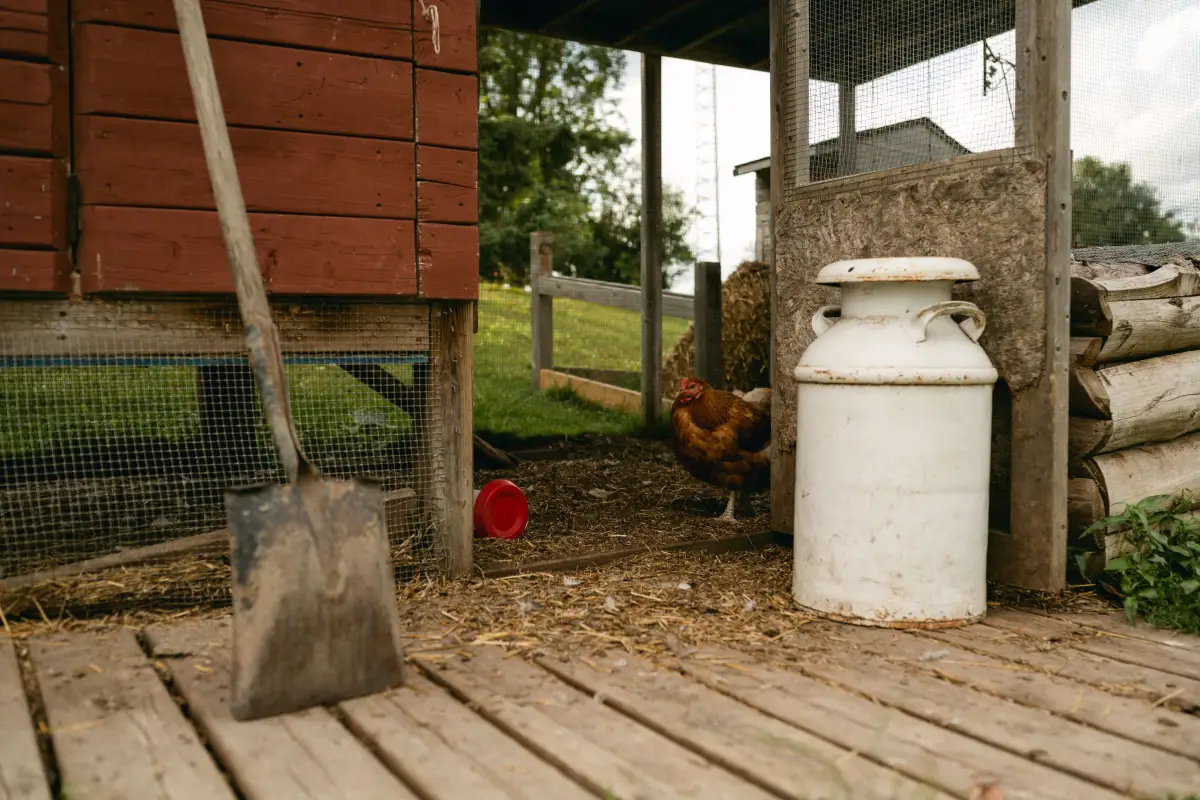
Most cooperative extension poultry guides point to pressure-treated lumber for a coop’s structural skeleton—with a firm rule: keep it out of reach of beaks and feet. The frame can handle the wet ground; the surfaces birds touch every day must be untreated wood. That pairing isn’t a matter of preference. It comes from decades of watching what rots, what sickens a flock, and what fails when ammonia and moisture settle in. Extension services look at materials through a long lens: rot resistance, cleanability, and chemical exposure in the places chickens eat, breathe, and sleep. The answer for a given coop area isn’t a single product—it’s a layered set of choices, each matched to a specific job inside and outside the structure.
The Material That Balances Safety, Cost, and Durability for Most Backyard Flocks
Pressure-treated lumber stands as the consistent choice for ground-contact framing, foundation plates, and run posts, provided it is modern copper azole or micronized copper stock—never salvaged CCA. The rot protection it gives the base is what keeps a coop level and solid through rainy winters. That benefit comes with a hard boundary: no bird should ever roost on it, nest in it, or peck it. Every interior surface, from roost bars to nest box floors to the lower wall panel a hen stretches toward, should be untreated solid wood sealed with a water-based, low-VOC finish. Add exterior-grade plywood for walls, a metal roof, and ½-inch hardware cloth over all openings, and you have the formula repeated in extension bulletins from Georgia to Oregon—practical, protective, and built to outlast shortcuts.
At a Glance: How Common Coop Materials Compare
| Material | Price Range | Key Features | Performance Under Moisture & Use | Ease of Handling | Best For |
|---|---|---|---|---|---|
| Pressure-Treated Lumber | $$ | Rot & insect resistant; modern copper-based preservatives | Excellent ground-contact durability, 10+ years | Heavy; requires predrilling, gloves | Framing, sill plates, posts, run framework |
| Exterior-Grade Plywood | $ | Smooth, structural, waterproof glue lines | Good if edges sealed; swells only when submerged for days | Easy to cut, paint, attach | Wall sheathing, sealed floors, nest box walls |
| OSB (Oriented Strand Board) | $ | Inexpensive sheet good | Poor moisture resistance; edges swell and flake rapidly when wet | Light and simple to install | Only fully protected interior in very dry climates |
| Solid Untreated Wood (Pine, Poplar) | $ | Non-toxic; soft enough for birds to grip | Rot-prone if not sealed; can be pecked over time | Very easy to work with | Roost bars, nest boxes, interior trim |
| Metal Roofing & Siding | $$$ | Galvanized steel or aluminum; fire-resistant, predator-proof | Decades of life, no rot, simple to wash down | Sharp edges must be filed; needs tin snips | Roofing, upper wall panels, predator aprons |
| Hardware Cloth (½" galvanized) | $$ | Welded wire mesh, small openings | No structural role; stops raccoons, weasels, snakes | Pliers, U-staples; burying a skirt is labor-intensive | Windows, vents, run walls, buried predator barriers |
Pressure-Treated Lumber: Rot Resistance That Comes with a Caution
Modern treated lumber is a different material from the CCA stock that left the residential market in 2003. Copper azole and micronized copper treatments are approved for ground contact, and extension engineers regularly specify them for coop foundations and run posts in damp regions. The risk is not from casual contact but from ingestion: repeated pecking at treated surfaces can lead to copper accumulation, and splinters can lodge in foot pads. That’s why every responsible guide that endorses treated framing pairs it with the instruction that roosts, nest boxes, and any wall a bird can reach must be untreated wood or heavily coated with a non-toxic barrier paint. Cut the lumber outdoors wearing a dust mask and gloves, and let it dry completely before closing it inside the coop so any residual vapors dissipate. A coat of exterior latex over cut ends blocks both moisture entry and direct beak access.
Exterior-Grade Plywood: The Workhorse for Walls and Floors
Exterior-grade plywood earns its place because the phenol-formaldehyde glue bonds cure to an inert state—after airing out, it becomes a stable, low-risk panel for the coop interior. Extension publications frequently list ½-inch or ¾-inch exterior plywood for wall sheathing and floor decks, with the firm requirement that every edge and cutout be sealed with a high-quality exterior paint or urethane. The smooth face denies mites a foothold and wipes down quickly, which matters as much for disease control as for neatness. Steer clear of interior plywood grades; their urea-formaldehyde glues keep emitting in the warm, humid conditions of a closed coop at night, and the panel itself swells when moisture works in. Before moving birds in, give the coop a week of ventilation to clear any factory odors from the plywood.
OSB: Budget-Friendly but Moisture-Sensitive
On price per sheet, OSB tempts a lot of first-time builders. The trouble is that its moisture performance runs directly opposite to what a long-lasting coop needs. Once water reaches an uncapped edge, the strands swell, loosen, and never tighten again. Extension poultry housing guides rarely mention OSB except as a caution—something you might use inside a desert coop that stays absolutely dry year-round, but only after sealing every edge and fastener hole with two coats. In a typical backyard with morning dew, winter rain, and periodic washdowns, that small upfront savings becomes a fast path to warped panels and trapped moisture that fosters bacteria and coccidia oocysts. The lesson from extension data is straightforward: if the budget feels tight, build a slightly smaller coop with better materials rather than relying on OSB where moisture exists.
Solid Untreated Wood: The Safest Choice for Interior Contact
Where a chicken’s body meets the structure, the material must be risk-free. Softwoods like white pine, southern yellow pine, and poplar are the standard for roost bars, nest box bottoms, and pop-hole doors because they carry no preservative load and can be shaped to a comfortable contour. A water-based, low-VOC stain or paint seals the surface for washing without introducing respiratory irritants. The obvious trade-off is that untreated wood rots faster than treated stock if moisture collects around joints or end grain, so it belongs above the drip line and needs air circulation on all sides. Some extension datasheets recommend sanding roost bars to a rounded top edge to prevent pressure sores on keel bones and feet—a small detail that shows how material choice and flock welfare run together.
Metal Roofing and Siding: The Low-Maintenance Outer Shell
Galvanized steel or painted aluminum panels serve as the outer armor of a well-built coop. They shed water completely, resist the ammonia-laden moisture that rises from litter, and offer no purchase for mites or lice. In fire-prone regions, extension fire-safety bulletins specifically name metal roofing as a protective measure that can stop a wind-blown ember from igniting a wooden roof. The downsides—rain drumming and heat gain—are manageable with a radiant barrier or a simple air gap between the metal and the framing. Every cut edge needs careful dressing: burrs and sharp corners pose a real hazard to both birds and people reaching inside. A metal J-channel or hemmed edge eliminates that risk and extends the life of the panel.
Hardware Cloth: The Non-Negotiable for Predator Protection
Nearly every extension poultry bulletin draws a sharp line: chicken wire is for confinement, hardware cloth is for exclusion. Half-inch galvanized mesh keeps out raccoons, weasels, rats, and snakes—the predators that probe small openings after dark. It belongs over windows, eave vents, run walls, and buried in an L-shaped apron to defeat diggers. Installation demands a 12-inch trench, U-shaped staples every few inches, and patience, but no other material in this list delivers the same species-selective barrier. Relying on chicken wire is a gamble extension guides warn against in the strongest terms, because the holes are big enough for a raccoon’s hand or a snake’s body. The labor spent burying hardware cloth is the single most effective step in keeping a flock safe at night.
How Materials Compare on Moisture Resistance, Chemical Safety, and Bird Health
Moisture resistance drives not only how long a coop stands but also what grows inside it. Pressure-treated timber and metal shed water year after year, holding their shape while untreated wood and OSB absorb it. But the deeper concern is biological: damp wood fosters coccidia oocysts and ammonia-producing bacteria that inflame birds’ airways. That’s why extension guides frame smooth, sealed, quick-drying surfaces as a health practice, not just a construction detail.
Chemical safety draws a bright boundary. Untreated solid wood and metal are inert once any manufacturing residues are cleared. Pressure-treated lumber falls in the middle—low risk when it stays outside the pecking zone, but a definite hazard if birds ingest splinters or dust. Exterior-grade plywood lands in the low-risk category after ventilation; interior-grade plywood and unsealed OSB should not be used in a closed coop at night.
For the longest trouble-free life, a combination of metal roofing, pressure-treated base framing, exterior-plywood walls, and hardware cloth openings outperforms all-wood designs by a wide margin. The initial material cost may run 20–40% more than an all-plywood and OSB build, but it sidesteps the water damage and hidden pathogen reservoirs that force an early rebuild. At the roost level, untreated softwood remains the only affordable surface that carries zero chemical worry.
Which Material Should You Choose for Your Coop?
If budget is the binding constraint and you can repaint and repair regularly: Build the base and frame with pressure-treated lumber, sheathe walls in exterior-grade plywood, and make all contact surfaces from untreated pine. Skip OSB, and plan to repaint plywood edges every couple of seasons.
If you live in a wet climate or on heavy soil: Lead with metal roofing, pressure-treated sill plates, and a hardware cloth apron to keep the base dry. Avoid any wood siding on walls that face prevailing rain.
If bird safety is the top priority: Keep the interior entirely untreated solid wood—roosts, nest boxes, lower walls—coated with a water-based, zero-VOC finish. Restrict pressure-treated lumber to the outside frame where beaks never reach.
If fire risk shapes your choices: Use metal roofing and metal upper siding. Maintain a defensible space around the coop, and skip wooden shingles or untreated plywood on any exposed surface.
Answers to the Most-Googled Questions About Coop Material Safety
Is pressure-treated wood safe to use in a chicken coop?
Yes, when it is modern copper-based lumber and is placed only where chickens cannot peck or roost on it—foundation plates, exterior studs, run posts. Seal every cut end, and ensure all contact surfaces are untreated wood.
Does cedar make a good chicken coop material?
Cedar’s volatile oils can irritate a chicken’s respiratory tract, especially in a coop with limited ventilation. While cedar shavings are sometimes used as litter in open brooder settings, extension guides consistently recommend untreated pine or poplar for the coop structure itself to avoid that risk.
What thickness plywood should I use for a chicken coop floor?
A ¾-inch exterior-grade sheet is the safe minimum for a walkable floor. It prevents sagging, withstands regular cleaning, and can be sealed on all sides and edges. Thinner ½-inch panels can work for elevated nest box floors that carry less weight.
Do I really need hardware cloth if my coop is inside a fenced run?
Yes. Chicken wire and chain-link leave openings wide enough for a raccoon’s arm or a weasel to reach through. Only ½-inch hardware cloth closes those gaps, and it must still be skirted or buried to block animals that dig.
Building a Coop That Lasts: The Final Choice
Extension recommendations don’t settle on one star material; they settle on a set of material rules that work together. Pressure-treated framing under a metal roof, sealed exterior-grade plywood walls, untreated interior wood for every surface birds touch, and ½-inch hardware cloth at all openings. That combination respects the three conditions a flock depends on: steady moisture control, chemical safety in the breathing and eating zone, and a predator barrier that doesn’t quit. Get those choices right at the start, and the rest of the build is a matter of carpentry, not crisis management.