How Do I Raise Dual Purpose Chicks for Both Eggs and Meat?
The real challenge with dual‑purpose chicks is not that they are fragile—it is that their growth unfolds on a longer, more deliberate clock. They need a brooder schedule that cools gradually, a feed program that avoids the explosive rations meant for broilers, and a separation point timed before cockerels begin competing. When these transitions are paced correctly, a keeper ends up with pullets that settle into steady laying and cockerels that fill out to a solid four to five pounds by 22 to 24 weeks.
What a Mature Dual‑Purpose Flock Produces
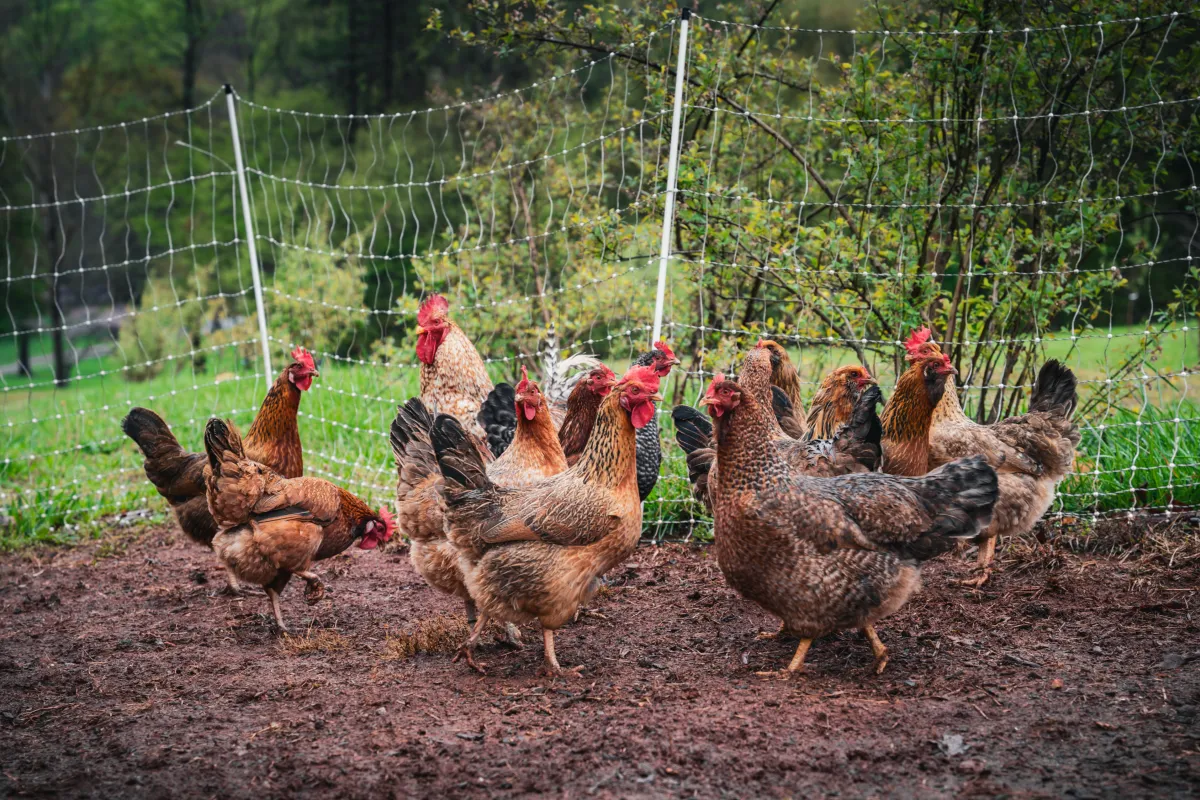
A finished dual‑purpose flock looks like hens scratching for bugs and delivering four or five brown eggs a week, with cockerels yielding a dressed weight of four to five pounds after a 22‑week grow‑out. The females typically begin laying at 22 to 26 weeks—slower than production hybrids, but their cycles stay reliable over two or three years. The males, raised on a steady moderate protein plan and moved to their own pen early, produce a firm, flavorful carcass that does not carry the soft texture of fast‑grown broilers.
The Dual‑Purpose Chick Calendar from Day One to Harvest
- Set up a brooder with a reliable thermometer, starting at 95 °F and lowering 5 °F each week
- Feed a 20–22 % protein chick starter from hatch day
- Offer clean water and place a dish of chick‑grade granite grit by day 3
- Shift to an 18 % grower ration at 6 weeks; cockerels remain on this until processing
- Give short, supervised outdoor time on warm days starting around 4–6 weeks
- Move the flock into a predator‑proof coop and run by 6–8 weeks
- Separate cockerels into a bachelor pen at 8–10 weeks, before sparring begins
- Switch pullets to a 16 % layer feed at 18 weeks, and offer oyster shell separately
- Process cockerels between 20 and 24 weeks, when dressed weight hits 4–5 lb
Working Through Each Step: Temperature, Nutrition, and Timing
Holding Brooder Heat at 95 °F and Stepping It Down Weekly
A digital thermometer placed at chick height directly under the heat source is non‑negotiable—guessing the temperature leads to pasty butt or huddled, stressed birds. The warm end should read 95 °F during the first week, while the opposite side stays noticeably cooler so chicks can self‑regulate. Each following week, reduce the warm‑side reading by 5 °F until it equals the ambient temperature of the coop, which often takes about six weeks. The error that crops up most often is not the setting itself but the measurement: taking a reading too far above the floor or outside the heated zone gives a false sense of comfort while the birds are actually cold.
Starting on a 20–22 % Protein Chick Starter
Dual‑purpose chicks build frame and feathers steadily, not in a burst, so a crumble with 20–22 % crude protein supports that pace. Keep feeders full for the first several days, then switch to a hanging style to cut waste. Medicated or unmedicated starter depends on vaccination history, not personal habit—unmedicated feed combined with an unvaccinated flock leaves coccidiosis risk wide open. The mistake that slows growth is dropping to a 15 % feed before six weeks; it leads to feather picking and uneven development.
Adding Grit and Fresh Water by Day 3
Chicks cannot grind anything coarser than fine crumbles without insoluble granite grit. Set a small dish of chick‑size grit beside the feeder by day 3, topping it up weekly. The rule is simple: the moment you offer a treat, greens, or allow access to a grassy run, grit becomes a hard requirement. The hazard beginners overlook is an impacted crop from swallowing straw or long grass fibres without the grit to break them down.
Transitioning to an 18 % Grower Ration at Six Weeks
At six weeks, all birds move to an 18 % protein grower feed. Mix the old starter with the new grower over four or five days to let the gut adjust. Cockerels stay on this ration until processing day; pullets remain on it until they approach point‑of‑lay. The trouble shows up when a keeper puts cockerels on a 14–15 % maintenance feed early, hoping to save cost, only to watch the birds stretch their grow‑out by weeks and dress out disappointingly light.
Offering Brief Outdoor Sessions at 4–6 Weeks
Once chicks are partially feathered and the afternoon temperature climbs above 65 °F, let them scratch in a dry, secure pen for an hour or two. Wet grass is a threat—it chills them quickly and turns the run into a coccidiosis risk. The practical misstep is leaving young birds unattended on damp ground, exposing them to both a chill and a pathogen that thrives in moisture.
Moving the Flock to the Coop at 6–8 Weeks
By this age, dual‑purpose chicks are fully feathered and can maintain body heat, but a cold snap can still set them back. Transfer them to a well‑ventilated coop with low roosts and a dust‑bath spot. If overnight temperatures fall below freezing, a safe heat source for another week or two protects them while they adjust. The common error is assuming they are hardy enough to handle any temperature immediately; even heritage birds benefit from a buffer against a sudden plunge.
Splitting Cockerels from Pullets at 8–10 Weeks
Dual‑purpose cockerels start showing comb growth and mounting behaviour by eight weeks. Moving them to a separate pen at this stage spares the pullets from stress and injury, and it makes feed management straightforward. Use leg bands at hatch to keep track of sex if the breed is difficult to identify early. The risky shortcut is leaving them together until twelve or fourteen weeks, by which time the pullets have often lost condition and the cockerels have learned habits that are harder to manage.
Changing Pullets to Layer Feed at 18 Weeks
Unless an early egg appears, wait until eighteen weeks to introduce a 16 % layer pellet with added calcium. Oyster shell offered on the side allows each bird to regulate her own intake. Switching before the skeleton is fully mature can strain the kidneys. The dangerous oversight is letting any cockerels that remain nearby eat layer feed; the extra calcium will compromise their kidneys over time, so separate feeding areas are essential.
Processing Cockerels Between 20 and 24 Weeks
Cockerels reach a useful dressed weight of four to five pounds by twenty to twenty‑four weeks on an 18 % grower feed. Past that point weight gain slows dramatically, and the meat can become tougher. The mistake is holding them beyond twenty‑four weeks expecting a larger bird; the feed cost climbs while the payoff stays flat.
Final Check: Were the Key Transitions Hit on Time?
- Brooder heat dropped 5 °F each week until ambient
- Starter feed kept at 20–22 % protein through week 6, with grit provided
- Cockerels moved to their own pen by week 10
- Cockerels processed at a target weight of 4–5 lb by week 24
- Pullets on layer ration and oyster shell by 18–20 weeks
Questions That Come Up When Raising Dual‑Purpose Chicks
When do dual‑purpose hens usually start laying?
Most begin between 22 and 26 weeks, though a cold snap or stress can push that to 28 weeks. Once they receive 14–16 hours of light daily, production typically stabilises before 30 weeks.
How long are cockerels kept before processing?
They are kept for 20 to 24 weeks. The target is a dressed weight of four to five pounds on an 18 % grower ration. Keeping them longer adds feed cost without meaningful extra weight and risks tougher meat.
Can dual‑purpose chicks free‑range early?
Supervised time in a secure run can start at four weeks on mild days, but true free‑ranging should wait until eight to ten weeks, when full feathering and size give them a chance against small predators.
Which dual‑purpose breed is easiest for a keeper new to this?
Rhode Island Reds, Plymouth Rocks, and Orpingtons are forgiving choices. Orpingtons thrive in cold climates, while Reds handle heat better and remain productive.
Is separating cockerels and pullets really necessary for the whole grow‑out?
Yes—from eight to ten weeks onward, keeping them together raises stress, complicates rations, and often leads to pullet injury from mounting.
By following a timeline calibrated for the slower dual‑purpose growth curve, a keeper arrives at a steady laying flock and a batch of well‑finished cockerels. Next round, place leg bands on day 1 and write the hatch date on the coop calendar; that single practice removes guesswork from every transition.