Feeding Dual Purpose Chickens Like Layers? Here’s What You’re Losing
Feeding dual-purpose chickens the same layer ration used for lightweight commercial layers quietly extracts a cost in meat tenderness and eggshell integrity. The nutritional discrepancy is caused by a protein shortfall: standard layer feed delivers around 16% crude protein, which is insufficient for a bird that must sustain muscle mass across a heavier frame while also producing eggs. Shifting the protein intake upward by a modest increment—and keeping the calcium-to-phosphorus balance correct—reverses both problems without requiring a feed-room overhaul.
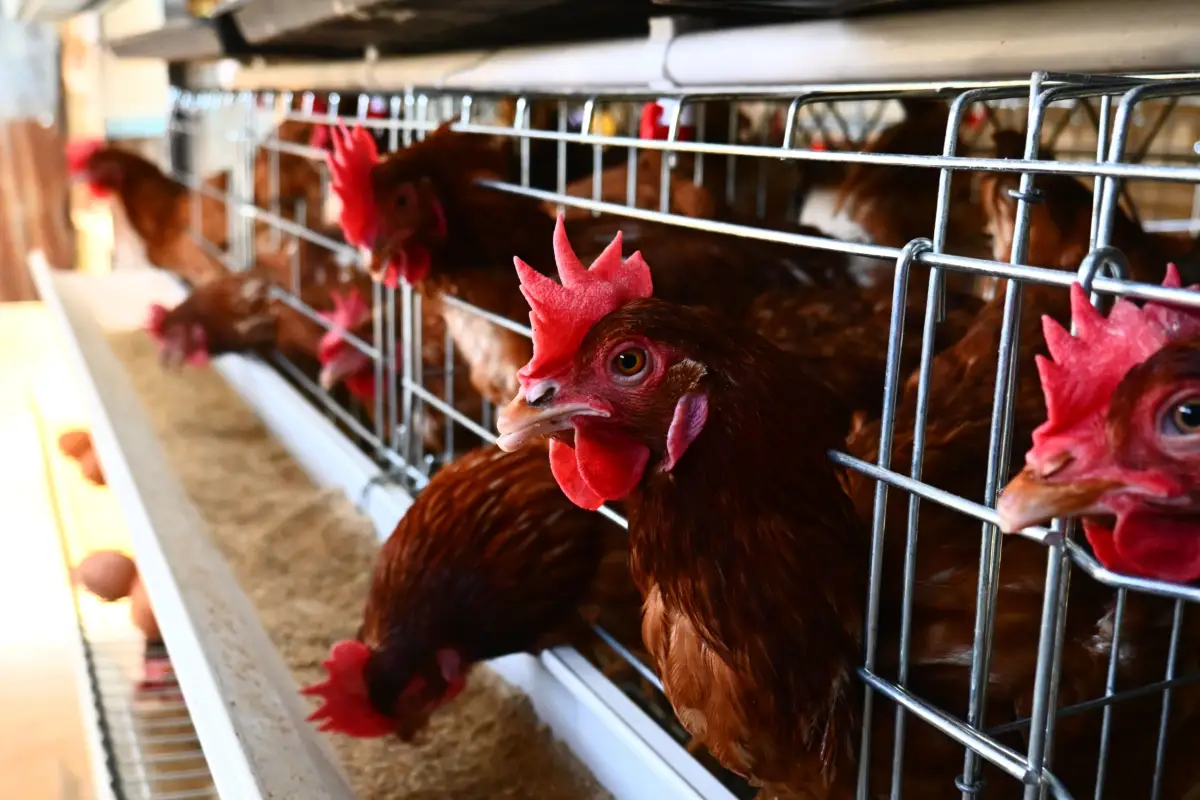
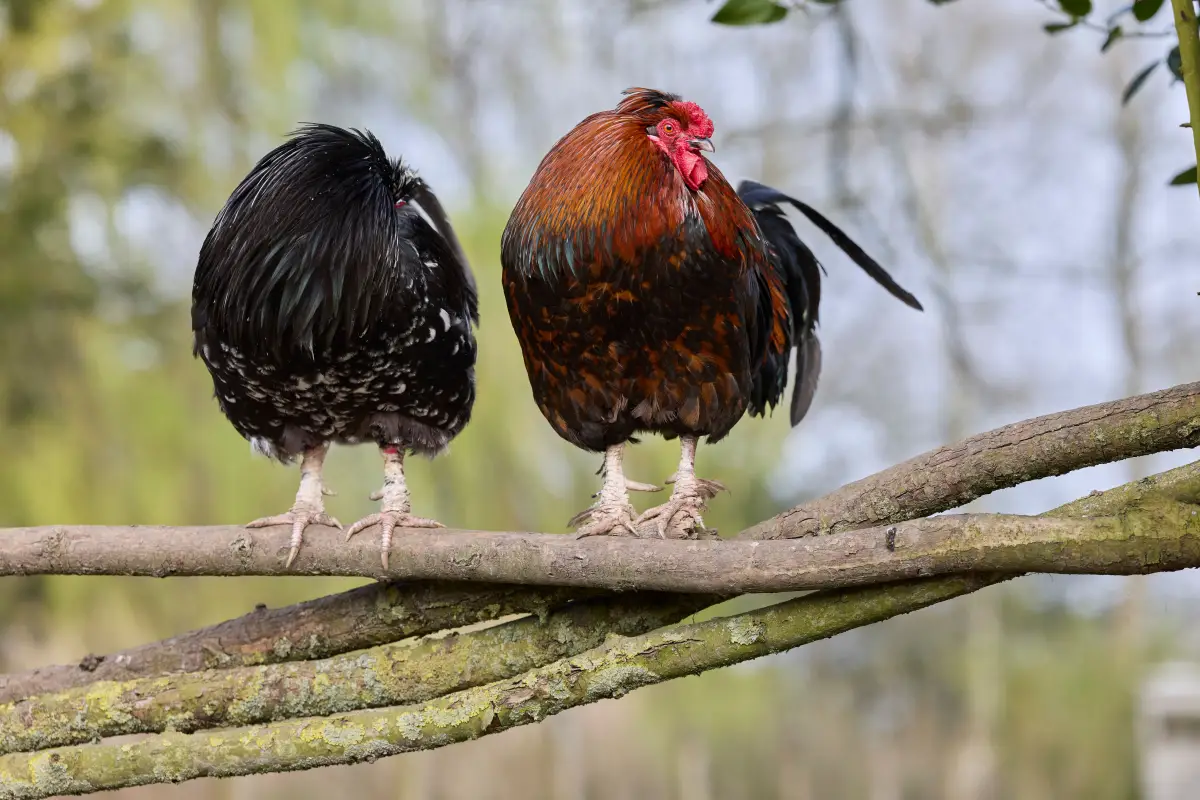
A Leghorn-type hen, the target of most layer formulations, carries roughly four and a half pounds of body weight and deposits little muscle beyond the absolute minimum needed for daily function. A Buckeye or Barred Rock hen can weigh six to seven pounds, and the genetic program that built that frame is the same program that wants to pack proteinaceous tissue onto the breast and thighs. When the diet provides only 16% protein, the bird diverts amino acids toward egg production, leaving its own muscle maintenance underfunded. The result is a hen that feels angular over the keel and produces eggs with shells that crack under a moderate handling pressure. Cockerels raised on the same ration reach processing weight with a lean, fibrous breast that dries out quickly when cooked. The fix is not complicated; it requires understanding the two nutritional forces that diverge the moment a dual-purpose bird enters the picture.
Protein and Calcium: The Two Forces That Separate Layer Feed from Dual-Purpose Needs
Poultry nutrition pivots on two pairs: energy-to-protein and calcium-to-phosphorus. A layer ration supplies ample grain energy, keeps protein moderate to hold down cost and limit excess bodyweight that might impair the laying apparatus, and saturates the diet with calcium—often above 3.5%—to supply a daily eggshell. A dual-purpose breed, even a female, has a wider skeletal frame, larger muscle attachment sites, and an inherent tendency to accrete muscle tissue when dietary protein allows. When the diet runs low on protein, the bird breaks down its own muscle to mobilize amino acids for egg protein synthesis. This cannibalization explains why the meat from a spent hen fed only layer pellets is almost always tough and stringy; it is, nutritionally, a bird that has been living off its own tissue. Eggshell strength suffers simultaneously because the calcium transport proteins and vitamin D-binding proteins that move calcium from gut to shell gland are themselves protein-dependent. A bird forced to scrimp on protein will exhibit shell thinning even if free-choice oyster shell sits in a hopper right next to it.
The Four-Stage Muscle-Shell Protocol
Stage 1: Record a Baseline Body Condition
Before altering any feed, determine whether the birds are actually losing muscle. Weigh three representative hens and palpate the breast muscle along the keel. A dual-purpose hen in positive protein balance shows a firm, convex muscle profile—the flesh rises on either side of the bone. A hen in deficit feels flat, and the keel bone protrudes with a sharp edge. Cockerels in the growing phase should exhibit a rounded, resilient breast that springs back when pressed, not a thin pad that feels like cardboard. This baseline prevents chasing a protein increase when the real problem is over-conditioning from excess energy; a flock that is already carrying visible fat pads needs a different correction.
Achieving this stage means the keeper can, at a glance or a touch, differentiate between a bird that is muscled and one that is merely heavy. A weekly hands-on check becomes routine, and the data—weight and a simple muscle depth score—are recorded so that changes after feed adjustment are measurable.
Stage 2: Lift Crude Protein to the 18–20% Band
The 16% layer pellet cannot simultaneously meet the maintenance and production protein demands of a heavy breed. Increasing the ration to 18–20% crude protein supplies the amino acids required for breast muscle deposition, feather regeneration during molt, and dense egg albumen. The adjustment can be made by blending a 20% all-flock or grower feed with the existing layer feed. A common ratio is two parts all-flock to one part layer; this yields roughly 19% protein while keeping calcium values from dropping below the minimum safe threshold.
Success at this stage is not a guess. Within six to eight weeks, several indicators shift. New feather growth appears fuller and more resilient. The hens carry more substance across the back and feel rounder when handled. Cracked into a pan, the egg white stands taller and spreads less—a direct marker of albumen quality. Cockerels processed at the adjusted intake produce breast meat that bends before tearing, and after a standard 24-hour wet-age, the cooked meat retains visible moisture. The difference is not a matter of opinion; it is the predictable result of meeting the bird's minimum methionine and lysine requirements for tissue synthesis.
Stage 3: Secure Calcium, Phosphorus, and Vitamin D as a Unit
When protein rises, the impulse is to add more calcium. But calcium alone, without sufficient phosphorus and activated vitamin D3, cannot form a dense eggshell. Dual-purpose hens on a varied diet often regulate calcium intake on their own if free-choice oyster shell is available; the bottleneck is usually phosphorus, which participates in muscle energy metabolism and bone matrix, and vitamin D3, which activates the calcium transport proteins in the gut. A ration that holds 0.4% or higher available phosphorus, combined with either direct sunlight on the birds' skin or a water- or feed-based D3 supplement, closes the loop.
Done well, the eggshells change from surfaces that show micro-fractures under a simple candling light to smooth, thick surfaces that produce a clear ringing sound when tapped together. Leg weakness and soft bones, the early signs of calcium being pulled from the skeleton, recede or never appear. The target is not just fewer cracked eggs; it is a shell thickness that, measured with an inexpensive micrometer, consistently exceeds 0.32 mm—the floor below which commercial grading penalties begin.
Stage 4: Validate with a Side-by-Side End Product Check
The only way to confirm that the nutritional changes worked is to evaluate the full outcome: both the meat and the eggs. Process one cockerel from the adjusted cohort at the same age and under the same conditions as one from the old-feeding period. Measure breast fillet thickness and cook the two using an identical method—roasting at the same oven temperature, with no marinade or salt beyond a baseline effort to equalize conditions. Note whether the meat from the adjusted group shreds less under a fork and retains more liquid. Simultaneously, track cracked-egg incidence for one month; a well-executed adjustment will reduce it to 3% or lower of total collection.
Validation means that the keeper moves from hoping the changes worked to knowing they did. It also provides a reference point: if shell quality slips again in a later season, the baseline measurements exist to retrace the steps.
The Protocol on a Small Acreage: A New Hampshire Flock Example
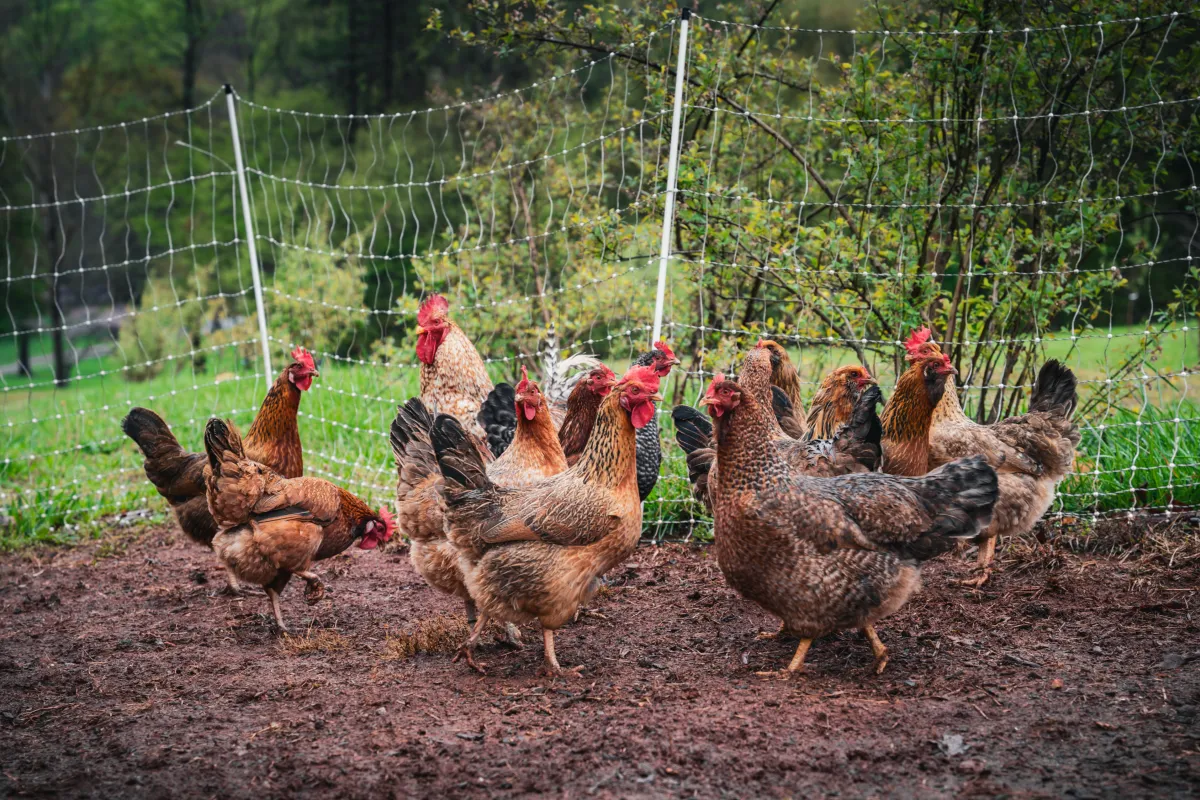
A homestead runs New Hampshire birds—hens kept for eggs and sporadic meat—on a 16% layer crumble. Cockerels processed at 16 weeks consistently yield stringy breast meat, and about 10% of collected eggs arrive with visible cracks. Baseline body checks show the hens weigh 6.8 pounds but lack the rounded breast profile.
Protein is raised to 19% by mixing all-flock feed (20% protein) into the layer feed at a two-to-one ratio. Free-choice oyster shell remains unchanged. After eight weeks, the next batch of cockerels is processed. The breast meat handles without tearing during butchering; roasted, it holds onto enough moisture that no one reaches for sauce. Eggshell thickness, measured with a micrometer on a sample of 30 eggs, climbs from an average of 0.28 mm to 0.34 mm. The added feed cost runs about $0.12 per bird per month, offset by a lower crack rate and a usable meat yield that justifies raising the cockerels in the first place.
Three Ways Keepers Derail the Protocol
Adjusting Protein Before Checking Body Condition
The most frequent skip is a protein increase applied to a flock that is already overweight. Excess energy in a layer diet, combined with the extra protein, pushes liver metabolism toward fatty deposits. The result can be sudden deaths from fatty liver hemorrhagic syndrome, particularly in older hens. The correct sequence is always baseline body condition assessment first; if the birds are fat, reduce the grain fraction, not just raise protein.
Swapping the Ration for a Gamebird Feed
Chasing a protein number, a keeper might switch entirely to a turkey or gamebird starter that contains 28% crude protein or higher. Mature chickens do not require that concentration, and the excess forces the kidneys to excrete nitrogen, producing wet litter and, in marginal water-intake situations, risking urate deposits. The 18–20% band is not a conservative guess; it reflects the documented biological response of heavy-breed chickens to amino acid supply without triggering the metabolic cost of excess nitrogen disposal.
Removing Calcium When the Feed Label Changes
When the word “layer” disappears from the feed tag, fear drives some keepers to pull the oyster shell supply. Calcium demand does not vanish because protein increased. The protocol separates the two: adjust the mixed ration for protein while keeping free-choice calcium entirely intact. Without that distinction, hens will strip calcium from their own skeleton to cover shell production, leading to cage-layer fatigue and irreversible bone damage.
Protocol Summary Table
| Stage | Objective | Essential Action |
|---|---|---|
| Baseline Body Condition | Distinguish muscle loss from excess fat | Weekly keel palpation and recorded weights |
| Protein Lift | Reach 18–20% crude protein | Blend all-flock/grower feed with layer feed at a calculated ratio |
| Calcium–Phosphorus–Vitamin D Triad | Build dense shells, protect skeleton | Free-choice oyster shell, verify feed provides ≥0.4% available phosphorus, supplement D3 if sun exposure is insufficient |
| End-Product Validation | Confirm meat tenderness and shell thickness | Comparative cooking test, monthly crack-rate tracking, micrometer shell measurements |
Frequently Asked Questions
Is it safe to feed the same layer ration to dual-purpose hens and Leghorns?
The ration will keep both alive, but the dual-purpose birds will lose muscle mass and produce thinner eggshells over time because the protein allocation is insufficient for their larger frame.
What exact protein percentage should I target?
18–20% crude protein consistently supports muscle maintenance, good albumen quality, and respectable meat tenderness in dual-purpose breeds. This range is reachable by blending commonly available feeds; it does not demand a specialty product.
How soon after adjusting the feed can I expect harder eggshells?
A measurable improvement in average shell thickness—typically 0.05 mm or more—appears within three to four weeks, provided vitamin D3 and calcium are adequate.
Will the meat actually taste better, or is it just texture that changes?
Texture and moisture retention improve directly because the muscle has more intramuscular protein and fat reserves during the grow-out; juicier, less fibrous meat is the result. Flavor is influenced more by breed and forage than by a modest protein increase.
The Protein Adjustment That Delivers Both Results
The Muscle-Shell Protocol runs in four ordered steps: body condition baseline, protein correction, calcium-triangle alignment, and whole-bird verification. Start with the baseline. Pick up the heaviest hen you have, run your thumb along the keel, and decide whether the muscle there feels full enough to justify the feed that fills her crop each day.