The One Place Most Owners Forget to Check for Chicken Illness
Most owners check the comb, eyes, and legs when a chicken seems off. They overlook the mouth and the vent—the two spots where respiratory disease and coccidiosis show up first. This guide walks through the exam that catches those signs early, before they run through the flock.
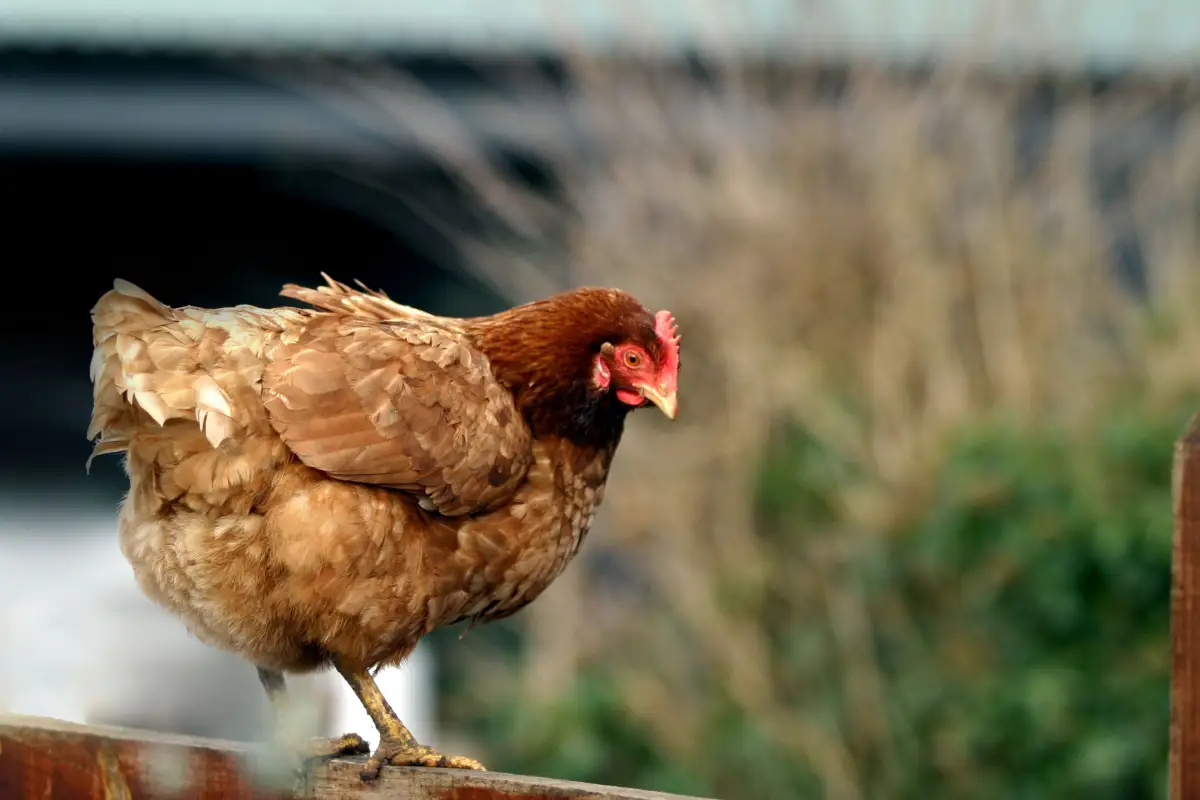
Respiratory infections like infectious bronchitis and mycoplasma leave mucus or plaques in the mouth. Coccidiosis shows up as blood on the vent. A glance from a distance won't catch either. You have to pick up the bird and look inside.
The Exam in Under 5 Minutes
- Put on disposable gloves and grab a headlamp or strong flashlight.
- Catch the bird and hold it securely, wings tucked.
- Open the beak and inspect the oral cavity—tongue, throat, choanal slit—for mucus, lesions, or unusual odor.
- Flip the bird vent-up and examine the vent for pasted droppings, blood, swelling, or discharge.
- Look at the nares (nostrils) and eyes for bubbles or discharge.
- Listen to the bird's breathing for clicks, sneezes, or gurgles.
- Note any unusual posture or comb color change.
Supplies That Make the Job Easier
- A headlamp or small flashlight—both hands free for handling.
- Disposable gloves—protect against bacteria and keep hands clean.
- A soft towel—useful for wrapping a struggling bird.
- A smartphone camera—to document anything unusual for a vet or later comparison.
The Full Exam, Site by Site
Catching and Handling Without Adding Stress
Approach from behind, cup the bird's body with both hands, tuck the wings. Hold it against your chest or on a table, one hand under the breast, feet supported. To check the vent, turn it on its back, cradle in your arms. A sick bird is often weaker and won't resist as much, but don't dawdle.
Checking the Mouth: Where Respiratory Trouble Hides
Press the corners of the beak with thumb and forefinger, open the mouth, and shine the light inside. Don't settle for a peek—pull the beak apart enough to see the choanal slit (the cleft in the roof of the mouth). A healthy bird has it clean and moist; any discharge is a red flag. Look for:
- White or yellow cheesy plaques: wet pox or canker.
- Clear, stringy mucus or bubbles: infectious bronchitis, mycoplasma, or ILT.
- Foul odor: canker, sour crop, or a deep-seated infection.
If you see plaques and the bird is bright, canker is treatable with specific medication. Bubbly mucus plus eye swelling points straight to mycoplasma—isolate immediately.
The Vent Check: Coccidiosis and Gut Trouble Show First Here
Flip the bird vent-up and brush aside feathers. A normal vent is pink, moist, and clean. Anything else matters:
- Fresh blood or dark tarry streaks: coccidiosis. Start a coccidiostat right away.
- Pasty white or yellow buildup: vent gleet. Clean gently and apply an antifungal.
- Swelling, redness, or prolapse: possible egg binding or infection. Warm soaks and a vet call are the next step.
- Mites: brown or red specks crawling around the vent mean treat the bird and coop now.
Nares and Eyes: Confirm What the Mouth Told You
Check nostrils for crust, bubbles, or mucus. A runny nose alone can be dust, but paired with mouth signs it reinforces a respiratory infection. Bubbles in the eye confirm mycoplasma.
Comb, Legs, and Posture: Secondary Clues
A pale comb can signal anemia from coccidiosis or worms; a blue comb points to heart or lung trouble. Scaly leg mites lift the scales—you'll feel the roughness. Still, the mouth and vent give the earliest warning, so focus there.
Listening to Breathing
Stand still and listen for clicks, wheezes, or a huff with each breath. Gurgling without a runny nose often means a lower respiratory issue that needs antibiotics.
What a Good Exam Looks Like
You know the exam worked if:
- You saw the choanal slit clearly and the vent base unobstructed.
- You noted any abnormality—even a tiny spot of mucus or a pasty feather—and can describe it.
- You compared with at least one healthy bird.
- The bird is calm and unharmed.
Take a photo of anything unusual; it helps a vet later.
Common Mistakes and Quick Fixes
Mistake: The light was too dim to see inside the mouth.
Fix: Use a headlamp every time. Ambient light in a coop throws shadows exactly where you need to look.
Mistake: The bird struggled and you couldn't get a clear view.
Fix: Wrap the bird in a towel, expose only the area you're checking, and work quickly.
Mistake: You misidentified normal pigmentation as disease.
Fix: Compare with a healthy bird. Some breeds have darker vent skin or a naturally pigmented tongue.
Mistake: You got pecked or scratched.
Fix: Wear gloves and hold the head securely, but never compress the neck.
Frequently Asked Questions
How often should I check my chickens' mouths and vents?
At minimum, once a month. During hot, wet weather, do it weekly—coccidiosis and respiratory diseases multiply fast.
Can I examine a chicken's vent without stressing it?
Yes. Cradle the bird on its back, support the neck, and speak quietly. Most hens settle in seconds.
What does a healthy vent look like?
Moist, pink, no swelling or discharge. A small, dry fecal cap is normal and rinses off.
My chicken has a terrible smell from the mouth—what could it be?
Canker, sour crop, or advanced respiratory infection. Feel the crop first: if it's doughy and smells, it's sour crop. Otherwise, look for cheesy plaques inside the mouth.
Putting the Exam to Work
A hands-on check of mouth and vent catches diseases early. Next, make this exam part of your monthly flock walk and keep a simple notebook of anything you find.