The 7 Daily Checks That Keep a Backyard Flock Healthy
A backyard flock can be reduced from six birds to four in a weekend by a disease that was visible on the droppings board two days earlier. A morning and evening checklist — printed and followed — replaces guessing with a searchable record of what was checked, when, and why. Each of these seven tasks is paired with the specific health failure it catches.
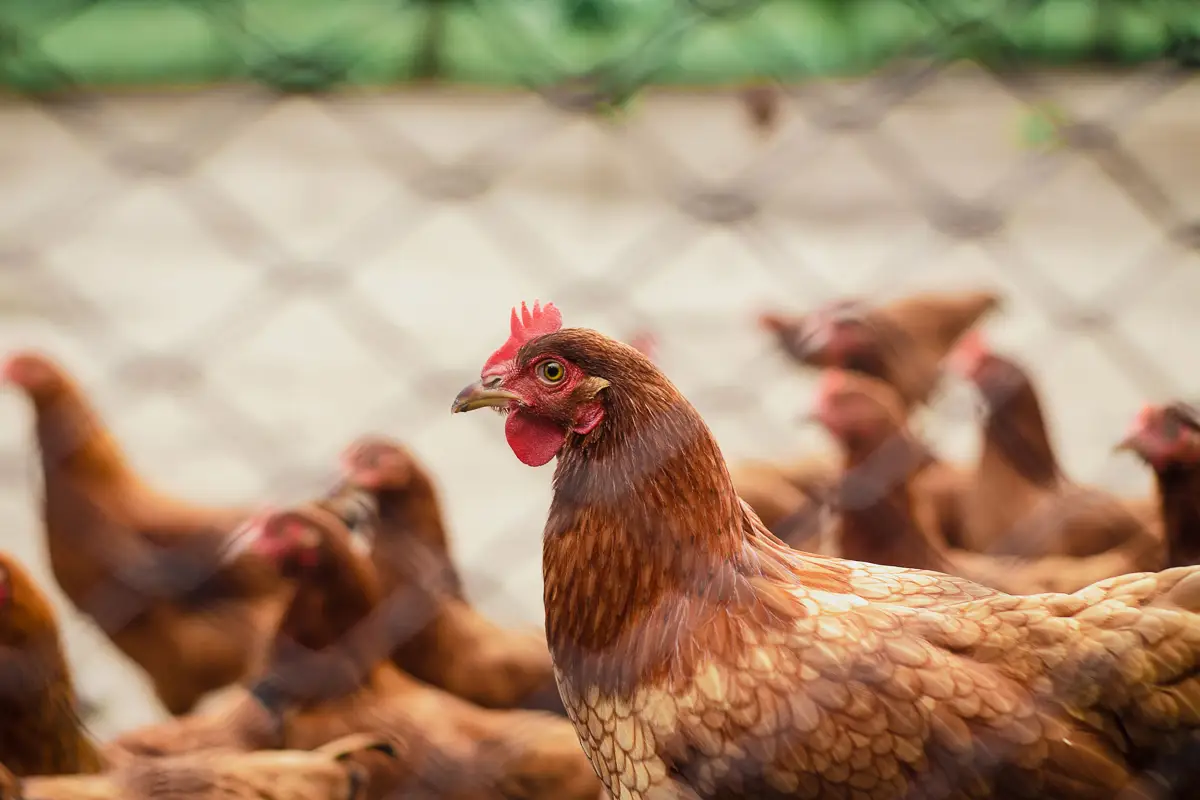
The 7 Daily Checks at a Glance
- Water and drinker hygiene
- Feed freshness and feeder condition
- Nest box tidiness and egg collection
- Dropping board or roost inspection
- Head-to-comb visual sweep
- Footpad and leg exam
- Coop security and lock-up
1. Water and Drinker Hygiene — Preventing Dehydration and Disease
Fill all drinkers with clean, cool water. If the water level dropped little overnight, check nipples or float valves for clogs. Run a finger inside the drinker trough; if it feels slick, dump and scrub with a vinegar-water solution (1 part vinegar to 10 parts water) to remove biofilm.
Why it matters: Dehydration can kill a chicken in less than a day during a heat wave. Biofilm harbors E. coli and other bacteria responsible for vent gleet and chronic digestive upset. An empty drinker also masks a sick bird that has stopped drinking.
Branch: If the water is frozen, install a heated waterer base immediately. If you see algae or green tint, the drinker sat in direct sun too long; move it to shade.
2. Feed Freshness and Feeder Condition — Preventing Mold Toxins and Nutritional Deficits
Top off feeders and scan the contents. Scoop out any fines, clumped pellets, or seeds that look darker than the rest. If the feeder tube shows condensation inside, empty and dry it — moisture activates mold spores. For flocks that free-range, a quick glance at the crop of one or two birds before they start foraging confirms they ate this morning.
Why it matters: Aflatoxins from moldy feed damage the liver silently; the only early sign is a drop in egg production. Packed fines at the bottom of a feeder lead to selective eating and nutrient gaps, especially in calcium. A bird with an empty morning crop (pendulous and small) is either ill or being bullied away from the feeder.
Branch: If you find mold — any fuzzy growth or distinctly musty smell — discard the entire feeder's contents, do not try to salvage. If the feeder is attracting wild birds, switch to a treadle feeder.
3. Nest Box Tidiness and Egg Collection — Preventing Egg Eating and Brooding
Collect eggs first thing in the morning; leaving them invites pecking experimentation and accidental breakage. While you're there, pull out any wet or soiled bedding, check for lice ticks in corners, and count eggs against the number of hens you expect to lay. A noticeable drop (two or more fewer than usual) flags a problem before you see a sick bird.
Why it matters: Egg eating starts as curiosity and becomes a hard-to-break habit that spreads through the flock. A hen that goes broody in a warm nest box stops eating enough and loses condition — and can attract mites that later infest the whole house.
Branch: If you find a soft-shelled or shell-less egg, increase calcium immediately (free-choice oyster shell, not added to the feed). If a hen is sitting tight in the box at the same time every day, begin broody-breaking or move her to a wire-bottom cage for three days.
4. Dropping Board or Roost Inspection — Preventing Coccidiosis and Worm Loads
Look at the droppings under the roost before scraping them away. Normal cecal droppings are brown and foamy; normal fecal droppings are firm, capped with white urates. Anything runny, bloody, or yellow-green, or a consistently watery pile that hasn't firmed up by mid-morning, requires immediate attention. Check for whole undigested grains as well — a sign the bird's gizzard isn't grinding.
Why it matters: Blood in droppings is often the first visible sign of coccidiosis, which kills chicks and young pullets fast. Consistently loose stools by the waterer point to worms or a chronic enteritis. Catching these at the dropping stage means you can treat the flock before birds drop weight.
Branch: If blood is present, start amprolium-based treatment for coccidiosis that day. If droppings are consistently loose but no blood, collect a fresh pooled sample for a fecal float test at a vet or send-off lab.
5. Head-to-Comb Visual Sweep — Preventing Respiratory Disease and External Parasites
Trained eyes can scan five birds in under a minute. Check for bubbles in the eye (mycoplasma), nasal discharge, pale combs (anemia or internal parasites), swollen sinuses, and matted feathers around the vent. Also note any birds that hang back, huddle, or cough after you walk in — those are easier to hear before chaos starts.
Why it matters: Infectious bronchitis and mycoplasma spread through a flock via respiratory aerosol. Pale combs, without any other sign, can mean capillary worms or an internal bleed from a fall. A single bird with scaly leg mites caught today prevents a treatment cycle that can take weeks.
Branch: If you hear a gurgle or rattle, isolate the bird and check its trachea for gapeworm. If you see crusty deposits on comb or wattles, suspect fowl pox and increase biosecurity — mosquitoes are the vector.
6. Footpad and Leg Exam — Preventing Bumblefoot and Lameness
Pick up at least two birds each day — choose different ones — and check the bottom of the foot for any dark scab, swelling, or red spot. Run a thumb gently over the toes; early bumblefoot feels like a smooth, hard kernel under the skin. If the flock free-ranges, examine the webbing between toes for thorn punctures or mud balls.
Why it matters: Bumblefoot starts from a tiny puncture that gets sealed over with dirt, forming an abscess. Left untreated, the infection tracks into the bone and the hen goes lame. A single foot check often reveals a splinter or wire burr on the roost that can injure every bird over time.
Branch: If you find a kernel smaller than a pea, it can often be resolved with a drawing salve and clean bedding for a few days. If larger or hot to the touch, veterinary drainage and antibiotics are necessary.
7. Coop Security and Lock-Up — Preventing Predation and Biosecurity Breaches
Last loop at dusk: run a hand along the coop walls for gaps wider than a weasel's skull (about 1 inch), verify latches close flush, and check the run for digging signs. Count birds as they go to roost. A flashlight beam along the ground will catch eyeshine from anything still moving inside the run. Remove any leftover feed or treats before nightfall to deny rodents an open invitation.
Why it matters: A single missing bird at lockup often means a predator already found a way in. Rodent feces in feed spreads salmonella; intact latches are cheaper than replacing a flock after a mink visit. Biosecurity isn't about disinfecting — it's about denying visitors.
Branch: If you spot digging under the fence, close that hole with hardware cloth buried 12 inches deep, bent outward. If a latch is loose, the temporary fix is a carabiner through the eye until you can replace it.
How to Know the Checks Are Working
- Waterers are clean and full by 8 a.m. and again at 4 p.m. in hot months.
- Feeders contain no fines or moisture beading inside the tube.
- Nest box bedding is dry and egg count matches the expected daily lay.
- Dropping board shows the normal mix of firm fecal and cecal droppings.
- No birds have bubbly eyes, coughs, or pale combs at the morning scan.
- Foot pads of checked birds are smooth without kernels or swelling.
- Coop latches are secure and no new digging appears inside the run.
If Something Went Wrong
A bird acts lethargic or fluffed up despite normal water and feed. Check its crop before it goes to roost. A hard, distended crop signals an impaction; a squishy, fluid-filled crop often means sour crop. In either case, isolate the bird and provide only water for 12 hours, then massage the crop gently.
Egg production dropped by more than 10% with no obvious illness. Shorten the daylight cycle to confirm it isn't a molt, then check for red mites. These hide in crevices by day and feed at night — run a white paper towel along the underside of roost bars; red streaks mean active mites.
Water freezes repeatedly despite regular filling. Invest in a heated waterer base or a nipple waterer system with a submergible heater. Carrying warm water to the coop multiple times a day isn't sustainable and birds won't drink enough.
You missed a day of checks. No checklist is perfect. The best recovery is to do a full, single-day intensive exam — check droppings, examine every bird's feet and comb, and watch behavior for 10 minutes before dark. Flag anything that changed since the last normal day.
Frequently Asked Questions
How long does the full routine take each day?
Eight to ten minutes in the morning for a flock of six to twelve birds, and about five minutes at lockup. With a second person, it can run faster.
Can I skip the droppings inspection if I deep-litter?
Deep-litter systems mask droppings, so you lose the daily visual signal. Instead, keep a dedicated dropping board under the roost — a removable sheet of plywood or a plastic tray that you scrape daily. It takes twenty seconds.
What if a bird is too skittish to catch for the foot check?
Lure it with a small treat into a corner. A fish net can help, but go slow. If catching it each day causes too much stress, rotate feet checks — flag skittish birds for a longer inspection once a week at night when they're docile on the roost.
Should I also give vitamins or supplements during this routine?
Electrolytes go in water only during heat waves or after a stress event (transport, predator scare). Overuse disturbs gut bacteria. Oyster shell and grit belong in separate dishes, replenished weekly. Add nothing else unless a deficiency is diagnosed.
How do I remember all seven steps?
Print the checklist and clip it to the feed bin. Use it until the order becomes muscle memory. A laminated version hung inside the coop door holds up in wet weather.
Tomorrow: Start the Checklist
With the routine laid out, the next task is to walk the coop at first light with this list — and mark off each step until it becomes automatic.