Why Your Incubator's Built-In Thermometer Is Lying
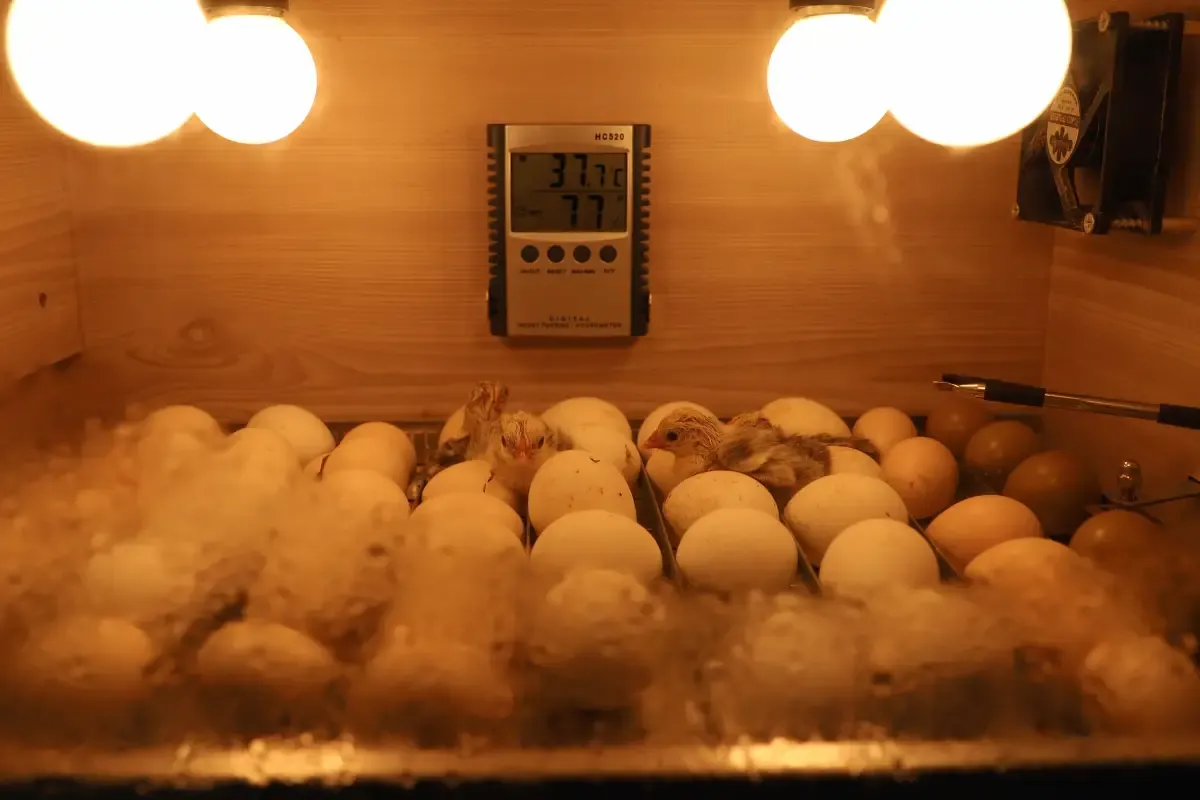
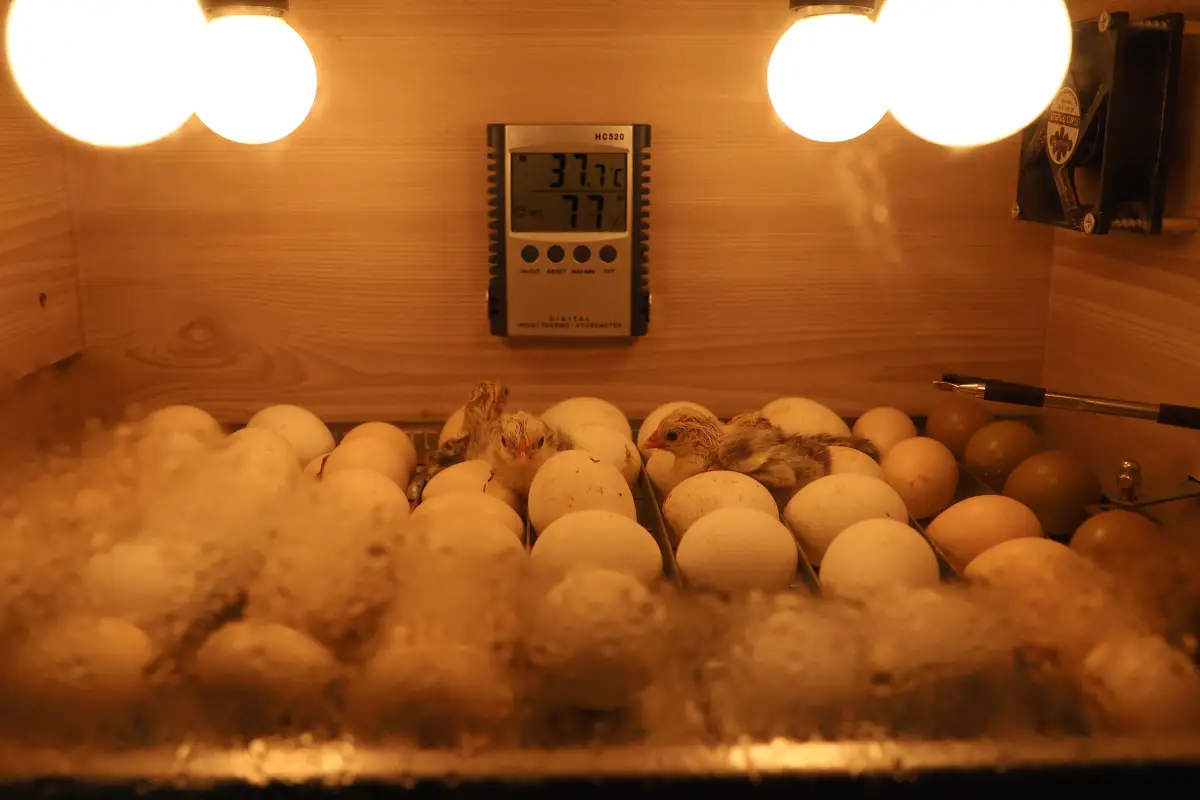
The display on your incubator says 99.5°F, but your eggs tell a different story — poor hatches, early quitters, or chicks with curled toes. In most small incubators, the built-in thermometer is off by 1–2 degrees, and that margin is enough to kill embryos or ruin a hatch. A calibrated digital thermometer/hygrometer combo is the only way to know the real temperature at egg level. If you’re not checking against a separate reference, you’re gambling.
You’re Not Imagining It — That Thermometer Is Off
New or old, that sensor isn’t lab-grade. Factory tolerances and several heat cycles can shift a thermistor or analog coil by a couple of degrees. You notice the discrepancy when a second thermometer gives a different reading, or hatch rates stay below 50%. The sensor’s job is to close a circuit; it doesn’t understand accuracy.
Calibrate in Two Minutes with a Proven Combo
- Obtain a digital thermometer/hygrometer with a wired probe. Models that allow ice-bath calibration are the most trustworthy.
- Place the probe on the egg tray, at egg height, centered — not touching eggs, not beside a heater.
- Wait 30 minutes for it to stabilize.
- Read the temperature. If it differs from the incubator’s setpoint, adjust the incubator’s target until the probe reads the correct value for your species (typically 99.5°F for chicken eggs in forced-air). If no offset adjustment exists, note the difference and set the dial accordingly.
Why the Numbers Don’t Match: Common Causes and Fixes
Sensor Drift: The Silent Hatch Killer
Over time, resistance values drift. A sensor that was accurate last season could be a degree off now. Confirm by placing a verified probe next to it. Fix: either replace the built-in sensor if modular, or permanently install a trusted probe and use it as the primary thermometer — adjust the incubator’s setpoint to match it.
Probe Placement: Why Egg-Level Matters
The built-in sensor often sits in the lid, where air is either cooler or subject to stratification. The eggs experience a different temperature. Confirm with a probe at egg height. Fix: always read egg-level temperature, even if the display shows lid value; tape a probe at egg level and use that reading to control conditions.
Analog Dial Thermometers: A Known Liability
Those round dials with a bimetallic strip are inaccurate by design. They can easily be off by 5°F. Confirm with a digital. Fix: remove it and use a digital unit. Don’t waste time trying to calibrate them.
Digital Readout Noise and Lag
Some built-in electronics update slowly or average readings, hiding real swings. A separate thermometer that samples every second may reveal temperature overshoots. Fix: get a min/max recording thermometer, or install a PID controller that reacts faster.
Averaging Algorithms That Mask the Truth
If the incubator uses multiple sensors or a smoothing algorithm, the displayed number may look stable while the actual temperature oscillates. A constant-read probe shows the spikes. Fix: use an external thermostat with tighter control logic, or recalibrate the PID parameters if accessible.
When the Sensor Isn’t the Problem: Edge Cases
The Controller Itself Is Drifting
The mainboard may interpret the sensor signal incorrectly, especially if it’s a simple on/off thermostat. If offset calibrations keep shifting, the controller is suspect. Consider retrofitting an external PID temperature controller, which will read its own probe and drive the heating element directly.
Infrared Thermometers Don’t Measure Air Temperature
An infrared gun reads surface radiation, which confuses many newcomers. Pointing it at an egg shows shell temperature, which can be several degrees lower than air unless you know the correct target shell temperature. Stick to a probe for air temperature; use infrared for egg surface only if you have a reference.
Non-Linear Thermistor Calibration
If the sensor’s error varies with temperature, a single offset won’t work across the range. In that case, the only practical fix is to replace the sensor with one that matches the controller’s curve, or switch to a digital sensor module tied to a compatible controller board.
Make Calibration Checks Part of Your Routine
Check your reference thermometer every 2–3 hatches using an ice bath (32°F) and boiling water (adjusted for altitude). Note any drift in a log. During a hatch, never trust the built-in display alone. Always compare with the egg-level probe. If your incubator has an offset setting, verify it monthly; those soft-offsets can sometimes reset after power loss.
FAQ
Can I calibrate my incubator’s built-in thermometer?
Some models offer a “temp offset” in the menu. If yours doesn’t, you compensate by adjusting the setpoint, not the sensor. Replacing the sensor with a calibrated unit is another option.
How much temperature error can kill embryos?
A steady 1–2°F off-target can lower hatch rates and cause early death or leg deformities. Beyond 3°F, most embryos won’t survive. The margin for error shrinks the younger the embryos are.
What’s the best thermometer to use for calibration?
A digital probe thermometer with an accuracy of ±0.5°F and the ability to be calibrated (ice-bath check) is ideal. Avoid stick-on liquid crystal displays.
Why does my humidity reading also seem off?
Cheap hygrometers drift just like thermometers. Use a salt test to verify humidity sensor accuracy. We address humidity calibration separately.
Can I use a glass bulb thermometer instead?
A lab-grade glass thermometer works but is fragile and awkward to position. A digital probe is the better tool for daily incubation.
When Calibration Doesn’t Fix It: Next Steps
If the temperature still oscillates after calibration, the heater element or control logic is failing. Install an external thermostat like an Inkbird ITC-308 (with its own probe) to take over temperature management. For incubators without adequate fan circulation, add a small fan to even out the temperature. If the built-in system is fundamentally unstable, replace the control board or upgrade to an incubator with better thermal mass and PID control.