Chicken Care: The System Extension Specialists Rely On
Chicken keeping that works is a hierarchy, not a collection of frantic tasks. Cooperative Extension research repeatedly isolates a small set of routines—daily observation, weekly health scanning, seasonal light and ventilation adjustments—that account for most variation in health and production. The rest is noise.
Which Entry Point Fits Your Flock?
Identify where you are in the chicken-keeping timeline. The framework is static; the starting point shifts which stage you tackle first.
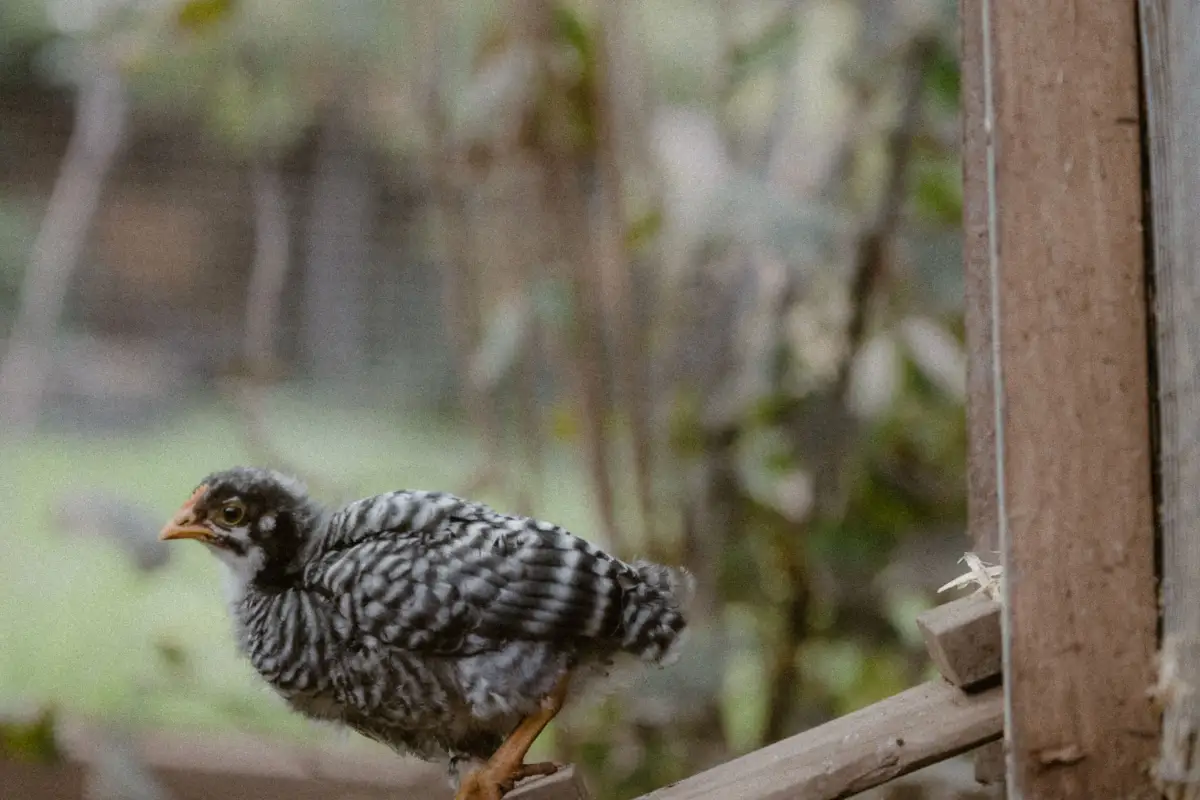
The brand‑new chick owner — Day‑old chicks just arrived. The immediate path is mastering brooder basics in the first two weeks, then learning the daily check‑in that carries through to adulthood.
The first‑time layer keeper — Pullets nearing 18 weeks and waiting on that first egg. The path: lock in nutrition and light management so the onset of lay is strong and sustained.
The busy backyard keeper — Hens for a year or two, but daily chores feel inconsistent and something might be missing. The path: strip back to essential high‑impact tasks and layer in seasonal prep without the overwhelm.
The season‑change preparer — Shorter days or dropping temperatures raise concern about a winter production slump or frostbite. The path: use the prioritization framework to focus on the few actions that actually prevent seasonal problems.
The Daily Check That Stops Problems Before They Start
Observation ranks above every other daily chore. Seeing every bird for 30 seconds costs nothing and catches the abnormal bird before disease spreads. Paired with fresh water and appropriate feed, a quick morning walkthrough prevents most common problems.
Non‑negotiable actions
- Fill waterers with cool, clean water. A hen drinks roughly a pint a day, more in heat. Dehydration drops egg production faster than any other single factor.
- Top off the feeder with a complete feed matching life stage—starter crumble, grower, or layer feed. Scraps and treats must not exceed 10% of total intake.
- Scan every bird in under a minute. Look for clear eyes, dry nostrils, bright combs, steady gait, and movement toward food. An isolated, hunched bird that stays on the roost while others feed is the priority.
- Check fresh droppings under the roost or in the run. Normal droppings are firm and brown with a white urate cap; occasional cecal droppings (loose, mustard‑colored) are normal. Watery, foamy, or bloody droppings warrant a closer look.
- Confirm ventilation is working. At bird level there should be no draft, but the air must not smell sharp or stale. Ammonia buildup from a still coop causes respiratory damage; roof‑level vents prevent it without chilling birds.
What can wait
Scrubbing waterers, raking the run, weighing feed, or inspecting for parasites each morning is unnecessary. Those belong in the weekly routine.
Ready to move on when: Walking into the coop area, assessing every bird in 60 seconds, and specifying which one is off—or confirming all are normal—without a checklist.
The Weekly Walk‑Through That Prevents Outbreaks
The daily check catches acute problems; the weekly sweep catches slow‑moving threats: mite infestations, deteriorating litter, and gradual feed consumption dips. State extension flock health plans bundle these into one 20‑minute routine.
Concrete actions
- Strip wet or caked bedding from the coop and run. Dry bedding is the primary defense against coccidiosis and ammonia. Replace with fresh pine shavings or straw.
- Perform a parasite inspection on a random sample of at least three birds. Part feathers around the vent, under the wings, and at the base of the tail. Northern fowl mites leave dark debris and scabby skin; lice eggs appear as white grains glued to feather shafts. Also check leg scales for raised crusty patches (scaly leg mites).
- Scrub waterers thoroughly. Fill with water and a splash of white vinegar, use a bottle brush to remove biofilm, then rinse. Biofilm makes water unpalatable; hens reduce drinking, leading to watery droppings.
- Weigh the feeder. If a 50‑pound hanging feeder normally lasts 10 days and the remaining feed suddenly deviates from that mark, an illness or stressor is the likely cause.
- Walk the coop perimeter and check for digging, gaps in hardware cloth, or loose latches. A predator that tests the run nightly will eventually exploit any weakness.
Optional upgrade
Once the weekly sweep is automatic, set out a shallow basin of dry soil and wood ash for dust bathing. It naturally suppresses external parasites and prevents hens from excavating dust craters elsewhere.
Ready to move on when: Completing the sweep in 20 minutes with no surprises—no unexpected wet spots, no missed mites, and feed consumption matching the estimate.
Seasonal Adjustments That Keep Production Steady
Photoperiod and ambient temperature drive a hen’s metabolism more than any supplement. The system shifts predictably in fall and spring; extension publications reduce it to a few proven adjustments.
Fall: pre‑winter hardening
- Raise energy intake before cold arrives. Two weeks before the average first frost, switch to a winter‑formulated feed with slightly higher protein and fat, or add a measured evening ration of scratch grains. Digestion generates body heat overnight.
- Eliminate roost‑level drafts while keeping high ventilation open. Any gap blowing directly onto roosting birds must be blocked. Frostbite on combs occurs when moist exhaled air condenses on cold comb tissue; upper wall vents remain fully open.
- Deepen litter to 6–8 inches if using the deep litter method. Turn it weekly with a fork. A squeeze‑and‑sniff test confirms it works: the material should feel like a wrung‑out sponge and smell earthy, not sour.
- For breeds with large single combs (Leghorns, Minorcas), apply a thin coat of bag balm or petroleum jelly to combs only if frostbite has occurred before. Ventilation, not balm, is the real prevention.
Spring: launching the laying season
- Increase day length gradually. Add 30 minutes of light per week with a timer and a compact fluorescent or LED bulb until reaching 14–16 hours total. An abrupt jump to 16 hours can trigger false molts.
- Place a separate oyster shell feeder the week before the first egg is expected. Hens self‑regulate calcium intake; free‑choice oyster shell prevents soft‑shelled eggs and calcium depletion.
- Address the run’s condition. Wet spring soil harbors bacteria; spread a 2‑inch layer of coarse sand or wood chips to reduce mud and footpad problems.
Ready to move on when: In late September, winter feed is already in the bin, vents are adjusted, and extra bedding is stacked nearby. In March, the light timer is set and oyster shell is out before the first thin‑shelled egg appears.
The Record That Replaces Guesswork
Backyard flocks rarely benefit from production data, but minimal tracking often flags a problem days before symptoms show. The records need not be complex.
What to log
- Daily egg count. A hash‑mark on a wall calendar for a small flock reveals trends.
- Date and result of the weekly parasite check (negative/positive, which bird).
- Notable weather—extreme heat or cold snaps—annotated next to the egg count.
- Body weight of one or two representative hens every four to six weeks, using a digital kitchen scale and a pillowcase to calm the bird.
How to use the data
Once a month, scan the egg count trend. A sustained drop of 10% or more over 4–5 days with no weather explanation points to a nutritional deficit or an emerging illness. At that point, check feed freshness, protein level, and whether a supplement ran out. Do not wait for a 50% drop.
Ready to move on when: A pattern emerges—like a dip every time temperatures exceed 90°F—and shade or electrolytes are installed before the next heat wave, not during it.
The Signals That Tell You to Layer in the Next Routine
- Daily rhythm is automatic: The off bird is identified in seconds without a cue card.
- Weekly sweep holds no surprises: Mite checks, litter condition, and feed consumption match expectations every week.
- Seasonal prep is a reflex: The first frost or lengthening day triggers an action already taken days ago.
- Data drives decisions: A subtle egg‑count trend prompts one specific adjustment, and the following week it improves.
What to Stop Worrying About Right Now
Many common advice threads push tasks that extension materials either rank low or explicitly discourage for novice flocks. The following can wait.
Scrubbing the coop daily
Removing droppings from roost boards daily is hygienic; scrubbing walls and floors is not. Excess moisture from frequent washing promotes ammonia more than it prevents disease. Becomes relevant when: a confirmed respiratory outbreak or a mite infestation that survived treatment requires a deep clean.
Applying mite treatments “just in case”
Preemptive chemical dust or spray creates resistance and kills beneficial insects that break down litter. Visual inspection is more effective. Becomes relevant when: live mites are found on more than one bird during a weekly check.
Chasing perfect egg production from pullets
New layers produce irregularly for the first month. Persistently small or shell‑less eggs are normal at onset. Becomes relevant when: after four weeks of adequate light and a balanced layer feed, hens older than 28 weeks average fewer than three eggs per bird per week.
Installing a heat lamp because it’s cold out
Heat lamps are the leading cause of coop fires. Chickens tolerate cold well if dry and draft‑free. Becomes relevant when: nighttime lows stay below ‑10°F for more than two consecutive nights; then a flat‑panel radiant heater directed at the roost is the safer, measured option.
Panicking over a pale comb
A comb that lightens briefly can signal a hen is between laying cycles or molting. Becomes relevant when: the pale comb is accompanied by lethargy, weight loss, or purple‑tinged tips (circulatory compromise).
Labor Savers That Earn Their Keep
Some equipment reduces daily chore time without abandoning observation routines. These tools accelerate the transition to a low‑effort system.
Automatic coop doors
A light‑sensor door opens and closes the pop hole on its own. It does not replace the morning check—visual observation still happens—but it removes the risk of forgetting to lock the door at dusk.
High‑capacity feeders and waterers
A large hanging feeder and a poultry nipple waterer system can stretch refills to once a week. The trade‑off: weekly weigh‑ins become necessary to catch consumption changes. Nipple waterers also cut wet litter from spilled open water.
Deep litter method (with a precondition)
When managed diligently, deep litter turns the coop floor into a composting layer that provides gentle heat and reduces full clean‑outs to twice a year. The cost is a weekly commitment to turning the bedding and monitoring moisture. If that commitment cannot be kept, deep litter becomes a liability.
Questions New Chicken Keepers Actually Ask
How often should I clean a chicken coop?
Remove soiled bedding and droppings weekly. A full strip, disinfection, and fresh bedding every three to six months works for most non‑crowded coops. With correctly managed deep litter, removal of composted material may be needed only once or twice a year.
Do I need a rooster for hens to lay eggs?
Roosters are necessary only for fertilized eggs intended for hatching. Hens lay unfertilized eggs on their own.
How many eggs will my chickens lay per week?
High‑production hybrids like ISA Browns average five to six eggs per week in their first laying year during long‑day months. Heritage breeds average three to four. Expect a drop in winter without supplemental light and during the annual molt.
What temperature is too cold for chickens?
Cold‑hardy breeds tolerate 0°F in a dry, draft‑free coop. Breeds with large single combs risk frostbite below 20°F. Heat lamps are rarely necessary; proper ventilation outweighs added heat in most climates.
Why are my chickens losing feathers?
An annual molt in late summer or fall is normal—hens replace feathers and pause laying for a few weeks. Patchy feather loss outside molt, especially on the back or vent, usually points to pecking or a mite infestation requiring inspection.
When can I introduce new chickens to my existing flock?
Quarantine newcomers for at least 30 days in a separate enclosure. Then introduce them through a fence for several days before supervised physical mixing. Rushed integration spreads disease and causes injury.
A chicken keeper who walks through the morning observation in under a minute, catches a subtle feed intake drop before a bird looks sick, and seasonally tunes ventilation and light without a reminder has arrived at the core of this system. If the starting point is a box of day‑old chicks, tomorrow morning’s single action is to check brooder temperature, top off feed and water, then stand still for 30 seconds just watching.