The 4 Chicken Feed Stages That Maximize Egg Quality
Egg quality isn’t a layer‑feed problem. It’s a timing problem that starts the day a chick hatches. Four feed stages—starter, grower, pre‑layer, and layer—line up with four developmental windows that determine shell strength, yolk consistency, and how long a hen lays productively. Miss a stage, and you cap what even the best later ration can fix. The sequence that follows shows exactly when to switch and what happens when you get it wrong.
The Four Forces That Determine Egg Quality
An egg exposes the hen’s entire rearing history. Four forces, each locked to a feed stage, control what ends up in the nest box.
- Tissue foundation – The first weeks build every organ system that will later support egg formation. Inadequate nutrition here shrinks the lifetime follicle reserve.
- Skeletal calcium reserves – Medullary bone must be deposited months before the first shell is produced. Without it, the hen strips structural bone and never fully recovers.
- Reproductive tract priming – In a two‑week window before lay, the oviduct and shell gland mature explosively. Nutrition at this exact point sets early egg size and shell integrity.
- Sustained output under stress – A laying hen runs at a high metabolic rate for months. The ration must match environmental demands or production crashes.
Skip any of these windows and you impose a permanent limitation. No amount of oyster shell later replaces skeletal calcium lost during the grower stage.
Days 1 to 42: Building the Organs That Make an Egg
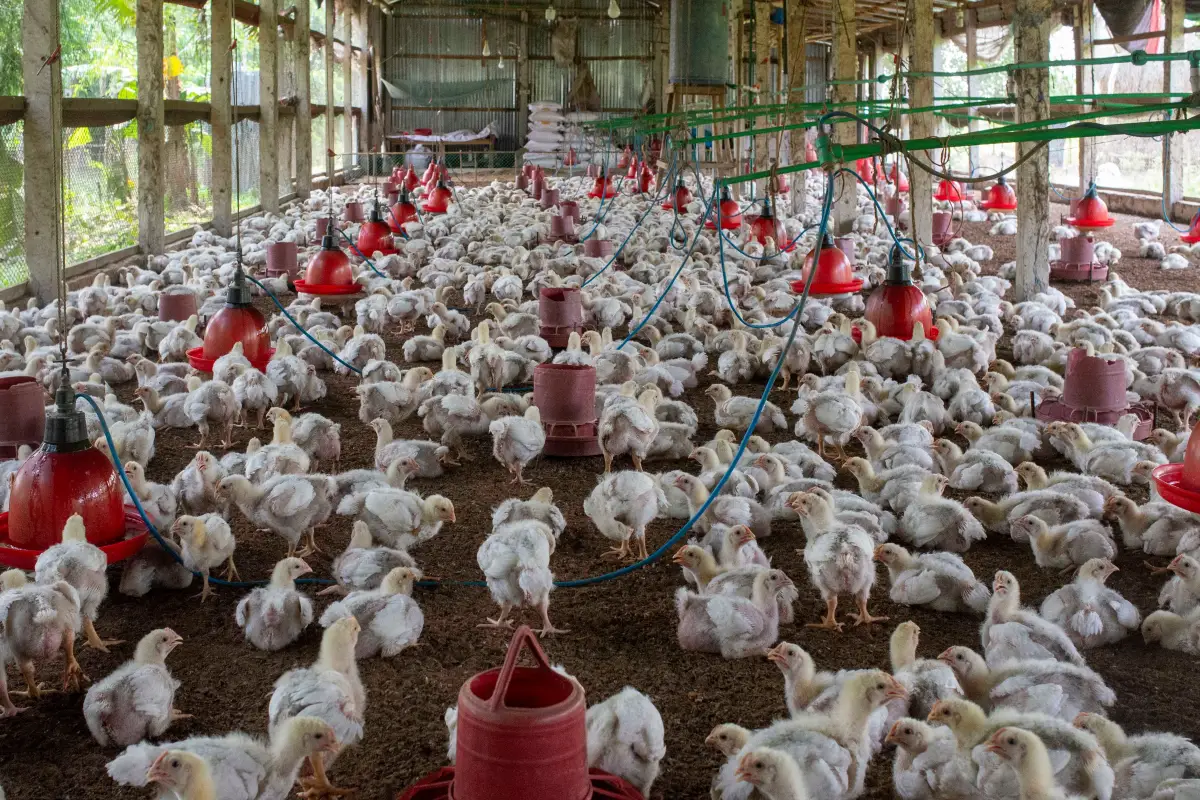
From hatch to six weeks, a chick triples its body weight in the first seven days. Internal organs—liver, ovary, oviduct—develop faster than feather or bone. The starter feed must deliver concentrated nutrition without overwhelming the digestive system.
Use a complete chick starter with 18–20% protein and a minimum of 1.0% calcium. Check the ingredient list: animal‑source or soybean‑meal protein near the top is non‑negotiable. Crumbles are preferred; pellets can be too large for small beaks. Keep feed available at all times, and provide clean water constantly. Grit is unnecessary while on crumbles.
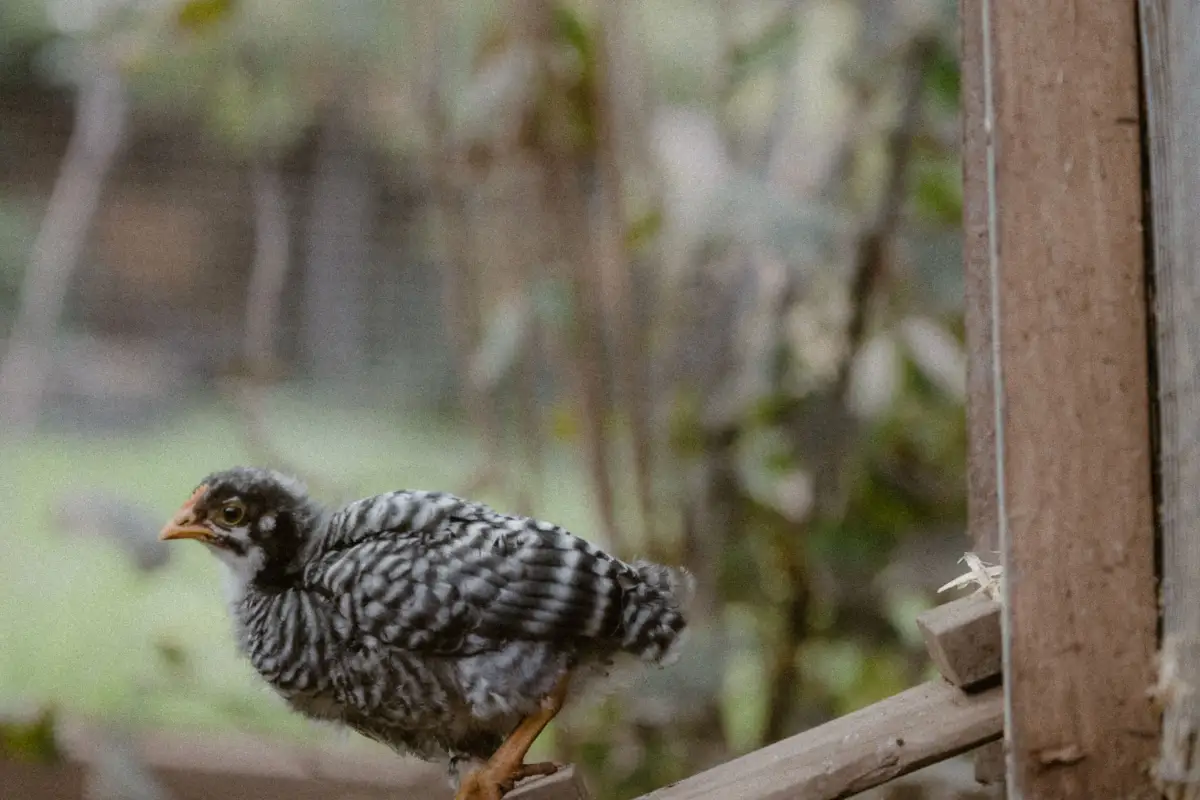
What done well looks like: At six weeks, birds are fully feathered, active, and growing evenly without leg deformities. Stunted chicks never make up the loss; undersized ovarian tissue means fewer egg‑producing follicles for the hen’s entire productive life.
Weeks 6 to 18: Banking the Calcium a Hen Will Live On
Between six and eighteen weeks, nothing flashy happens. That makes it the most neglected stage. This is when the pullet’s skeleton finishes growing and medullary bone—the calcium‑rich lattice inside long bones—gets deposited. It is the withdrawal account for every shell the hen will ever make.
A grower ration of 14–16% protein and 1.0–1.2% calcium is correct. Lower the energy level compared to starter; fat pullets develop fatty liver and reproductive problems before their first egg. Switch at exactly six weeks—not when the starter bag empties. Even two extra weeks of high‑protein feed create pullets that are heavy but structurally weak, with a higher risk of prolapse.
What done well looks like: At eighteen weeks, pullets are lean but large‑framed for the breed. No extra padding over the keel. The skeleton is dense and ready to release calcium daily without depleting structural bone in the spine and legs.
Days 126 to 140: The Two‑Week Switch That Prevent Thin‑Shelled First Eggs
Around week eighteen—or when combs redden and pelvic bones widen—the pullet enters a short pre‑lay window. The oviduct enlarges fourfold, and the shell gland activates its calcium transport systems. A pre‑layer feed bridges the gap between grower and full layer ration.
Pre‑layer feed contains 16–18% protein and 2.0–2.5% calcium. This intermediate calcium level trains the parathyroid system to mobilize bone calcium efficiently before the first egg forms. Without it, the hen strips calcium from structural bone too aggressively, producing rough, thin‑shelled first eggs that never fully correct. It also sets the stage for metabolic bone disease later.
Feed pre‑layer for two to three weeks, or until the first egg appears, then switch to layer feed. Do not jump from grower straight to a layer ration; the calcium spike in layer feed damages kidneys in birds not yet producing eggs.
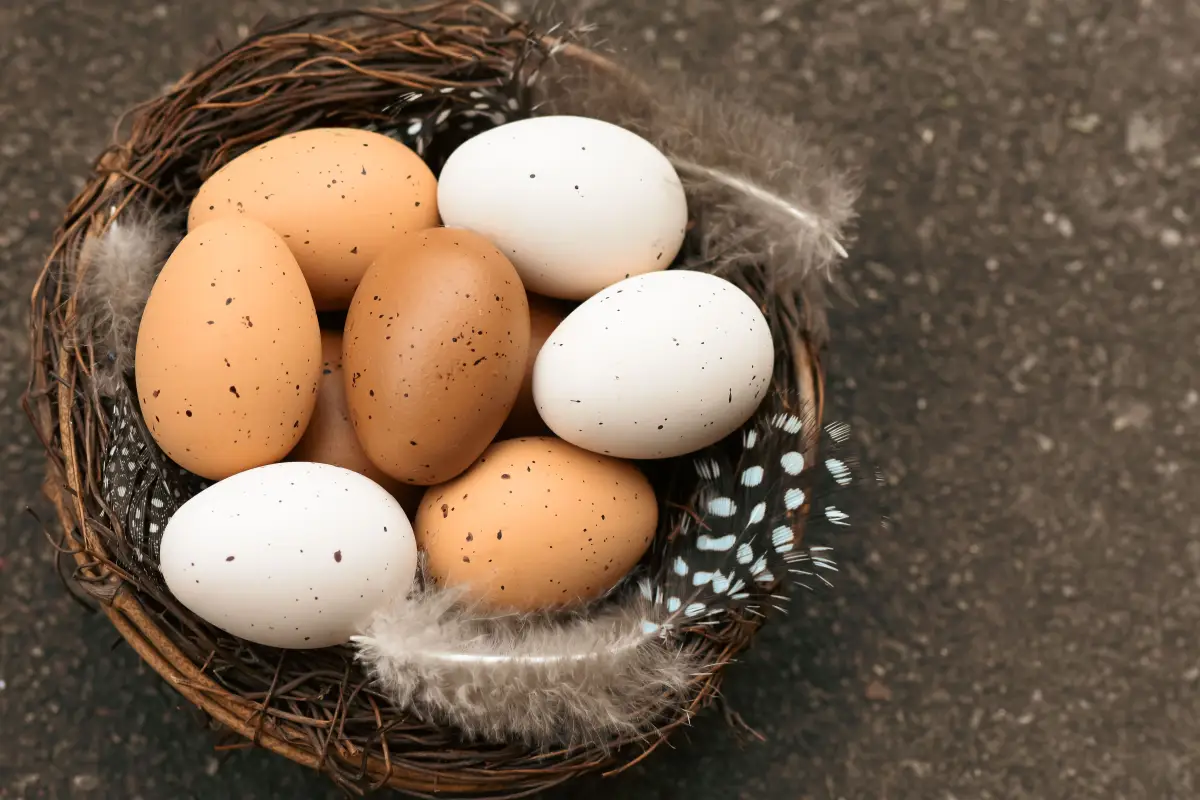
What done well looks like: First eggs have clean, well‑formed shells, even if small. No soft‑shelled or misshapen eggs during the first few weeks of production.
Week 20 and Beyond: Running the Lay Cycle Without Draining the Hen
Once hens are actively laying, they go onto a maintenance layer feed. A standard ration provides 16–18% protein and 3.5–4.0% calcium, formulated for a hen producing an egg roughly every 26 hours. This calcium load cannot be met with a grower or all‑flock feed alone; without it, the hen depletes her bone reserves within a few months.
Layer feed isn’t “set it and forget it.” During heat stress, feed intake drops. Switching to a higher‑protein, higher‑energy formulation—or feeding during cooler hours—keeps egg size and shell quality stable. During molt, pull the layer feed entirely. Offer a grower or molt‑specific ration at reduced protein until feather regrowth is complete. Continuing full layer feed during molt strains kidneys with excess calcium and delays recovery.
What done well looks like: Shell strength remains consistent across the full laying year, not just for the first few months. Flock body condition holds steady without obesity. Annual molt does not crash production for months afterward.
A Backyard Flock Through the Four Stages
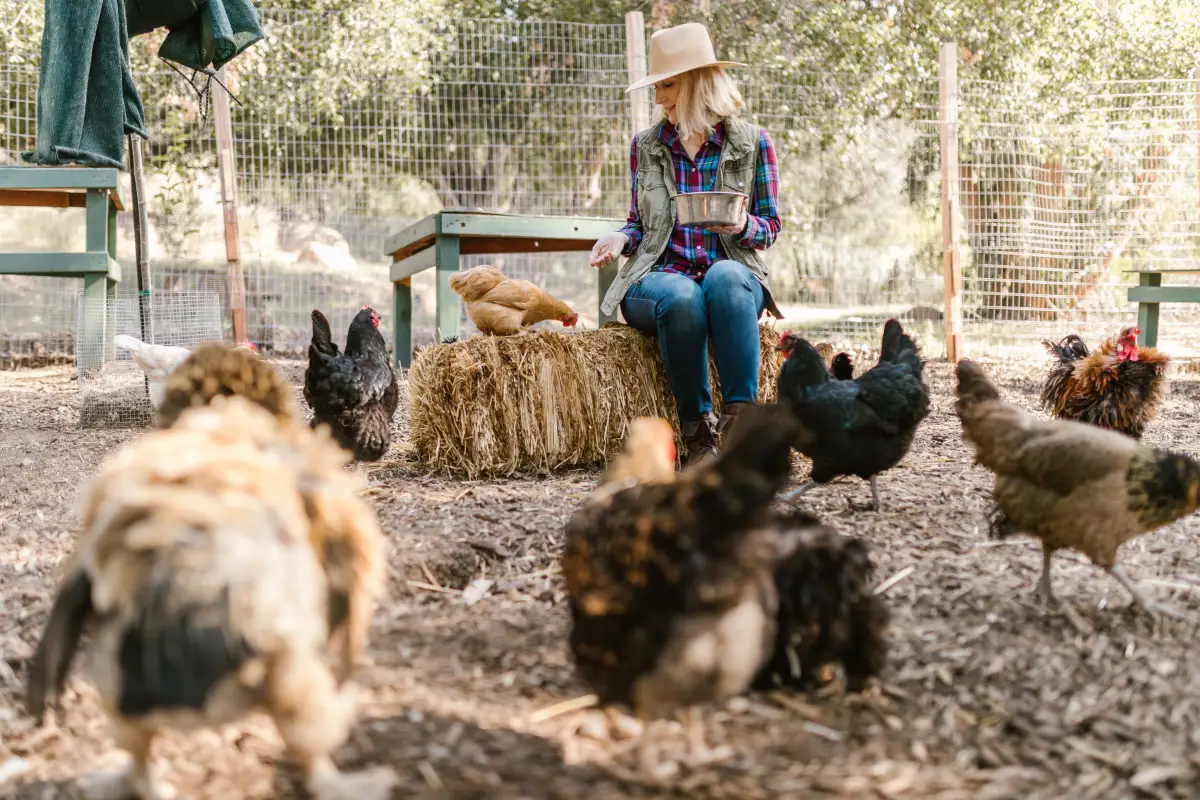
A homestead starts five day‑old Rhode Island Red pullets in March on a 20% protein starter crumble for six weeks. At six weeks, they move to a 16% protein grower pellet and a larger run. Their frames develop without extra flesh.
In late July, at eighteen weeks, combs redden visibly. The feeder switches to a pre‑layer pellet at 2.5% calcium for two weeks. The first egg appears the second week of August: clean, strong shell. The flock shifts immediately to a standard 16% protein, 3.8% calcium layer pellet, with free‑choice oyster shell available at all times.
October temperatures drop, but egg production holds. The following spring, during molt, the owner removes layer feed and offers the grower ration for six weeks, then returns to layer feed once laying resumes. The outcome: strong‑shelled eggs from the start, no soft‑shell surprises, and a flock that stays productive into its third year. Every switch was made on physical cues, not just the calendar.
Three Timing Mistakes That Undercut Egg Quality
The best feed formulation cannot override bad timing. These are the three most expensive missteps a backyard keeper makes.
Delaying the Starter‑to‑Grower Switch
Leaving chicks on high‑protein starter past six weeks builds bulk, not structural integrity. Excess weight presses on developing ovaries and the pelvic outlet, increasing the risk of egg binding and prolapse at first lay. The grower stage exists to build bone density, not body mass. The switch must happen at six weeks—no excuses.
Skipping Pre‑Layer Feed Altogether
Jumping straight from grower to layer feed at the first egg skips the two‑week calcium priming window. Early eggs appear with rough shells, weak membranes, or no shell at all. The hen compensates by pulling calcium from her own structural bone, setting up a chronic deficit that leads to cage‑layer fatigue and pathological fractures later. Two weeks of pre‑layer feed cost a few dollars; losing a productive hen costs far more.
Feeding Layer Ration to Growing Pullets
Mixed‑age flocks often get a single layer ration. That is a direct path to kidney damage in non‑laying birds, especially pullets under 18 weeks. The 3.5%+ calcium level can cause visceral gout—a painful, fatal condition. If you cannot separate birds, feed a grower or all‑flock ration and offer oyster shell in a separate feeder. Laying hens self‑regulate their calcium; young birds ignore it.
Quick Reference: The Four Feed Stages at a Glance
| Stage | Age (approx.) | Protein | Calcium | Primary Objective |
|---|---|---|---|---|
| Starter | 0–6 weeks | 18–20% | ~1.0% | Rapid organ and tissue development |
| Grower | 6–18 weeks | 14–16% | 1.0–1.2% | Skeletal growth and calcium banking |
| Pre‑Layer | 18–20 weeks | 16–18% | 2.0–2.5% | Reproductive tract priming, shell gland calibration |
| Layer | 20+ weeks | 16–18% | 3.5–4.0% | Sustained shell quality and egg production |
Frequently Asked Questions
Can I use a starter‑grower combination feed instead of switching at six weeks?
Some formulations claim to cover 0–18 weeks, but they compromise in both directions. They are usually too low in protein for the critical first two weeks and too energy‑dense for the grower period, making precise body‑condition control difficult. Separate starter and grower rations give better control, especially for slower‑maturing heritage breeds.
How do I know exactly when to switch to pre‑layer feed?
Ignore the calendar and read the bird. Watch for reddening combs and wattles, hens investigating nest boxes, and a pelvic spread that allows two fingers between the pubic bones. These cues usually appear between 18 and 22 weeks, depending on breed. Physical signals are more reliable than dates.
Do I need pre‑layer feed if my flock free‑ranges?
Yes. Free‑range birds pick up insects and grit, but pasture cannot supply the controlled calcium ramp required during this window. The pre‑layer transition is too brief and the calcium demand too high for foraging to meet. Offer pre‑layer pellets as the primary ration with free‑range access as a supplement.
What if I have a mixed‑age flock and can’t separate them?
The only safe compromise is to feed a grower‑level ration (14–16% protein, 1.2% calcium) to the entire flock and offer oyster shell in a separate feeder at all times. Laying hens will self‑regulate; growing pullets and non‑layers are protected from kidney damage.
Where to Start
The four‑stage framework—starter, grower, pre‑layer, layer—is a sequence that puts feed timing, not just feed type, in control of egg quality. The most neglected stage is pre‑layer; adding that two‑week transition feed before the first egg is the single highest‑impact change a backyard keeper can make. If you have pullets approaching 18 weeks, start there today.