The Weekly Health Check That Successful Flock Owners Swear By
The only weekly health check that consistently stops outbreaks in small flocks is a 5‑minute physical exam of each bird, focused entirely on early signs and backed by the same protocols cooperative extension services teach. Done every week without exception, it turns a pale comb or a whisper of weight loss into a warning you act on immediately—not after your best layer is dead.
What You’ll Get Out of This 5‑Minute Routine
Once the routine is ingrained, you won’t need luck to catch sickness. You’ll see a hen standing slightly off, you’ll feel a keel that’s too sharp under a deceptive fluff of feathers, and you’ll spot a bubbly nostril before anyone else in the household notices a thing. That head start is what prevents a minor respiratory case from becoming a pen-wide catastrophe. The result is a well‑documented, calm coop and far fewer emergency losses.
The 7‑Step Weekly Health Exam
- Scan the flock’s behavior and posture from outside the run.
- Inspect each bird’s comb, wattles, and face.
- Check feathers and skin by lifting wings and parting feathers.
- Examine eyes and nares for discharge or swelling.
- Palpate the breast muscle to assess body condition.
- Inspect the vent area and observe fresh droppings under the roost.
- Examine legs and feet, including the bottom of the foot pad.
The 7 Steps in Detail: What to Look For and Common Mistakes
Scan the Flock’s Behavior and Posture
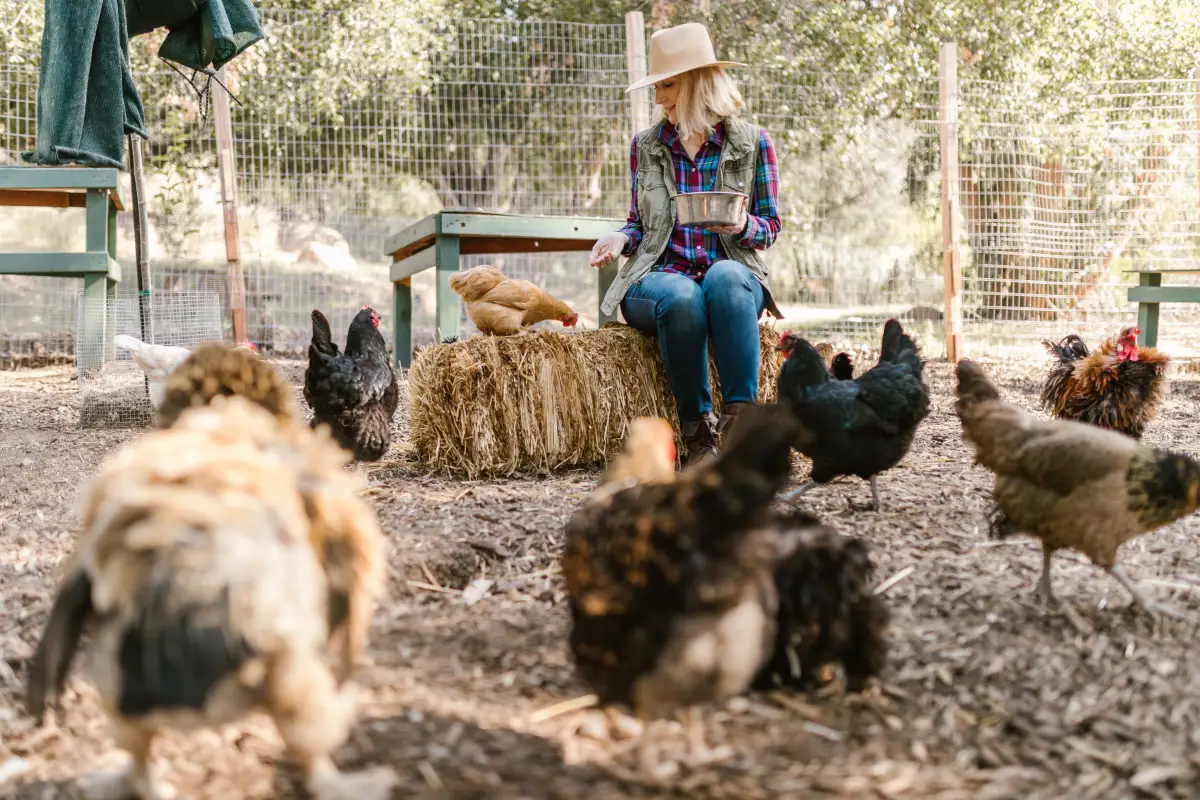
Before you touch a gate, stand still for 30 seconds. A healthy flock is moving, pecking, dustbathing. A bird that hangs back, stands fluffed without moving, or isolates itself is the real first symptom. The mistake that causes the most missed early warnings is walking straight to the feeder and not observing at all. That half‑minute costs nothing and catches systemic illness while it’s still treatable.
Inspect Each Bird’s Comb, Wattles, and Face
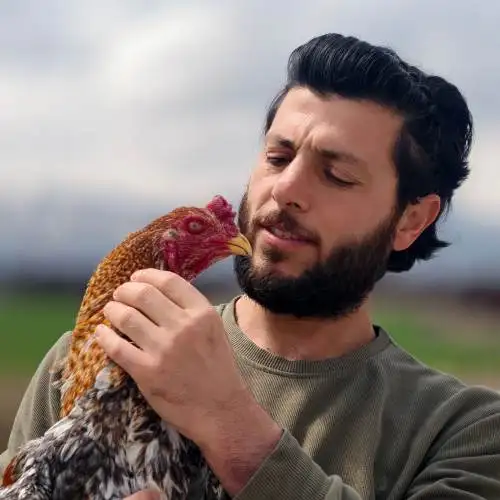
Get down at eye level or pick up each bird. Comb color is a direct window into circulation—bright red is normal, pale or bluish means something is wrong, and a shriveled comb points to dehydration or chronic stress. Look at the face for pox lesions or dried blood. The error people make is assuming comb appearance stays constant; it changes fast when illness hits. Budget 15 seconds per bird.
Check Feathers and Skin
Don’t just pat the hen. Lift a wing, part feathers over the back, breast, and vent. Search for lice eggs at the feather bases, bare patches, or any sign of irritation. Run your fingertips against the grain of the feathers to feel for mites on the skin. The classic mistake is checking only the top layer—a heavy infestation can be invisible until you part the feathers. Spend 20 seconds per bird.
Examine Eyes and Nares
Eyes must be bright and dry; nares must be open and free of discharge. Foam in the corner of an eye, swelling around the eye, or bubbling at the nostril is a respiratory red flag that demands immediate isolation. Too many keepers dismiss the first watery eye as dust, and by the time they act the whole flock is coughing. Ten seconds here per bird is not optional.
Palpate the Breast Muscle to Assess Body Condition
Place your hand over the breast and run fingers along both sides of the keel. In a bird that’s carrying enough weight, the muscle is full and rounded; the keel is barely felt. A sharp, prominent keel with thin muscle means the bird is losing condition—often the earliest sign of worms, coccidiosis, or poor feed utilization. The big error is trusting your eyes. Heavy feathering completely hides body condition. Allocate 15 seconds per bird.
Inspect the Vent Area and Droppings
Lift the bird and check the vent feathers for pasting, diarrhea staining, or any soiling that attracts flies. Under the roost, examine the freshest droppings for color, consistency, and any visible blood or worms. Coccidiosis and enteritis frequently announce themselves through abnormal droppings before a bird looks sick. The common misstep is ignoring droppings unless they’re bloody—loose, watery dropping are often the only early sign. Spend 20 seconds.
Examine Legs and Feet
Pick up every foot, spread the toes, and look at the bottom of each pad. You’re checking for heat, swelling, raised scales (scaly leg mite), and the dark, hardened bumblefoot abscess that starts as a tiny black dot. Lameness that sidelines a bird begins there, not in the leg itself. Feet are skipped regularly because they look fine from above. Give them 15 seconds per bird.
Before You Close the Coop Door: A Final Verification
- Every single bird was handled and examined today.
- Every deviation—even a slight change in comb color or dropping consistency—is written down on a health card or in a notebook.
- Feeders and waterers are full and clean.
- The date and bird’s identifier are next to each note, so you can track patterns over weeks.
Quick Answers to Common Questions About Weekly Health Checks
How long does it take for a flock of 10 birds?
After a few weeks of practice, the physical exam runs about 5 minutes per bird, putting a flock of ten at under an hour. The initial behavior scan and log entry add another 5–10 minutes.
What time of day works best?
Early morning right after the birds leave the roost, or late afternoon when they naturally settle. Both windows produce calm birds and fresh droppings under the roost.
My hens hate being handled—what can I do?
Handle each bird for 30 seconds to a minute every day with a high‑value treat. In three to four weeks, most will tolerate the exam. Until then, do the visual checks with a headlamp in the run and handle only birds that show a concern.
Do I really need to record every check?
Absolutely, if you want to catch a gradual decline. A basic notebook with columns for date, bird ID, weight (if you have a scale), comb color, and a quick note on droppings shows trends that your memory alone will miss. Every cooperative extension protocol insists on a written log.
Keep This Checklist Handy: A One‑Page Quick‑Reference
Print the condensed steps and tack them inside your feed room.
- Observe flock behavior from outside
- Comb, wattles, face
- Feathers and skin
- Eyes and nares
- Breast muscle (body condition)
- Vent and fresh droppings
- Legs and feet, including pads
Weekly adherence to this exam gives you a precise, written record of every bird’s health and eliminates the guesswork that lets minor conditions fester. To speed up the process next week, pre‑fill a set of health cards with each bird’s name and the checklist items—ticking boxes as you go is faster than writing from scratch.