Square Feet Per Bird Is Not Enough — Your Run Layout Matters More
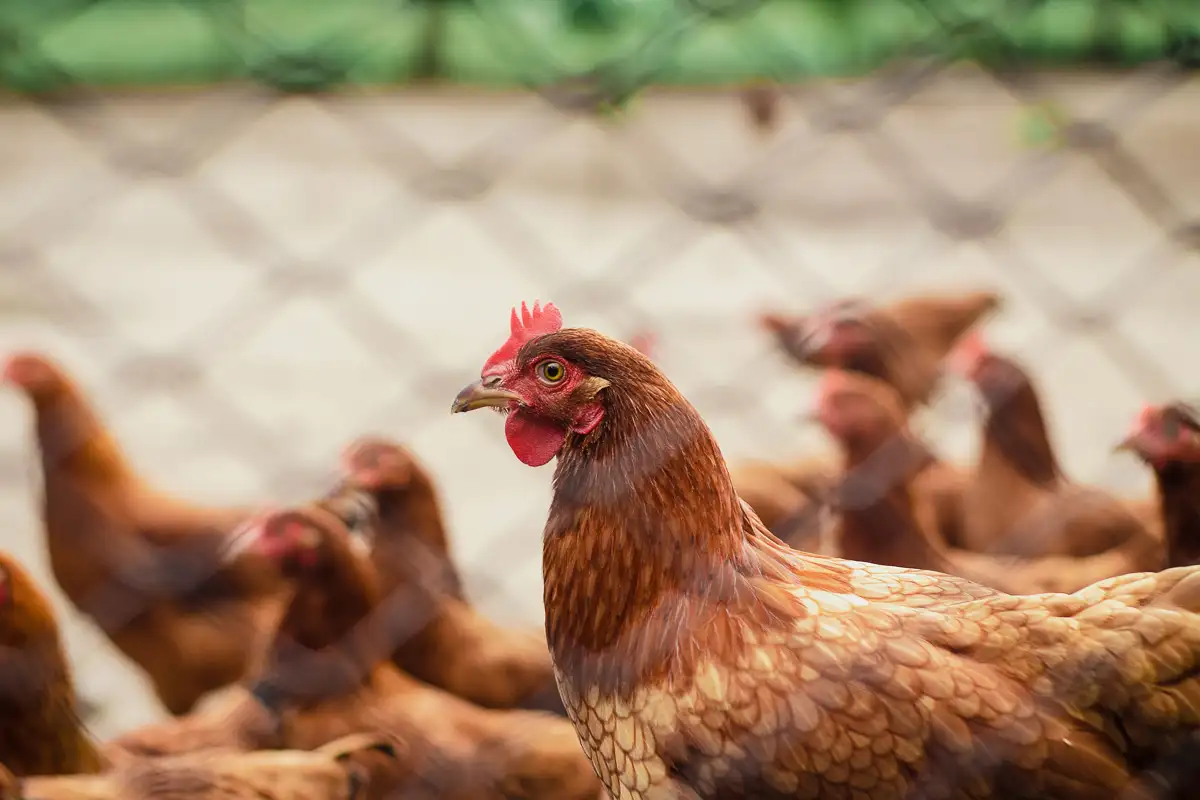
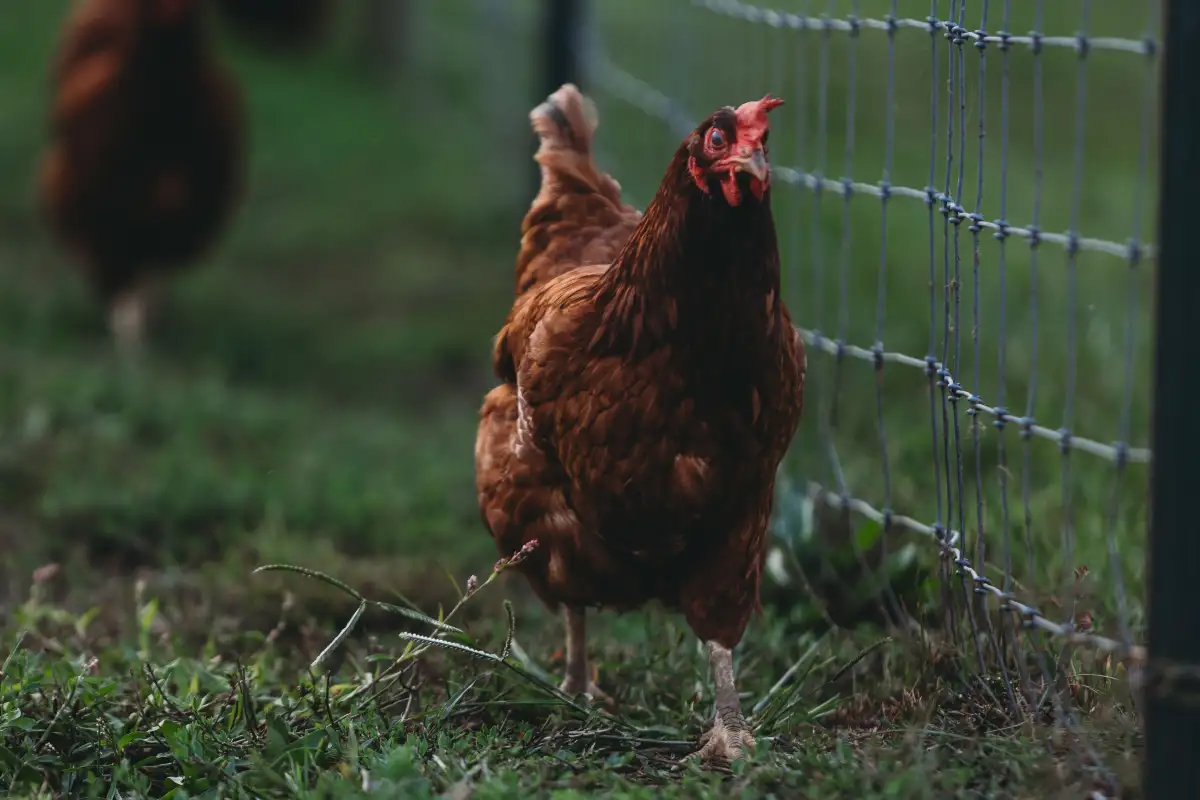
Square feet per bird is just a starting number. Learn to count usable run space by breed and climate, then lay out dry zones, dust baths, and traffic lanes.
Square feet per bird is just a starting number. Learn to count usable run space by breed and climate, then lay out dry zones, dust baths, and traffic lanes.
Measure your coop and run, answer four yard questions, and eliminate breeds down to three or four that actually fit your space, sound, and climate.
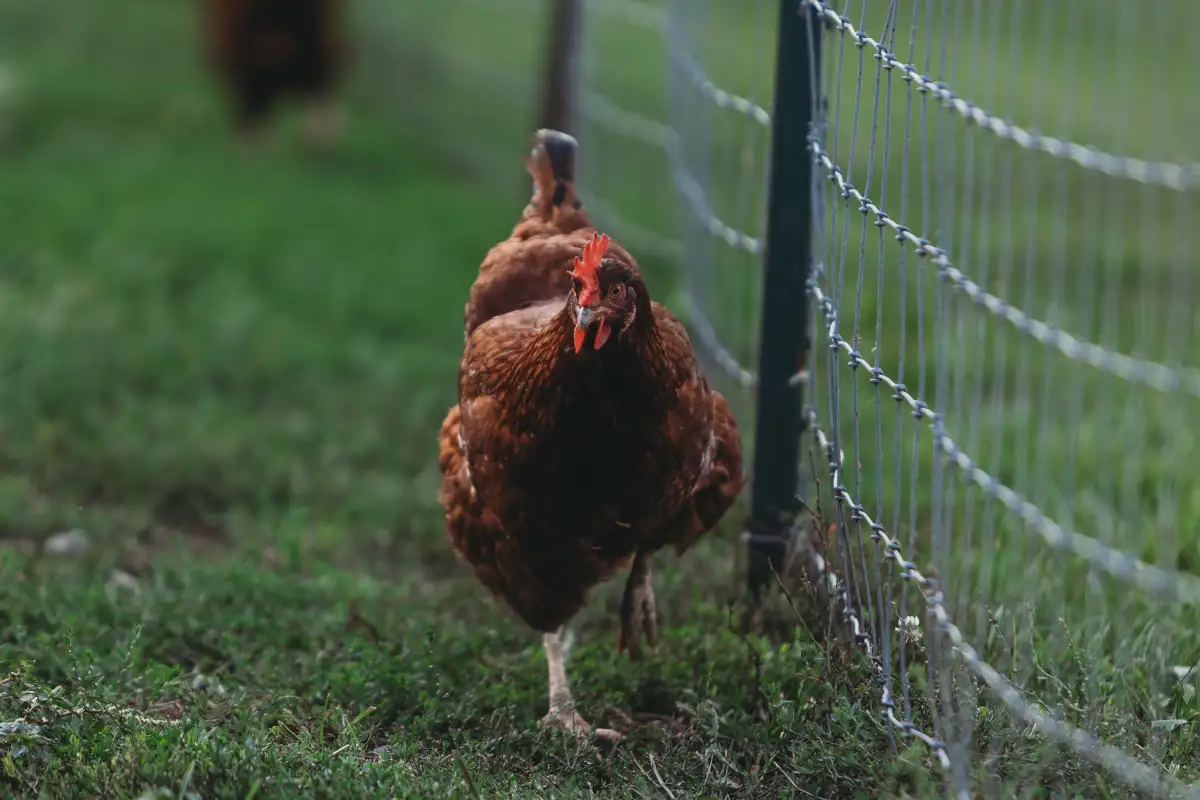
Chicken wire is containment mesh, not predator exclusion. Mesh size, wire gauge, and fastener spacing decide whether your run actually holds.
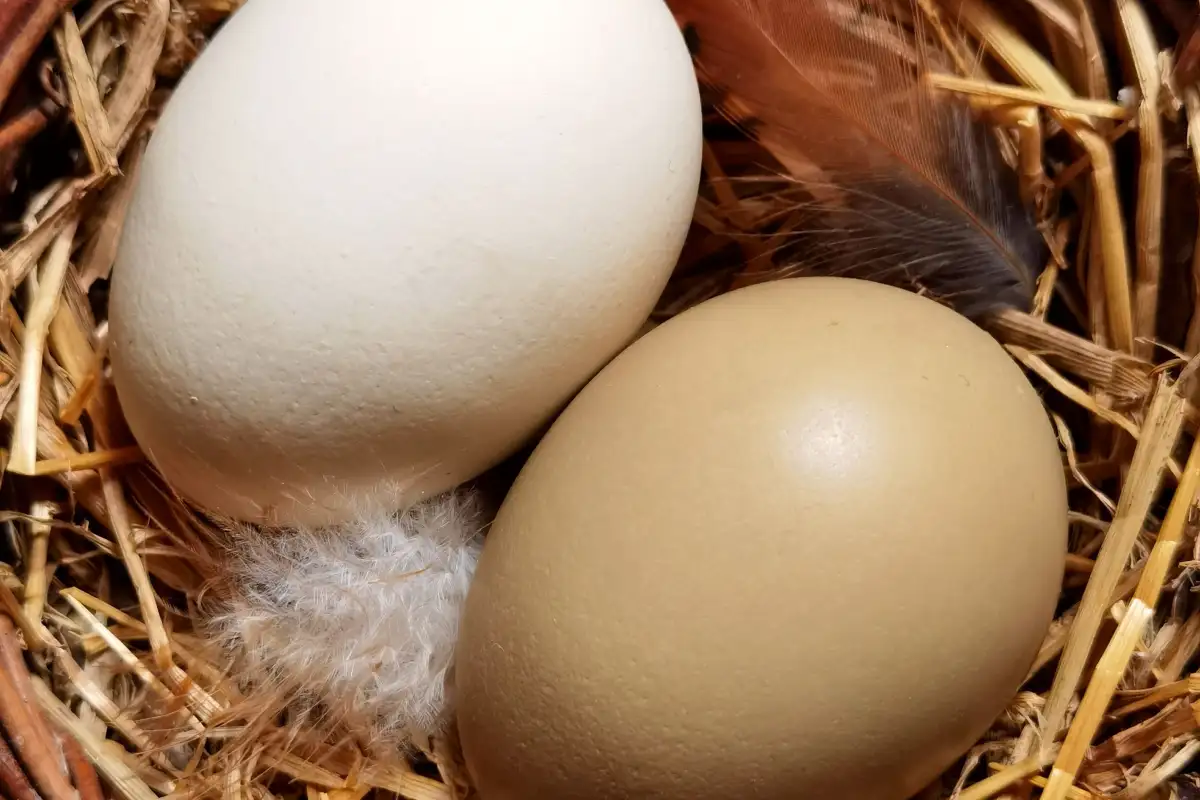
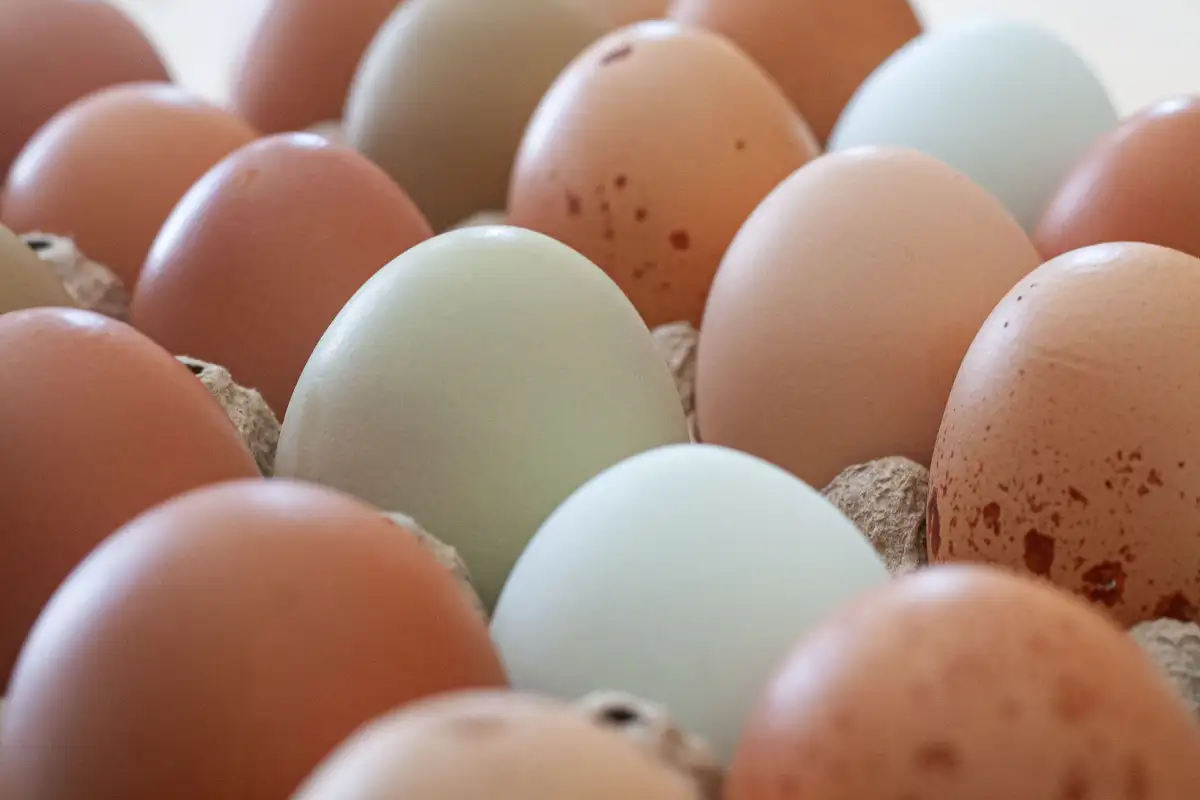
Brown shell color fades as a hen's laying cycle runs on. Read shade, size, shape, and speckle to identify each hen in a mixed flock by her eggs.
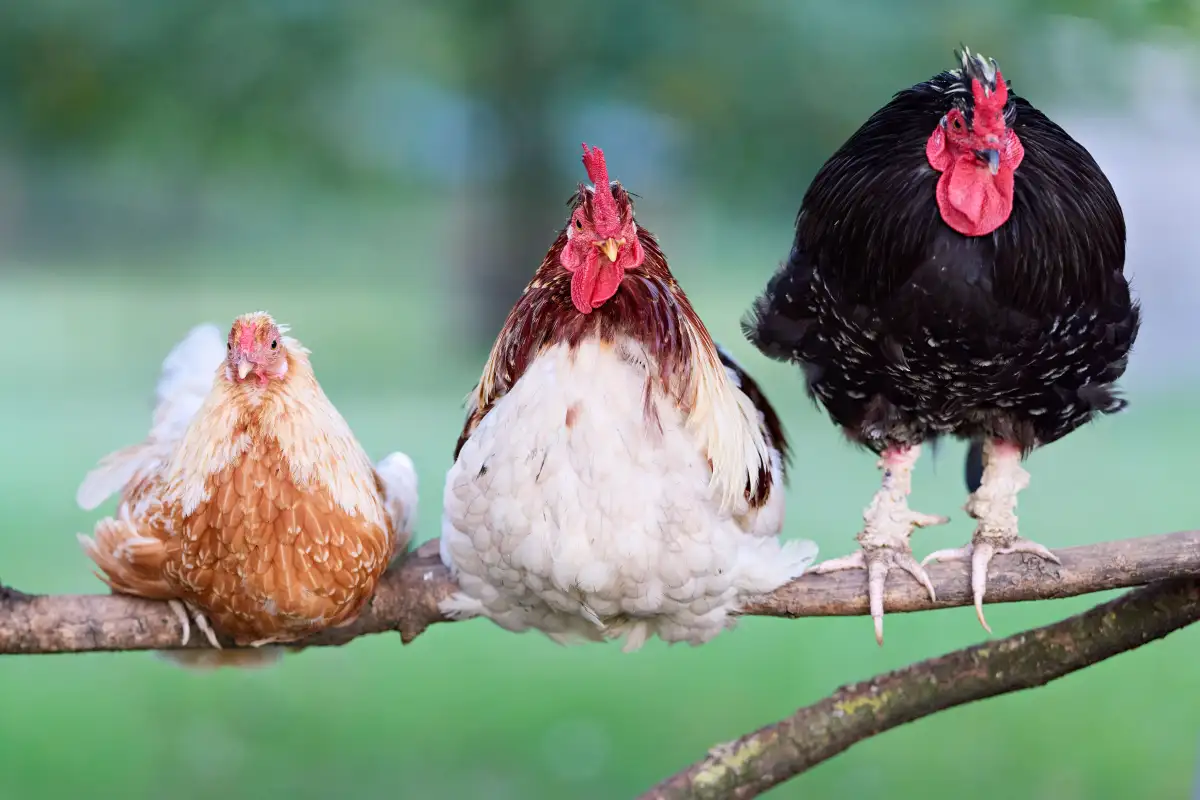
The feeder line is a map of the pecking order. Learn to read spacing, roost position, and feather wear, then change the geometry instead of the flock.
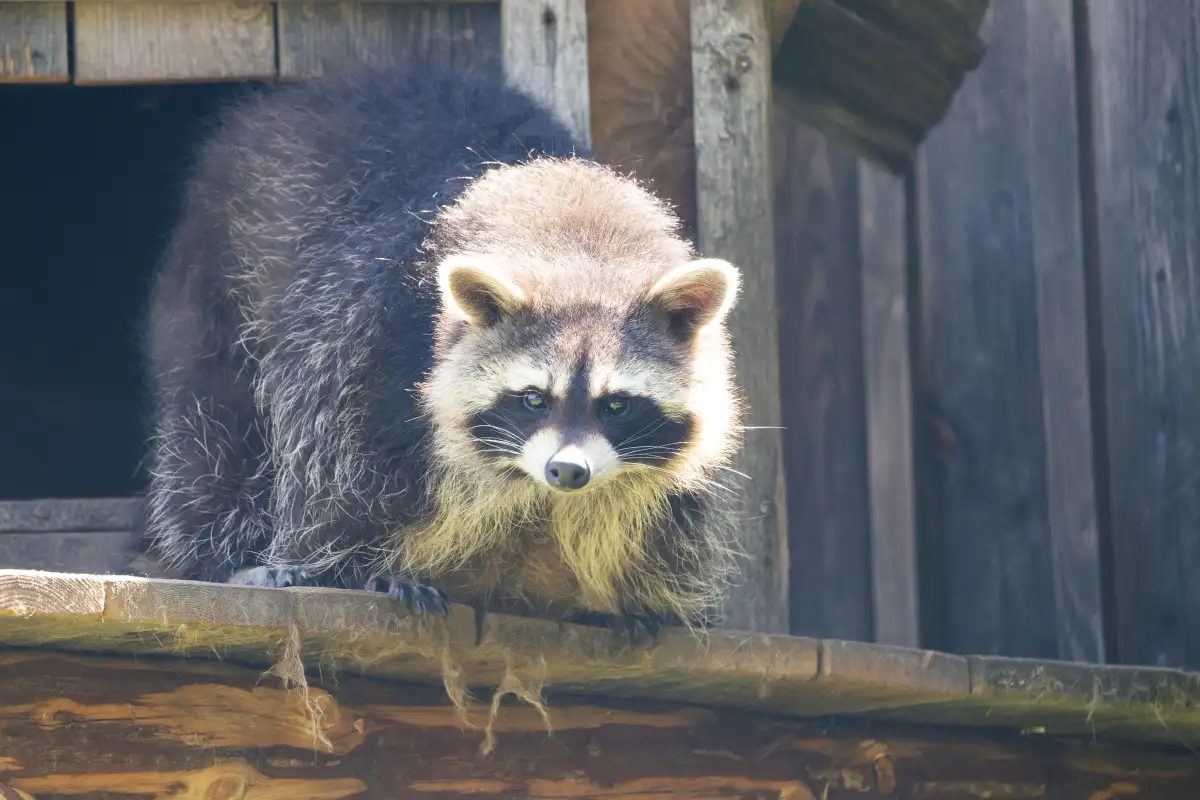
Raccoons peel corners first. Build protection in layers: half-inch hardware cloth, apron fencing, secure latches, covered runs, matched to local predators.
Blue shells come from Araucana-lineage breeds. Cross a blue layer with a brown layer and you get green. How the pigments stack, and why shades drift.