How to Add New Chicken Breeds to a Flock So the Pecking Order Actually Settles
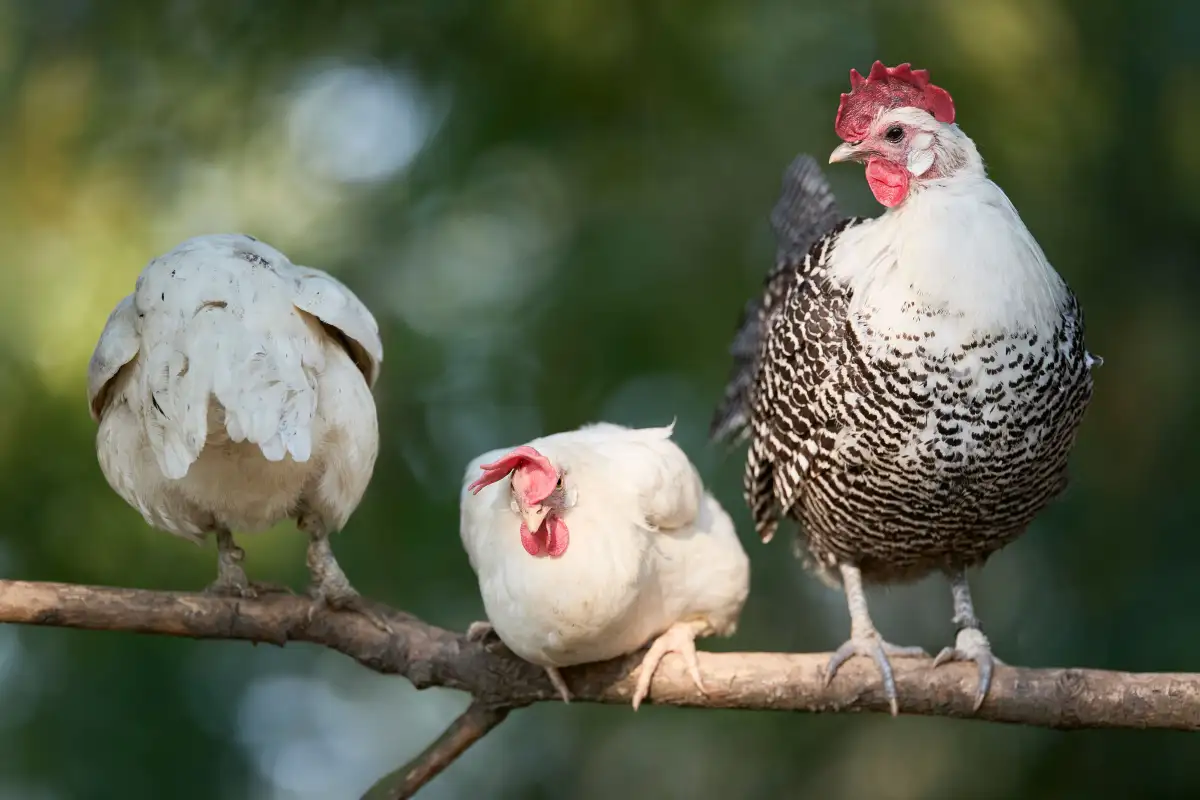
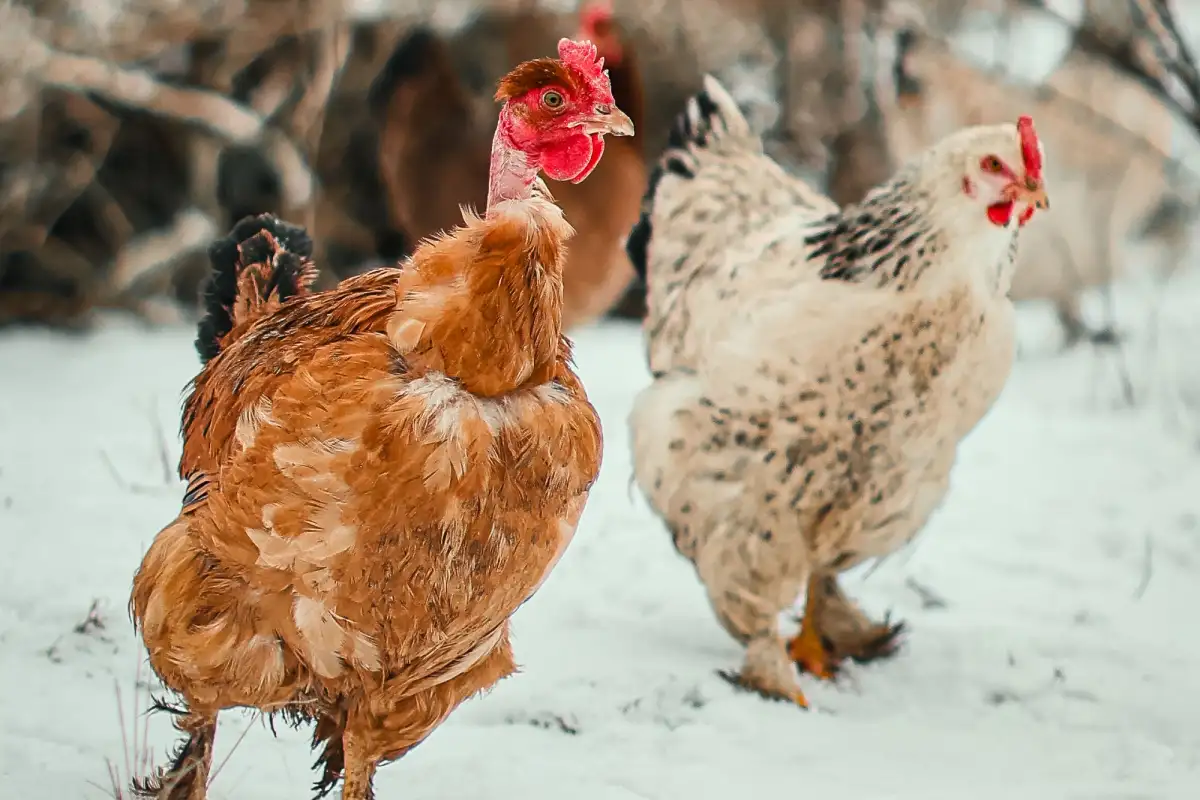
Match body size, headgear, and temperament before you buy, add birds in pairs, and time the merge at dusk so a mixed flock's pecking order settles fast.
Match body size, headgear, and temperament before you buy, add birds in pairs, and time the merge at dusk so a mixed flock's pecking order settles fast.
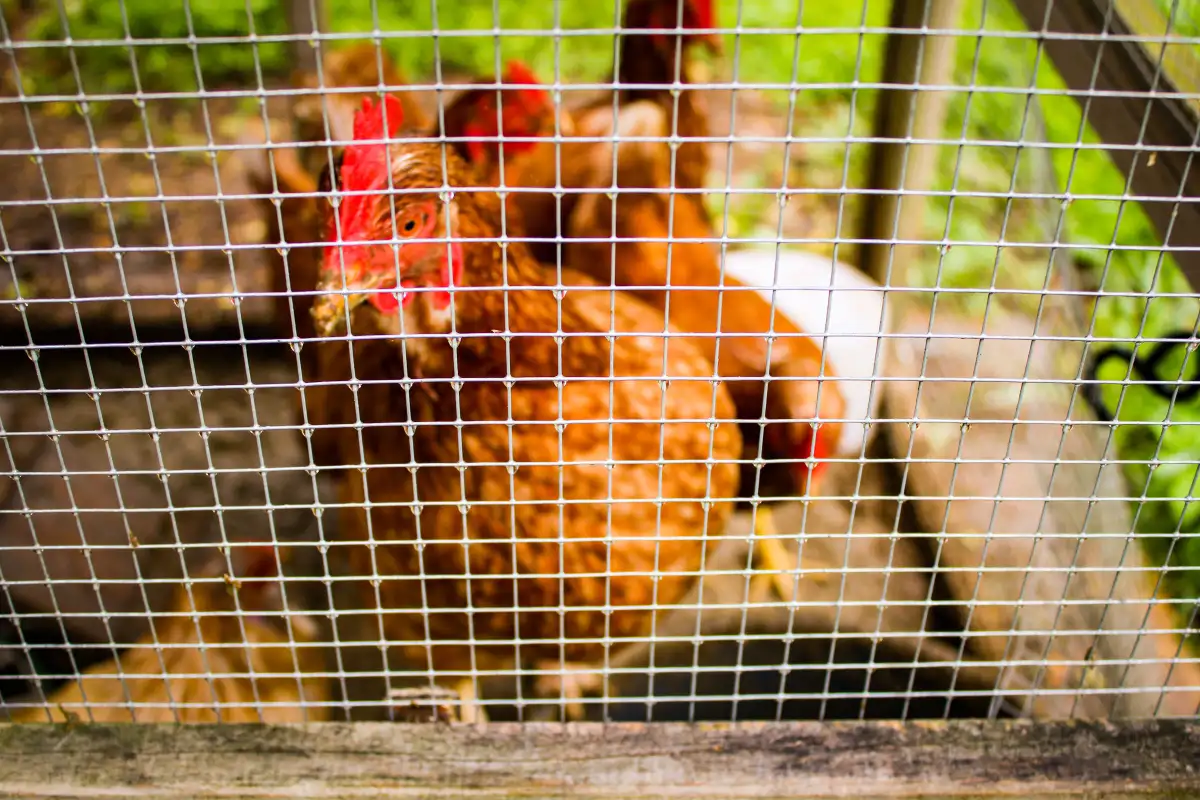
Fix a 4-foot aisle first, run one continuous hardware cloth perimeter, and stack bird space vertically. A tight-yard run layout that actually holds up.
Bantams are not just smaller chickens. Here is what downsizing the bird actually does to coop space, egg volume, fence specs, and predator exposure.
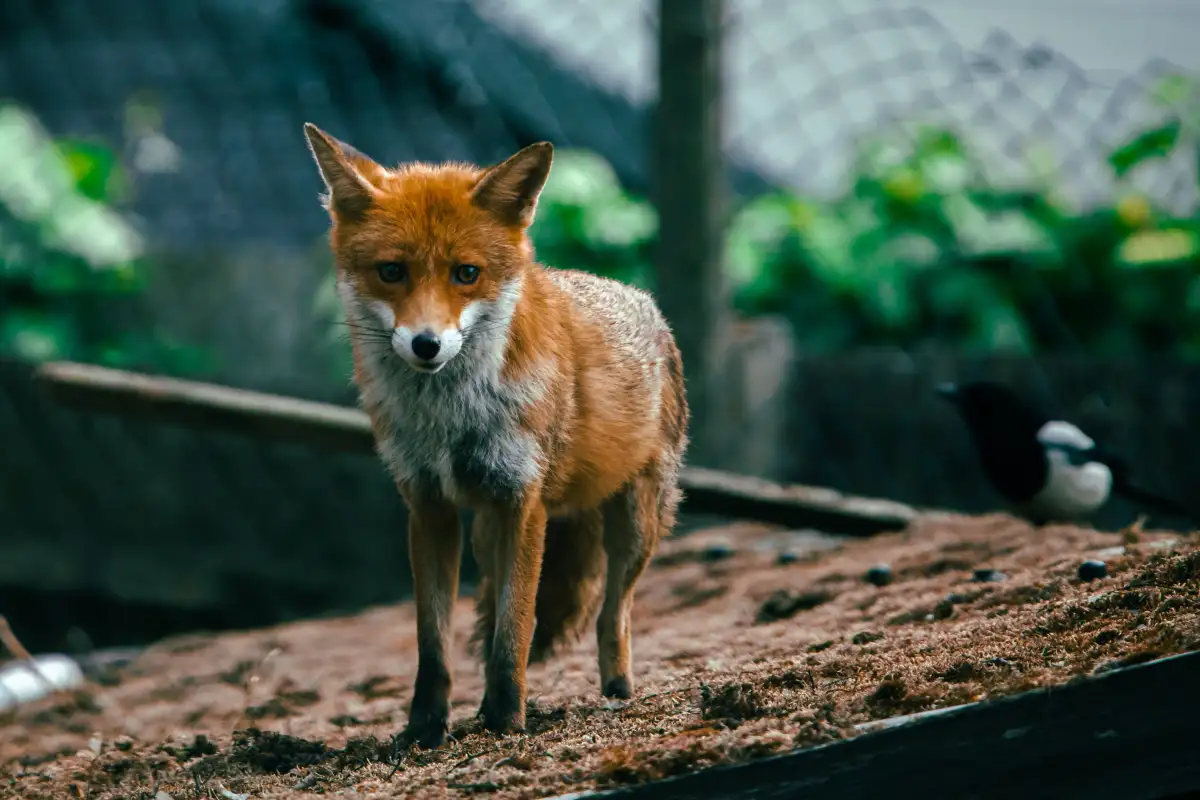
Predator-proofing is five stacked layers, not just a coop. Learn to read the evidence and audit your base, wall, overhead, and dusk routine.
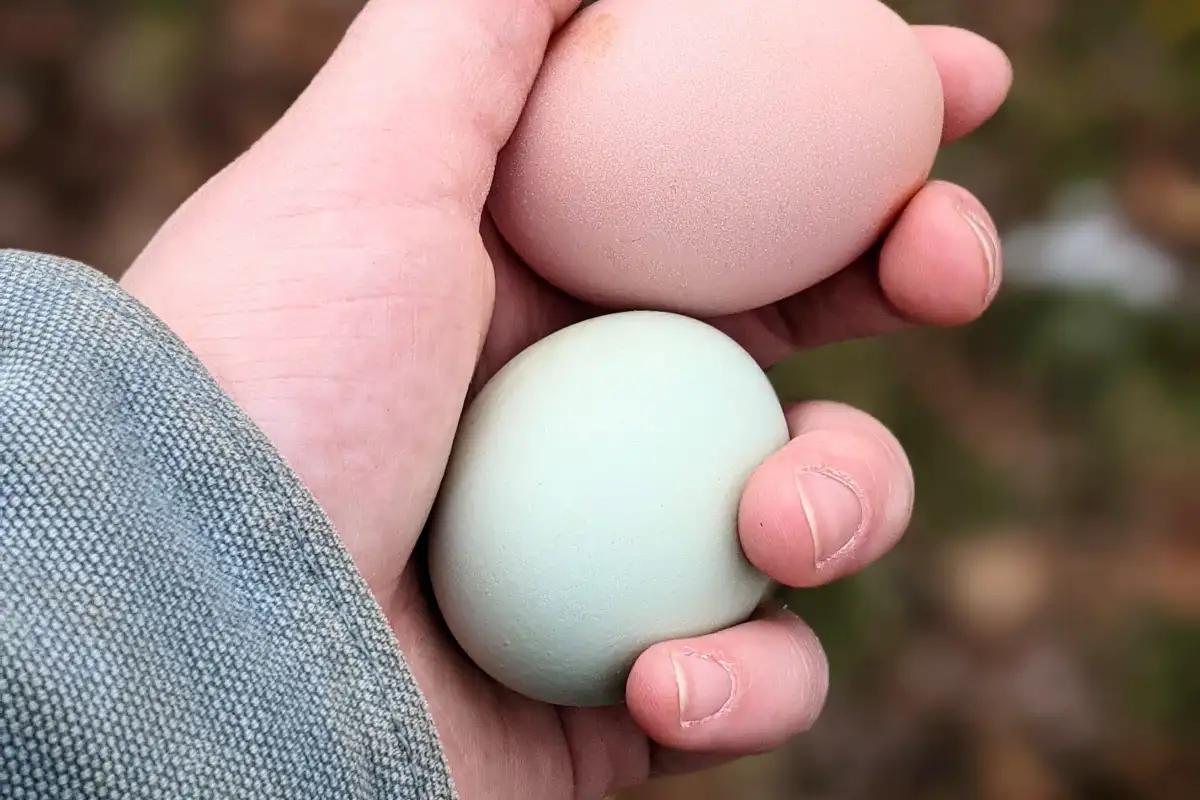
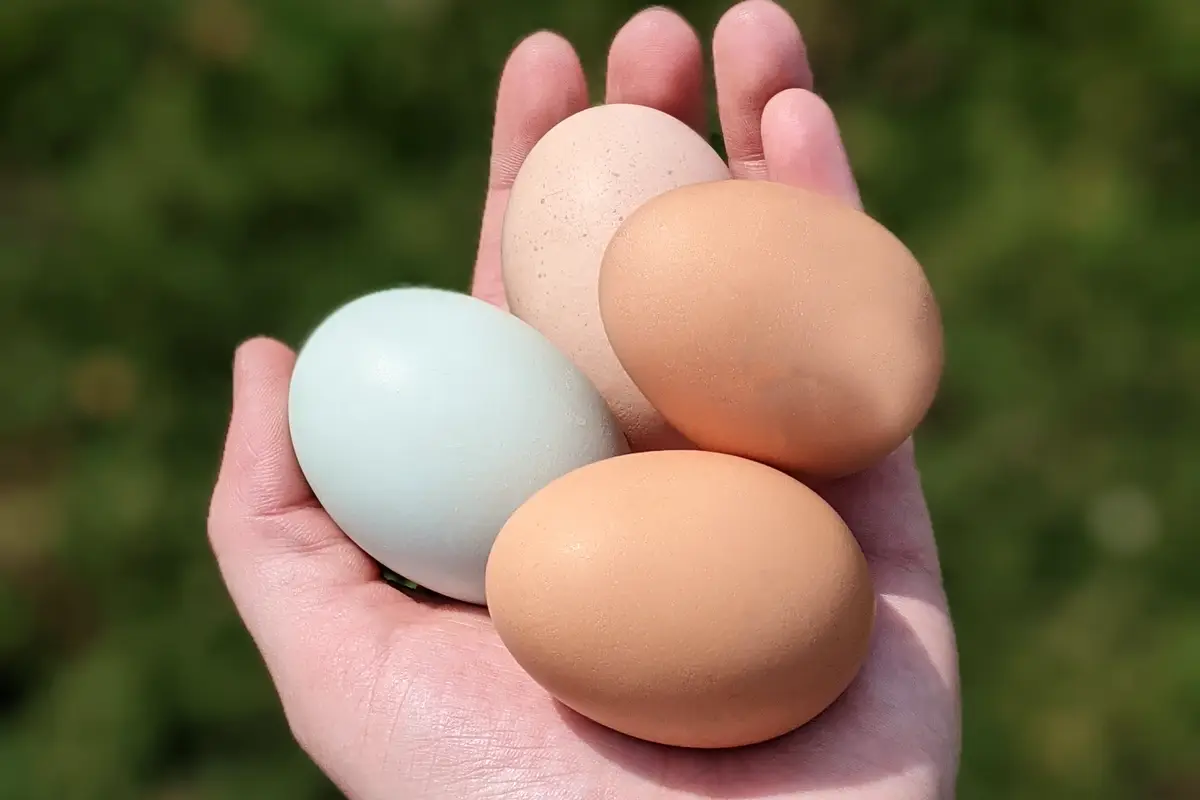
Shell color is set by breed, not feed. How Araucanas, Ameraucanas, and Easter Eggers actually lay, and the trade-offs you pick when you choose birds by color.
Face the solid side into the wind, roof part of the span, lift footing above the mud line, and size the span to the snow load. Winter run build.
Chicken wire fails because it is built to hold birds in, not to resist a pull. Judge a barrier by mesh opening, wire gauge, and how it is fastened.
Shell color, egg size, and lay rate are three separate inherited packages. What each appearance choice costs elsewhere in the flock before you order chicks.
An L-shaped wire apron attached to the bottom plate stops digging predators without a trench. Exact width, fasteners, and cover for sandy or rocky ground.
Brief pecks and stares are rank negotiation, not bullying. Learn to read hen hierarchy by watching feeders, roosts, and dust baths, then fix run bottlenecks.