Quiet Chickens: The Breed Selection Matrix Extension Offices Trust
A backyard flock’s noise level is a system output, not a breed lottery. Five variables determine whether you get a quiet, neighbor-friendly setup or a roiling source of complaints: vocalization baseline, environmental triggers, flock composition, rooster presence, and management routine. This framework — the same one cooperative extension offices use to advise prospective poultry keepers — lets you predict and shape sound levels before you bring home a single bird.
Breed lists treat quietness as if it were a fixed trait, like plumage color. That model breaks down the moment a supposedly docile Australorp starts shrieking in a cramped run or a lively Leghorn barely peeps because its environment removes all stressors. A breed is a predisposition, not a promise. The five-factor matrix replaces guesswork with a systems view, weighting each variable according to your specific constraints. Understanding how those variables interact puts you in control, and that control is what keeps hens out of the noise-nuisance category.
The Predictability Problem: Why a Five-Variable Matrix Replaces Breed Lists
Breed lists offer a one-dimensional answer to a multi-dimensional problem. They imply that selecting the right breed fixes noise. In reality, even the calmest breed vocalizes in response to hunger, fear, or social conflict. A hen’s sound production is a function of her internal state and external stimuli, not a static setting.
The matrix extension offices use reverses the process. Start by scoring your land, facilities, and management capacity. That produces a noise-risk profile. Only then do you select breeds whose innate tendencies fit that profile. This is a diagnostic approach, not a shopping list. It acknowledges that you cannot purchase silence, but you can engineer a lower-noise system by dialing each variable toward calm.
Decoding Innate Vocal Tendencies Without Relying on Breed Stereotypes
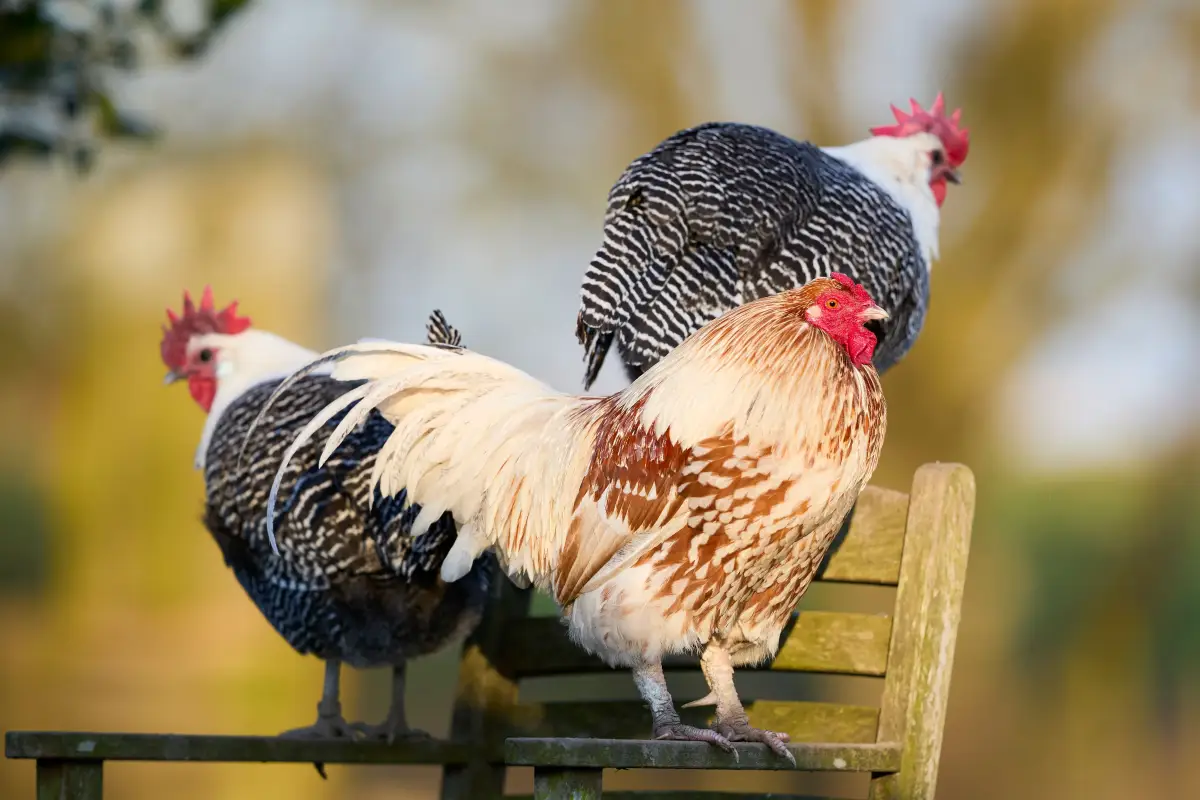
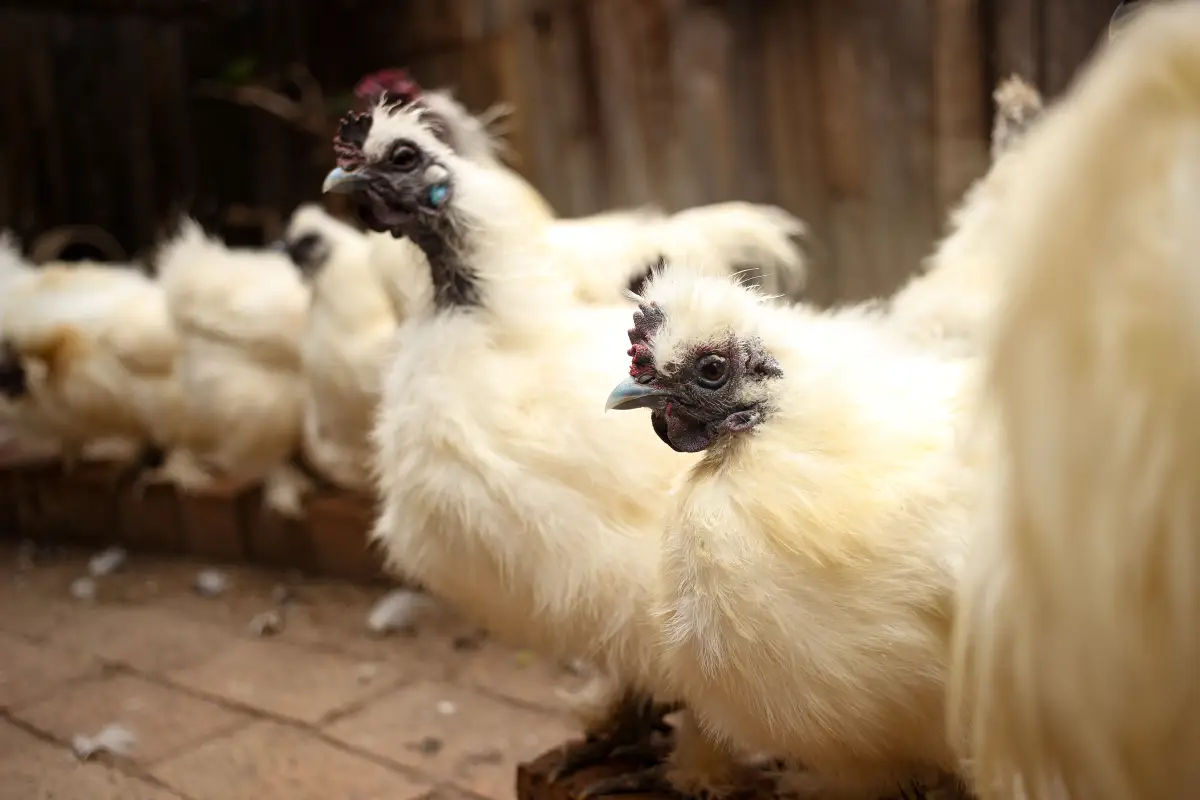
Every breed has a vocalization baseline — the average frequency and intensity of its calls under neutral conditions. Some are reticent; others are compulsive announcers. Breeds with low baselines include Australorps, Orpingtons, Wyandottes, Brahmas, and Cochins. Their typical repertoire is soft clucks, quiet murmurs, and the occasional egg song. At the other end, Leghorns, Polish, Egyptian Fayoumis, and many game breeds tend toward frequent, high-pitched alarm calls and insistent cackling.
Baseline matters, but context often overrides it. A stressed Orpington emits far more noise than a comfortable Leghorn. The matrix treats baseline as one weighted factor, not a trump card. If your other four variables score low risk, you can safely include a breed with a moderate baseline. If those variables already push your score into caution territory, even a low-baseline breed may not save the situation.
Environmental Triggers: Space, Enrichment, and Design as Primary Noise Controls
The physical environment is the single largest lever you hold. Stress is the proximate cause of excess vocalization, and stress in poultry usually traces to crowding, barrenness, or perceived threat.
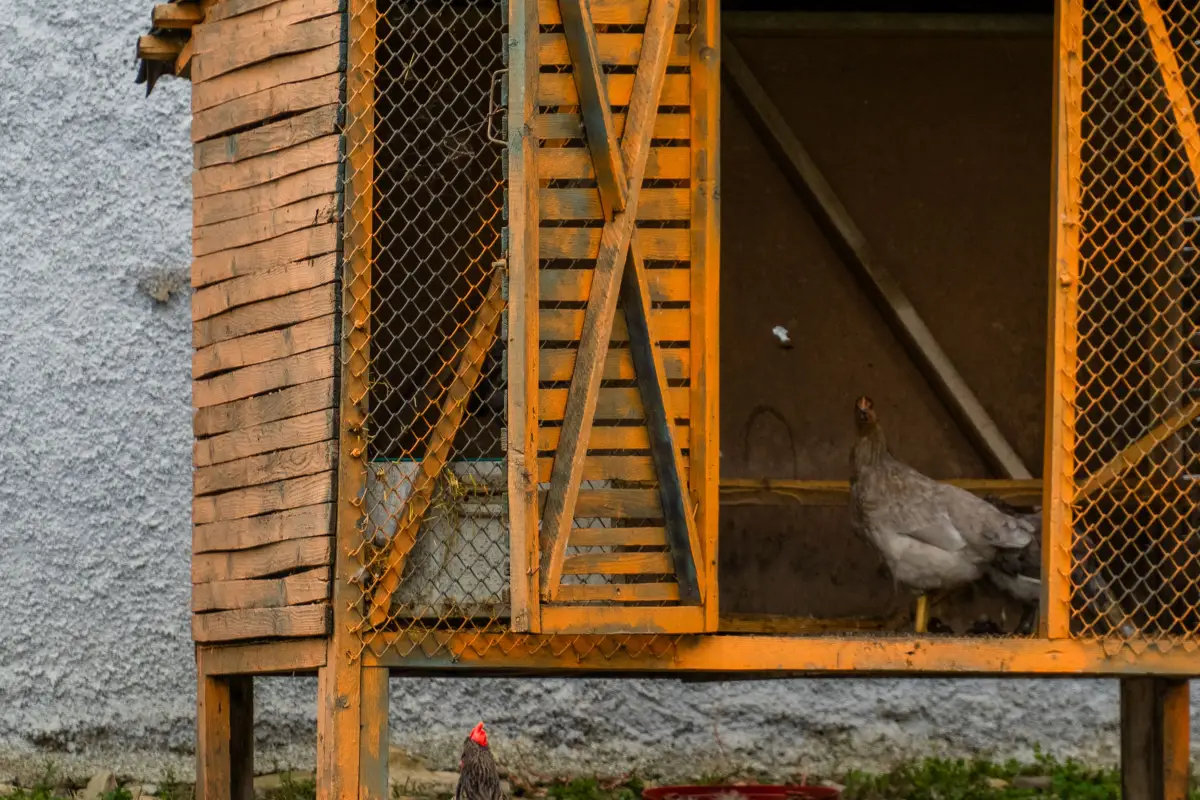
Coop and run dimensions set the floor. Standard guidance calls for at least 4 square feet per bird inside the coop and 10 square feet in the run. Those are minimums. Exceeding them consistently reduces skirmishes, alarm calls, and boredom vocalizations. Enrichment — dust baths, hanging greens, log perches, leaf litter — engages birds in foraging and social behavior that replaces alarm calling with contentment sounds.
Light and airflow influence vigilance. A dark, stuffy coop lowers the threshold for alarm. Good ventilation, natural light penetration, and a view of the outside keep hens placid. Predator proximity, real or perceived, is an amplifier: a neighbor’s roaming dog or overhead hawk will spike vocal output regardless of breed. Cover the run, add visual barriers, and site the coop as far from property boundaries as feasible when noise is a priority.
The matrix gives environment the heaviest weighting because it is the variable most fully under the keeper’s control and because it can drown breed tendencies in either direction.
Flock Composition: The Social Equation That Multiplies or Absorbs Sound
Flock composition — size, age structure, sex ratio, and stability — acts as a sound multiplier. The quietest baseline is a small, stable, all-hen group raised together from the same source. Every deviation from that increases the odds of conflict calls, alarm chains, and status squabbles.
Introducing even one new bird triggers a re-sorting of the peck order that can last two weeks or more, complete with loud disputes. Mixed-age flocks produce intermittent conflict as younger birds challenge older ones. Flocks above roughly eight individuals tend to fragment into subgroups, each with its own territorial chatter, multiplying the total sound load.
Temperament within the group is contagious. A single flighty breed’s alarm call spreads through even placid flock mates, raising background vigilance. The matrix therefore recommends selecting an entire cohort from breeds with matched calmness profiles, keeping the group small, and avoiding ongoing introductions.
The Rooster: A Binary Variable That Overrides Every Other Noise Control
A rooster changes the calculus fundamentally. Hens produce sounds that, while varied, rarely exceed comfortable conversational volume at a distance. A rooster’s crow registers at roughly 90–100 decibels — comparable to a lawn mower — and can occur dozens of times daily, starting before sunrise. No breed of rooster is quiet enough to nullify that risk. Some individuals crow less often, but breed prediction fails here; individual variance is high and cannot be screened before purchase.
Most urban and suburban codes prohibit roosters outright. Even where legal, they are the leading source of noise complaints. The matrix treats rooster presence as a binary high-risk factor. If noise is a binding constraint, an all-hen flock is the only reliable answer. For those who genuinely need a rooster — for protection, flock cohesion, or breeding — the matrix forces acknowledgment that every other variable must be scored at minimum risk, and even then, neighbor friction may arise. That is a tradeoff to accept, not a variable to finesse.
Management Routine: The Daily Rhythms That Condition Noise
Routine is the most underestimated variable because it operates indirectly. Chickens have precise internal clocks tied to light and feeding. If feeding comes at dawn every day, the flock expects it at dawn. A delay provokes loud protest. Irregular free-range schedules, inconsistent lighting, and unpredictable keeper presence all generate frustration vocalizations that are easily mistaken for personality.
Early, consistent, gentle handling habituates birds to human presence, lowering the baseline startle response. Rough handling does the opposite. Free-range access disperses birds and satisfies foraging drives, reducing pen-bound restlessness, but timing matters: release too early and a predator encounter can trigger alarm cascades; release too late and the flock is already agitated.
The matrix scores management as a continuous variable, rewarding regularity. The operational goal is a daily rhythm so predictable that the flock’s internal stress level stays flat — no hunger surprises, no sudden confinement, no erratic intrusions.
Applying the Matrix: A Scorecard for Your Planned Flock
Score your intended setup before choosing birds. Mark each variable from 1 (low noise risk) to 3 (high risk). The total reveals your noise profile and highlights which variables to adjust first.
| Variable | Score 1 (Low Risk) | Score 2 (Moderate Risk) | Score 3 (High Risk) |
|---|---|---|---|
| Vocalization Baseline | All breeds selected have documented low-baseline tendencies | Mix of low- and mid-baseline breeds | Any high-baseline breed included |
| Environment | ≥4 sq ft coop / bird, ≥10 sq ft run, multiple enrichment types, covered run, away from property line | Meets space minimums, basic enrichment, some predator cover | Below space minimums, barren, near active boundary |
| Flock Composition | ≤6 hens, same age, same source, all-female, stable for >1 year | 6–10 birds, some age mixing, recent introductions | >10 birds, ongoing turnover, mixed sex, multiple coops |
| Rooster Presence | No rooster | — (no moderate score; rooster is binary) | Rooster present |
| Management Routine | Fixed light/dark cycle, fixed feeding times, calm handling, consistent free-range schedule | Mostly regular but occasional disruptions | Erratic schedule, infrequent interaction, birds fearful |
Interpreting your total: 5–7 indicates a sound profile unlikely to trouble close neighbors. 8–11 signals moderate risk; you will probably need to improve one or two variables. 12–15 flags a high probability of noise conflict; the flock will demand significant management changes or a high tolerance for frequent loud periods.
Key Takeaways
- A breed’s innate quietness is only one piece of a system where environment, flock mates, and routine often exert more influence.
- A rooster is a binary noise risk; if noise is a constraint, maintain an all-hen flock.
- Spacious, enriched housing lowers baseline stress and reduces alarm calling across breeds.
- Stable, small, all-female groups with matched calmness profiles deliver the lowest decibel output.
- Consistent daily management — feeding, lighting, free-range timing — prevents frustration vocalizations.
Frequently Asked Questions
What is the quietest chicken breed?
No breed is entirely silent. The breeds with the lowest documented vocal baselines are Australorps, Orpingtons, Wyandottes, Brahmas, and Cochins. Under optimal conditions, they produce soft, infrequent sounds. Breed is never the sole determinant; a poor environment can make even these breeds noisy.
Can I train my chickens to be quiet?
Chickens do not respond to training in the dog or parrot sense. You can condition them to be less reactive by eliminating stressors and building consistent routines. What appears as training is usually a managed environment that removes the triggers for alarm and frustration calls.
Do hens crow like roosters?
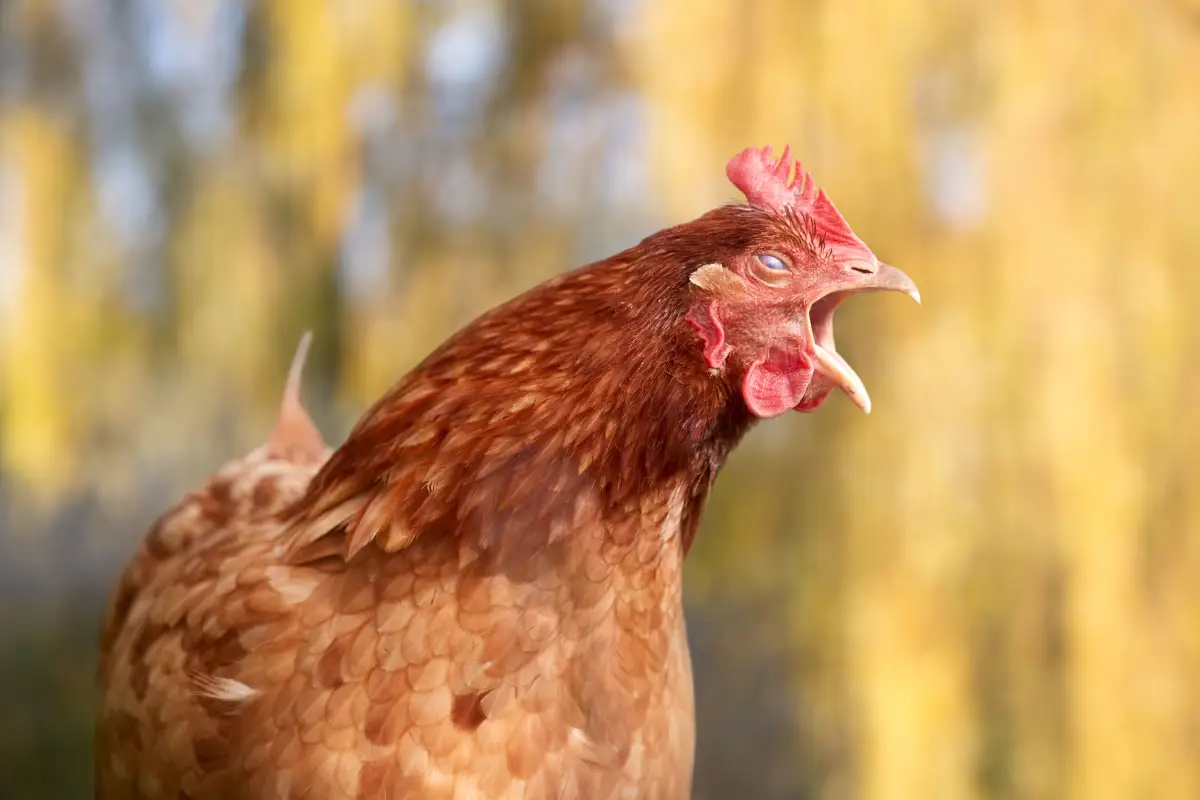
In rare cases, a dominant hen in an all-female flock may attempt a crow-like vocalization. It is typically softer, less structured, and less frequent than a rooster’s crow. It rarely reaches a volume or persistence that causes complaints, but it does occur.
How do I handle a single noisy chicken?
Isolate the trigger — time of day, location, specific flock mate interaction. Rule out overcrowding, bullying, or lack of enrichment first. Remove the identified trigger if possible. If the bird is simply high-baseline and the rest of the flock is quiet, rehoming may be the only long-term fix, because one chronic alarm-caller keeps the entire flock on edge.
Is it possible to keep chickens in a suburban backyard without noise complaints?
Yes, with deliberate planning. Score your intended setup with the matrix. Choose an all-hen flock, low-baseline breeds, spacious quarters, and a rock-steady routine. Many suburban keepers manage for years without a single complaint by controlling these interconnected variables.
Should I get a rooster to protect my flock if noise is a concern?
If noise is a primary constraint, a rooster is almost never advisable. The volume and frequency of crowing reliably generate disputes, even in rural areas. Alternatives — hardware cloth, covered runs, motion-activated lights — can provide comparable protection without the sound footprint.
What to Do Next: Build Your Noise Profile Before You Buy a Single Bird
The single most consequential step is to take the matrix and score your intended setup honestly. Acknowledge your actual space, your real schedule, and your tolerance for complaints. If the score lands in moderate or high-risk territory, adjust the variables you control — expand the run, reduce flock size, anchor a routine, and eliminate the rooster option — before you ever consider which breed to buy.
The matrix cannot promise a silent flock, because that does not exist. It can promise that the sound your chickens make will be a predictable consequence of deliberate choices, not a surprise that damages your relationship with the neighborhood.