Why Are My Chickens Squawking So Much? A Diagnostic Guide
If your flock is suddenly much louder than usual, set aside the guesswork. Determine the cause by systematically eliminating the most likely triggers. This diagnostic guide functions like a flowchart: you’ll examine hunger, predator stress, boredom, egg-laying behavior, and heat stress in order, applying the specific intervention that stops the noise.
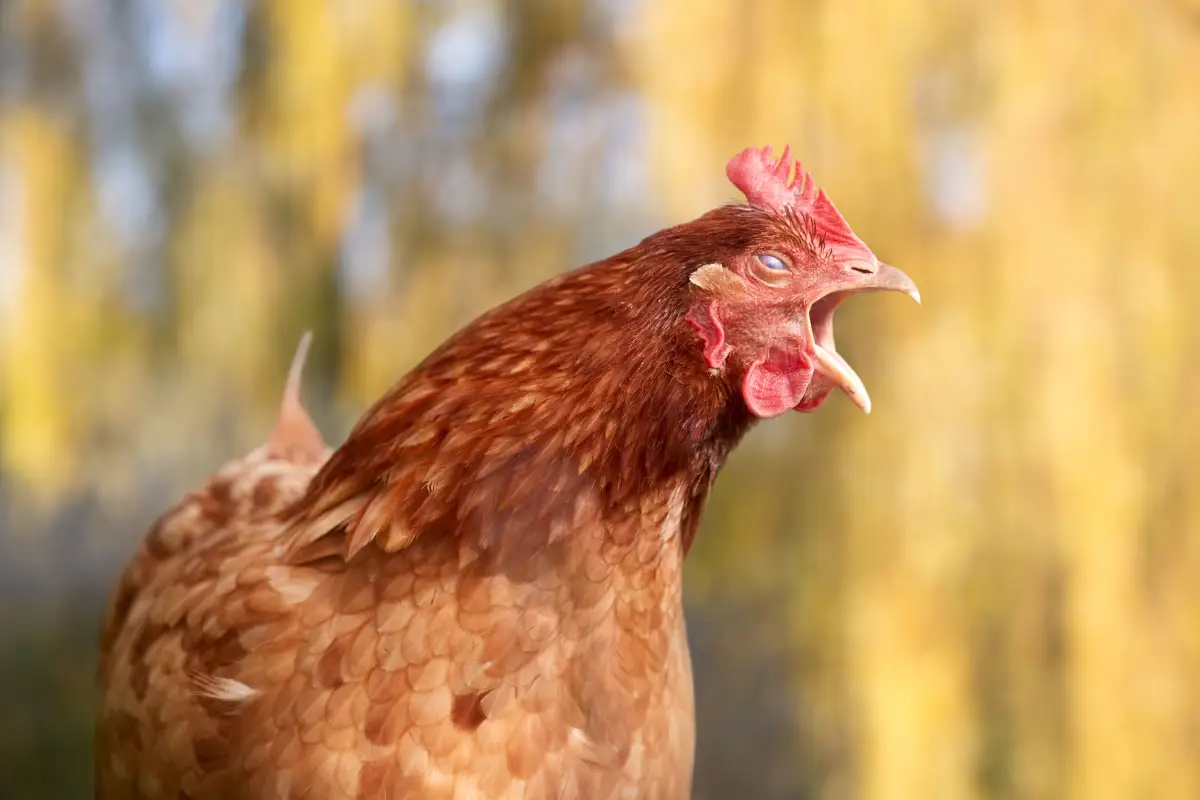
The Quickest Route to a Quieter Coop
If you need immediate results, run these three checks before anything else. They resolve the majority of excessive squawking within minutes.
- Check feed and water availability. An empty feeder or a waterer that’s tipped, clogged, or frozen will cause desperate, repetitive squawking. Refill both and confirm all birds can access them. If you use nipple waterers, test that they’re releasing water.
- Scan for threats. Stand in the run and look for signs of disturbance—scattered feathers, dug-out areas near the fence, a nervous huddle instead of normal ranging. Even a false alarm from a passing hawk can trigger sustained alarm calls. If you see nothing, move to step 3.
- Offer a temporary distraction. Scatter a handful of scratch grains, hang a cabbage, or toss in a flake of alfalfa hay. This breaks the fixation loop and buys you time to diagnose the underlying cause.
Locating the Trigger: A Diagnostic Walkthrough
Work through each cause below in the order presented. The sequence moves from highest probability and easiest fix to more complex possibilities.
Hunger Triggers: When Schedules Slip
Chickens squawk loudly and persistently when their feed runs out—especially if they’re accustomed to a set routine. A missed morning feeding, a feeder that’s jammed, or a dominant bird guarding the food station can all signal “empty crop” anxiety.
How to confirm: Watch the feeder at the time you normally fill it. Are birds mobbing the container? Are lower-ranking hens getting pushed away? Crop palpation early in the day can also help: a chicken’s crop should feel moderately full by mid-morning. If it’s flat and empty, feeding access is compromised.
Fix it:
- Fill feeders to a level all birds can reach simultaneously, or add additional feeding stations to reduce competition.
- Switch to a larger or treadle feeder if capacity is the limiting factor.
- If you free-range part of the day, confirm there’s enough forage; supplement with layer feed if pasture is sparse.
- Set a consistent feeding time and stick to it—chickens have a strong internal clock.
Predator Stress: The Alarm That Won’t Turn Off
Squawking that sounds high-pitched, repetitive, and urgent—often with heads upright and scanning the sky—signals predator anxiety. This can persist even after the predator is gone because chickens remain on high alert.
How to confirm: Look for indirect evidence: a flattened spot in vegetation where a predator may have lain, loose feathers in a pile (sign of an unsuccessful attack), or a sudden refusal to free-range. Nighttime disturbances from raccoons or owls can also cause pre-dawn panic squawking.
Fix it:
- Reinforce the run with hardware cloth buried at least 12 inches and an apron extending outward to deter digging predators.
- Install overhead netting or wire to block aerial attacks.
- Remove hiding spots near the coop (brush piles, tall grass) where predators can ambush.
- Add a motion-activated light or sprinkler in the run to startle nocturnal visitors.
- If the threat is ongoing, confine the flock to a secure run for several days until the predator moves on.
Boredom: The Chronic Whine
When chickens lack environmental stimulation, they often develop repetitive vocalizations—constant low-grade squawking or whining that isn’t tied to an immediate threat. This is especially common in confined runs with bare dirt and no objects to interact with.
How to confirm: Watch the flock’s activity level. Bored birds pace along fences, peck at the same bare spots repeatedly, and may begin feather picking. The noise is less panicked and more monotonous than alarm calls.
Fix it:
- Add a dust-bathing area with dry soil, sand, and wood ash.
- Hang vegetables (cabbage, lettuce, squash) from a string at head height for them to peck.
- Scatter scratch grains or mealworms in deep litter to encourage natural foraging.
- Place perches, stumps, or branches at different heights for climbing and exploration.
- Rotate novel objects into the run every few days—a straw bale, a mirror, a xylophone toy.
Egg-Laying Vocalizations: The Announcement Squawk
Hens often emit a loud, repetitive “buck-buck-buck-BAWK!” after laying an egg. This is a vestigial behavior to call the flock to a new nesting site. It’s normal but can become excessive if several hens are laying at the same time or if nesting boxes are inadequate, causing frustration.
How to confirm: Note the timing. Post-laying squawking peaks in mid-morning. Listen for the classic cadence. If you have egg-laying breeds, expect some daily chorus. The issue becomes a problem when hens squawk continuously because they can’t access a nesting box or are competing for one.
Fix it:
- Provide one nesting box per 3–4 hens, in a quiet, dim area of the coop.
- Add privacy curtains (simple burlap flaps) to reduce traffic stress.
- Ensure boxes have deep, clean bedding—straw or wood shavings—so hens can shape a nest.
- If squawking is at the nest box because another hen is inside, increase the number of boxes or add a temporary plastic bin as an overflow.
- Collect eggs frequently to reduce the time hens stand around announcing.
Heat Stress: Squawking Through Heavy Breathing
High temperatures—especially above 85°F with high humidity—cause chickens to pant and spread their wings. The discomfort often includes intermittent squawking, a sign they are struggling to thermoregulate.
How to confirm: Check the birds’ posture and breathing. Heat-stressed chickens hold their wings away from their bodies, pant with open beaks, and may appear lethargic. Squawking is often a sharp, short burst that punctuates labored respiration. Comb and wattles may be pale or dark red.
Fix it:
- Provide shade over the entire run—shade cloth, tarps, or fast-growing vines.
- Ensure water is cool and plentiful. Add ice blocks to waterers on extremely hot days.
- Set up a misting system or a simple sprinkler that wets the ground, allowing evaporative cooling.
- Offer chilled treats: frozen watermelon, frozen peas, or a block of frozen herbs in water.
- Increase ventilation in the coop by opening all windows and vents, and consider a temporary fan if heat is extreme.
- Electrolyte powder designed for poultry can be added to water during heat waves.
When It’s Not One of the Big Five: Rarer Culprits
Occasionally, none of the above fixes resolve the squawking. In those cases, investigate these less common causes.
Illness or injury: A sick or injured chicken may squawk from pain or isolation. Look for limping, sneezing, discharge, or a hunched posture. Separate the bird and provide supportive care—warmth, electrolytes, and access to a quiet space. If symptoms persist, consult a poultry veterinarian.
Bullying and social stress: In tightly confined flocks, dominant birds can harass subordinates, leading to distress calls. Rehome or temporarily separate aggressors if feather damage or constant chasing is visible. Increasing space and adding visual barriers (plywood sheets, pallets) can reduce conflict.
Broody hen protest: A broody hen removed from her nest may squawk in protest—low, growly, persistent calls. If you need to break broodiness, move her to a wire-bottom cage with food and water for a few days. Otherwise, let her hatch eggs, which ends the vocalizing once she’s settled.
Rooster crowing cycle: Though technically not squawking, a rooster’s crow can escalate into what sounds like distressed noise if he perceives a challenge. Roosters crow at dawn, but also in response to loud noises or perceived threats. The fix here is management: if noise is a problem, consider a no-crow collar (effectiveness varies) or rehome the rooster to a more rural setting.
Preventing the Racket: Husbandry That Reduces Vocal Outbursts
A few daily habits can dramatically cut down the decibel level before it starts.
- Stick to a schedule. Feed at the same times every day so hunger-driven squawking never triggers.
- Predator-proof once, correctly. Digging barriers, overhead netting, and latches that lock—raccoons can open simple hooks.
- Build environmental enrichment into the run. Rotate novel items weekly to keep the flock engaged.
- Monitor the social order. Adding new birds, removing a dominant hen, or overcrowding shifts the pecking order and can ignite noise.
- Keep cooling supplies ready. In summer, have shade cloth, misters, and frozen treats on hand before the heat spike.
Common Questions About Noisy Chickens
Why do my chickens start squawking at dawn every morning?
Dawn squawking is usually a combination of hunger after the overnight fast and the instinct to announce the start of the day. It signals they want to be let out of the coop. Install an automatic coop door that opens at first light, and have feed available immediately.
Can a single chicken squawk more because it’s lonely?
Yes. Chickens are flock animals. A solo bird often calls repeatedly in search of companions. If you must keep a single chicken, provide a mirror, plenty of human interaction, and consider adopting a companion.
Do some chicken breeds squawk more than others?
Breeds like Leghorns, Anconas, and Egyptian Fayoumis tend to be more vocal. Heavier, calmer breeds like Orpingtons and Brahmas are generally quieter. Breed selection is worth considering if noise is a persistent issue in an urban setting.
Is there a difference between squawking and normal clucking?
Squawking is louder, more urgent, and repetitive. Normal clucking is soft, contented chatter that occurs while foraging. Alarm squawks carry farther and often single-note. If you can hear it inside your house with windows closed, it’s likely a problem squawk.
How long does post-laying squawking typically last?
The announcement usually lasts 1–5 minutes per hen. If it continues much longer or sounds strained, check for egg binding or competition for the nest box.
If the Noise Persists: Next Steps
If you’ve worked through every trigger on this diagnostic list and the squawking continues, the cause may be subtle—an underlying health issue, a neurological condition, or an environmental stressor you can’t identify from the outside. At this stage, bring in a poultry-savvy veterinarian for a flock check. Alternatively, join a local poultry keeping group online or in person—experienced keepers can often spot patterns that written guides miss. Start there and describe exactly when the noise happens, what it sounds like, and what changes you’ve already made.