7 Quiet Chicken Breeds Backyard Owners Recommend
If you need quiet chicken breeds to keep a backyard flock without noise complaints, the seven breeds below are the ones university extension poultry programs identify as consistently low-noise. These aren’t selections pulled from social media polls or aggregated customer reviews. Each breed on this list appears in land-grant extension bulletins and poultry science outreach materials that explicitly describe it as calm, gentle, or notably quiet.
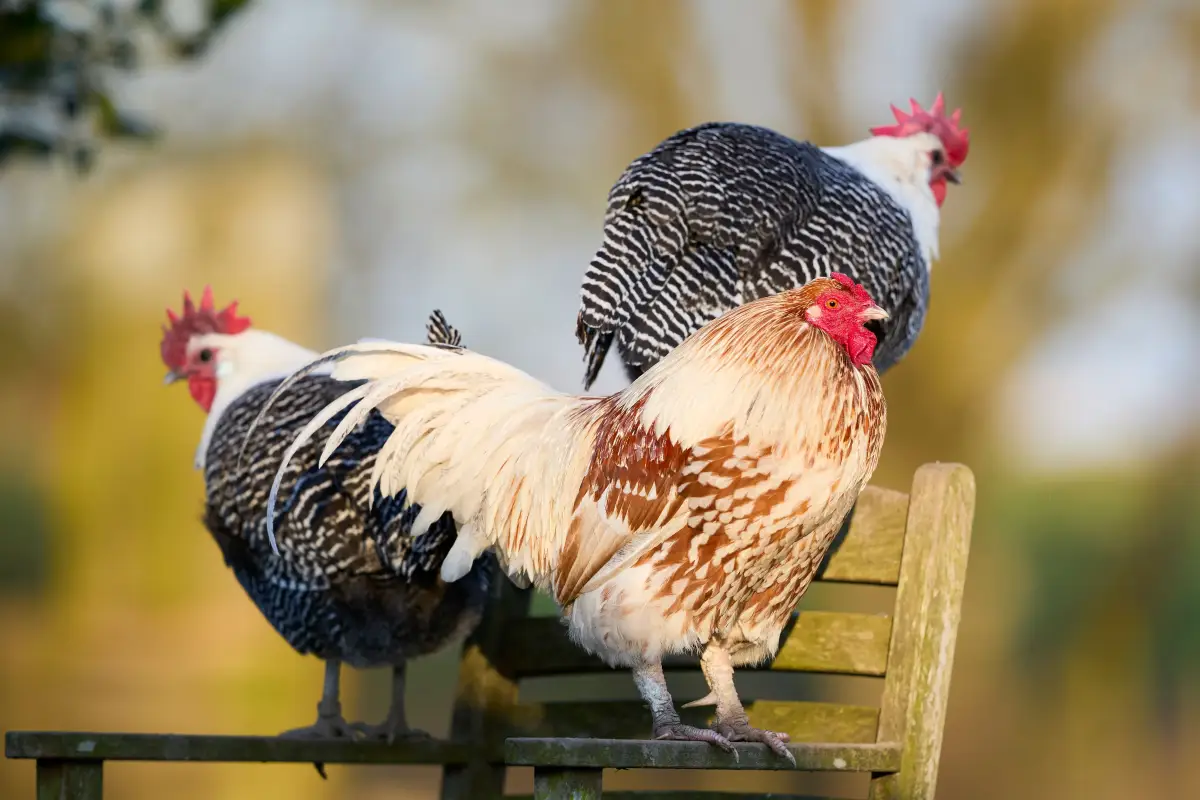
Extension guides from Auburn University, the University of Kentucky, and the University of Florida Extension, among others, separate breeds by temperament and noise potential — not by popularity. This article applies that same kind of filter. Every breed included here has a documented history, in extension literature, of reduced vocalization and steady disposition. The result is a list of seven quiet chicken breeds backyard owners recommend, chosen for low-noise traits recorded in formal poultry extension materials, not internet chatter.
Four Quiet Breeds That Fit Common Backyard Needs
Best overall: Buff Orpington
Best budget layer: Australorp
Best for beginners: Plymouth Rock
Best for families with young children: Silkie
Quiet Layers: Breeds That Keep Noise Low While Producing Eggs
These four breeds offer a balance of calm temperament and reliable egg production, backed by extension advice. They are the breeds that routinely surface in “backyard poultry” publications from university poultry specialists as quiet, steady workers.
Australorp
Australorps hold the world record for annual egg output, but extension poultry documentation stresses that they remain one of the quieter dual-purpose breeds. Their temperament is described as calm and friendly, which reduces the sharp, repetitive cackling that nervous hens produce. Glossy black feathers absorb heat, so provide shade and cool water in hot months.
Standout strength: 250+ brown eggs per year with a notably low-key disposition.
Main limitation: Heat sensitivity — they require deliberate cooling strategies when temperatures climb.
Plymouth Rock (Barred Rock)
Plymouth Rocks appear in numerous extension “getting started” guides because they combine cold hardiness with a steady, non-flighty nature. That steadiness keeps noise levels below the average for full-size layers. They are also auto-sexable at hatch, a practical detail extension materials highlight for small-flock managers.
Standout strength: Hardy through winter and consistently gentle, making them easier for novices to handle.
Main limitation: Broodiness sets in periodically, which can break the laying rhythm.
Wyandotte
Extension bulletins often recommend Wyandottes for northern regions due to their rose combs’ resistance to frostbite, and they note the breed’s docile, people-oriented behavior. Their vocalizations are infrequent and muted compared to higher-strung breeds, fitting suburban settings where noise carries.
Standout strength: Exceptional cold-hardiness and a naturally quiet, settled demeanor.
Main limitation: Slower to mature than some layers and inclined to go broody.
Sussex
Sussex hens exhibit a curious, confiding character that extension materials link to low flightiness and, by extension, low noise. They forage actively but stay calm near people, so the alarm squawks common in flightier breeds are rare. The Speckled Sussex variety, in particular, is frequently chosen by backyard keepers seeking a quiet, attractive bird.
Standout strength: Friendly and inquisitive without the startle response that generates loud calls.
Main limitation: Their heavier body weight can lead to joint stress if they don’t have space to roam.
Quiet Companions: Breeds with Gentle Dispositions and Broody Traits
When a chicken’s personality is the priority, these three breeds are the ones extension materials consistently point to for family-friendly calm and minimal noise. They are less about maximum egg output and more about a consistently peaceful presence.
Buff Orpington
Buff Orpingtons are the breed extension poultry experts most frequently label exceptionally calm and quiet. Large, heavily feathered, and notably patient, they handle confinement and free-range setups equally well. The deep, soft plumage makes them popular with children — but that same feathering makes them vulnerable to summer heat and damp conditions.
Standout strength: One of the quietest standard breeds, with a famously steady temperament.
Main limitation: Heavy feathering traps heat and moisture; summer management and dry housing are essential.
Cochin
Cochins are gentle giants whose feathered legs and slow, deliberate movements reflect a placid nature. Extension descriptions repeatedly use words like “docile” and “placid.” The noise they produce is minimal, largely because little seems to startle them. They are among the broodiest breeds, so egg numbers are low.
Standout strength: Exceptionally calm and quiet, even among the quiet breeds on this list.
Main limitation: Poor layers; prolonged broodiness can halt egg production for weeks at a time.
Silkie
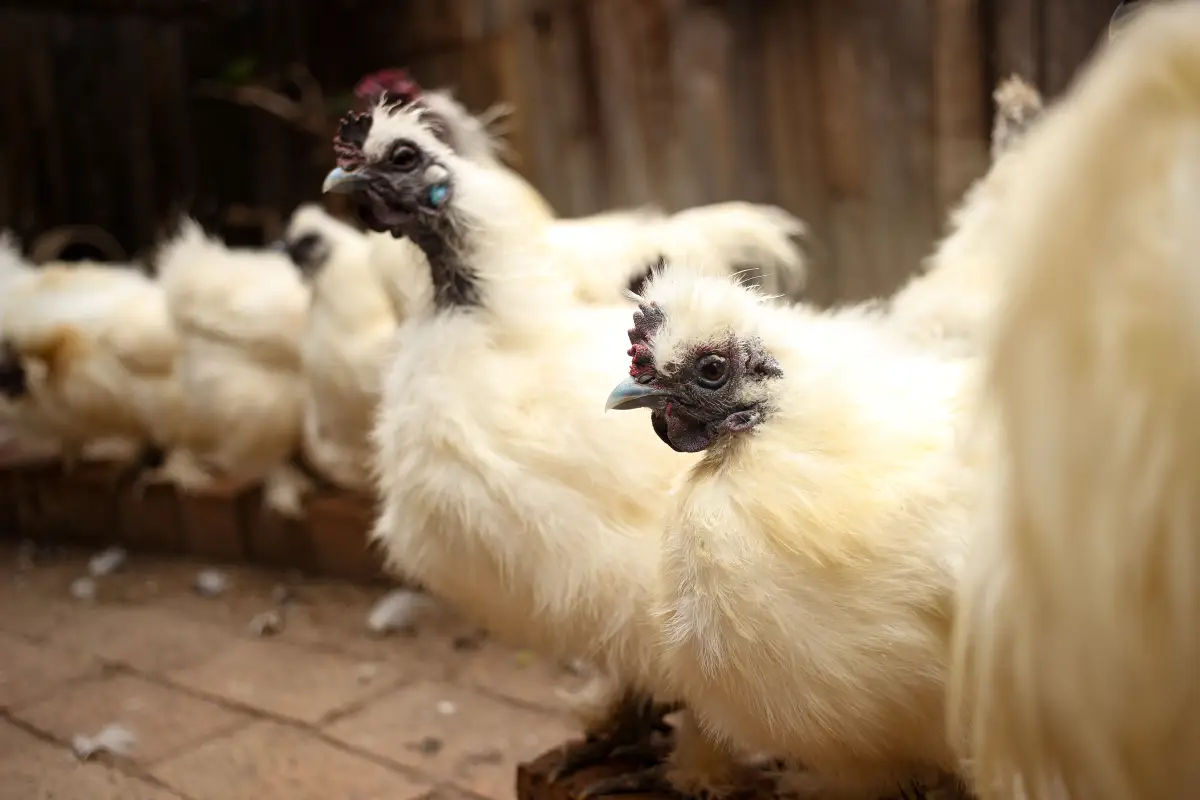
University extension poultry materials classify Silkies as ornamental and pet breeds, and their behavior confirms that role. They are small, extremely gentle, and nearly silent in daily activity. Their muffled, throaty sounds contrast sharply with the sharp cackles of nervous layers. Silkie hens also make attentive broodies.
Standout strength: Almost no disruptive noise and an ideal temperament for children.
Main limitation: Fragile in wet or cold conditions; they require dry, draft-free shelter and careful husbandry.
How to Decide Between Similar Quiet Breeds
Once you settle on a group, the final choice depends on your climate, space, and goals.
In the quiet layers group, let ambient temperatures and egg needs drive the decision. If winters are harsh, a Wyandotte’s frostbite-resistant comb gives it a practical advantage. For the highest egg count, the Australorp is the clear performer. Plymouth Rock offers a middle path — dependable production plus winter resilience — while Sussex thrives where moderate weather permits free-ranging.
Among the quiet companions, consider space and your tolerance for broodiness. A Buff Orpington fits most backyards and rarely causes a disturbance, but it demands shade and ventilation in summer. Cochins need a bit more coop room because of their bulk and feathered feet, which require dry litter. Silkies are perfect for small, sheltered runs, but they cannot handle damp or cold without rigorous predator-proof, draft-free housing.
Quiet Breed Comparison Chart
| Breed | Egg Color | Annual Eggs | Noise Level | Broodiness | Cold Hardy | Heat Tolerant | Size |
|---|---|---|---|---|---|---|---|
| Australorp | Brown | 250+ | Low | Low | Yes | No | Large |
| Plymouth Rock | Brown | 200–250 | Low | Moderate | Yes | Moderate | Large |
| Wyandotte | Brown | 180–220 | Low | Moderate | Excellent | Moderate | Medium |
| Sussex | Brown | 200–250 | Low | Moderate | Yes | Moderate | Large |
| Buff Orpington | Brown | 180–220 | Very Low | High | Yes | No | Large |
| Cochin | Brown | 110–160 | Very Low | Very High | Yes | Low | Large |
| Silkie | Cream | 100–120 | Very Low | Very High | No | Low | Small |
Frequently Asked Questions About Quiet Chicken Breeds
Are any chicken breeds completely silent?
No breed is silent. All hens cluck, and most produce brief egg songs or alarm notes. The breeds listed here are simply far less vocal than flighty, high-strung types. A calm environment is still required for the lowest possible noise.
Does a rooster from a quiet breed stay quiet?
A rooster’s crow is hormonal and instinctive, not a reflection of breed temperament. Even a rooster from the quietest breed will crow at dawn and intermittently all day. Local noise ordinances that forbid roosters should never be ignored based on a breed’s reputation.
What management practices help keep chickens quiet?
Three things make the biggest difference, according to extension guidance: constant access to feed and clean water, secure housing that minimizes fright, and flock densities low enough to prevent stress. Even a genetically calm breed can become loud if it’s hungry, scared, or overcrowded.
For the most typical backyard situation — a small suburban flock where quiet matters above all — the Buff Orpington is the breed that extension literature points to again and again. Its exceptionally low noise level and tolerant, easygoing nature make it the most reliable starting point for a peaceful flock.