3 silent triggers of heat stress in heat-tolerant chickens
When heat-tolerant chickens start panting and wilting, the problem isn’t failed genetics—it’s an invisible stressor cutting their margin. Subclinical coccidiosis, biofilm-induced dehydration, and early respiratory infection all produce the same surface picture while needing completely different fixes. This article walks through a diagnostic sequence that separates the three so you’re not guessing.
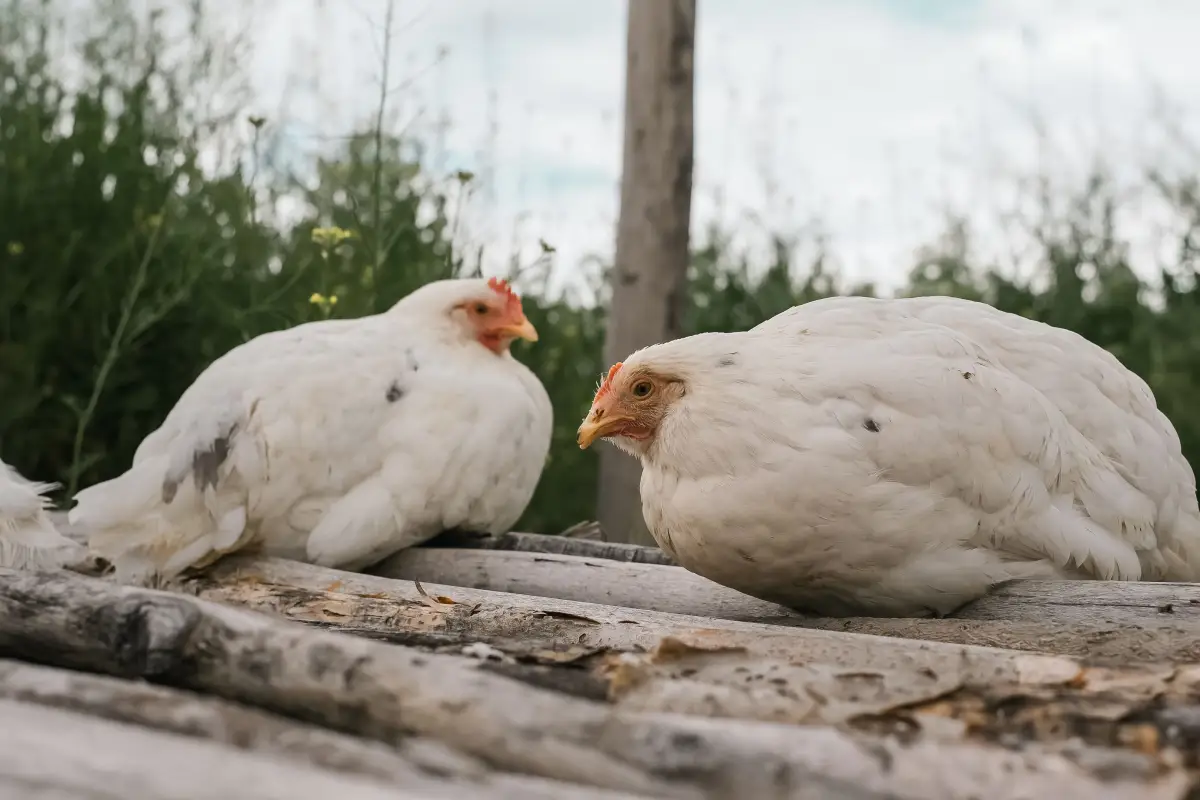
Three Heat-Stress Patterns That Don’t Blame the Breed
Each pattern points to one of the silent triggers. Match what you’re seeing, then jump to the section that covers it.
- Heavy panting with wet, caramel-tinted droppings but no diarrhea — subclinical coccidiosis is the likely driver.
- Panting paired with dry, tacky combs and birds that hang around the waterer without drinking much — biofilm in the water supply is limiting intake.
- Panting with faint respiratory noise, a crusty nostril, or birds standing apart — a smoldering lung infection is raising metabolic heat and blocking normal cooling.
When Subclinical Coccidiosis Pushes a Bird Over the Edge
A low-grade coccidial load inflames the intestinal lining just enough to sabotage water and nutrient absorption. The bird runs hot from inflammation and can’t cool down, even though it isn’t shedding obvious blood.
Confirming the Problem
Examine droppings for mucus, undigested feed, or a sticky sheen. A fecal float at a vet clinic will show oocyst counts that are moderate but not high enough to cause classic coccidiosis symptoms. In a group, watch for steady feed consumption with slow weight loss—that gap spells heat sensitivity from gut damage.
Fix Steps
- Treat the whole flock with amprolium at a therapeutic dose for 5–7 days. Use the treatment level on the label, not the prevention level.
- Strip wet litter down to dry flooring and keep it that way; coccidia need moisture to cycle.
- Supply electrolytes in a separate drinker for two days to offset what the damaged gut misses, but never mix electrolytes into the medicated water.
What to Expect
Panting should ease within 72 hours. Feed intake will rebound, and droppings will firm up. If the trigger was purely coccidial, normal respiration returns in about a week.
When Biofilm in the Waterer Creates Chronic Dehydration
Biofilm is a slime layer that makes water taste wrong and physically harder to drink. Hot birds need double their normal intake; even a thin biofilm can cut consumption by a quarter, leaving them chronically dry and unable to thermoregulate.
Finding Biofilm-Induced Dehydration
Slide a finger inside the waterer or along the lip of a nipple line. A slick, greasy feel confirms biofilm even when the water looks clean. Pinch a comb—if it stays tented or feels tacky instead of snapping back, dehydration is present.
Cleaning and Rehydrating
- Scrub every waterer with a stiff brush and a 1:10 bleach solution. Rinse until no bleach odor lingers. For nipple systems, push a food-grade hydrogen peroxide solution through the lines per the manufacturer’s instructions.
- Replace with fresh, cool—not ice-cold—water. Add an oral electrolyte mix for the first 24 hours.
- Watch drinking behavior: birds that suddenly tank up for a minute or more were being held back by the biofilm.
Recovery Signals
Panting drops noticeably within 4–6 hours of clean water. Full rehydration takes up to 48 hours; feed interest and preening return as the bird rebalances.
When an Early Respiratory Infection Wrecks Cooling
A low-grade respiratory pathogen—mycoplasma, infectious bronchitis, early ILT—heats the bird from the inside while reducing oxygen exchange. The result is frantic panting that looks exactly like heat stress, except it doesn’t stop when the temperature drops.
Catching It Early
Check the coop after dark. Listen for soft sneezes, faint rattles, or audible breathing when heads are tucked. In the morning, look for a tiny bit of wetness around nostrils or a speck of dried foam by the eye. Those are your giveaway signs.
Treatment and Support
- Pull any bird with obvious symptoms; stress accelerates spread.
- For suspected bacterial involvement, a water-soluble antibiotic like oxytetracycline may be needed after a vet consult. Viral cases get only supportive care—cooling, hydration, rest.
- Push ventilation further than you would for simple heat. Small fans directed across the roost (not onto birds) and a fine mist system drop effective temperature enough to buy recovery time.
Timeline
Bacterial cases often show improvement in 2–3 days; viral cases need 5–10 days of strict comfort measures. Panting from infection won’t resolve with cooling alone—the pathogen has to run its course.
Universal Emergency Steps That Buy Time
Electrolyte water, deep shade, and strong air movement reduce heat load regardless of cause. They’re sensible first moves while you diagnose. But electrolytes don’t strip biofilm; shade doesn’t kill coccidia; fans don’t cure a respiratory bug. Rely on them only as a bridge to the specific fix.
Preventing the Three Triggers
Keeping Coccidiosis Silent
Keep litter moisture below 25%—a hand pressed into it should feel dry within seconds. Avoid crowding, and rotate pasture when possible. In high-risk settings, a coccidiosis vaccine or a preventive coccidiostat in feed for young stock is worth the investment.
Eliminating Biofilm
Scrub waterers every three days during hot weather. For automatic systems, fit an inline filter and push a sanitizing solution through lines monthly. If your water source is high in iron or manganese, treat it—those minerals feed biofilm.
Stopping Respiratory Triggers
Ventilation must move 4–6 cubic feet of air per bird per minute. Quarantine new birds for at least two weeks. Ammonia from wet litter damages airways; turning bedding frequently and keeping it dry cuts that risk sharply.
Frequently Asked Questions
Can a heat-tolerant breed really get heat stress?
Absolutely. Heat tolerance is a gradient, not a guarantee. A bird bred for warm climates still collapses if a hidden infection or dehydration raises its core temperature beyond what it can dissipate.
How fast does biofilm cause dehydration in hot weather?
Within a day or two of slime build-up, water intake can drop 20–30%. That deficit pushes a bird into dehydration fast when ambient temperatures are high and demand soars.
What do droppings look like with subclinical coccidiosis?
They often appear wet, sticky, and caramel-colored, sometimes with bits of undigested grain. There’s no frank blood, which is why the condition gets missed.
How do I tell respiratory panting from normal heat panting?
Normal panting is rapid and quiet. Infected panting may include a click, a wet snick, or a faint crackle. Infected birds tend to isolate; heat-stressed birds seek cool spots and may spread wings.
If Nothing Works
When you’ve tried the targeted approach and 72 hours pass without improvement, collect these before contacting a poultry vet: droppings photos, a video of nighttime breathing, a log of water intake over the last two days, and a note of any feed or management change in the prior two weeks. Mixed triggers are common, and a lab exam is the fastest way to sort them without losing birds.