Why Corn Doesn't Heat Chickens: Winter Feeding Truths
Corn does not heat chickens. The warmth a hen radiates after eating corn is metabolic—identical to the heat produced from digesting any feed. The actual winter problem arises when corn replaces the balanced layer ration, removing the protein and calcium that sustain egg production and body reserves under cold stress.
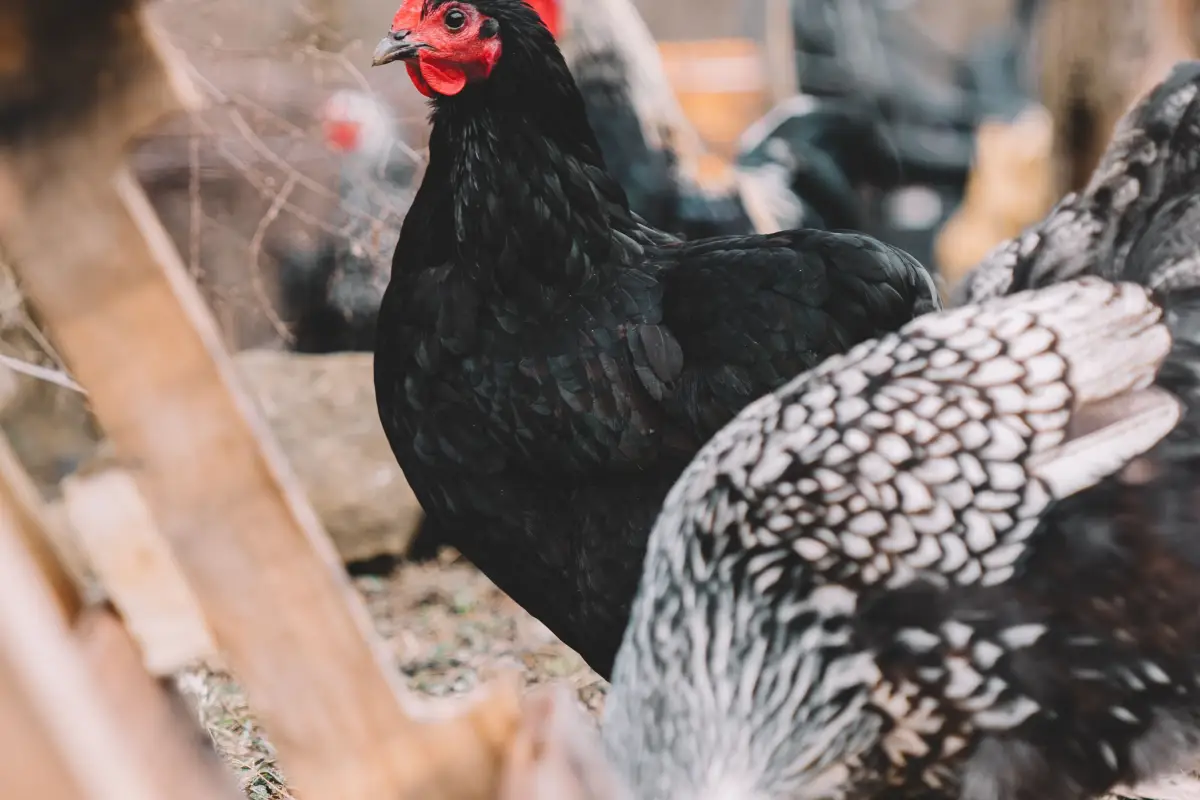
The persistence of this myth is rooted in corn's reputation as a "heating" grain, a concept borrowed from livestock care where corn's high starch is associated with fermentation heat in ruminants. In monogastrics like poultry, corn adds digestible energy but carries no thermogenic advantage. Worse, corn provides only about 8–9% crude protein and negligible calcium. When hens fill their crops with corn, they simultaneously reduce intake of the layer feed that supplies the amino acids and minerals essential for egg formation and feather maintenance. This sets off a cascade: thin shells, falling egg numbers, weight loss, and feather damage.
When Cold Weather Meets the Kernel Trap: Recognizing the Signs
A flock that was laying steadily throughout fall suddenly drops egg numbers or starts producing eggs with paper-thin shells. Hens look fluffed up, and some may begin feather-picking. This pattern is especially common in backyard flocks where the keeper adds corn "to keep them warm." The root cause isn't a lack of heat—it's a severe protein-calorie gap. Birds are getting plenty of energy from corn but are missing the amino acids and calcium required to form eggs and keep muscles intact. The following symptoms typically appear: a drop in egg production of 25% or more, increased egg breakage in the nest box, visible weight loss over a week, and new feather-pecking behavior.
A Cold-Weather Ration Reset: 4 Steps to Stop the Slide
- Remove free-choice corn immediately. Replace it with a complete layer feed (minimum 16% protein, ideally 18%) as the sole ration. Use a pelleted or crumbled form to reduce sorting.
- Offer free-choice supplemental calcium. Provide oyster shell or limestone grit in a separate container at all times. This lets each hen regulate her own intake based on demand.
- Increase total daily feed by 25–50% during extended periods when temperatures stay below freezing. Hens will need more energy just to maintain body temperature, and restricting feed in cold can force them to burn muscle for heat.
- Ensure unfrozen water is available. Chickens that can't drink will stop eating. Offer warm water (not hot) at least twice a day if temps dip well below freezing, and provide a heated waterer base if possible.
Diagnosing the Real Deficiencies Behind the Kernel Fallout
The following steps move from the most common and easily fixed to more nuanced issues. Address each in order.
Step 1: Pull the Free-Choice Corn—It's Filler, Not Fuel
What’s happening: When birds have unrestricted access to cracked corn, they fill their crops with it preferentially, leaving less room for the balanced feed. Corn provides quick energy but only about 8–9% protein—far below the 16–18% needed for consistent egg production.
How to confirm: Open a crop at night and feel the contents (palpation). If it feels gritty and mostly corn, the bird is selecting filler over nutrition. Check feed consumption records: if layer feed disappears slowly while corn vanishes fast, the imbalance is clear.
Fix: Switch to a complete layer pellet or crumble and discontinue free-choice corn entirely. If you want to offer corn as a treat, wait until just before roost time and limit it to a handful per 5–6 birds—roughly 10% or less of daily intake.
Step 2: Raise Protein to the 16–18% Threshold for Egg Integrity
What’s happening: Hens need a steady supply of amino acids (especially methionine) to form albumen and maintain feather quality. Corn alone can’t meet this demand. Even on a commercial layer feed, winter can expose marginal protein intakes because birds are eating less total feed if the weather is extremely cold and they're huddling, or because a lower-protein feed is being used.
How to confirm: Monitor egg whites: thin, runny whites indicate low protein. Check for feather loss on backs and bellies that isn't due to pecking—protein deficiency slows feather regrowth. Weigh a few birds weekly; a drop of more than 5% body weight signals a protein deficit.
Fix: Upgrade to a layer feed guaranteed at 18% protein. In mixed flocks with growing pullets or roosters, consider a 20% unmedicated starter/grower feed that supplies the extra protein needed by the highest-demand birds. You can also supplement with 1–2 tablespoons of soybean meal or fish meal per bird per day mixed into the ration.
Step 3: Close the Calcium Gap with Continuous Free Access
What’s happening: Layer rations contain 3.5–4.5% calcium, but when hens eat less overall because they’re filled with corn, calcium intake plummets. Cold stress also increases calcium flux—muscle shivering requires calcium—and may pull calcium from bone, leaving less for eggshell deposition.
How to confirm: Thin-shelled eggs, eggs laid without shells (soft shells), or hens actively eating shells in the nest box. A simple shell strength test: squeeze an egg from the flock gently between thumb and forefinger; if it cracks with light pressure, calcium intake is inadequate.
Fix: Place oyster shell in a separate feeder—never mix it into the main feed. Hens will self-regulate based on need. Use large-particle oyster shell (at least 2–3 mm) so it stays in the gizzard longer, releasing calcium steadily overnight when the shell gland is active. If hens ignore oyster shell, offer crushed limestone as an alternative.
Step 4: Recalculate Total Daily Energy—More Feed, Not More Corn
What’s happening: Thermoregulation in subfreezing temperatures can double a hen’s maintenance energy requirement. If the only high-energy option is corn, birds will gravitate toward it, but the solution isn't more corn—it’s more balanced feed, possibly with a small fat boost.
How to confirm: Estimate current feed intake per hen per day. In moderate weather, a typical layer eats about 100–120 grams of feed. In extreme cold (below 10°F/-12°C), that figure can climb to 150–180 grams. If they’re not eating that much because the only available feed is low-palatability or frozen, they’ll lose weight.
Fix: Provide the complete layer feed free-choice with ample trough space so all hens can eat at once. Increase the number of feeding stations if competition is high. To raise energy density without diluting protein, add a small amount (5–10% of the daily ration) of vegetable oil, black oil sunflower seeds, or cracked whole soybeans. Avoid adding more than 10% because it can unbalance the diet.
Step 5: Rule Out Feed Spoilage and Wet Rations
What’s happening: Frozen, moldy, or clumped feed is unpalatable and may contain mycotoxins that depress appetite and damage liver function.
How to confirm: Inspect feed containers for ice crystals, clumps, or musty odor. Look for increased feed refusal or birds standing around the feeder but not eating.
Fix: Store feed in a dry, frost-free area. Use heated or insulated feeders in the coop. If feed freezes, bring it indoors to thaw before offering. Replace any moldy feed immediately, and clean feeders weekly.
When Standard Fixes Aren’t Enough: Nutritional Nuances in Extreme Cold
Some flocks present challenges beyond simple corn removal.
Molting Hens Need Double-Digit Protein
A molt during winter dramatically increases protein requirements—feathers are almost entirely protein. A hen regrowing feathers while trying to stay warm may need a 20% protein ration. If she’s still on a 16% layer feed, egg production will stall, and she may lose condition. Temporarily switching to a 20% starter/grower feed (unmedicated) for 4–6 weeks can bridge the gap. Once feathers regrow, return to the regular layer feed.
Older Hens and Calcium Metabolism Decline
Hens over two years old become less efficient at absorbing calcium from the gut. In winter, when sunlight-derived vitamin D3 is scarce, even ample dietary calcium may not be properly utilized. Supplementing water with a poultry-specific vitamin D3 product (follow label directions) can improve shell quality without increasing total calcium intake.
High-Production Breeds and Genetic Energy Demands
Leghorns and other light breeds that lay heavily often have lower body fat and higher metabolic rates. In extreme cold, they may need proportionally more energy than heavier dual-purpose birds. Adding a small fat source (up to 10% of the ration) such as beef suet or black oil sunflower seeds can help them maintain weight without shifting from a balanced foundation.
Corn as a Calculated Tool, Not a Crutch
If you want to use corn at all, treat it as a scratch treat rather than a feed. Offer it only at the end of the day, after the birds have consumed their fill of layer ration. Keep total corn below 10% of the diet. You can calculate the total diet protein: if layer feed is 16% protein and corn is 9%, a 90:10 mix yields about 15.3% protein, which is marginal. To compensate, you could mix in a higher-protein supplement, but in practice, it’s simpler to eliminate corn and let the layer feed do the work.
Building a Winter Feeding Protocol That Never Fools You Again
The key to avoiding the corn trap is a seasonal feeding plan that adjusts before cold stress hits.
- Body condition scoring in autumn: Handle hens to feel breast muscle. A full, firm breast with a thin fat pad indicates good condition. Thin birds need extra nutrition now, not after the holidays.
- Switch to a winter-specific layer feed in late fall—some commercial formulas raise protein and energy slightly for cold weather. If not available, mix a 50:50 blend of standard layer feed and a 20% starter/grower for 2–3 weeks during the transition.
- Monitor feed disappearance daily: For a flock of 10 hens, if they were eating 1.1 pounds of feed per bird per week in October and it drops in December despite cold, something is wrong—likely they’re filling on corn or unpalatable feed.
- Record egg numbers and quality weekly: Early thinning of shells or a dip in production gives you a head start on correcting the diet before birds lose weight.
- Check coop and feeder setup: Prevent feed from freezing; provide enough linear feeder space (4 inches per bird minimum). Make sure waterers are functioning and ice-free.
- Review extension materials each season: Local extension offices publish region-specific cold-weather feeding guides that account for humidity, wind chill, and typical winter temperatures. A quick web search for "poultry cold weather feeding [your state] extension" yields practical tips.
Common Questions About Corn, Cold, and Chicken Nutrition
Does cracked corn actually produce body heat?
Cracked corn produces metabolic heat through digestion, but not more than other grains like wheat or barley. The idea that corn is a "heating" feed comes from equine and human traditions, not avian physiology. Chickens generate heat from any metabolizable energy source. Corn simply provides calories that can be burned for warmth, but so does a balanced layer pellet in larger amounts.
What is the best winter feed for laying hens?
A complete commercial layer feed with 16–18% protein, offered free-choice, along with free-choice oyster shell. If colder than usual, increase the amount fed by 25–50%. Adding a small amount (under 10%) of black oil sunflower seeds boosts energy density without major nutrient dilution.
How much should I feed chickens in winter?
In freezing conditions, increase daily feed allowance by 25–50% over fall intakes. Provide feed in the morning so birds can fuel up before the coldest part of the night. If using a self-feeder, ensure it never runs empty. Observation is key: if birds polish off feed quickly each morning, they need more.
Can chickens eat warm oatmeal instead of corn?
Oatmeal provides energy and warmth from cooking, but it’s low in protein (about 12% on a dry matter basis) and lacks sufficient calcium for layers. A small serving of cooked plain oatmeal as an occasional treat is fine, but it should never replace layer feed. Excessive oatmeal can cause digestive upset due to beta-glucans slowing gut transit. Treat oatmeal like corn: a between-meal snack, not a meal replacement.
Still No Eggs? Consulting a Poultry Nutrition Expert
If you’ve pulled corn, increased protein, provided calcium, boosted feed, and checked for spoilage but egg production remains poor or birds keep losing weight, it’s time for a deeper investigation. Request a feed analysis through your county extension office—they can test for mycotoxins, nutrient levels, and consistency. Your local extension poultry specialist can also help rule out diseases such as infectious bronchitis (which damages shell glands) or internal parasites that sap energy. Attend a poultry workshop or join a local club to share real-world feeding experiences.
The corn myth feels intuitively right because corn is high in energy and winter calls for extra warmth. But energy isn’t the same as heat, and a full crop of corn can starve a hen of what it really needs to lay strong eggs and survive the cold in good condition. Rely on complete nutrition, not a single grain, to bring your flock through the winter.