How to Get Every Egg Color You Want from Your Backyard Flock
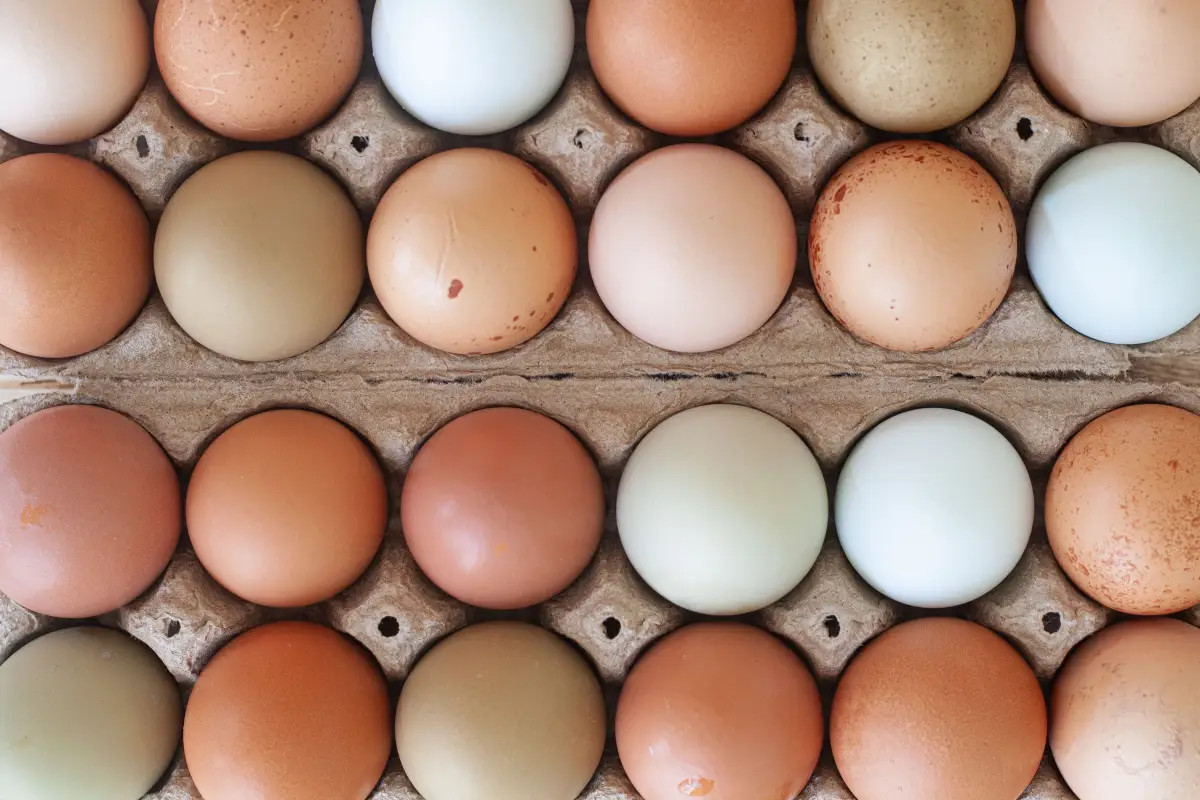
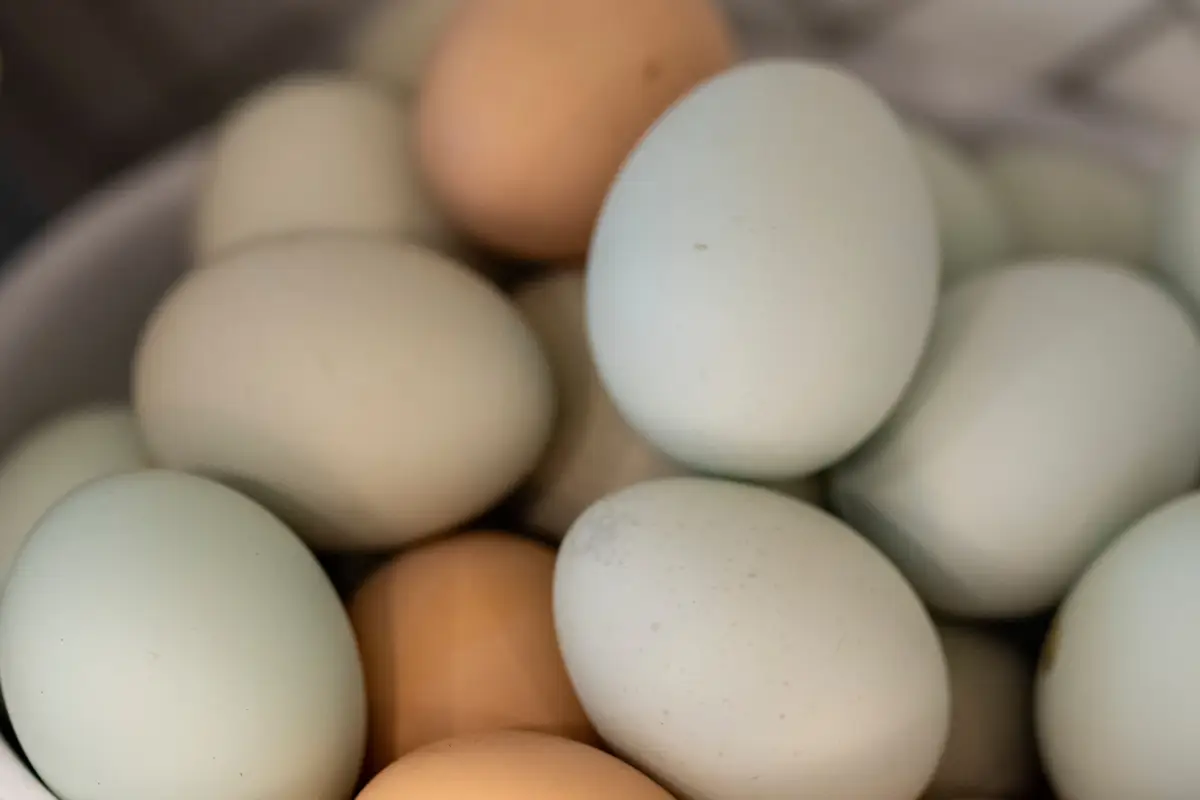
The secret to a basket of eggs ranging from pale cream to deep chocolate and sky blue to moss green isn’t ordering a mixed assortment of pullets and hoping for the best. It’s matching a few specific pigment genes to breeds that actually fit your operation. Shell color comes from protoporphyrin (brown) and biliverdin (blue); a hen that deposits both lays olive or green. But a flock that delivers those colors consistently — through heat waves, cold snaps, and without social breakdowns — demands more than eggshell genetics. It requires evaluating climate tolerance, heritage-vs-hybrid hardiness, and flock temperament before a single chick ever arrives. The framework that follows moves you from a random colorful flock to a purposeful rainbow laying system.
Where Your Flock Journey Begins: Four Common Starting Points
Your route through this guide depends on your current situation. Match the closest description, then note the path it opens.
The Established Flock Adding Blue and Green
You already have brown-egg layers and want blue, green, or olive eggs without gutting the coop. Your path: add one well-chosen blue-egg breed and, if you’re willing to hatch or buy second-generation pullets, a dark-brown layer for olive crosses.
The Blank Slate Starting from Scratch
You have no chickens and want a small, efficient flock that delivers the full color spectrum from day one. Your path: map desired shell colors to an exact bird count, then filter breeds for climate and disposition before sourcing stock.
The Heat Zone Homesteader
You live where summer temperatures routinely top 90°F, and cold-hardy fluffy breeds have failed before. Your path: prioritize heat-tolerant Mediterranean and game-type breeds that lay blue or tinted eggs, and avoid densely feathered, large-comb birds that suffer in humidity.
The Urban Micro-Flock
Ordinances cap you at four hens and no rooster, yet you want maximum color variety. Your path: stack distinct shell colors in a tiny space by selecting calm, confinement-friendly breeds that reliably lay four different hues.
Define Your Eggshell Palette Before You Look at Breed Photos
A written palette stops you from chasing every attractive chicken picture and ending up with a flock that all lays light brown. This phase translates “I want pretty eggs” into actionable genetic targets.
Why a Written Palette Matters More Than a Breed Catalog
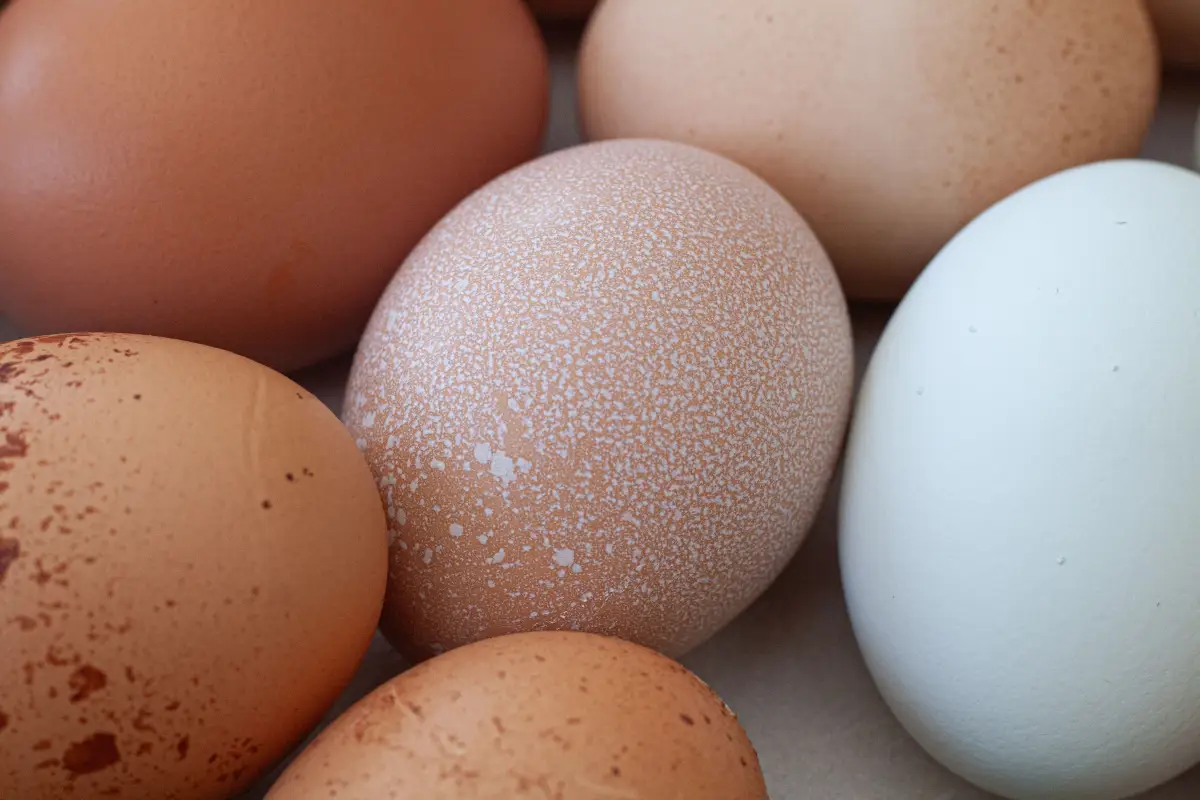
Base eggshell colors are finite: white, tinted, brown (medium to dark), blue, green/olive. You cannot get every shade from four hens, so decide which colors are non-negotiable and assign a rough number of birds per color. Write them down. This prevents the common mistake of buying six pullets that all lay the same shade because they looked different as chicks.
Steps to Translate a Color Goal into Genetic Terms
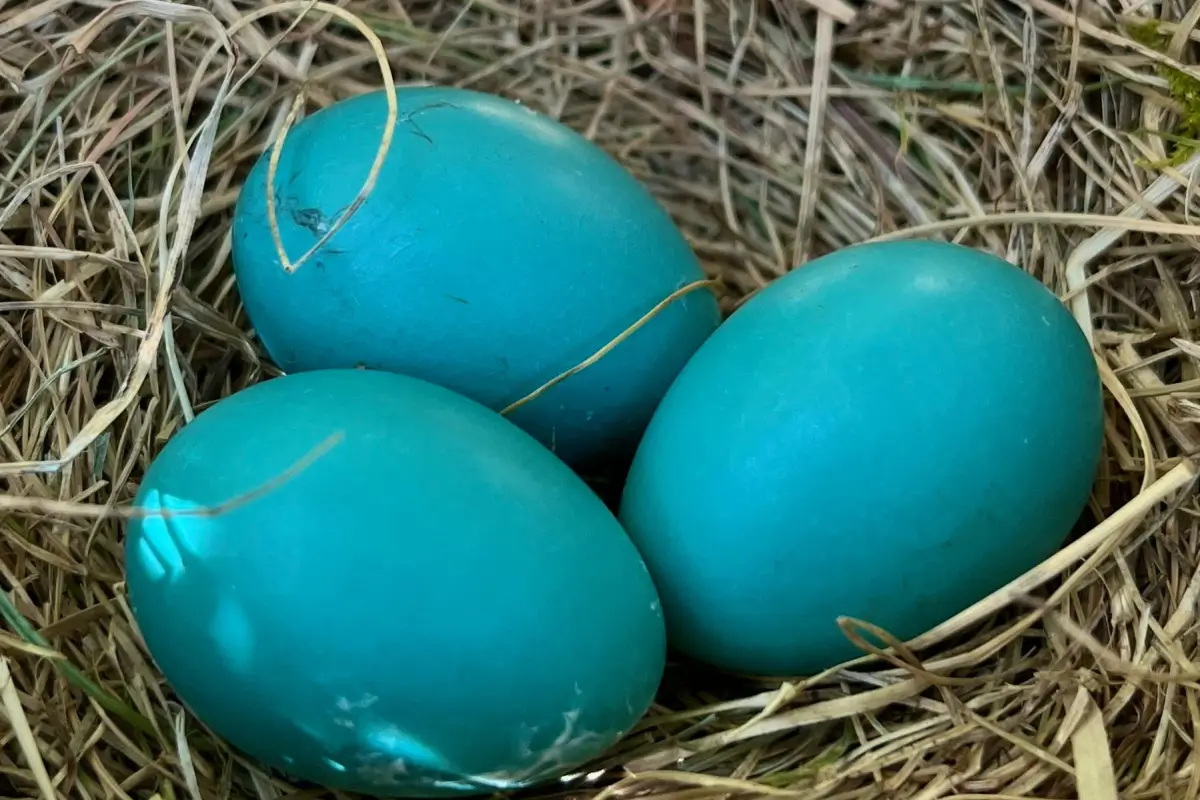
Blue is the simplest: controlled by a dominant gene, so purebred Ameraucana, Araucana, Cream Legbar, or selected Easter Eggers will lay blue. Green and olive eggs originate from a blue base with brown pigment deposited on top; the olive’s depth depends on how much brown the hen applies. Brown layers (Rhode Island Reds, Marans, Welsummers) produce eggs whose darkness varies by line and individual. If you want true white, a heat-tolerant Leghorn or Ancona solves that. For a rainbow basket, plan at least one confirmed blue-egg source and one dark-brown layer, whether they lay separately or you cross them to generate olive eggers — a cross that requires hatching offspring.
When You’re Ready to Leave Color Behind and Start Filtering Ecology
The observable sign: you have a written list — for example, “2 blue hens, 1 dark brown, 1 olive (or green cross), 2 white/cream” — and you understand which colors will come from purebred layers versus what demands a breeding cross. Once that’s clear, color ceases to be the primary filter; environmental suitability takes over.
Cross-Check Breed Lists Against Your Climate’s Toughest Month
A beautiful blue-egg layer that can’t handle your August heat or January freeze is a liability. Here you filter every candidate through real weather data.
Why Climate Trumps Aesthetics
Heritage breeds are often regionally adapted over centuries; they frequently handle cold or heat better than many modern hybrids bred for climate-controlled barns. Still, some purpose-bred hybrids like Whiting True Blue can surprise you with resilience. Comb type matters: large single combs shed heat efficiently but risk frostbite; pea and rose combs are cold-hardy. Plumage density matters just as much — heavily feathered breeds overheat quickly in the South, while lean Mediterranean types chill easily below 20°F.
How to Vet a Breed’s Heat and Cold Tolerance Without Relying on Marketing Copy
Go to breed-specific forums, not just hatchery listings, and search the breed name plus your climate zone. Look for reports of egg production dropping during heat waves, frostbitten combs, or high mortality in humid summers. Cream Legbars (blue eggs) have single combs but handle heat reasonably well with shade; Ameraucanas have pea combs yet dense feathering and need cooling aids above 95°F. Leghorns and Andalusians excel in hot weather. Dark-brown Marans can struggle in poorly sealed winter coops but are moderately heat-tolerant.
The Signal You’ve Done Enough Climate Research
You can point to a breed and state without hesitation whether it thrives in your summer highs and winter lows without heroic intervention. If any breed on your list would require installing a misting system just to survive July, replace it with a heat-adapted breed that lays a similar shell color.
Factor in Temperament So Your Rainbow Flock Stays Peaceful
A harassed hen produces fewer eggs and thinner shells. This stage protects the egg palette by preventing social chaos.
How Personality Affects the Bottom Line: Egg Production
Stress hormones interfere with calcium deposition, leading to thin shells or skipped laying days. Pecking order turmoil is more likely when breeds with clashing activity levels and assertiveness share confined space. Calm breeds like Australorps, Orpingtons, and Silkies often slot into mixed flocks easily. More assertive types — certain Rhode Island Reds, some game hens — may dominate feeders and chase timid birds. Easter Eggers, typically hybrids, are middle-of-the-pack and curious.
Key Temperament Traits to Screen For
For a small backyard flock, look for “docile,” “gentle,” or “curious but not flighty” in breed descriptions. Avoid breeds with strong flock-guarding instincts if space is tight. Naked Neck breeds, for instance, are extremely heat-tolerant and generally calm, but their appearance can surprise neighbors. If you plan to include a rooster, select a breed with a reputation for mild temperament — that trait passes to offspring and reduces human-aggression risk.
When Your Shortlist Passes the Peace Test
Your selected breeds share similar activity levels and have no documented history of extreme aggression. You’ve confirmed through hatchery feedback that they can coexist with the other breeds on your list. That’s the green light for sourcing.
Buy Stock That Actually Delivers the Colors You Planned
A hatchery’s “rainbow layer assortment” can yield five brown eggs and one pale blue — not the result you engineered. This stage is about genetic honesty.
What ‘Easter Egger’ Actually Means for Color Consistency
Easter Egger is a marketing term, not a breed. These birds carry the blue egg gene but can lay blue, green, pinkish, or brown depending on parentage. If your palette demands a fixed blue, choose a standard breed (Ameraucana, Cream Legbar) from a breeder who selects for egg color. Easter Eggers can add playful variety cheaply, but they will not anchor a predictable hue.
How to Read a Hatchery Listing for Genetic Honesty
Look for phrases like “lays blue eggs,” “selected for dark brown,” or “proven olive egger stock” — and avoid generic “assortment of colored eggs” without parent breed specifics. Ask if the hatchery guarantees sexed pullets and what the policy is when a bird turns out to be a rooster. For heritage breeds, determine whether the line comes from a breed club or is a production strain; the latter may trade pigment intensity for higher egg numbers.
The Checkpoint for a Secure Order
You have placed an order that names the breeds and, where applicable, egg color expectations. You understand the substitution policy if a breed is unavailable, and you chose a source with a track record of delivering the shell color advertised.
Raise Strong Pullets: Brooding for Productive, Hardy Hens
Even the best genetic plan collapses if chicks don’t reach laying age in condition to express their color potential.
What a Good Brooder Setup Does for Future Egg Color
Chicks that suffer chilling, coccidiosis, or nutritional gaps can develop poorly calcified first eggs and may never reach full pigment intensity. A brooder with a consistent temperature gradient — 95°F the first week, reduced 5°F each week — and clean, dry bedding supports healthy organ development. Good nutrition in the first eight weeks shapes shell gland formation.
Chick Care Steps That Influence Adult Laying
Use a 20–22% protein starter feed (medicated if coccidiosis is a regional risk, unmedicated if you vaccinate) for the first six to eight weeks. Introduce chick grit and small amounts of greens once they feather out. Never feed layer ration to chicks — excess calcium damages kidneys. Provide clean water with electrolytes during shipping stress. Handle them regularly if you want calm layers that stay steady during egg collection.
The Physical Signs That Chicks Are Ready for the Next Phase
At six to eight weeks, chicks are fully feathered, active, eating grower feed, and show no signs of pasty butt, respiratory distress, or lethargy. At that point they can begin the transition to the outdoor coop when temperatures align. Their foundation is set for strong, pigmented shells.
Checkpoints That Say You’re Ready to Move On
- You have listed the eggshell colors you need and assigned a target number of birds per color.
- Your breed shortlist includes only hens proven to thrive in your local temperature extremes without intensive intervention.
- All breeds on your list have temperaments that allow them to coexist peacefully in your available space.
- You have placed an order from a source that specifies the breed’s expected shell color and provides clear substitution or sexing policies.
- Your chicks are fully feathered, active, and transitioned to grower feed with no health setbacks.
Delayed Worries: What You Shouldn’t Obsess Over Yet
Olive egg shade precision. Until you own both a blue-egg parent and a dark-brown parent, any olive you produce will vary. Fretting over exact khaki green vs. army green makes sense only after your first cross hatches. Trigger: when you breed your own olive eggers.
Exact yolk color. Yolk pigment comes from diet (marigold, alfalfa, insects), not breed, and doesn’t alter shell color. Trigger: once hens are laying, you can tweak forage or feed additives for deeper yolks.
Cross-beak and other genetic quirks. Some breeds occasionally produce a crossed beak, but this is rare in well-managed lines. Worrying about it before you’ve chosen a breed is unproductive. Trigger: when sourcing hatching eggs from a confirmed defect-prone line.
Perfect broody behavior for olive egger hatching. You don’t need a broody hen; an incubator works just fine. Don’t let the lack of a natural broody stall your olive-egger plans. Trigger: when you decide to hatch chicks and weigh the broody-vs-incubator trade-off.
What neighbors will think. Egg colors bother no one. Rooster noise will. Focus on local rooster ordinances, not basket aesthetics. Trigger: when you consider keeping a rooster.
Questions New Flock Builders Ask Before Ordering Chicks
What chicken breeds lay blue eggs?
Ameraucana, Araucana, Cream Legbar, Whiting True Blue, and some Easter Eggers carry the dominant blue egg gene. For guaranteed blue, purchase from a breeder or hatchery that selects for the trait rather than relying on mixed stock labeled “Easter Egger.”
How do I get olive eggs?
Cross a rooster from a blue-egg breed with a hen from a dark-brown egg breed (like a Marans or Welsummer). The female offspring inherit the blue gene and a brown overlay, resulting in olive or moss green eggs. Exact shade varies with the brown pigment intensity; no cross guarantees identical olive tones.
Can I keep a rooster in a rainbow flock?
Yes, where local zoning allows. A rooster is required if you want to hatch your own olive eggers or propagate blue-egg lines. Without one, you’ll need to buy sexed pullets each time you add a color. Roosters add noise and can become aggressive — select a breed with a reputation for calm roosters if you go this route.
What should I feed my chickens to keep eggshells strong without altering color?
A balanced layer feed with 3.5–4% calcium supports shell strength; shell color is genetic and unaffected by diet. Severe malnutrition can lighten brown pigment and thin shells, but it won’t turn a blue egg white. Offer crushed oyster shell free-choice once laying begins, and ensure adequate vitamin D3 through sunlight or supplementation.
Do hybrid layers produce colored eggs as reliably as heritage breeds?
Not always. Many production hybrids are selected for uniform brown eggs and can lose pigment intensity as the laying cycle progresses. Heritage breeds and carefully selected pure lines typically maintain truer, more consistent shell color over years. For a predictable egg basket, start with standard breeds rather than commercial brown-egg crosses when color is a priority.
When a Purposeful Rainbow Flock Pays Off
A daily basket of shell colors that matches your planned palette — no surprises, just a system of breeds chosen for egg genetics, climate resilience, and peaceful coexistence — means your flock runs itself with fewer emergencies. If you are starting with no birds, take out a notebook and write the three egg colors you most want, the temperature extremes of your climate zone, and the maximum number of hens you can comfortably house before you open any hatchery catalog.