Why Brown Eggs Aren't More Nutritious (and Other Color Myths)
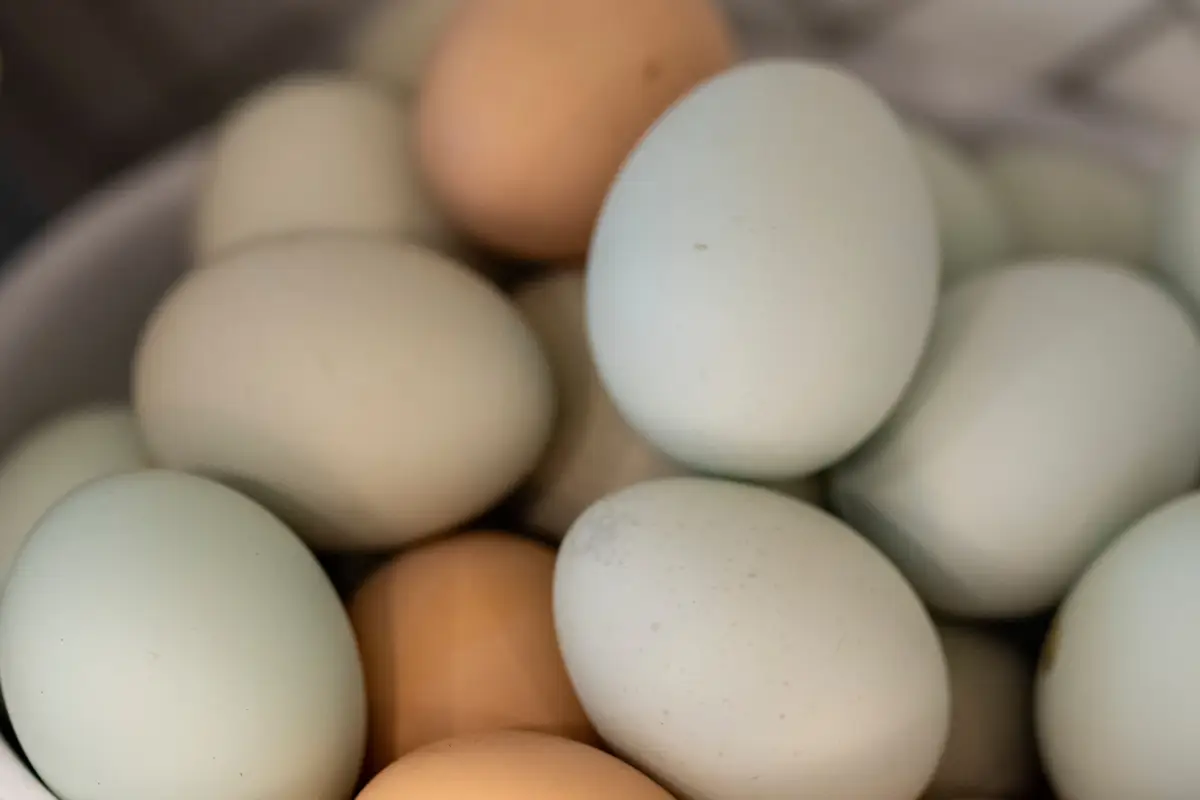
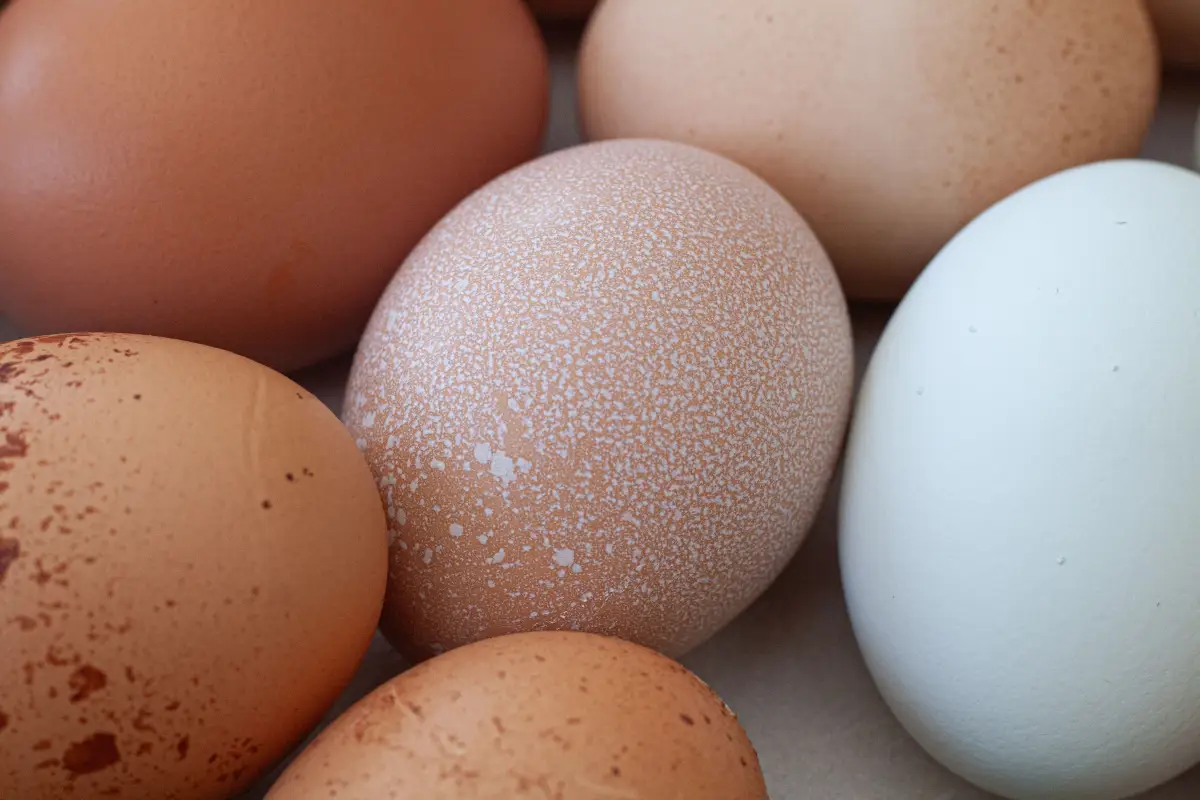
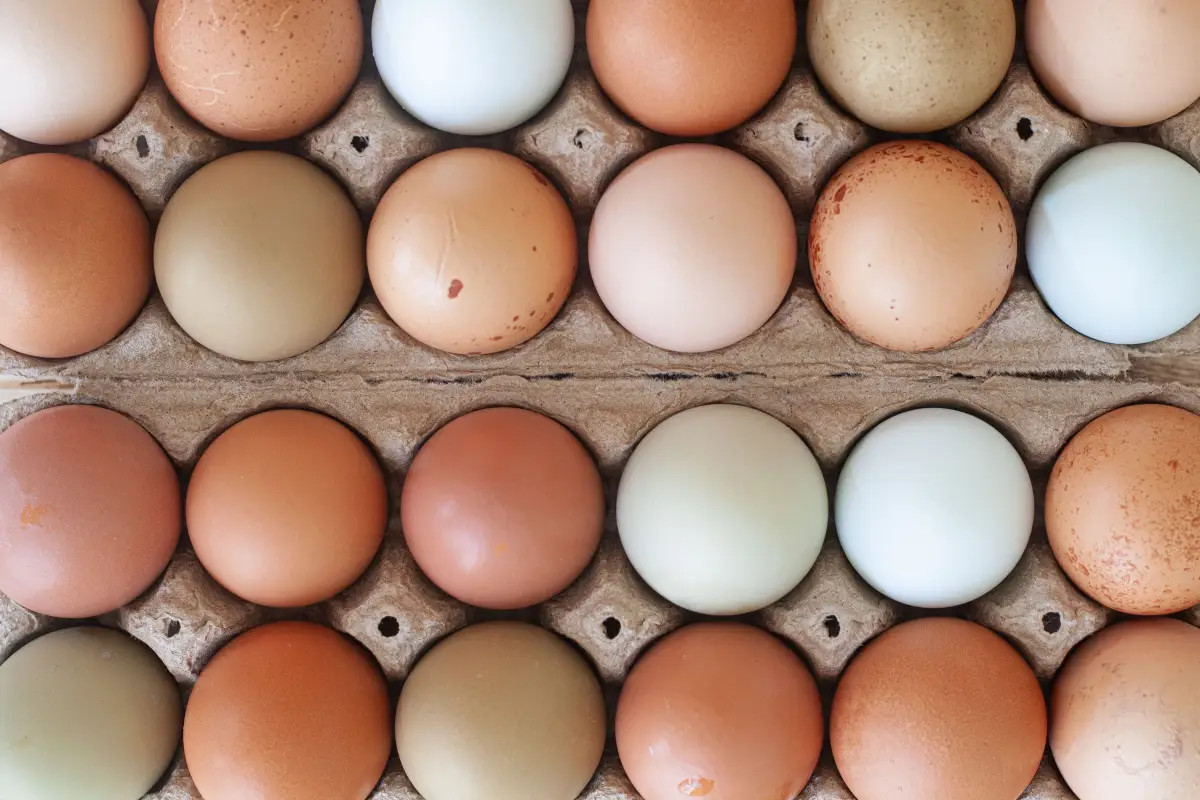
Brown eggs hold no nutritional edge over white eggs. Shell pigment — whether brown, white, blue, or olive — is a breed-linked genetic default, while an egg’s nutritional value derives exclusively from the hen’s diet. That value registers in yolk color, not in shell tint. The pricing premium that brown eggs command is a production artifact, not a quality indicator, and the folklore that equates a darker shell with a healthier interior collapses under even a cursory look at USDA grading standards and carotenoid research.
Are brown eggs healthier than white eggs?
They are not. The basal nutrient composition — protein, fat, vitamins, and minerals — is identical across shell colors when hens receive the same feed. Protoporphyrin, the pigment that tints a brown shell, contributes nothing nutritional. Any measurable variation between eggs traces to diet, not breed.
Why do brown eggs usually cost more?
The higher price reflects the economics of the hens that produce them. Brown-egg layers, typically dual-purpose breeds like Rhode Island Reds, eat more feed per egg than the efficient white Leghorn. Feed is the largest variable cost in egg production, so brown eggs carry a higher production cost. Marketing then amplifies the perception of value, but the nutritional reality is flat.
Do brown eggs taste different from white eggs?
Taste is a function of freshness and diet, not shell pigmentation. In controlled sensory comparisons, panelists cannot reliably distinguish brown from white eggs when source conditions match. If a brown egg seems richer, that impression likely comes from a hen that had access to foraged plants or insects — a diet advantage that would produce an equally flavorful white-shelled egg if applied to that bird.
What determines whether an egg is brown, white, or blue?
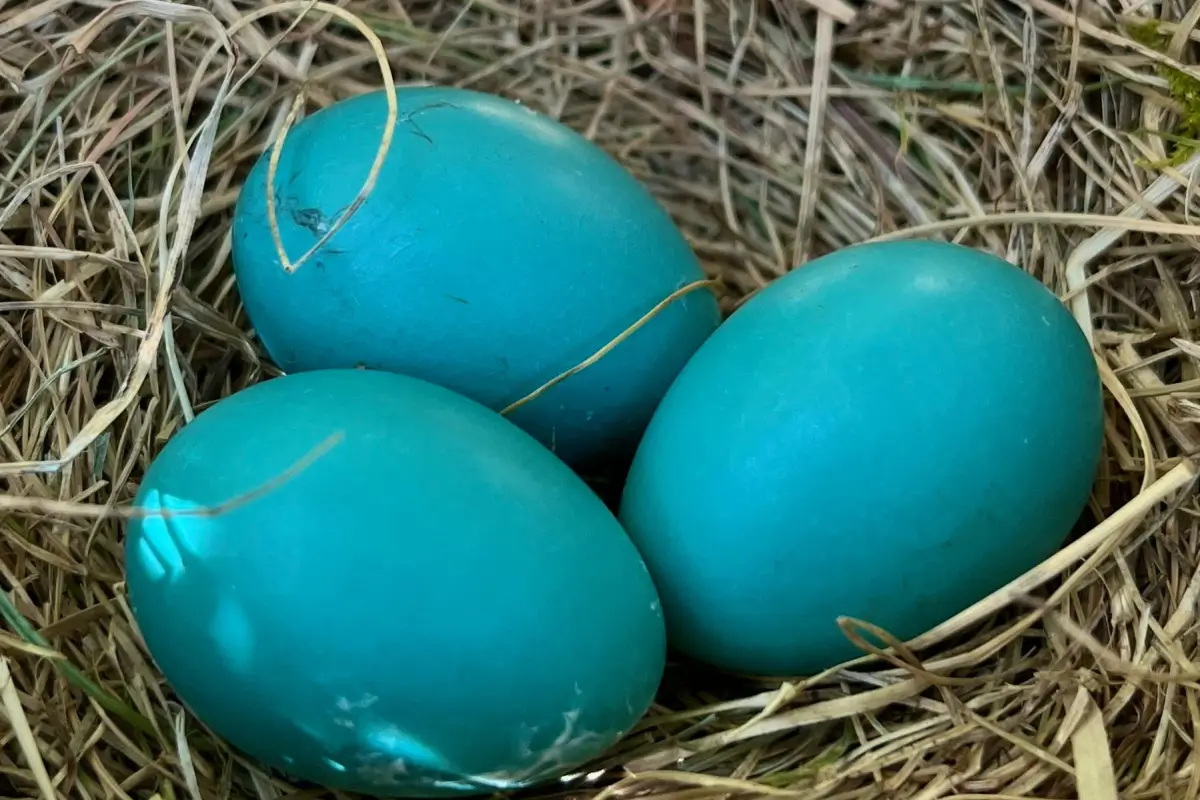
Eggshell color is strictly genetic. White shells lack pigment. Brown shells form when protoporphyrin is deposited onto the shell’s surface late in development; the interior of the shell stays white. Blue eggs, laid by Araucana and related breeds, incorporate the pigment oocyanin throughout the shell matrix, so even the inside is blue. None of these pigments are nutrients, and none signal a health advantage.
Is a darker egg yolk more nutritious?
A deep orange yolk often signals higher concentrations of carotenoids — compounds like lutein and zeaxanthin that the hen acquired from green forage, insects, or intentionally added feed supplements. But carotenoid density and total nutritional value are not synonymous. Feed additives such as marigold extract can darken yolks without improving vitamin or fatty acid profiles. So yolk color is a plausible, but fallible, marker of carotenoid richness.
What makes egg yolks yellow or orange?
Yolk pigmentation comes from xanthophyll carotenoids in the hen’s diet. Sources include alfalfa meal, corn, marigold petals, and the chlorophyll-rich plants and insects hens consume on pasture. The more varied and abundant these carotenoids are in the diet, the deeper the yolk color. Confinement systems that rely solely on grain rations without such inputs produce pale yolks.
How does a hen’s diet affect yolk color and nutrition?
Diet is the direct lever. Carotenoids and other fat-soluble nutrients — omega-3 fatty acids, vitamin D, and vitamin E — are deposited into the yolk in rough proportion to their abundance in the feed. University extension research has documented measurably higher lutein and zeaxanthin in yolks from pasture-access hens. The hen’s diet also shapes the fatty acid balance; flax or algae supplements, for instance, boost omega-3 content. Shell color never enters the equation.
What does the USDA actually grade in eggs — does color matter?
USDA grades AA, A, and B assess shell integrity, air cell depth, albumen thickness, and yolk condition via candling. Shell color is irrelevant to the standard. A brown shelled AA egg and a white AA egg meet identical interior and exterior quality thresholds. The grading system thus confirms that shell hue carries no weight in official quality assessment, reinforcing that color is merely a cosmetic variable.
Are eggs from pasture-raised hens always more nutritious?
Not automatically. The label “pasture-raised” promises outdoor access but not a specific diet; the nutritional uplift depends on whether the hens actually consume a diversity of plants and insects. Sparse pasture or heavy grain supplementation can blunt the carotenoid and fatty acid advantages. Conversely, confinement operations can replicate some of those nutritional gains through targeted feed additives. The label signals opportunity, not a guarantee.
Can I tell egg quality just by looking at the shell?
No. Shell appearance — color, speckles, or surface texture — tells you nothing reliable about interior freshness, albumen firmness, or yolk integrity. The most practical household quality check is simple: a fresh egg cracked into a pan stands tall with a rounded yolk and thick white. The USDA grade and the pack date on the carton are far more informative than any visual shell cue.
What to Look for Instead of Shell Color
Shell color distracts from the variables that matter: freshness, diet, and the transparency of the production claim. Readers ready to move past shell-color myths can turn to our guides on deciphering egg carton labels and on practical methods for assessing freshness at home.