How Do I Raise Dual Purpose Chicks for Both Eggs and Meat?
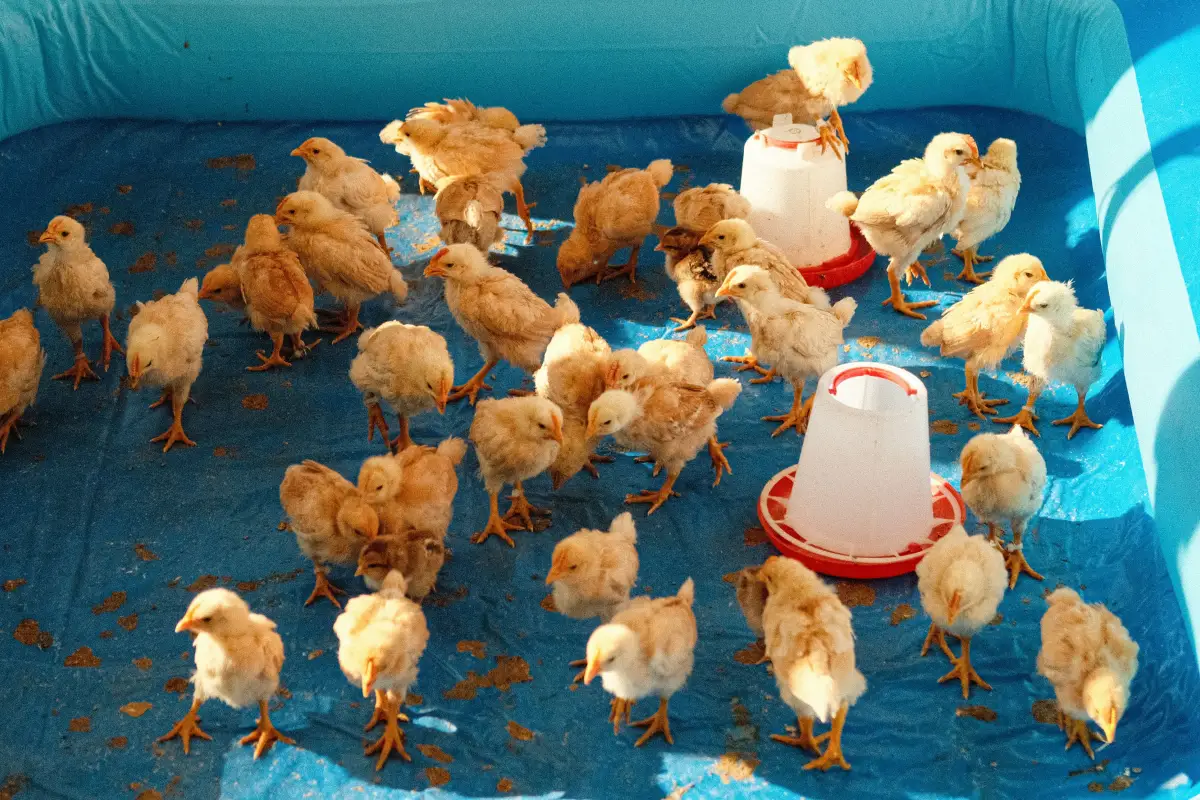
Manage slower-growing dual-purpose chicks with a step-by-step timeline for brooder heat, feed transitions, and cockerel separation. Get hens laying and meat birds ready on schedule.
Fertility, incubation, hatching, and brooding practices for small flocks.
Manage slower-growing dual-purpose chicks with a step-by-step timeline for brooder heat, feed transitions, and cockerel separation. Get hens laying and meat birds ready on schedule.
Eggs stored wrong in the 72 hours before incubation lose viability fast. Fix orientation, temperature, and turning now to boost your hatch.
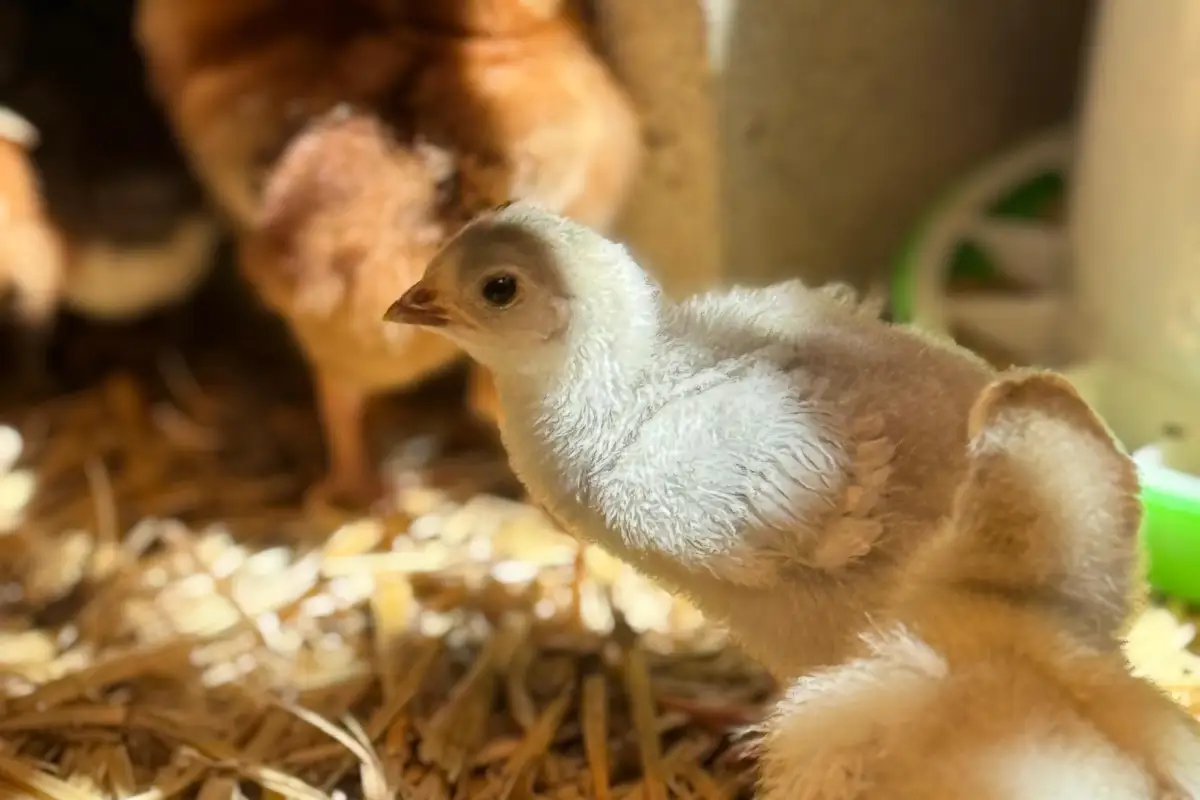
Use an infrared thermometer and chick behavior to build a thermal gradient that ends pasty butt and stops huddling—without overheating the brooder.
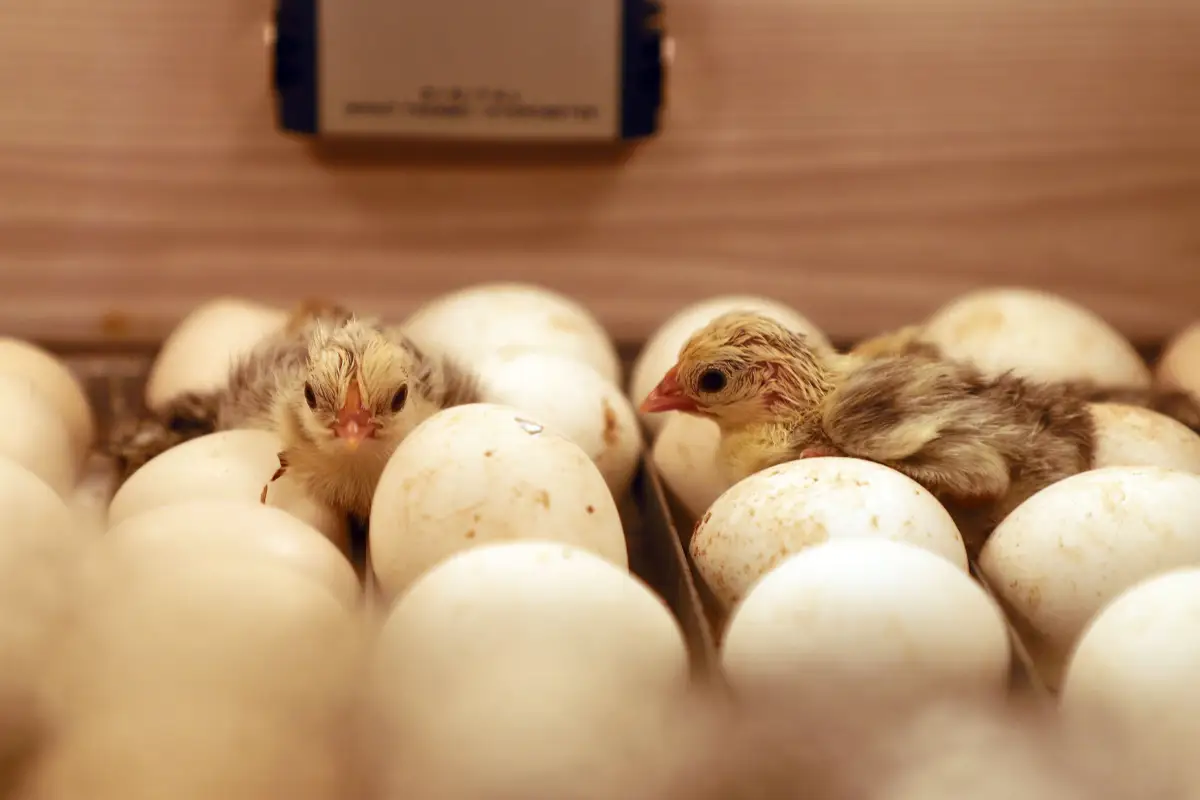
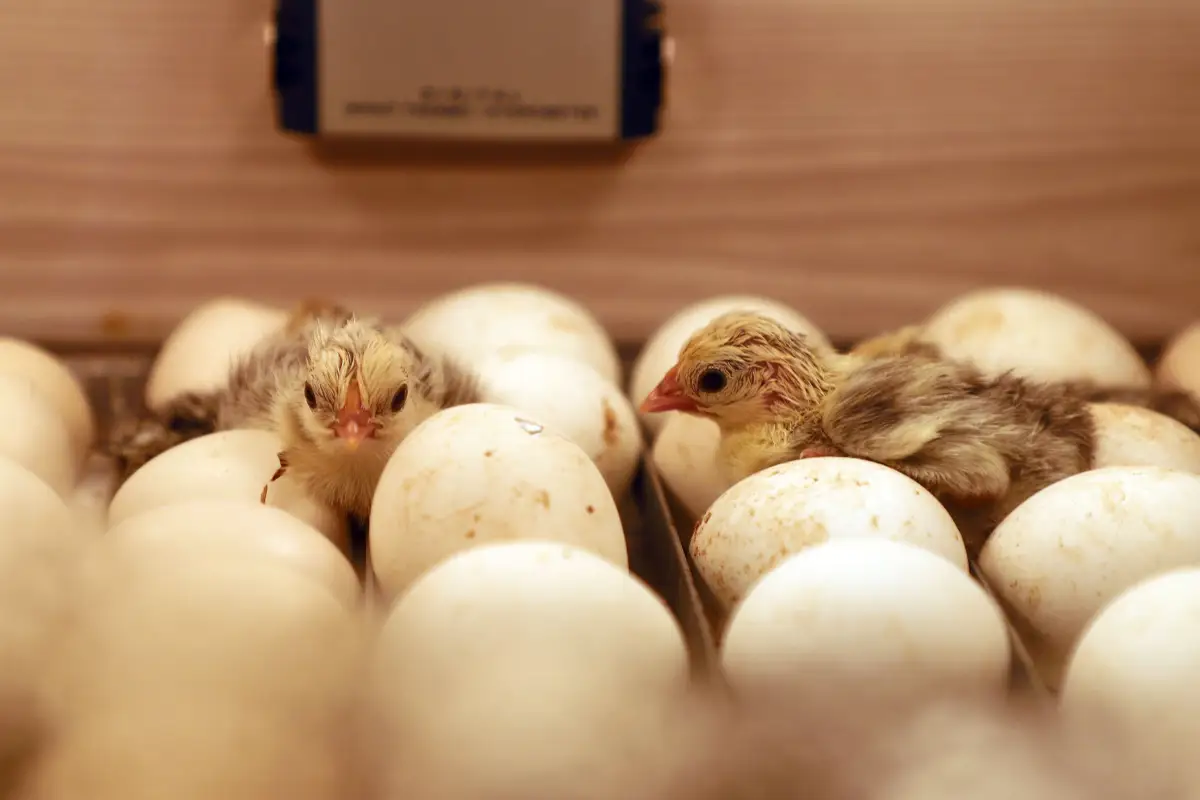
Learn the exact 6-stage process extension specialists use to hatch eggs—selection, storage, incubation, candling, lockdown, and hatch—with proven benchmarks for temperature, humidity, and timing.
A side-by-side comparison of medicated vs. non-medicated chick feed using real disease risks, plus a DIY waterer guard that stops drowning. Choose the right starter for your setup.
Candle eggs at days 7, 14, 18 to check air cell size and adjust humidity empirically — the fix for late-term chick deaths, sticky chicks, and poor hatch rates.
A flow-chart approach to chick illness: identify symptoms, reset ventilation & grit, then decide on coccidiosis treatment. Earn the click with an extension checklist method.
Set your chick waterer at the back height recommended by university extensions. Stop drowning and keep water clean with these step-by-step instructions.
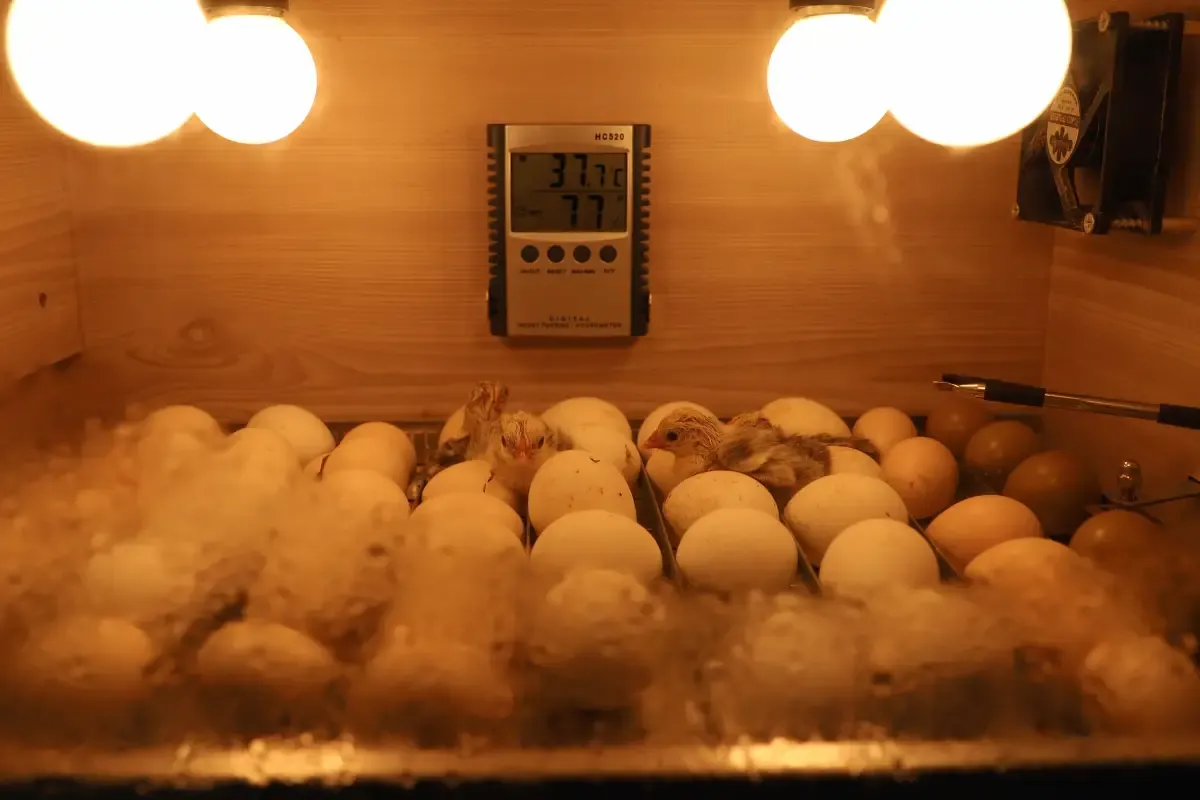
Stop treating temperature, humidity, and turning as separate knobs. Learn the root-cause incubation system that poultry specialists use to prevent hatch failures before they start.