Why Are Eggs Thin-Shelled? The Feed Fix Most Miss
The moment an egg craters as you lift it from the nest, forget the vet — grab the feed bag. Thin shells are a nutrition problem until proven otherwise. What throws people is that a hen producing a paper‑thin shell doesn’t share the same deficiency as one dropping a membrane‑only egg. They look related, but they point to different gaps in the ration. The fastest route to a hard shell is matching the pattern you see to the specific nutrient that’s absent. A diagnostic table does that in seconds; label‑squinting wastes days.
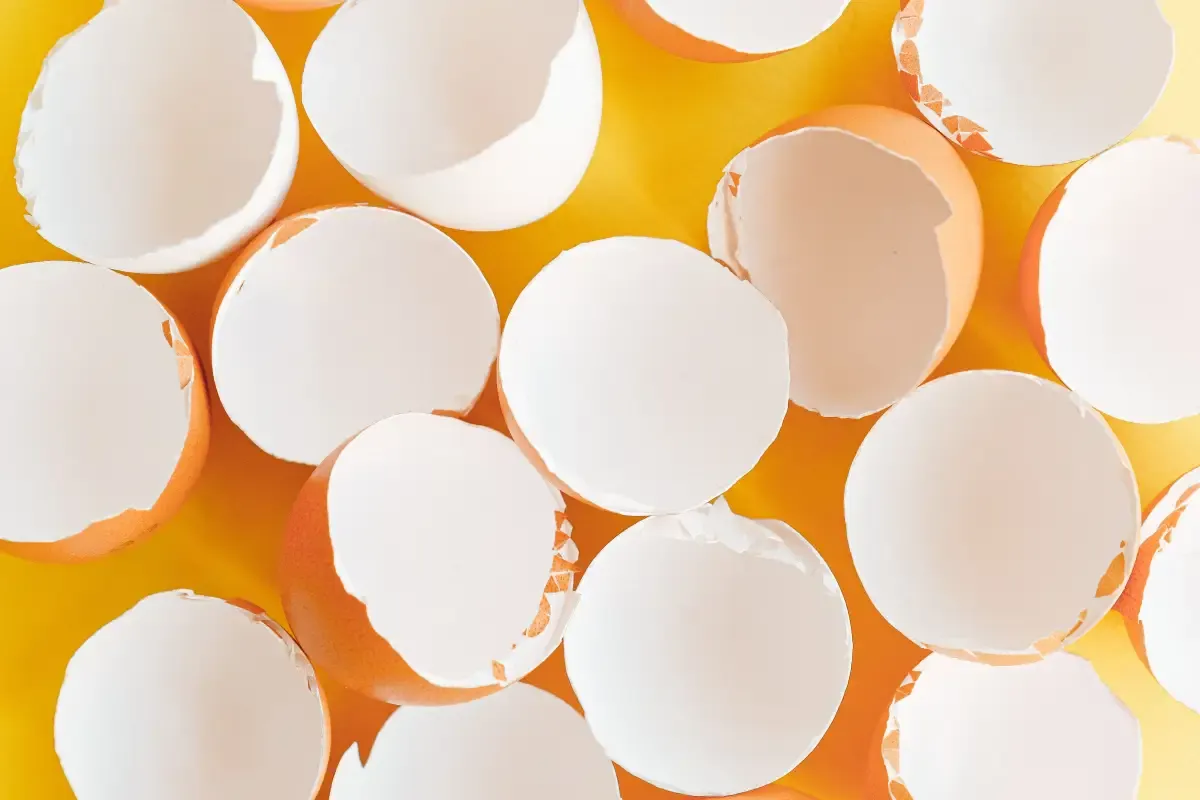
Thin Shells Show Up in Three Patterns — Here’s How to Spot Yours
Each appearance flags a distinct nutritional slip. Use this table to cut through the guesswork before you spend money on a supplement the flock might not need.
| Shell Appearance | Most Likely Dietary Cause | Quick Check |
|---|---|---|
| Paper‑thin, breaks with light pressure | Calcium intake low or unbalanced calcium‑to‑phosphorus ratio | Review feed label for 3.5–4% calcium; confirm oyster shell is offered free‑choice |
| Soft, membrane‑covered egg (no hard shell) | Vitamin D3 deficiency or calcium absorption blocked | Check for access to direct sunlight or supplement D3 in water/feed |
| Ridges, rough patches, or pale translucent areas | Manganese or zinc deficiency, or excess phosphorus | Examine the hen’s comb and feather quality for signs of general mineral deficiency |
Once you know which pattern you’re dealing with, follow the path for that variant.
Paper‑Thin Shells: The Calcium Shortfall That Hits First
Inadequate Total Calcium Intake
How to confirm it: The layer feed label reads below 3.5% calcium, or the diet is diluted by scratch grains, kitchen leftovers, or high‑pasture forage that lowers the calcium concentration the hen actually digests. A feed can list plenty of calcium on paper, but if the bird is filling up on cracked corn, she’s not eating the pellets that carry it.
Exact fix steps: Switch to a complete layer feed that guarantees 3.5–4% calcium. Set out a separate hopper of oyster shell or limestone grit — never mix it into the ration. Eliminate scratch grains and table scraps completely for a full two weeks. If treats are non‑negotiable, keep them under 10% of the daily bite.
Expected result: Shells firm up in 7–10 days. Breakage rates drop hard in week two. If you’re still pulling fragments of egg from the nest after ten days, the problem isn’t plain calcium.
Calcium‑Phosphorus Imbalance
How to confirm it: The feed shows adequate calcium but also a phosphorus level above 0.5% — classic in all‑flock rations built around meat meal for growing birds, not layers. High phosphorus locks up calcium in the digestive tract, making it unavailable even though the numbers on the bag look fine.
Exact fix steps: Replace the feed with a layer‑specific formula that holds phosphorus under 0.5% while keeping calcium above 3.5%. If you’re stuck using an all‑flock feed, supply calcium free‑choice and ditch any high‑phosphorus extras like bone meal or meaty table scraps.
Expected result: Change is slow — up to three weeks — because the hen’s body must flush excess phosphorus before calcium absorption comes back online. Shells typically improve in stages, with fragile patches disappearing first.
No Shell At All: The Vitamin D3 Disconnect
Vitamin D3 Deficiency
How to confirm it: Birds live entirely indoors or under glass, which blocks the UVB spectrum they need to synthesize D3 in their skin. Even when the feed label lists “vitamin D3 added,” stored feed older than 60 days or kept warm and damp loses most of its potency. The hen eats the nutrient on paper; her body never sees it.
Exact fix steps: Give the flock 20–30 minutes of direct, unfiltered sun every day on a surface that isn’t deep shade. For indoor birds, add a poultry‑specific vitamin D3 supplement to water for three days — follow the label exactly. Pitch any feed bag that’s been open more than two months.
Expected result: Shells reappear in 5–7 days. A hen that laid a bare‑membrane egg on Monday can be delivering hard shells by Saturday. If that doesn’t happen, look next at what’s blocking absorption.
Calcium Absorption Blocked by Dietary Excesses
How to confirm it: High‑fat snacks — suet cakes, black oil sunflower seeds, piles of kitchen grease — can form indigestible soaps with calcium in the gut. Acidic drinking water, common in old wells with pH below 5.5, also disrupts mineral handling.
Exact fix steps: Cut every high‑fat supplement. Test water pH with an inexpensive strip; if it’s low, buffer with one tablespoon of sodium bicarbonate per five gallons of drinking water as a temporary fix. Get the flock back on a clean layer ration and neutral water.
Expected result: Shell formation returns over two weeks. The first eggs may show thin spots, then fully calcify. Water‑pH correction often accelerates the turnaround.
Ridges, Rough Patches, and Translucent Spots: Trace Minerals in the Blanks
Manganese Deficiency
How to confirm it: Shells feel like sandpaper, with ridges that run from pole to pole. If you incubate eggs from this flock, hatchability tanks — that’s the hallmark, because manganese powers the shell membrane and embryo development.
Exact fix steps: Add a poultry mineral mix that supplies 60–80 mg of manganese per kilogram of complete feed, or dose with manganese sulfate. Commercial layer feeds usually carry enough, but some hens run hotter demands, and a targeted boost catches those outliers.
Expected result: Smooth shells show up in 10–14 days. Ridge severity fades with each successive clutch.
Zinc Deficiency
How to confirm it: Rough calcification, tiny bumps, or nodular deposits appear on the shell. The hen may have frayed feathers or flaky skin — zinc runs the enzyme carbonic anhydrase in the shell gland that provides carbonate ions.
Exact fix steps: Confirm the layer feed provides 40–50 mg of zinc per kilogram. If you home‑mix, add zinc sulfate or a balanced trace mineral premix.
Expected result: Shell texture evens out inside two weeks. Feather quality often improves at the same time, which is a good cross‑check that the mineral gap was real.
Excess Phosphorus (Recap)
This circles back to the calcium‑phosphorus balance, but the shell surface symptoms are more obvious. The fix stays the same: drive phosphorus down while locking calcium up.
Universal Fixes That Resolve Most Shell Defects
These moves clear up the majority of nutritional thin‑shell problems no matter which pattern you started with.
- Free‑choice calcium, always. A separate hopper of oyster shell or limestone sits there so hens can grab what they need when demand spikes. Mixing it into the feed robs them of that control.
- Sunlight is mandatory. UVB drives D3 synthesis. For indoor flocks, a full‑spectrum avian bulb on a timer does the job, but natural sun costs nothing and degrades nobody’s vitamins.
- Run a ten‑day ration‑only reset. Pull all scratch, scraps, and treats. If shells improve, you know what was watering down the diet. If they don’t, you’ve eliminated the biggest variable.
- Check feed age and storage. Vitamins, especially D3, oxidize on the shelf. Buy only what your flock eats in 60 days and store it cool, dry, and sealed.
When these resets are a waste of time: If the whole flock suddenly lays thin shells after a new bird joined, you’re likely dealing with an infectious bronchitis virus that scars the shell gland — nutrition won’t touch that. An elderly hen throwing an occasional thin egg in fall isn’t a feed emergency either; an aging shell gland has limits. Save the resets for the low‑grade, chronic problem that creeps in over weeks, not the acute crash.
Prevention: Feed Habits That Make Shell Problems Rare
Build these routines into the flock’s daily rhythm, and you’ll rarely need to troubleshoot.
- Run a dedicated layer feed during lay. All‑flock and grower feeds sacrifice calcium for protein and growth targets. When eggs are the output, feed the ration engineered for that output.
- Keep calcium separate, not premixed. A free‑choice hopper lets layers self‑regulate without forcing non‑layers into a high‑calcium load that strains kidneys.
- Rotate feed on a calendar. Mark the opening date and clear each bag within two months. Buying from a store with high turnover means you start with fresher product — and more active vitamins.
- Let birds scratch for greens and bugs. Pasture plants and live insects deliver trace minerals and vitamin precursors that pellets alone miss. They supplement, not replace, the core ration.
- Test water annually. Iron, sulfur, or low pH in well water can subtly corrode mineral uptake. A basic county‑extension water test costs little and rules out a silent saboteur.
FAQ
Can thin egg shells be caused by stress?
Stress triggers corticosterone, which disrupts calcium handling and cuts feed intake, so yes, but a nutritional gap usually sits underneath ready to crack. If shells snap back to normal within two days of a predator visit or heat wave ending, the diet is probably sound. Shells that stay thin once the stress is gone signal a ration that can’t keep up even at baseline.
Do older hens automatically lay thin‑shelled eggs?
Shell gland efficiency drifts down with age, but “old” doesn’t equal “automatic failure.” Many older hens keep laying sturdy eggs when they get enough absorbable calcium and D3. Blaming age without checking the feed ignores a problem that’s usually fixable.
Is there a genetic component to thin egg shells?
Some breeds naturally produce a slightly thinner shell, but breakable‑paper shells are seldom a breed‑default. If a single hen consistently lays dud eggs while flockmates on identical feed don’t, cull the outlier rather than overhauling everyone’s nutrition.
Can I use crushed eggshells instead of oyster shell?
Yes, after baking. Raw shells risk bacteria and can teach egg eating. Bake at 300°F for ten minutes, then crush to a fine powder. They supply calcium carbonate but no vitamin D3, so combine with sun exposure or a D3 supplement.
How quickly will the eggs improve after fixing the feed?
Calcium‑only gaps resolve in 7–10 days. Vitamin D3 corrections show up in 5–7 days because shell glands rev up fast. Trace mineral fixes need 10–14 days as enzyme systems adjust. If you see zero change after three weeks on a verified diet, the problem lives outside the feed bag.
When Feed Stops Helping
If shells refuse to harden after three weeks of a confirmed, adequate diet, collect these specifics and escalate:
- Affected birds’ age and breed — different baselines for different genetics and seasons.
- Exact feed label and storage timeline — guaranteed analysis, mill date, how you store it.
- Water test results — pH, iron, total dissolved solids.
- Recent disruptions — new flock members, lighting changes, medications, extreme weather.
Take the package to a poultry veterinarian or a university extension diagnostic lab. A necropsy on one hen can catch viral oviduct damage, tumors, or gland atrophy that nutrition can’t reverse. For most backyard keepers, a state diagnostic lab offers the lowest‑cost route to a real answer.