Your Chick Starter Feed Isn't Enough — What You're Missing
Starter feed alone is a bet you’re going to lose. It can’t outrun cold water or missing grit. The first two weeks decide whether you deal with coccidiosis and leg deformities later, and three factors — grit, water temperature, electrolyte timing — prevent more disasters than any premium starter bag ever will.
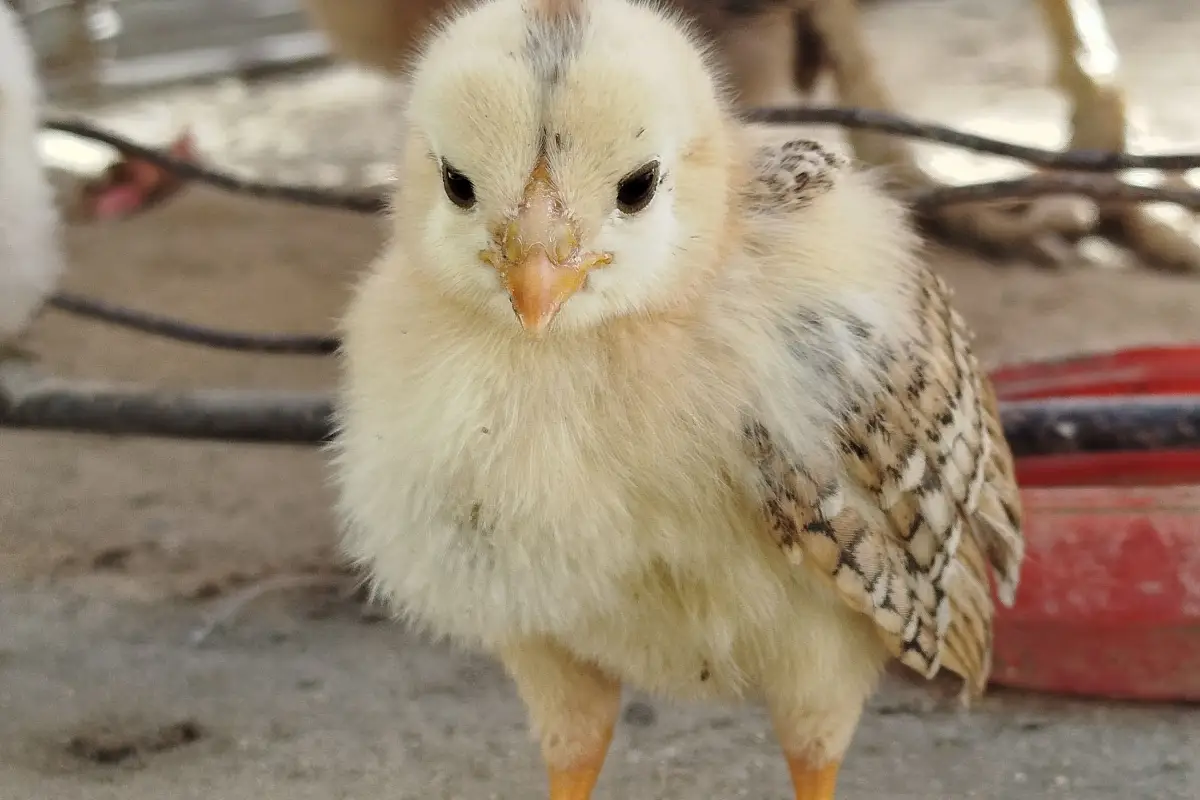
Bring home day-old chicks, and the setup looks foolproof: a heat lamp, a feeder of crumbles, a waterer. Within days, chicks huddle, stop drinking, develop pasty butt — and then one starts limping. The starter feed formula is sound, but it won’t compensate for no grit, cold water, or electrolytes thrown in at the wrong time. This article fixes those three gaps in order, so you stop reacting to sick birds and start raising a uniform, healthy flock.
Where You Are Right Now: Three Common Starting Points
- You just unboxed your chicks and everything’s brand new. Your route: set up grit and warm water on day one. These two prevent the stress that invites coccidiosis.
- You’ve already lost a chick to pasty butt or lethargy. Your route: tackle grit and water temperature immediately, then use a short electrolyte course to stabilize the survivors.
- One or more chicks have crooked toes or splayed legs at a week old. The cause is usually hydration and electrolyte imbalance, not genetics. This path corrects it while it’s still fixable.
Pick your starting point. The full progression below covers all three — read straight through or jump to the stage that solves your immediate problem.
Grit: The Missing Piece That No Starter Feed Includes
Starter crumble dissolves fast in the crop — that’s the design. Without insoluble grit, feed moves through the gut too quickly. Nutrients are wasted, and the intestinal tract turns into an ideal environment for coccidial oocysts. Grit stops that cascade.
What Grit Actually Does (It’s Not Just for Whole Grains)
A chicken has no teeth. The gizzard requires hard particles to grind feed mechanically. Grit isn’t a treat-time supplement; it’s mandatory from the moment chicks eat anything solid. Even on starter crumbles, a gritless gizzard contracts inefficiently. Feed rushes through, producing wet, poorly digested droppings — precisely the conditions where coccidia multiply.
Use only insoluble granite grit — chick-sized, grade #1 or #2. Soluble oyster shell is for calcium later, never now. Offer it free-choice in a shallow dish, separate from feed.
When to Introduce It and What Type to Use
Place a teaspoon of chick grit in a shallow lid inside the brooder on day one. Chicks will peck at it within hours. Do not mix it into feed; they’ll self-regulate intake. The fear of crop impaction is misplaced with proper chick grit — particles smaller than a match head — so the risk is effectively zero.
The Sign You’re Ready to Move On: Clean Droppings and Active Foraging
When droppings become firm with distinct white caps (urates) and no pasty vent residue, gut transit has normalized. Add grit, and chicks begin scratching and pecking at the brooder floor between meals — digestion now fuels exploration, not mere survival.
Water Temperature: The Silent Coccidiosis Trigger
A chick drinking cold water burns energy warming it internally. That energy tax forces more time under the heat lamp, less drinking, and slowed gut motility. The result: a chilled, dehydrated bird with a sluggish tract — perfect for coccidia.
Why Chilled Water Is a Gateway to Disease
Cold water doesn’t cause coccidiosis. A compromised bird does. Repeated 60°F water pulls a chick’s core temperature down, diverting energy from immunity to thermoregulation. Dehydration thickens digesta, slowing passage and giving oocysts longer to invade intestinal cells. That cold nipple drinker or metal waterer base starts the whole cascade.
The Right Temperature Range and How to Maintain It
For the first two weeks, keep water between 85°F and 95°F. It should feel comfortably warm on the inside of your wrist, like infant formula. After week two, slowly drop to room temperature, but never below 70°F while the brooder is heated. Use a floating aquarium thermometer for the first few days to get the feel. Change water every few hours if you’re warming manually; a submersible heater works for larger setups.
Sign You’ve Fixed It: Consistent Drinking and No Huddling
With warm water, chicks drink frequently all day, even away from the heat lamp. They drink and immediately return to scratch and eat — no standing motionless. If huddling disappears after you warm the water, the birds were cold, not sick.
Electrolyte Timing: The Real Difference Between Strong Legs and Deformity
Electrolytes get tossed at every problem: “perked them right up.” But continuous or badly timed use does more damage. Sodium, potassium, and chloride balance directly affects bone growth and tendon development. A sodium overload in a growing chick produces leg deformities that look identical to genetic defects.
How Improper Electrolyte Use Can Actually Cause Leg Issues
Commercial poultry electrolytes are built for acute stress recovery, not daily dosing. When they replace plain water for more than 48 hours, high sodium disrupts the calcium-phosphorus ratio and triggers swollen hocks or slipped tendon (perosis). The leg deformities appearing at 7–10 days get blamed on hatchery or feed, but the real culprit is often the well-intended electrolyte water they’ve had since arrival.
The Two Key Windows: Arrival Stress and Pre-Outbreak
Electrolytes have exactly two legitimate jobs in the brooder. First: the 24–48 hours after shipping — rehydrate and restore reserves. Mix according to the chick directions (often half-strength), offer as the sole water source, then switch to plain warm water. Second: the first 12–24 hours after you see early coccidiosis signs (bloody droppings, lethargy, huddling) while starting vet-directed treatment. The electrolytes support the bird while medication works. They are never a continuous preventive.
Signs of Proper Electrolyte Balance: Straight Legs and Steady Growth
Once electrolytes stop and plain warm water resumes, watch legs. Mild toe-curling or splay often corrects within three to five days if caught early. Legs straighten, hocks stay clean and unswollen, and growth evens out across the flock — no runts falling behind.
Checkpoints: When You’ve Got Each Piece Right
- Grit: Firm droppings, active floor-pecking, no pasty vents.
- Water temperature: Frequent drinking, no persistent huddling under the heat lamp.
- Electrolytes: Straight legs, clean hocks, chicks that gained weight evenly after the first week.
What You Can Safely Ignore for Now
Many chick-raising topics don’t apply in the first two weeks. Set these aside, and note when they become relevant:
- Medicated vs. non-medicated starter feed. This matters once chicks move to the grow-out pen around week 4, when outdoor pathogen exposure increases. In weeks one and two, water temperature, grit, and electrolyte timing have more impact on coccidiosis than medicated feed will.
- Probiotics and fermented feed. A gut kept moving by grit doesn’t need these yet. Introduce probiotics only after a course of antibiotics or if loose droppings persist despite corrective measures.
- Lighting schedules and night breaks. Relevant when managing meat bird growth rates or preventing picking in layers. For day-old to two-week-old chicks, 24-hour light with a warm brooder spot is standard and safe.
- Vitamin supplements beyond starter feed. Overdosing fat-soluble vitamins (A, D, E) is easy and dangerous. Quality starter already contains them; adding more is unnecessary without a diagnosed deficiency.
When starter feed is backed by free-choice grit, consistently warm water, and electrolytes timed strictly for stress recovery, the brooder stops being a crisis center. Chicks grow uniformly, with straight legs and clean vents, and you watch them instead of worrying. If you’re setting up a brooder today, put a small dish of chick grit beside the feeder and check water temperature with your wrist — those two steps cost nothing and prevent everything.
Frequently Asked Questions
Do chicks really need grit if they only eat crumbles?
Yes. Crumbles dissolve quickly, but without grit the gizzard doesn’t grind, so feed passes too fast and digestion suffers. Grit is essential from day one, even before you offer treats or whole grains.
What temperature should water be for baby chicks?
Between 85°F and 95°F for the first two weeks. After that, room temperature (around 70°F) is fine, but never cold from the tap while the brooder is still heated. Test with a thermometer or your inner wrist.
Can I give electrolytes every day to keep chicks healthy?
No. Daily electrolytes can cause sodium imbalances and lead to leg deformities. Use them only for the first 24–48 hours after shipping or during a vet-directed disease treatment. Plain warm water is the best daily option.
When should I start worrying about coccidiosis?
Not until after week two if you’ve managed grit, water temperature, and brooder cleanliness. Coccidiosis often peaks at 3–6 weeks when oocyst loads build. By then, you’ll have medicated feed or treatment options ready if needed.
Why are my chick’s legs splayed even though the starter feed says it prevents it?
Starter feed is balanced for healthy birds. If a chick is dehydrated, chilled, or overloaded with electrolytes, nutrient absorption drops and leg development fails. Fix water temperature and electrolyte timing first — then watch for improvement within days.