The Breed Mistake That Steals Your Small Yard's Peace
You searched for "The Breed Mistake That Steals Your Small Yard's Peace" because you likely have a small outdoor area and a noise sensitivity. The default advice—buy bantams—often undercuts that goal. Bantam hens produce high-pitched alarm calls that carry, and their flightiness adds stress to a tight run. Several full-size breeds operate more quietly, lay larger eggs, and need no more floor space than a bantam. The following five standard hens are ranked by decibel level, egg color, and practical footprint per bird inside a 50‑square‑foot enclosure.
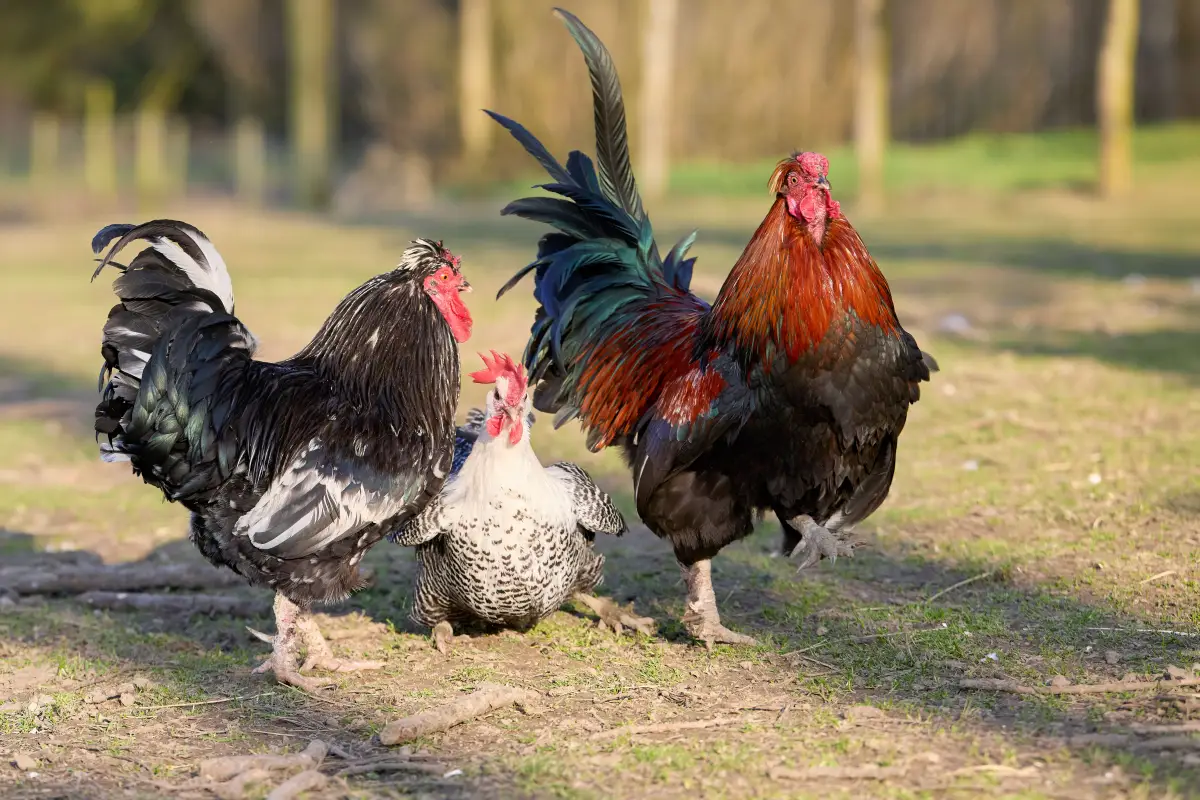
Four Birds That Outperform Bantams in a 50-Square-Foot Run
Best overall: Australorp — the lowest-noise brown-egg breed, suited to close-set properties.
Best for beginners: Buff Orpington — easy to handle, cold-tolerant, and steady underfoot.
Best for egg color: Easter Egger — each hen lays a blue, green, or pinkish egg with no extra input needed.
Quietest of the color layers: Olive Egger — olive-green eggs from a bird that rarely triggers a complaint.
Quiet Coop Candidates: Standard Breeds That Won't Disturb the Peace
For keepers whose first priority is a yard that stays audibly low.
Australorp: The Decibel Drop-Off Champion
The black Australorp holds a breed production record, but the trait that matters in small quarters is vocal restraint. The bird rarely moves beyond a soft cluck; alarm calls are infrequent. That low perceived volume makes it the breed of choice when neighbors sit within earshot. Standout strength: quietest full-size hen in a confined run. Limitation: black plumage overheats fast; shade and cross-ventilation are essential during warm months.
Buff Orpington: The Beginner-Friendly Hush Hen
The Orpington moves through the coop with a low murmur and rarely escalates. It tolerates handling, which is an advantage in a small run where human contact is unavoidable. Eggs are tinted a warm pinkish-brown. The main limitation is the dense feather coat, which demands dry, frequently refreshed bedding to reduce mite pressure and skin irritation in tight quarters.
Silver-Laced Wyandotte: The Quiet Cold-Weather Layer
The Wyandotte’s compact body and rose comb handle wet, freezing conditions with less intervention. In a small yard, its soft feeding cluck stays inside the fence. It uses space economically. Limitation: broodiness is common and can tie up a nest box when every laying square inch counts.
Egg-Color Standouts: Breeds That Paint the Nest Box
For the keeper who wants visual variety without raising bantam noise levels.
Easter Egger: The Surprise-Shade Specialist
An Easter Egger hen deposits a blue, green, pinkish, or olive egg—the color is set at lay and varies by bird. Their foraging drive lowers idle pecking in a restricted run. Limitation: noise sits in the moderate range and shifts by lineage; some individuals are talkative. Because the breed is not standardized, temperament and egg shade are not guaranteed.
Olive Egger: The Green-Egg Workhorse
A cross between a dark-brown layer and a blue-shell breed, the Olive Egger reliably produces olive-green eggs. The hybrid background tends to yield a calmer disposition and better tolerance for close quarters. Limitation: egg color can wash out with nutritional shortfalls or aging layers, and, as a hybrid, the hen will not produce olive-laying offspring.
How the Five Breeds Compare on Noise, Color, and Space
| Breed | Decibel Level (Run) | Egg Color | Space Footprint per Bird (sq ft) | Notable Tradeoff |
|---|---|---|---|---|
| Australorp | Whisper-low | Light brown | 8–10 | Requires shade in heat |
| Buff Orpington | Low, soft murmur | Tinted pink-brown | 8–10 | Dense feathering demands frequent bedding changes |
| Silver-Laced Wyandotte | Low | Dark brown | 8–10 | Broodiness locks nest boxes |
| Easter Egger | Moderate | Variable (blue/green/pink) | 8–10 | Temperament and noise vary by source |
| Olive Egger | Low-moderate | Olive green | 8–10 | Color consistency depends on diet and parent genetics |
Picking Between the Quiet Layers: Noise Level vs. Personality
When a silent coop is the binding constraint, choose the Australorp for the lowest decibel output and the most eggs, the Orpington if children will gather eggs, or the Wyandotte if winter weather drives the decision. Among the color layers, the Easter Egger fits when egg variety outweighs a slight noise trade-off, while the Olive Egger suits someone who wants a steady olive basket from a bird that rarely escalates.
Frequently Asked Questions
Are bantam chickens really quieter than standard breeds?
Not consistently. Bantams vocalize at higher frequencies that cut through background noise, and many of the popular pet bantams are flighty and loud. Several standard breeds, especially the Australorp and Orpington, operate at a lower perceived volume than the average bantam in a backyard setting.
How much outdoor space does each chicken need in a small yard?
In a 50-square-foot run, allot 8 to 10 square feet per bird if they receive supervised out-of-run time. Adding simple enrichments—perches, a dust-bath area, scattered feed—lets these calm breeds function at the lower end of that range without stress indicators.
Which breed lays the most eggs in a small space?
The Australorp holds the breed record for annual eggs per hen and adapts well to small coops, making it the top egg producer for urban runs.
The Smartest Starting Point for a Small, Silent Flock
For a new keeper in a noise-sensitive neighborhood, the Australorp delivers the quietest voice, consistent brown eggs, and a docile temperament that fits a 50-square-foot run. It removes the bantam-only assumption entirely.