Why large combs aren't enough for heat-tolerant chickens
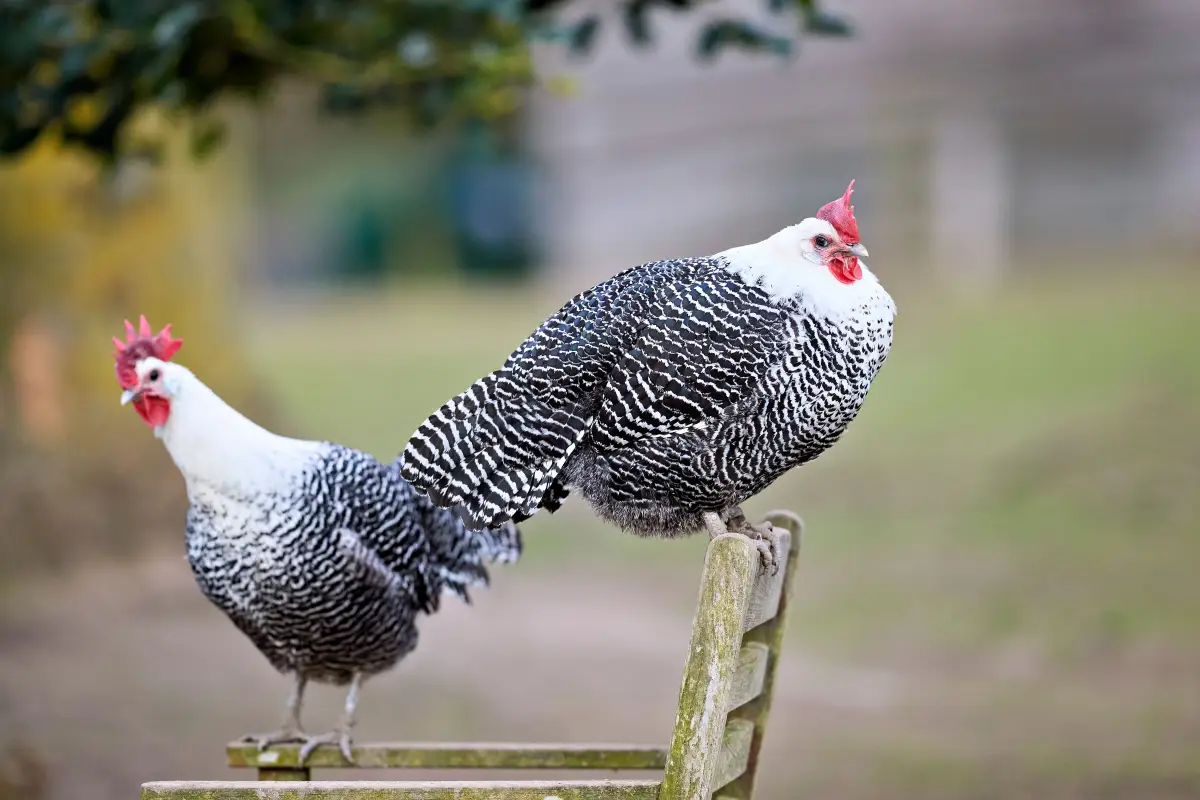
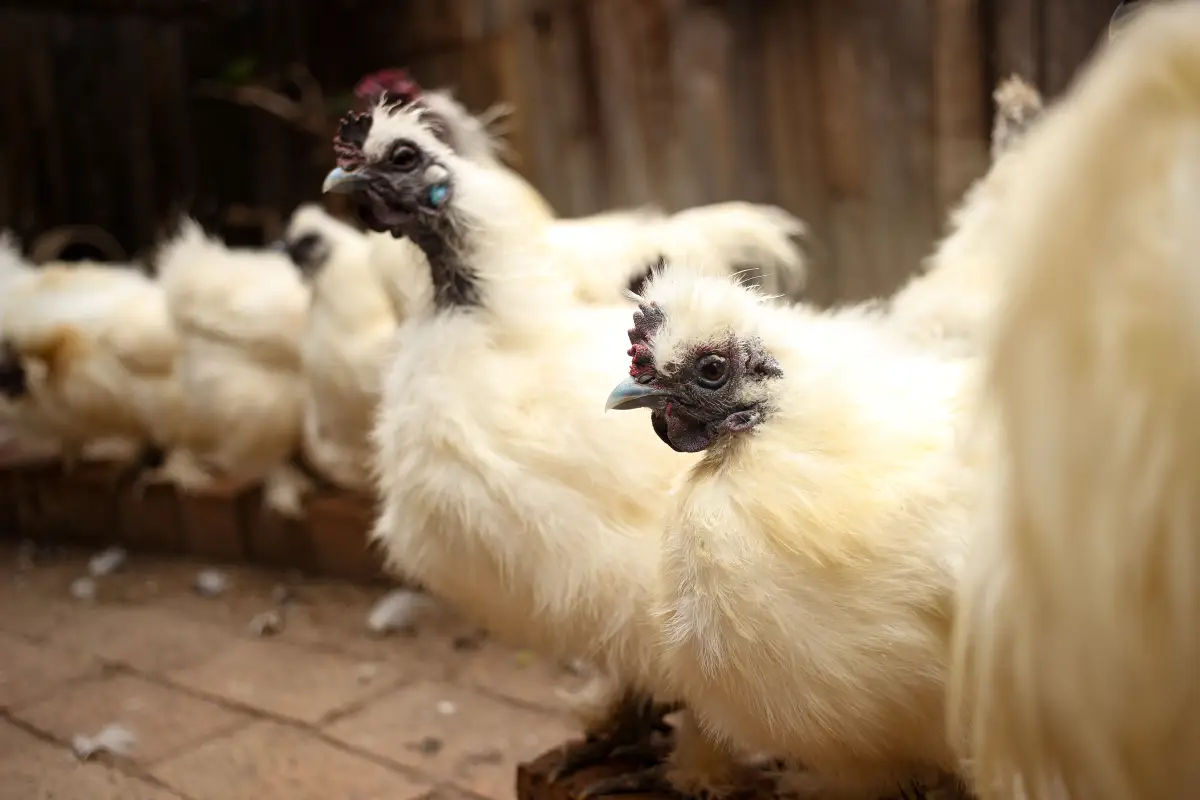
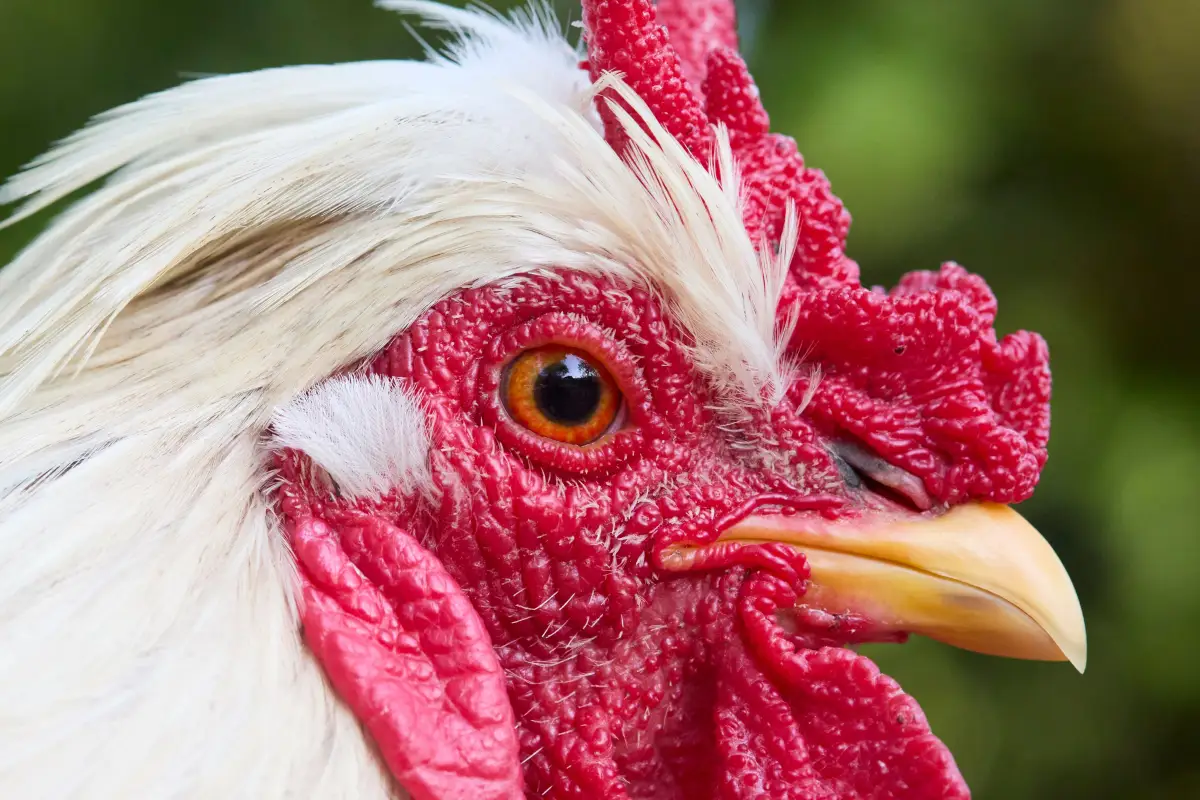
A hen's comb size doesn't guarantee heat tolerance. Learn how feather coverage and body mass interact with comb surface area — and the one trait most keepers misread.
In-depth breed profiles and multi-factor selection matrices for small-flock owners.
A hen's comb size doesn't guarantee heat tolerance. Learn how feather coverage and body mass interact with comb surface area — and the one trait most keepers misread.
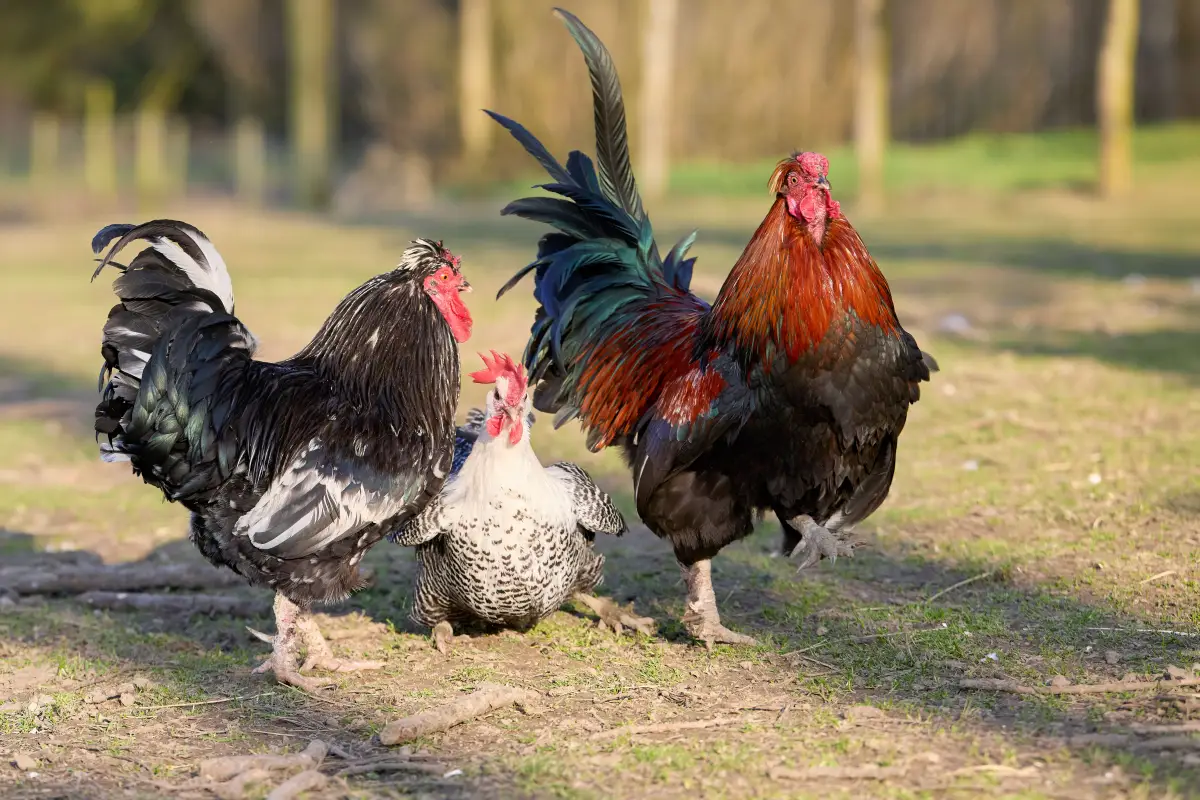
Forums reveal which dual-purpose chickens are quietest, broodiest, and safest for kids. See how RIRs, Orpingtons, and others compare in real backyards.
Stop guessing which breed is quiet. Use the five-variable framework extension offices recommend to predict and manage flock noise before you buy a single bird.
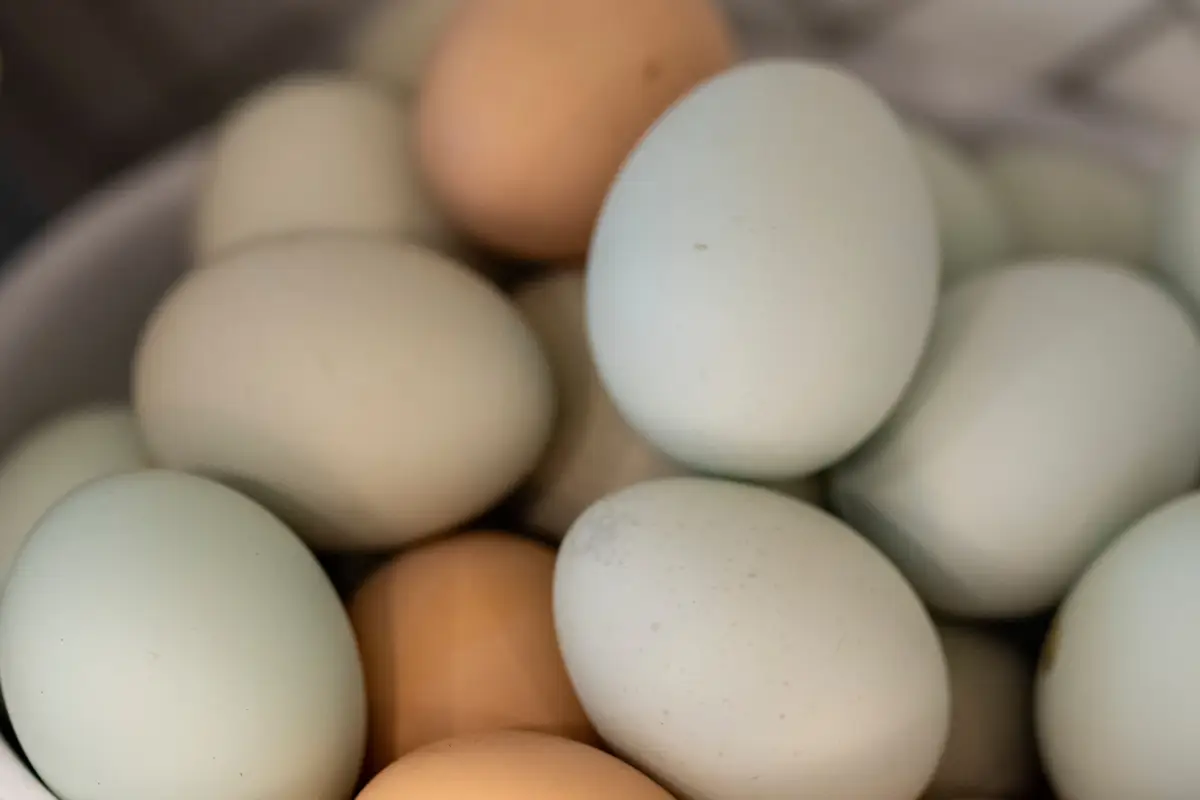
Eggshell color is strictly a genetic trait, not a sign of nutrition or hen health. Learn how a Punnett square predicts brown, blue, green, and white eggs.
Plan a backyard flock that reliably lays blue, green, olive, and chocolate eggs. Match breeds to climate, temperament, and shell pigment genetics for a sustainable rainbow.
Forget bantams—these 5 standard chicken breeds stay quiet, lay colorful eggs, and thrive in just 50 square feet. Ranked by noise, egg color, and space.
Score top breeds on egg color, noise, space, and cold tolerance, then weight your priorities to find the perfect quiet layer for a tiny yard. Get the matrix and ranked shortlist.
Use USDA hardiness zone and square-foot-per-bird math to pick chicken breeds that survive, then choose egg color last. A climate-first filtering guide for beginners.
Discover 7 truly quiet chicken breeds confirmed by university extension poultry programs—not online reviews. Calm, low-noise hens for a peaceful backyard flock.
Comparing Rhode Island Red, Orpington, and Wyandotte on feed conversion, temperament, and climate hardiness reveals the best balanced dual-purpose breed for small homesteads.