Why Your Dust Bath Alone Won't Stop Chicken Mites
Dust baths help, but they can't outsmart the mite lifecycle. Learn the 10 coop design and cleaning steps that stop mites without relying on chemicals.
Dust baths help, but they can't outsmart the mite lifecycle. Learn the 10 coop design and cleaning steps that stop mites without relying on chemicals.
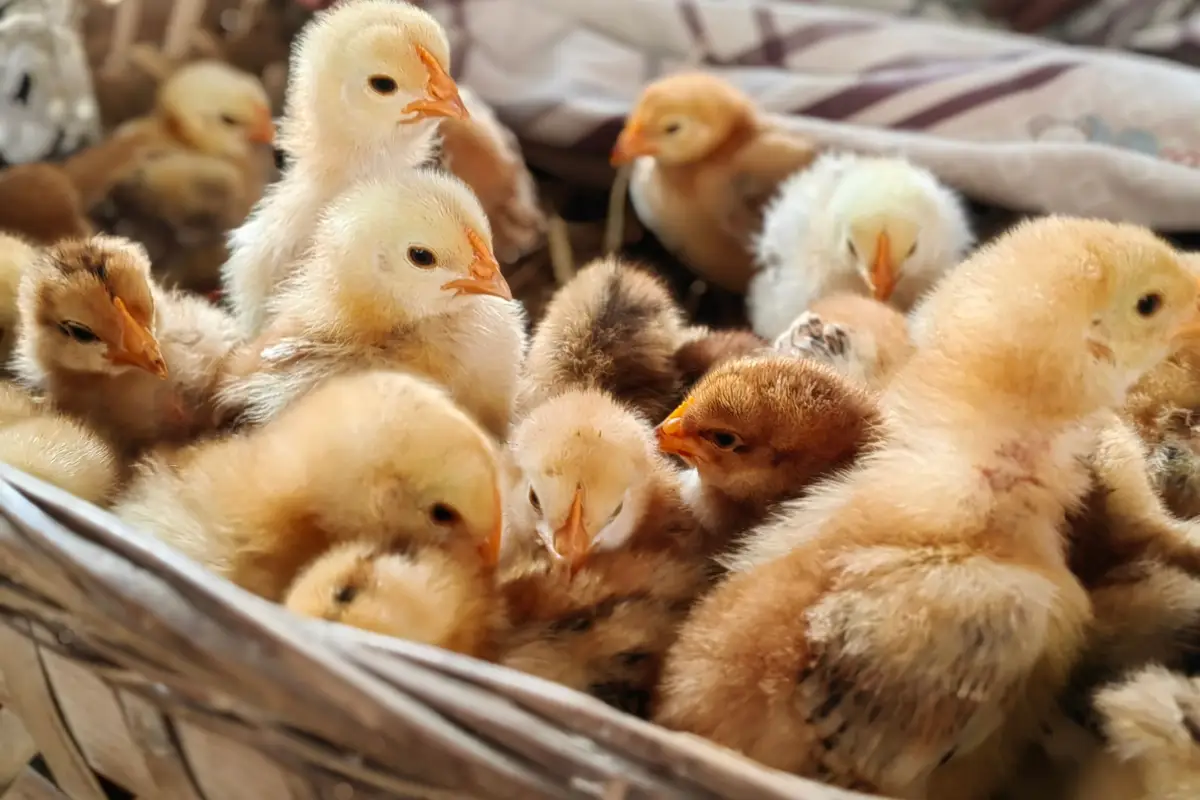
Manage slower-growing dual-purpose chicks with a step-by-step timeline for brooder heat, feed transitions, and cockerel separation. Get hens laying and meat birds ready on schedule.
Match feed to your flock’s production goals and environment with this extension-informed decision tree. Stop guessing—feed your chickens right for eggs, growth, and health.
Discover which chicken coop materials cooperative extension services recommend for rot resistance, bird safety, and long-life construction—and learn which to avoid.
Forums reveal which dual-purpose chickens are quietest, broodiest, and safest for kids. See how RIRs, Orpingtons, and others compare in real backyards.
Stop getting your application rejected. Learn which form questions trip up applicants, how to draw a compliant site plan, and which signatures actually persuade a zoning board.
How to measure your run, calculate true square footage per bird, and match breed adult size to a 10 sq ft minimum. Avoid overcrowding in small yards.
Learn which backyard chicken breeds stay under 50 dB and align with suburban noise ordinances. Extension guides map quiet hens like Australorps and Orpingtons to the 50-decibel limit.
Stop guessing which breed is quiet. Use the five-variable framework extension offices recommend to predict and manage flock noise before you buy a single bird.
The overlooked egg handling move—preserving the bloom while cleaning—keeps farm eggs fresh for weeks without refrigeration and cuts kitchen waste. Here’s the method.