Why Hardware Cloth Stops Predators That Chicken Wire Won't
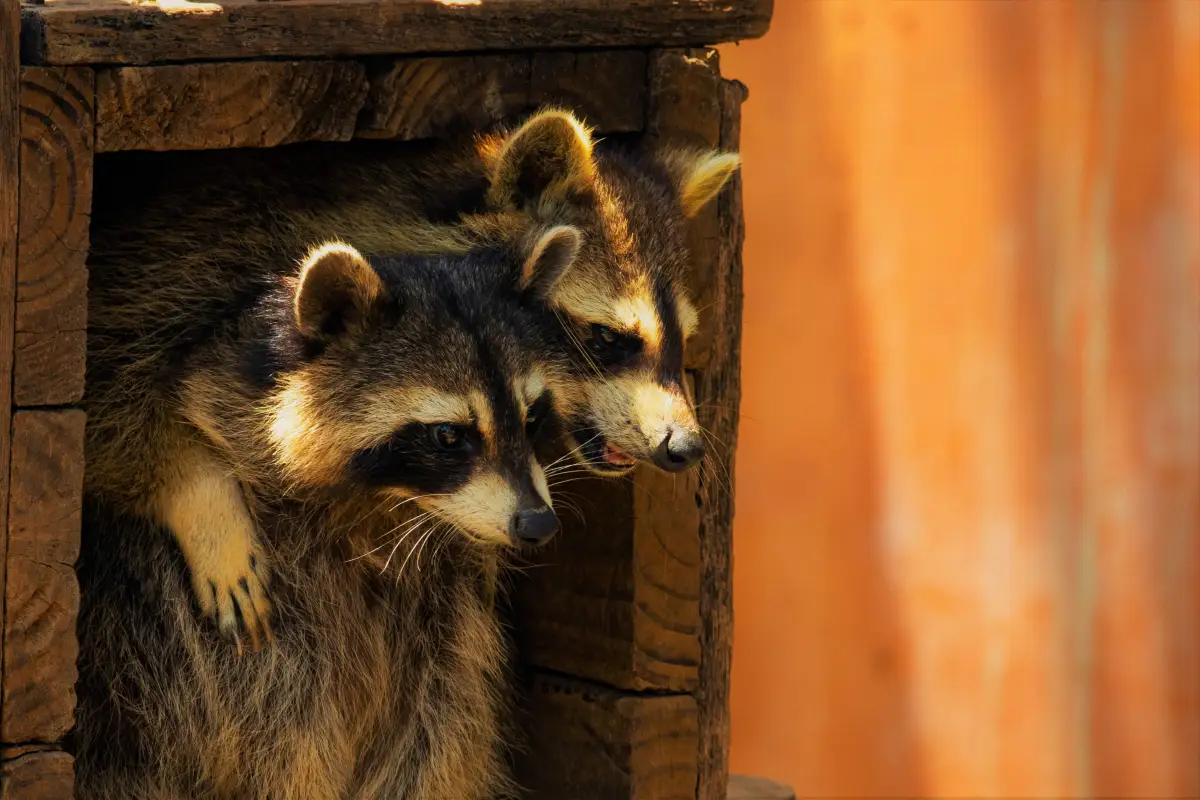
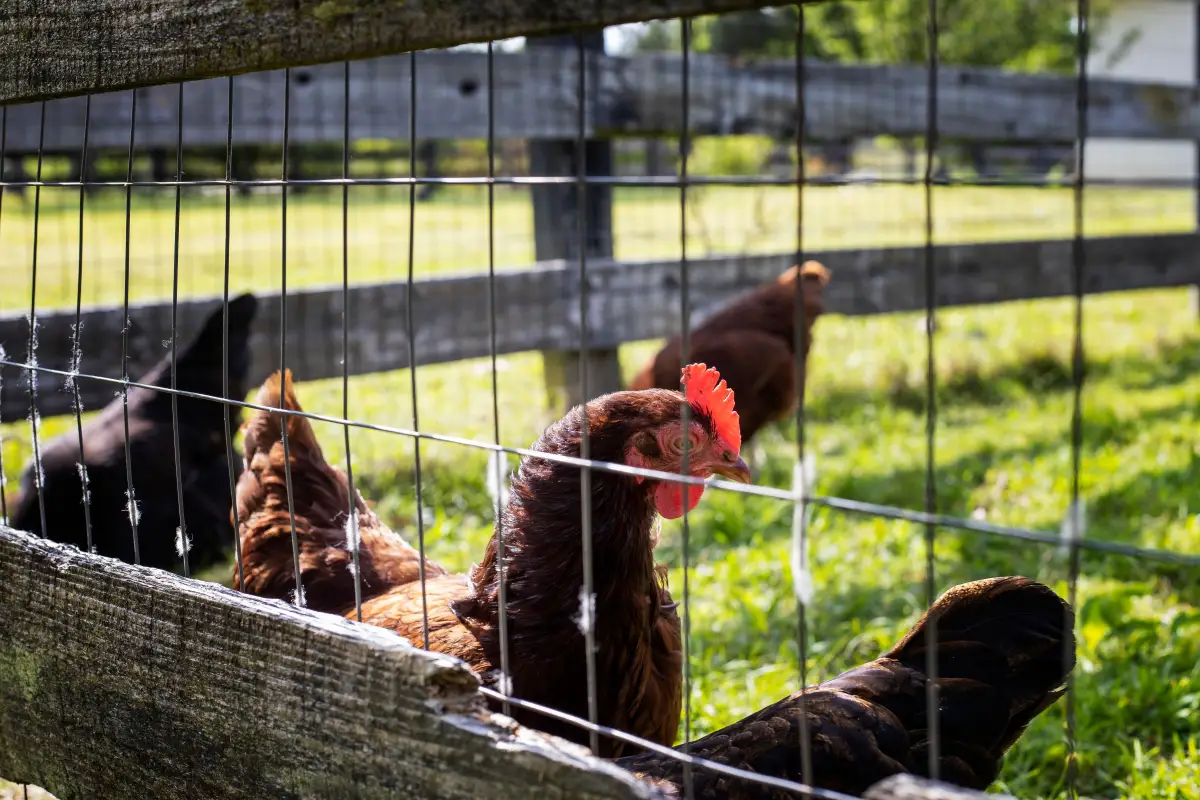
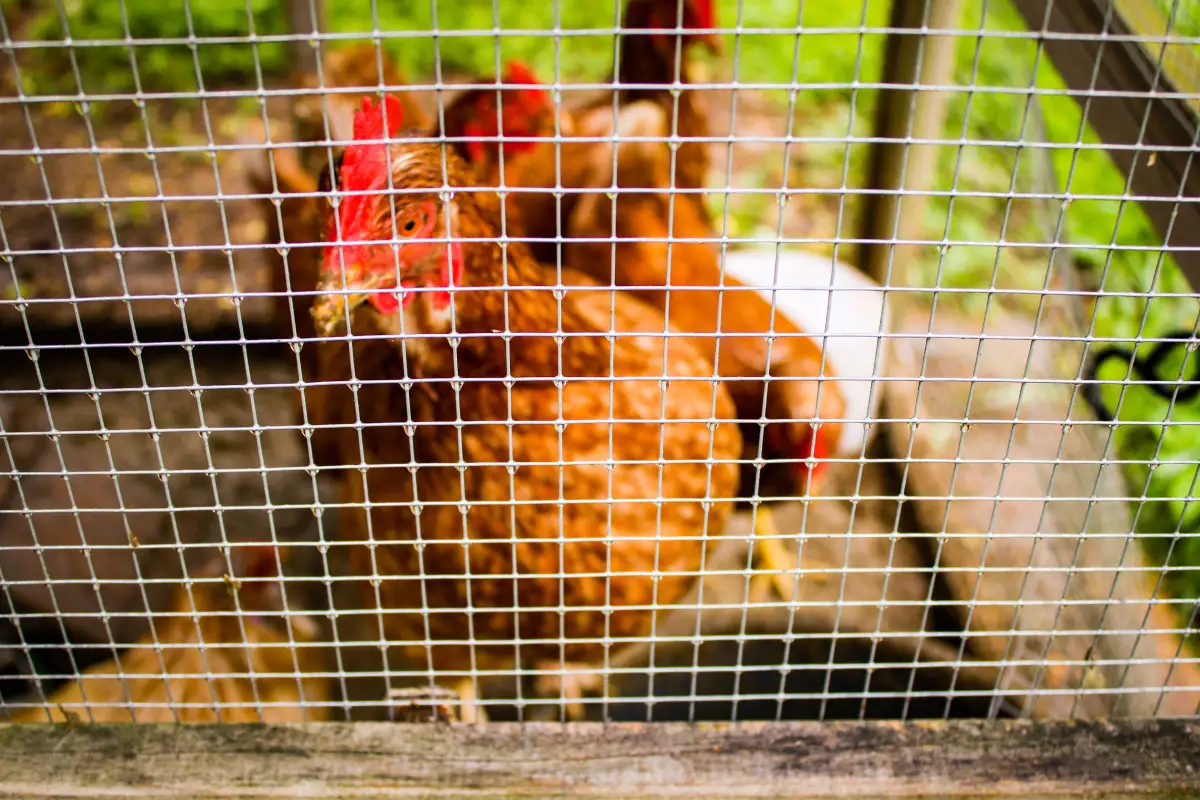
Chicken wire fails against raccoons and weasels because they reach through the openings or tear the thin mesh. Hardware cloth’s small gauge and strength solve both issues.
DIY construction plans, predator-proofing, and design principles for chicken coops and runs.
Chicken wire fails against raccoons and weasels because they reach through the openings or tear the thin mesh. Hardware cloth’s small gauge and strength solve both issues.
Predator-proofing a chicken coop means more than hardware cloth. Learn the buried apron and two-step latch protocol that stops foxes and raccoons for good.
A sealed coop traps moisture and causes frostbite and respiratory illness — not drafts. Learn the right ventilation design with ridge, soffit, and eave vents.
Weak latches are the most common coop vulnerability, but predators test every opening. Audit your floor, roof, and ventilation to stop the nightly raids.
Discover which chicken coop materials cooperative extension services recommend for rot resistance, bird safety, and long-life construction—and learn which to avoid.
How to measure your run, calculate true square footage per bird, and match breed adult size to a 10 sq ft minimum. Avoid overcrowding in small yards.
Walk your coop with a forensic eye. Learn the exact gaps raccoons and foxes exploit—floor‑level digs, weak latches, roof breaches—and how to seal each one with hardware cloth.
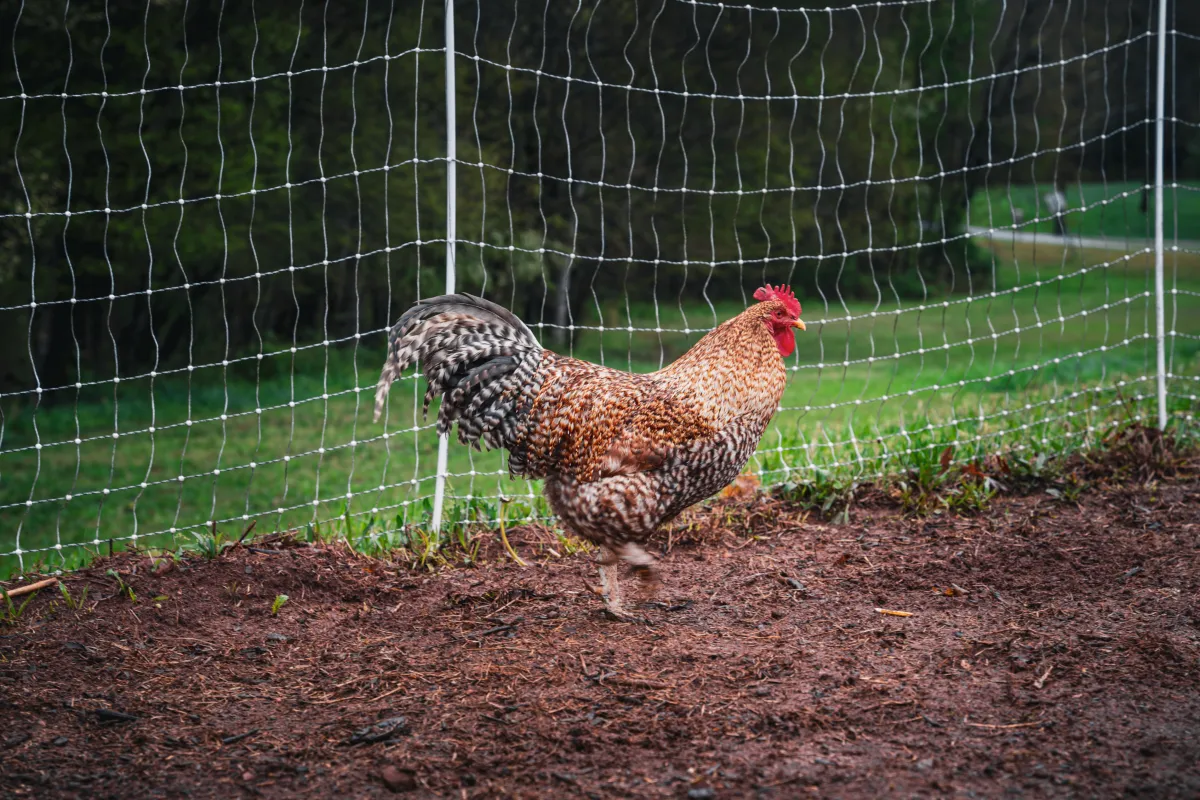
Get voltage, grounding, and vegetation right before you set up your electric poultry netting. Avoid common mistakes and keep your flock safe from predators.
Beyond 10 sq ft per bird. A systems approach to chicken run design that integrates space, predator defense, drainage, and daily chores for a low-maintenance, healthy flock.
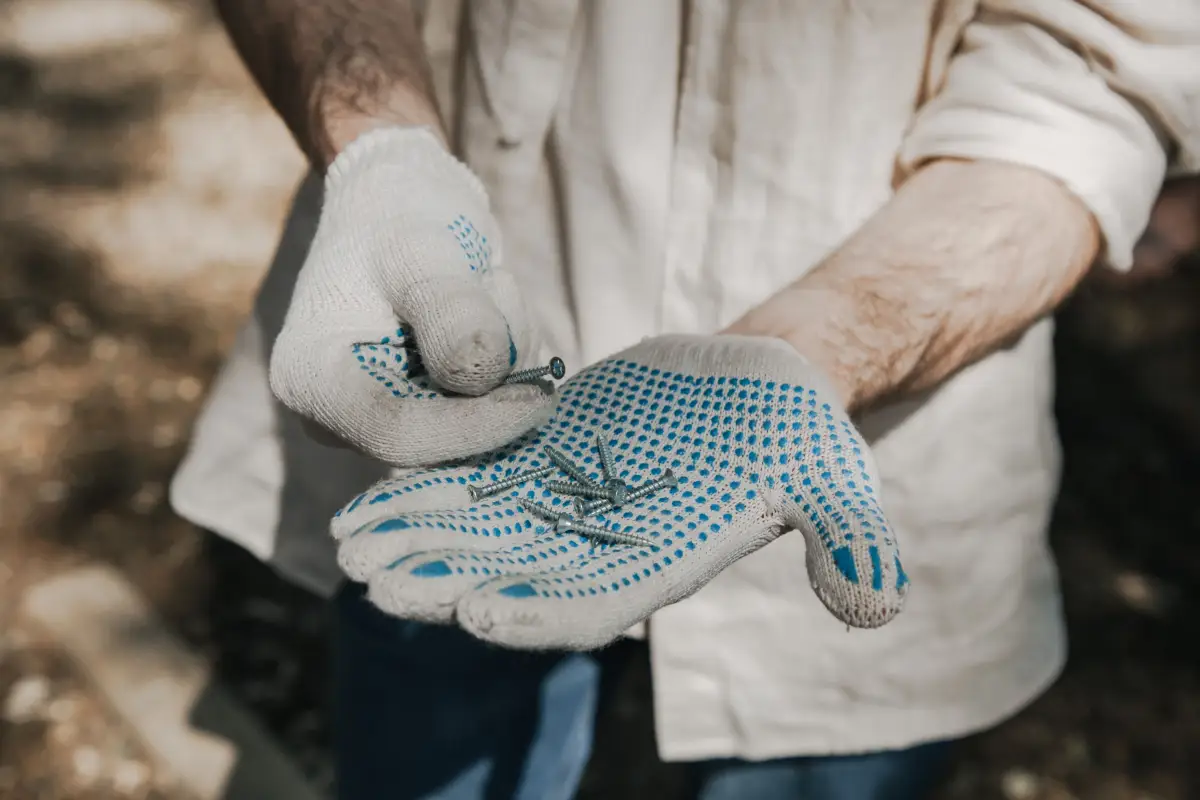
Standard U-nails always leave a 1/4-inch gap. This friction-secured overlap technique bends the wire into a channel and locks it tight with screws.