Why Your Incubator's Built-In Thermometer Is Lying
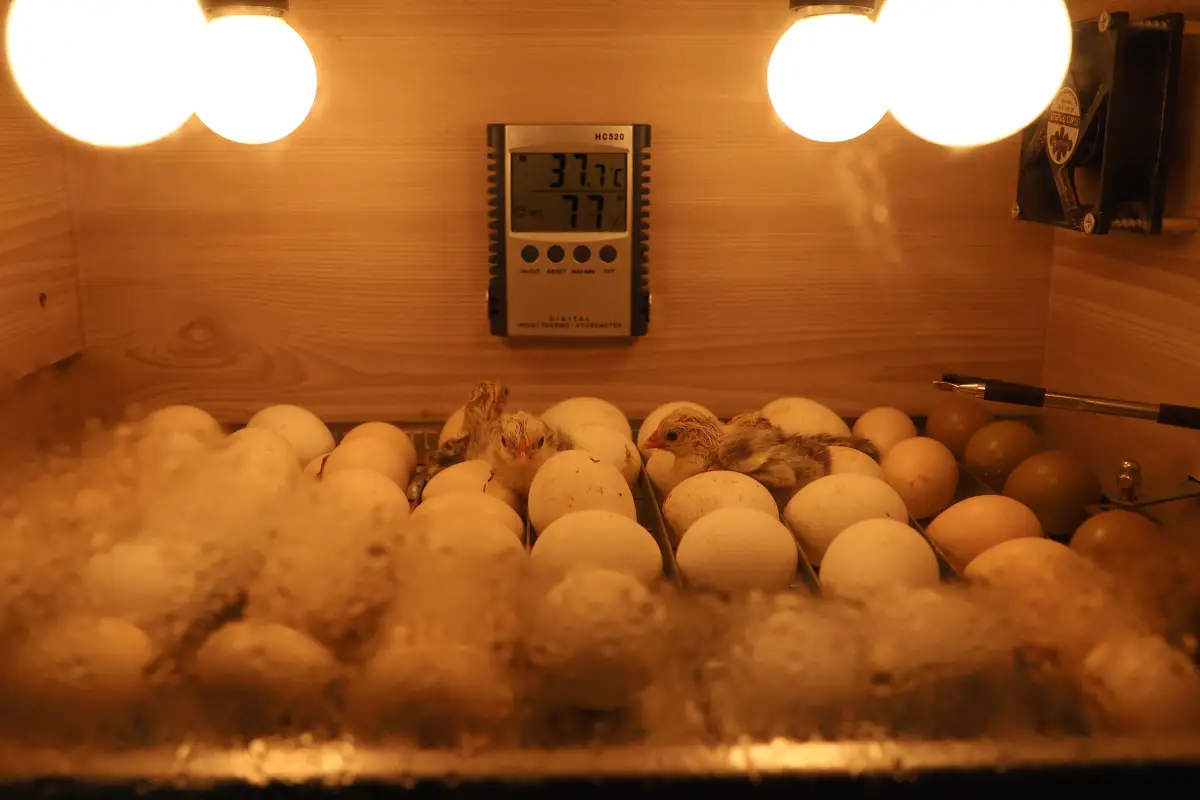
Your incubator’s built-in thermometer is probably off by 1–2°F—enough to kill embryos. Learn how to calibrate with a digital combo and stop temperature drift.
Your incubator’s built-in thermometer is probably off by 1–2°F—enough to kill embryos. Learn how to calibrate with a digital combo and stop temperature drift.
Predator-proofing a chicken coop means more than hardware cloth. Learn the buried apron and two-step latch protocol that stops foxes and raccoons for good.
Switch feed at the right time—starter, grower, pre‑layer, layer—to build shell strength and laying longevity. A stage‑by‑stage framework for backyard keepers.
Stop treating with the same class and breeding resistant mites. Use this comparison of permethrin and spinosad to pick the right tool without harming your flock or eggs.
Your chicken permit was denied. Use this documentation-driven appeal method to address board concerns, gather extension-backed evidence, and win your case.
Thin shells, soft eggs, or spongy keel bones? Use these diagnostic steps to confirm calcium deficiency in your flock and prevent over-supplementation.
Match chicken breeds to your space, climate, egg goals, and noise limits with this step-by-step guide. Includes breed shortlist and daily management for steady eggs.
Daylight triggers molt, then a 6-week feed transition from high protein to energy-dense winter rations. Learn the schedule, plus why scratch and corn aren't enough.
Frequent wet cleaning increases ammonia and coccidia risk in brooders. Learn the dry-litter method that keeps chicks healthy with less daily work.
A sealed coop traps moisture and causes frostbite and respiratory illness — not drafts. Learn the right ventilation design with ridge, soffit, and eave vents.