Why Your Blue Eggs Are Turning Green: Breed Color Shifts
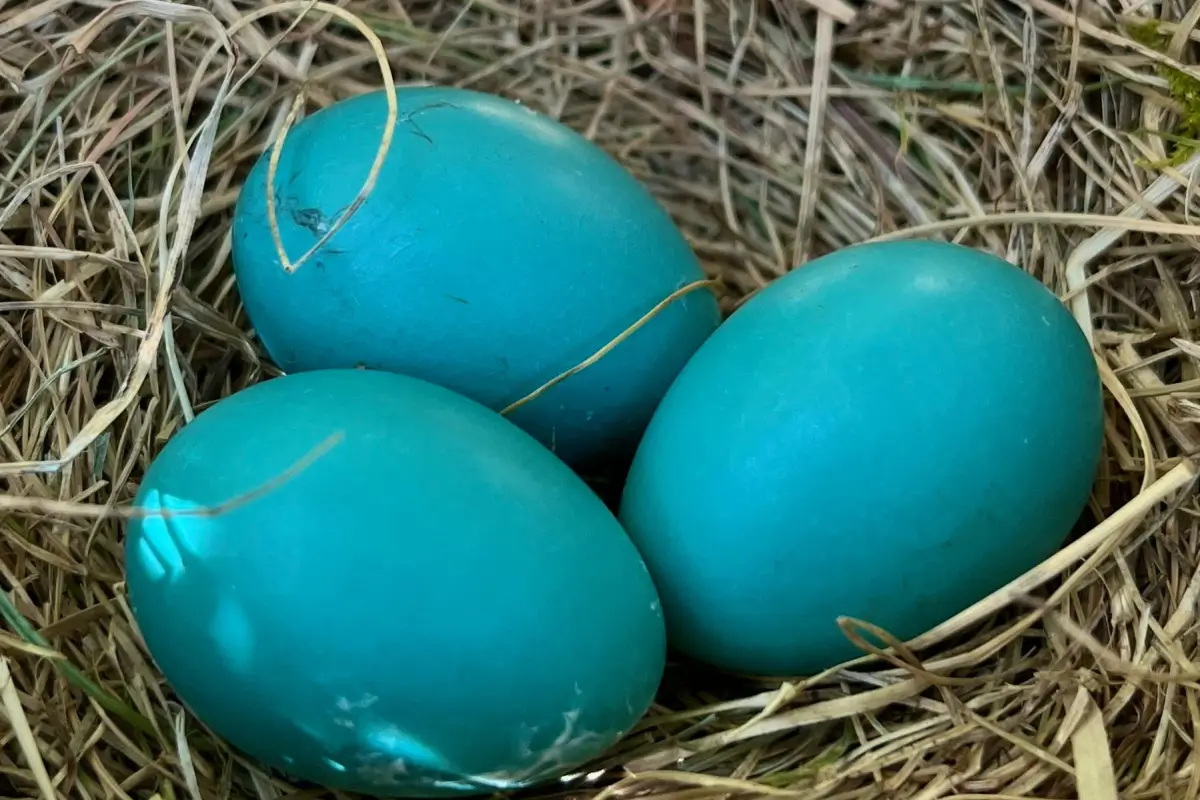
Blue eggs turning green isn't a problem—it's brown pigment on a blue shell. Learn why olive eggers shift color and how to track what's normal with a photo guide.
Blue eggs turning green isn't a problem—it's brown pigment on a blue shell. Learn why olive eggers shift color and how to track what's normal with a photo guide.
Measure setback from the right property boundary, avoid the per-dwelling density mistake, and keep the coop from being reclassified as a second home. Fix a permit denial fast.
Integrate heat, bedding, water, feed & lighting in one cohesive brooder setup. Extension-based steps, real scenario, and troubleshooting for first-time keepers.
Match chicken breeds to your cold climate and homestead constraints using a decision matrix of comb type, body mass, feather density, and origin. Prioritized for USDA zones 3–5.
Spidering veins and blood rings during candling signal embryo death before day 10. Learn to read these patterns and adjust incubator humidity before it's too late.
Most backyard chicken keepers assume a permit is required. Right‑to‑Farm laws can override that. Learn how to check if your property qualifies and avoid the paperwork.
That pale comb edge might not be a peck wound. Learn how to spot early frostbite in chickens, distinguish it from favus or injury, and apply a safe home care routine that won’t make damage worse.
Month‑by‑month ration cheat sheet for protein during molt, energy for cold, and electrolytes in heat. Timed to keep hens laying and healthy year‑round.
Weak latches are the most common coop vulnerability, but predators test every opening. Audit your floor, roof, and ventilation to stop the nightly raids.
A quick, evidence‑based weekly exam backed by extension protocols catches early signs of illness before they spread. Here’s the 7‑step checklist successful small‑flock keepers use.